






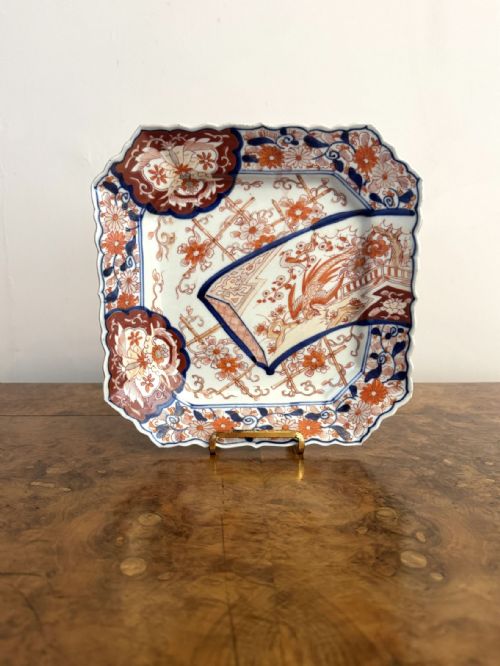
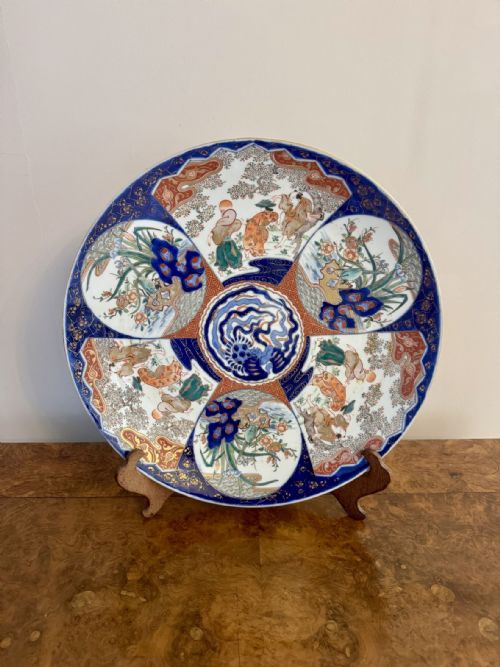
Meiji Japanese Charger Plate
These large display pieces are meiji japanese charger plate examples, offering intricate hand-painted designs that transform interiors.
Meiji Japanese Charger Plate
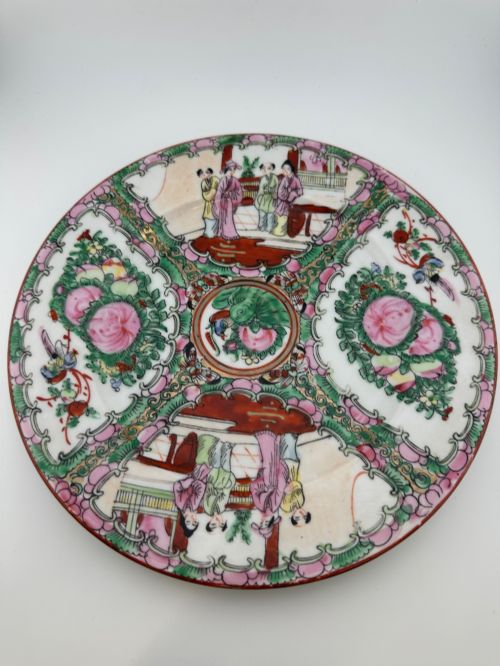
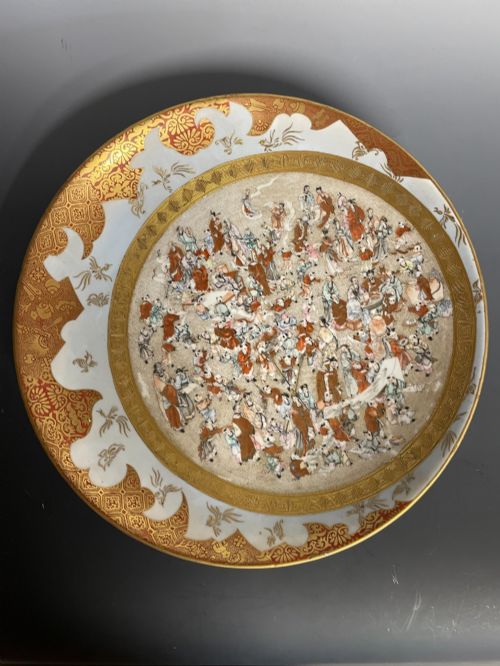
A meiji japanese charger plate represents large circular or oval display ceramics and metalwork produced during the late nineteenth and early twentieth centuries. These substantial dishes served primarily for decorative display on walls or furniture rather than for dining purposes.
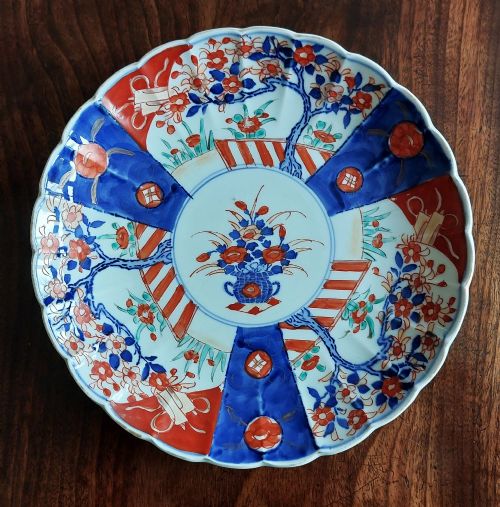
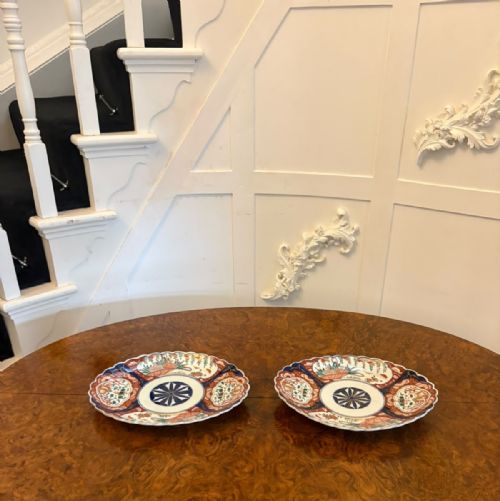
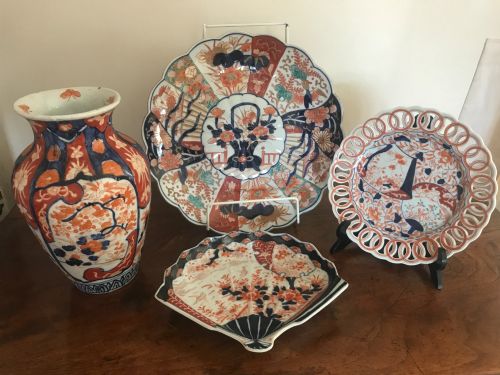
Most examples encountered here span the period from eighteen eighty to nineteen ten, encompassing styles such as Japanese Imari, Kutani, Arita, and Satsuma. The forms range from standard circular chargers to scalloped dishes and square trays.
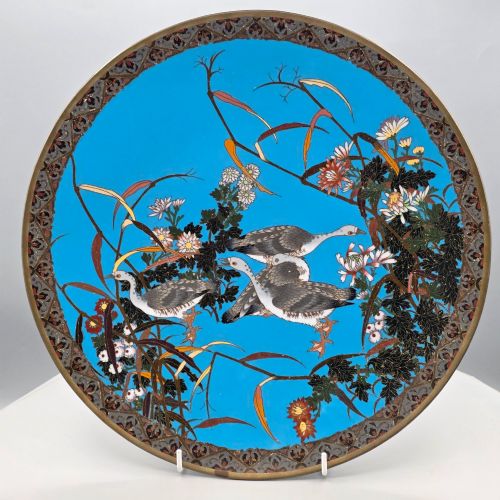
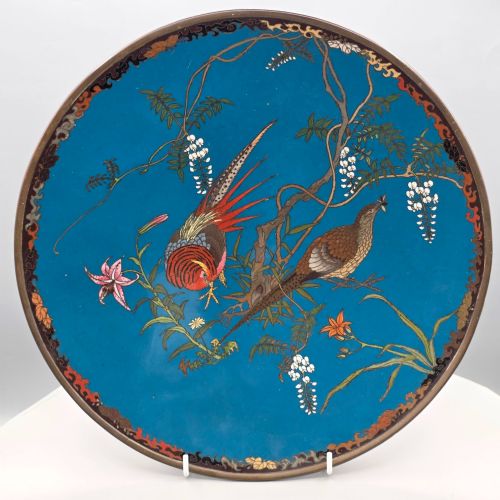
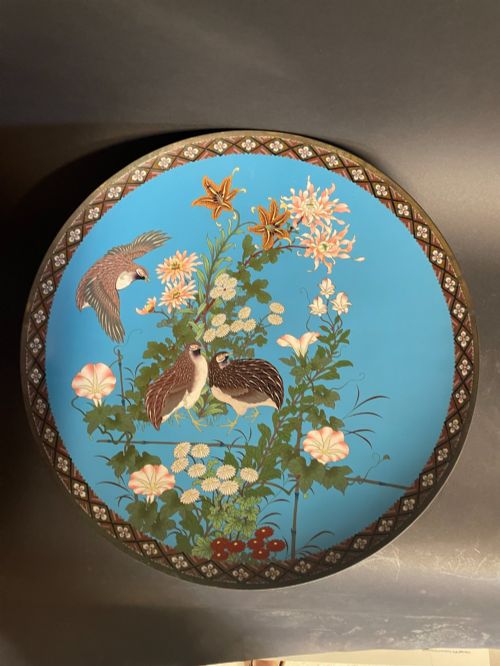
Makers utilised distinct motifs, depicting birds, flowers, and landscapes across porcelain and enamel surfaces. Collectors select these items for their strong colour palettes and detailed traditional craftsmanship.
Materials and construction methods
The construction relies heavily on porcelain, copper, and enamel, often enriched with glaze, gold leaf, and brass wire. Cloisonne examples employ thin metal strips soldered to a metal base to create compartments filled with coloured enamel pastes.
Ceramic pieces such as Imari and Kutani utilise porcelain bodies painted by hand with underglaze blue and iron red overglaze enamels. Artisans fired these items at high temperatures to fuse the pigments and glazes to the clay body.
Listings feature porcelain, copper, and enamel materials, spanning the periods from eighteen fifty through nineteen ten.
Assessing quality in meiji japanese charger plate items
Quality rests upon the precision of the hand-painted brushwork and the complexity of the composition. Superior cloisonne pieces exhibit extremely fine wirework without visible gaps, whilst top-tier porcelain displays crisp pigments and balanced symmetry.
The depth of the glaze and the integration of delicate details, such as gold leaf accents or Moriage relief work, distinguish standard production wares from master-level studio output.
Koshida
The Meiji Japanese Charger Plate Glossary
- Imari
- A style of Japanese porcelain featuring a distinct palette of underglaze blue, iron red, and gilt highlights. These pieces were heavily exported to Europe during the nineteenth century.
- Cloisonne Enamel
- A decorative technique where thin metal wires form raised cells on a copper body, which are then filled with coloured enamel paste and fired. This method creates intricate patterned illustrations of birds and flowers.
- Charger
- A large decorative plate or dish intended for display on a sideboard or wall rather than for serving food. They measure considerably larger than standard dining plates.
- Moriage
- A decorative ceramic technique involving the application of slip in raised dots or lines to create textured patterns. This method is frequently observed on Satsuma ware.
- Kutani
- A style of Japanese porcelain known for bold pictorial designs and vibrant enamel colours, often depicting figures or natural scenes.
Meiji Japanese Charger Plate: Frequently Asked Questions
How were these chargers displayed?
These large plates were typically placed on sideboards or mounted onto walls using specialised hanging wires.
Their substantial size and decorative motifs made them central visual elements in nineteenth-century interiors.
What is the difference between Imari and Satsuma?
Imari pieces consist of hard porcelain decorated with blue, red, and gilt pigments in geometric and floral patterns.
Satsuma items utilise an earthenware body with a fine crackle glaze, typically decorated with polychrome enamels and raised relief details.
How do I identify Meiji period pieces?
Meiji period items date from eighteen sixty-eight to nineteen twelve, aligning with the reign of Emperor Meiji.
Characteristics include intricate hand-painted natural motifs, bird and flower depictions, and specific stylistic traits associated with the late nineteenth century.
Can these plates be used for food?
Antique chargers are intended entirely for decorative display rather than culinary use.
Using them for dining can damage the delicate historic glazes, enamel work, and gold leaf decorations.