






Meiji Imari Ware
Meiji imari ware comprises Japanese porcelain decorated in characteristic palettes that bring rich colour and historic character to interiors.
Meiji Imari Ware
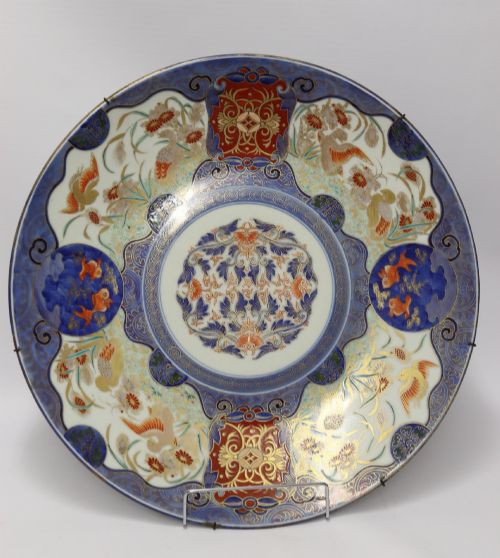
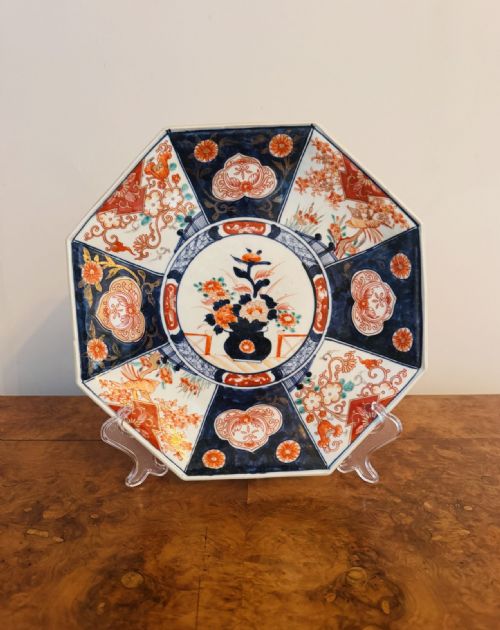
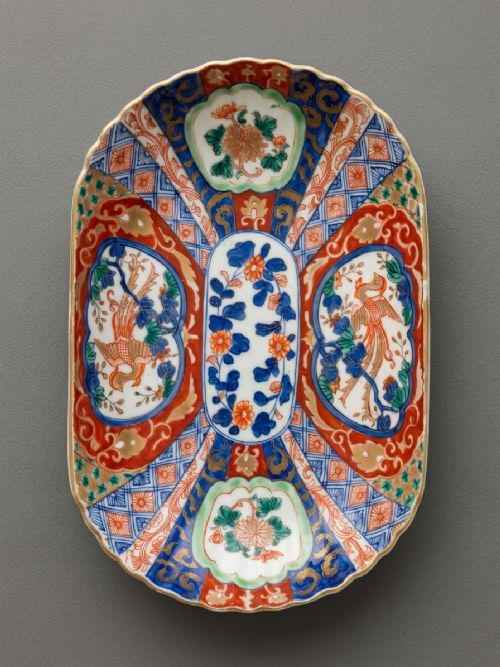
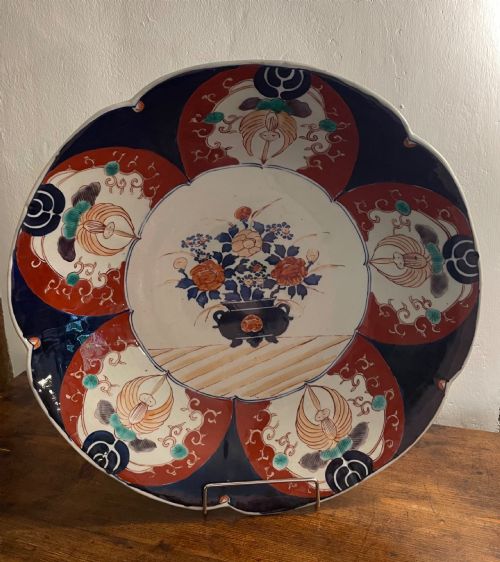
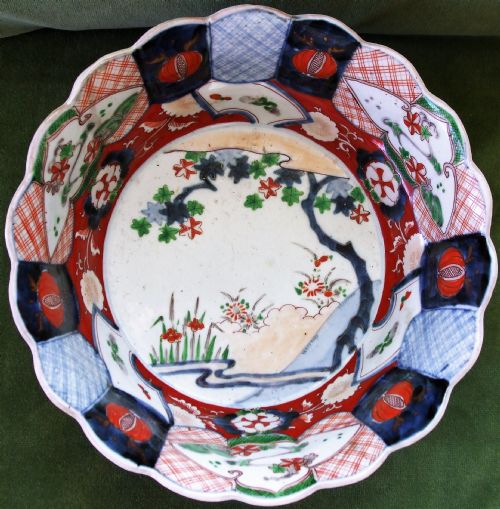
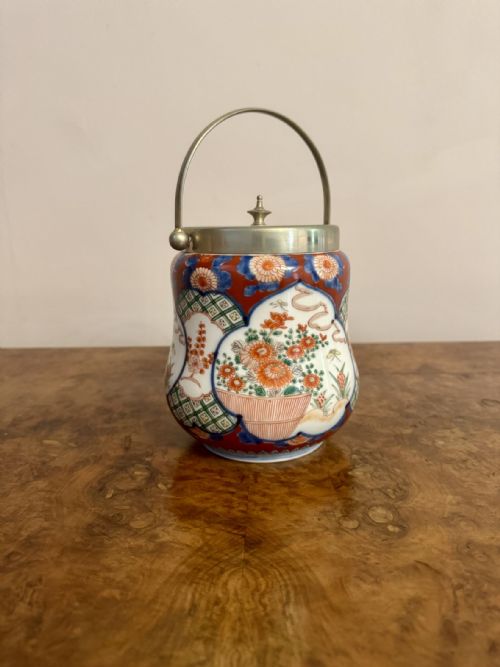
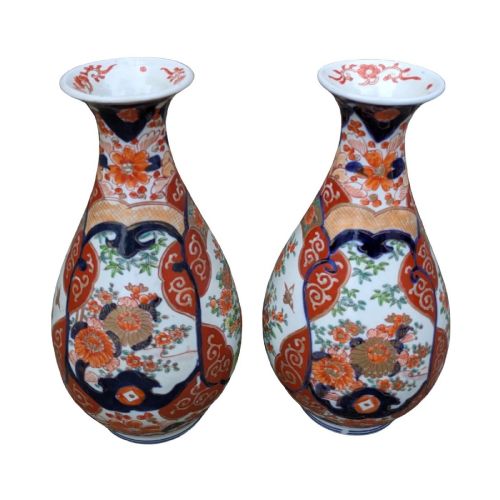
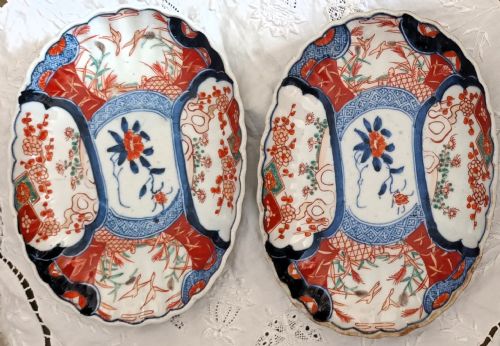
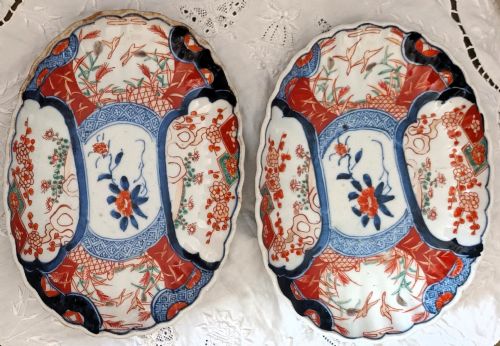
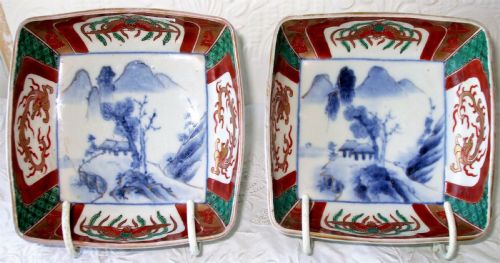
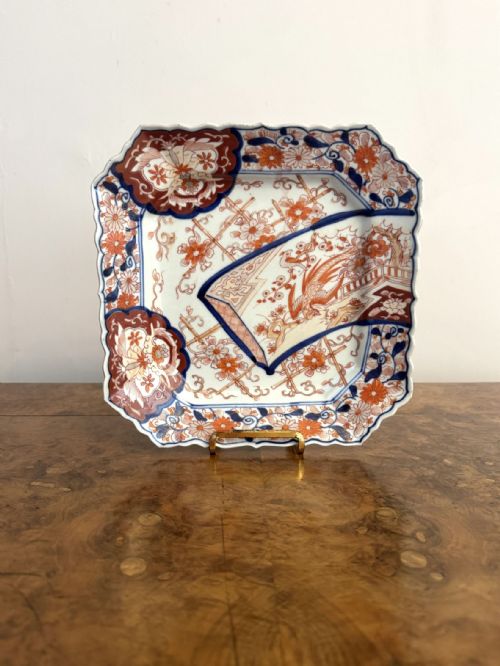
Meiji imari ware encompasses decorative items produced in Japan during the Meiji period and adjacent late nineteenth and early twentieth centuries. These pieces span a variety of forms designed primarily for visual display, including plates, chargers, bowls, vases, and biscuit barrels.
Buyers most frequently encounter decorative plates and chargers shaped with scalloped, hexagonal, or leaf edges. These items showcase traditional motifs such as floral and bird designs rendered in the distinctive Japanese imari aesthetic.
How meiji imari ware was made
Makers utilised porcelain as the primary body, shaping it into bowls, vases, and dishes by hand and moulding techniques. Artisans then applied glaze alongside enamel glaze to seal the surface and provide a smooth, glossy ground.
Detailing relied on careful hand painting enriched with gold leaf, gilt, and gilding to highlight specific patterns. Certain examples incorporated silver plate fittings, particularly on functional forms such as biscuit barrels.
Meiji Imari Ware Retail Price Guide 2026
Typical asking prices for meiji imari ware among the pieces listed under this phrase on Sellingantiques today, from the lower quarter to the upper quarter. They describe what is for sale here now, not the wider market.
Listings span periods from the Edo and Meiji eras, featuring porcelain formed into plates, bowls, vases, and biscuit barrels.
What varies in quality
The standard of meiji imari ware rests upon the precision of the hand painting and the complexity of the form. Pieces featuring intricate floral and bird designs executed with exceptional fine motor control stand apart from simpler iterations.
Structural variation also defines the hierarchy, with unusual shapes like hexagonal bowls, leaf dishes, and large garnitures representing greater ambition in both porcelain production and kiln firing.
The Meiji Imari Ware Glossary
- Imari
- A style of Japanese porcelain originating from the port of Imari, traditionally characterised by a palette of underglaze blue and iron red with added gold.
- Meiji Period
- The period of Japanese history lasting from 1868 to 1912, marked by the opening of trade with the West and a surge in export ceramics.
- Charger
- A large ornamental plate intended primarily for display on a wall or sideboard rather than for dining use.
- Garniture
- A matching set of vases or ornamental vessels, usually numbering three or five, designed to be displayed together on a mantelpiece or shelf.
- Biscuit Barrel
- A ceramic container fitted with a lid and handle, originally utilised for storing biscuits or dry goods in the Victorian home.
Meiji Imari Ware: Frequently Asked Questions
What is meiji imari ware?
Meiji imari ware consists of Japanese porcelain items created during the late nineteenth and early twentieth centuries for both domestic use and export.
These objects include plates, bowls, chargers, and vases decorated with traditional hand-painted motifs.
How were these pieces used?
Many of these items served ornamental purposes, displayed in rooms as chargers, decorative plates, and garnitures of vases.
Certain forms like biscuit barrels held dry foodstuffs on dining tables before transitioning purely to decorative display.
How do I live with imari porcelain?
Imari porcelain brings strong visual patterns and traditional colour schemes to interior spaces, fitting well on mantelpieces, walls, and sideboards.
Their robust porcelain bodies make them straightforward to maintain with gentle dusting and careful placement away from edges.
How do I identify the period?
Pieces from this era reflect the Meiji period aesthetic through export styles, specific enamel glazes, and hand-painted floral or bird compositions.
Dates typically range from the late nineteenth century into the early twentieth century based on form and decorative convention.