






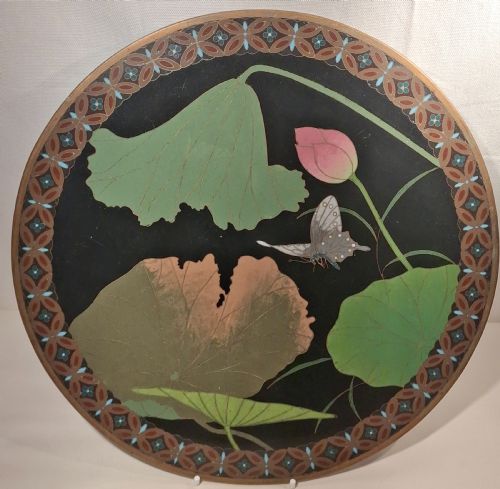


Meiji Enamel Wall Plaque
A meiji enamel wall plaque brings intricate Japanese metalwork and vibrant coloured vitreous details directly into a modern interior.
Meiji Enamel Wall Plaque
A meiji enamel wall plaque typically manifests as a large charger, decorative plate, or tray designed to be displayed on a vertical surface. These items originate from the Meiji period and the late Edo period, capturing a golden age of Japanese decorative arts.
Buyers seeking this phrase encounter circular chargers and plates measuring up to eighteen inches across. Common imagery includes natural subjects such as birds, fish, chrysanthemums, and dragons alongside figural samurai motifs.
While most examples utilise traditional copper or brass body foundations, occasional pieces employ porcelain bases covered in cloisonne tree bark effects. The forms vary from standard decorative plates to specialised trays and dedicated plaques.
Materials and construction methods
Artisans constructed these pieces using a metal base of copper, brass, or bronze, shaping them into plates and chargers before applying surface decoration. Fine wire or brass wire created the raised partitions for the design cells.
Coloured enamel paste filled these delicate wire cells meticulously by hand before firing in a kiln to vitrify the glass powders. Certain specialised works applied cloisonne enamel directly onto porcelain surfaces styled as tree bark.
Meiji Enamel Wall Plaque Retail Price Guide 2026
Typical asking prices for meiji enamel wall plaque among the pieces listed under this phrase on Sellingantiques today, from the lower quarter to the upper quarter. They describe what is for sale here now, not the wider market.
Current listings feature items spanning the 1860s through to 1900, incorporating both standard copper-bodied cloisonne and porcelain-based Totai Shippo examples.
Assessing quality and execution
Quality rests upon the complexity and precision of the wirework division, where finer lines permit intricate pictorial detail such as feathers or scales. The clarity and depth of the coloured enamels further separate standard production from masterworks.
Signatures on the reverse or base often distinguish pieces produced by prominent workshops from anonymous factory output. The ambition of the subject matter, ranging from simple floral arrangements to complex dragon and samurai scenes, dictates the tier of the object.
The Meiji Enamel Wall Plaque Glossary
- Cloisonne Enamel
- A technique where metal wire is soldered to a metal base to form compartments filled with enamel paste and fired. This method creates the characteristic cellular grid pattern visible across the surface.
- Totai Shippo
- A specific Japanese technique where enamel and wire are applied over a porcelain body rather than metal. This creates a textured base resembling natural materials like tree bark.
- Charger
- A large decorative plate traditionally used for ceremonial display rather than dining. These form the primary physical format for large Japanese enamel artworks.
- Meiji Period
- The era in Japanese history spanning from 1868 to 1912, marked by widespread international export of high-craft metalwork and ceramics. Pieces from this time demonstrate exceptional technical refinement.
- Edo Period
- The period preceding the Meiji era, lasting from 1603 to 1867. Early examples in this category occasionally bridge the end of this historical epoch.
Meiji Enamel Wall Plaque: Frequently Asked Questions
How do I hang a heavy charger?
These metal and enamel plates carry considerable weight due to their copper and bronze foundations. Utilise a secure wall hook paired with an adjustable coated wire hanger designed specifically for heavy ceramic or metal plates.
Ensure the mounting bracket fastens directly into wall studs or employs heavy-duty plaster anchors to support the load safely over time.
Where should I display these plaques?
Position them in living rooms, studies, or dining areas where adequate ambient lighting illuminates the reflective enamel surfaces. Avoid locations exposed to direct, harsh sunlight for prolonged periods to protect the coloured glass compounds.
Keep them away from moisture sources such as kitchens or unventilated bathrooms to prevent oxidation of the exposed copper or brass rims.
How do I tell Meiji period pieces apart from Edo ones?
Examine the overall palette and subject matter for shifts in stylistic ambition and technical execution. Pieces produced during the late Edo period often display a restrained aesthetic, while Meiji era works frequently showcase intricate, hyper-detailed wirework and dynamic subject matter like sprawling dragons.
Check for artist signatures or factory marks, which became far more prevalent on exported pieces as the Meiji period progressed.