


Meiji Blue White Porcelain
Meiji blue white porcelain brings together Japanese Arita, Imari and Hirado ceramics created during the late nineteenth and early twentieth centuries.
Meiji Blue White Porcelain
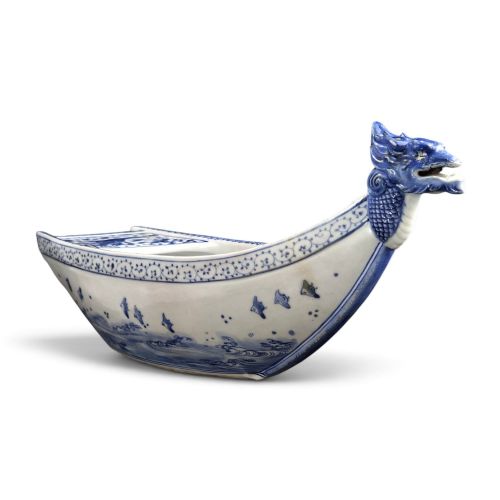
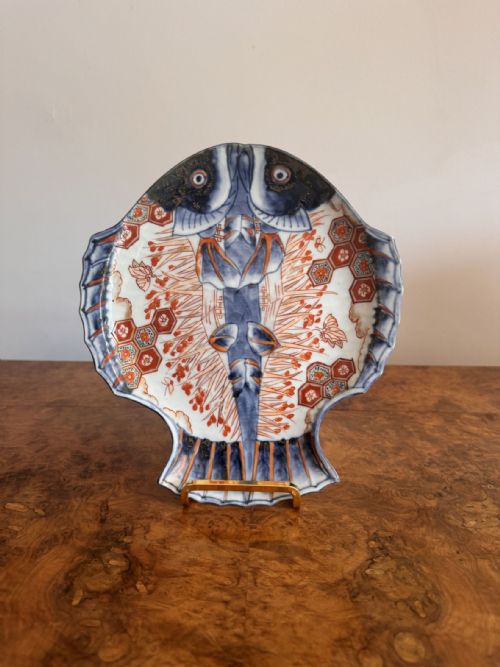
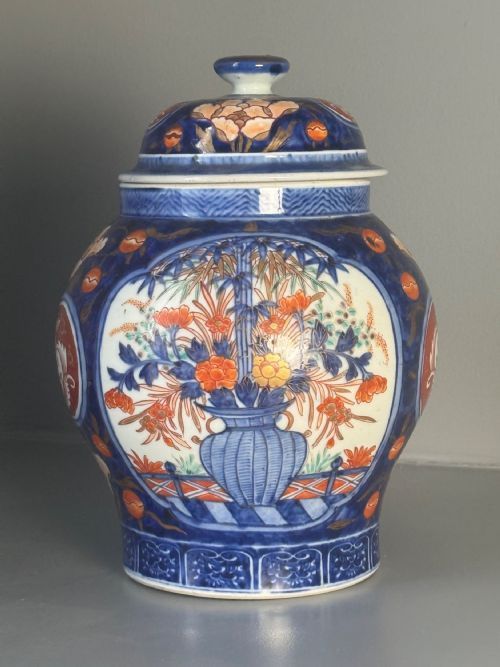
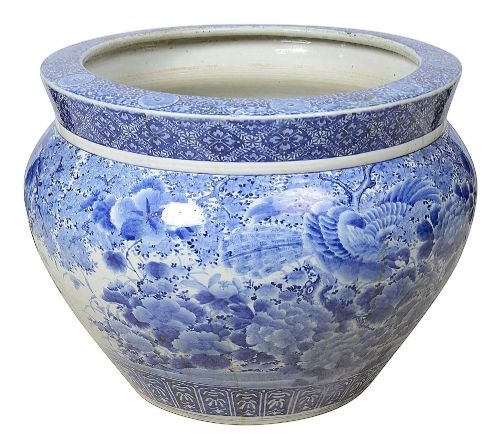
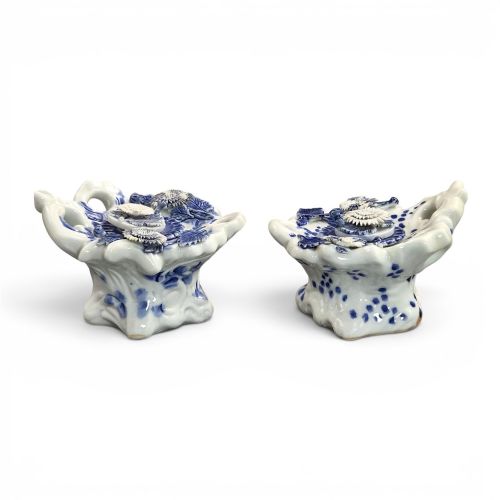
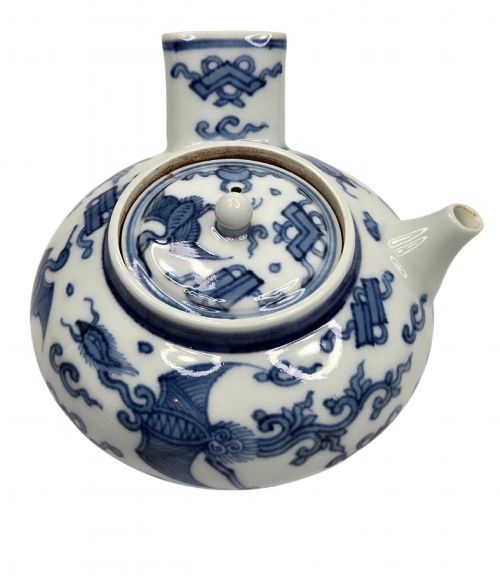
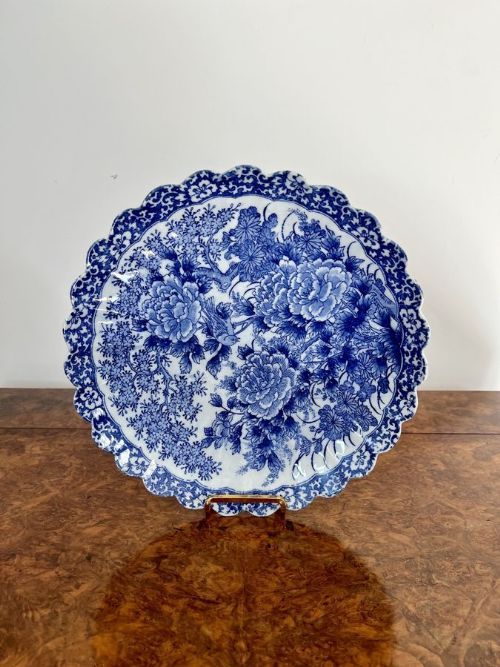
Meiji blue white porcelain encompasses decorative chargers, large jardinieres, plates and vessels produced in Japanese kilns during the Meiji period. Buyers searching this phrase encounter items shaped as fish, fans and scalloped circles alongside traditional jars and vases.
The objects span domestic table settings and substantial display pieces decorated with cobalt underglaze pigments. Many examples incorporate traditional Japanese motifs such as koi carp, chrysanthemums and floral patterns across porcelain bodies.
How they were made
Potters utilised ceramic clay bodies finished with cobalt underglaze and clear glazes, sometimes incorporating enamel, gold leaf or carved wood elements. Skilled artisans applied hand-painted cobalt designs directly to the porcelain before firing.
Techniques ranged from standard throwing and moulding to intricate reticulation and sculpted figures, particularly seen in Hirado and Arita production.
The listings show diverse forms including chargers, jardinieres, inkwells and wine cups spanning the nineteenth and early twentieth centuries.
What varies in quality
Quality differentiates through the precision of the hand-painted cobalt underglaze brushwork and the crispness of moulded or sculpted details such as dragons and guardian lions. Superior examples display balanced composition and careful control during the kiln firing.
Unusual forms, such as fish-shaped plates or fan-shaped dishes, together with signed pieces from known makers, stand apart from standard production items.
Makuzu Kozan
The Meiji Blue White Porcelain Glossary
- Arita
- A Japanese town and region renowned for porcelain production, supplying wares painted in cobalt underglaze and colourful enamels. Pieces from this centre form a substantial portion of Meiji ceramic output.
- Imari
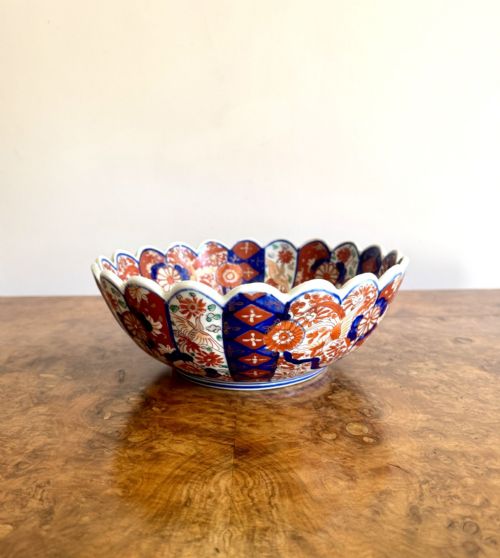
- A style of Japanese porcelain shipped from the port of Imari, often combining blue and white underglaze with iron red and gold. It remains a defining aesthetic for collectors of this period.
- Sometsuke
- Japanese porcelain decorated with blue underglaze cobalt designs. This term describes the classic blue and white appearance found on Meiji period vessels and plates.
- Koro
- A traditional Japanese incense burner, often rendered in porcelain with perforated covers. These vessels frequently feature sculpted animal or floral decorations.
- Jardiniere
- A large ornamental pot or planter designed to hold growing plants. Ceramic examples from the Meiji era often feature bold cobalt and white patterns.
Meiji Blue White Porcelain: Frequently Asked Questions
How do I identify Meiji blue white porcelain?
These pieces display cobalt underglaze decoration on white ceramic bodies, often featuring traditional Japanese motifs like floral sprays or koi fish. Many date from the late nineteenth century during the Meiji period.
Examining the foot ring, glaze texture and painting style helps distinguish period pieces from later reproductions.
What is the difference between Arita and Imari?
Arita refers to the Japanese production centre where the porcelain clay and initial wares originated. Imari describes the decorative style and export designation associated with those same kilns.
While Arita pieces can be strictly blue and white, Imari typically incorporates additional colours such as red and gold alongside the cobalt.
How were large chargers and jardinieres used?
Large chargers served primarily as decorative display items on walls, stands or sideboards rather than dining tableware. Jardinieres functioned as ornamental planters for interior greenery in Meiji period interiors.
Both forms allowed makers to showcase expansive hand-painted cobalt scenes across wide ceramic surfaces.
How should I care for antique porcelain?
Keep these ceramic pieces away from direct sunlight and sudden temperature changes to protect the glaze and any added gold leaf or enamel. Dust them gently with a dry, soft cloth.
Avoid using harsh chemical cleaners or submerging items with wooden components or delicate applied details.