




Medieval Religious Figure
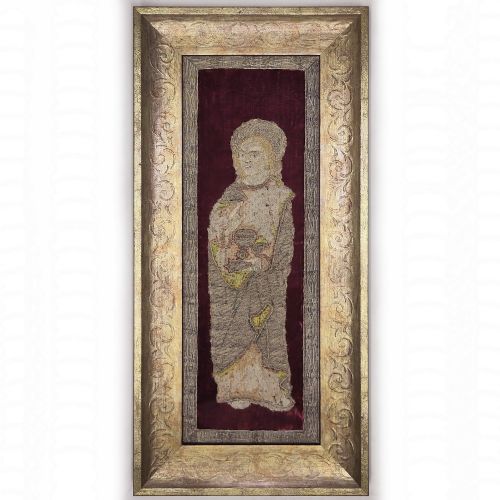
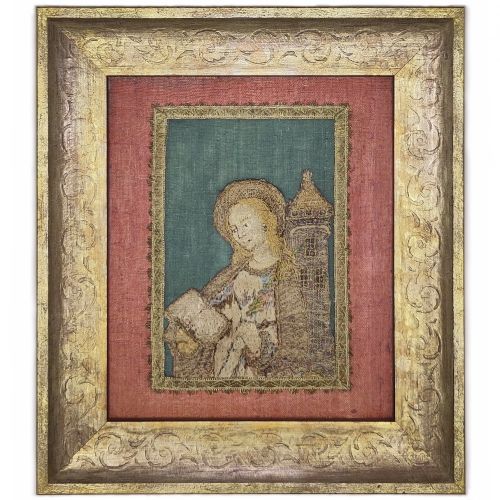
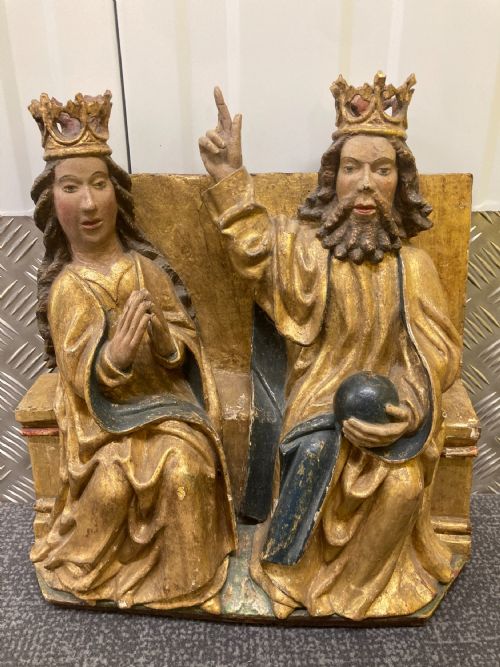
A medieval religious figure brings centuries of devotion into a room, carved in solid oak, stone, or pine with surviving traces of polychrome paint.
Medieval Religious Figure
A medieval religious figure is a carved devotional representation, and on this page you will most frequently encounter standing saints, bishops, and depictions of the Madonna and child originating from the 14th century, the 15th century, and the early 16th century. These sculptures span styles from Late Gothic and Late Medieval to French, Northern, and Flemish Renaissance, alongside occasional Gothic Revival interpretations from 1900.
The subjects range from solitary saints like St Catherine and St John to complex group carvings including the Pieta, Anna Selbdritt, and the Grief of Mary. Most pieces function as wall sculptures or freestanding statues, originating from regions such as Germany, the Upper Rhine, and the Low Countries.
How they were made
Carvers shaped these works primarily from solid oak, pine, and general wood substrates, utilising hand tools to achieve deep relief and expressive drapery. Many pieces received an initial layer of gesso to prepare the timber surface for subsequent decoration.
Artisans applied polychrome paint and gold leaf or gilded wood to bring vibrancy and sacred splendor to the figures. Over centuries, these surface treatments have worn back to reveal the warm grain of the underlying carved wood.
Medieval Religious Figure Retail Price Guide 2026
Typical asking prices for medieval religious figure among the pieces listed under this phrase on Sellingantiques today, from the lower quarter to the upper quarter. They describe what is for sale here now, not the wider market.
The inventory spans the pre-16th century medieval era through the 16th century, alongside 20th-century Gothic Revival interpretations.
What varies in quality
The survival rate of original surface decoration heavily influences desirability, particularly where remnants of early polychrome paint and gold leaf remain undisturbed. The integrity of the timber substrate, whether oak or pine, and the preservation of original sculptural fragments also define the upper tier.
The Medieval Religious Figure Glossary
- Polychrome paint
- Decoration applied in multiple colours to the surface of wood or stone sculpture. This historical pigment layer often survives only in fragments.
- Gesso
- A plaster mixture applied to wood sculptures as a smooth base for gilding and paint. It provides the foundational white ground seen beneath old leaf layers.
- Giltwood
- Timber decorated with thin sheets of beaten gold leaf. It catches ambient light in ecclesiastical settings.
- Pieta
- A subject showing the Virgin Mary supporting the dead body of Christ. It appears frequently in late medieval devotional carvings.
- Anna Selbdritt
- An iconographic grouping showing Saint Anne with the Virgin Mary and the Christ child. This subject highlights three generations in a single composition.
Medieval Religious Figure: Frequently Asked Questions
What subjects do these figures represent?
These sculptures depict holy figures from Christian tradition, most notably the Madonna and child, various saints, bishops, and scenes of mourning such as the Pieta. They served a devotional function in churches and private chapels.
Subjects also include specific regional saints like St Catherine and group compositions like Anna Selbdritt. Each representation carries distinct iconographic attributes to help viewers identify the holy personage.
How can I tell the period?
Dating relies on stylistic markers such as the folding of drapery, facial expressions, and the transition from Gothic severity to Renaissance naturalism. Carvings from the 15th century often feature sharper linear rhythms compared to later 16th-century examples.
Material choices and tool marks further assist in establishing age, alongside regional carving traditions from Germany, the Low Countries, and France. Scientific timber analysis can provide additional confirmation when stylistic evidence proves inconclusive.
Where were these sculptures originally placed?
Original locations included church altarpieces, rood screens, and monastic chapels where they formed the focal point for prayer and liturgy. Some smaller figures belonged to domestic shrines used for private household devotion.
Surviving wall sculptures often retain attachment points or flat backs designed for placement against architectural masonry or wooden church interior paneling. Garden sculptures on this page represent later adaptations or stone figures suited for outdoor display.
How do I care for wooden carvings?
Wood sculptures require stable indoor humidity and protection from direct sunlight to prevent the timber from drying out and cracking. Avoid placing them near active heat sources which accelerate stress on ancient wood and gesso.
Dusting should be performed gently with a soft, dry brush without applying modern cleaning solutions or oils. Preserving surviving polychrome paint and gold leaf depends entirely on maintaining a stable environmental climate.