
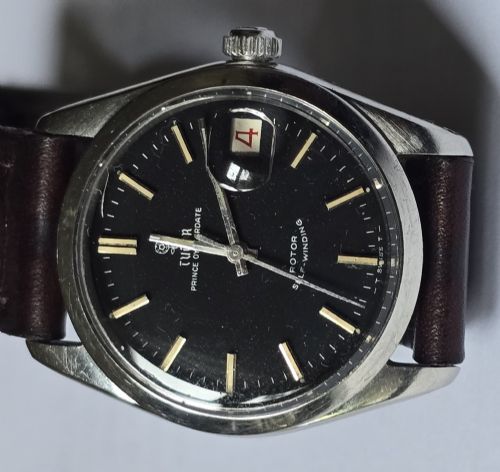
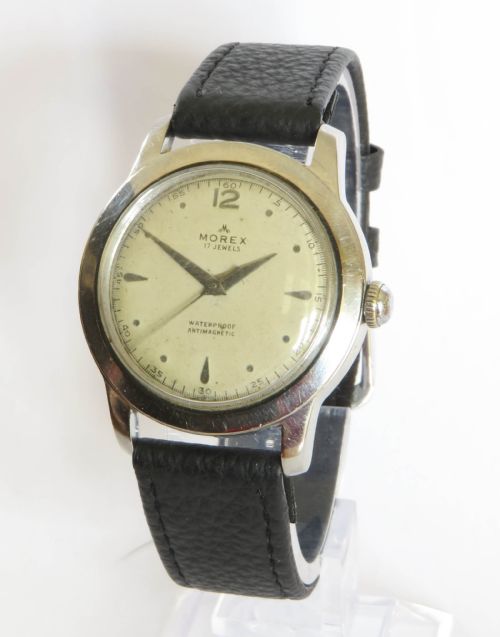
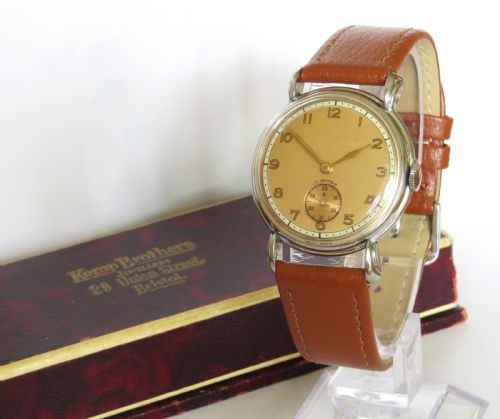
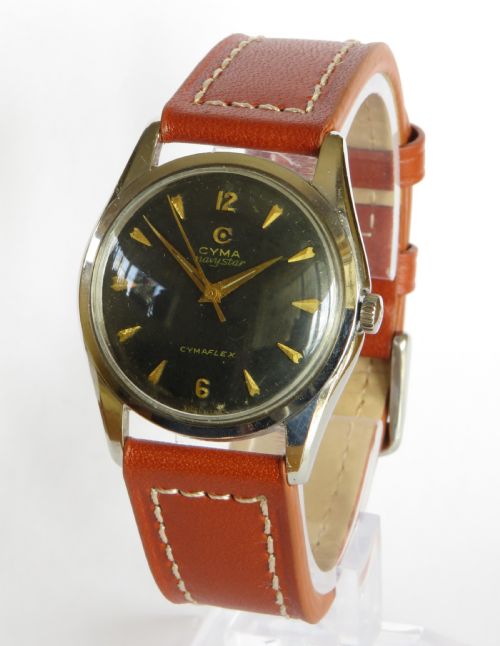
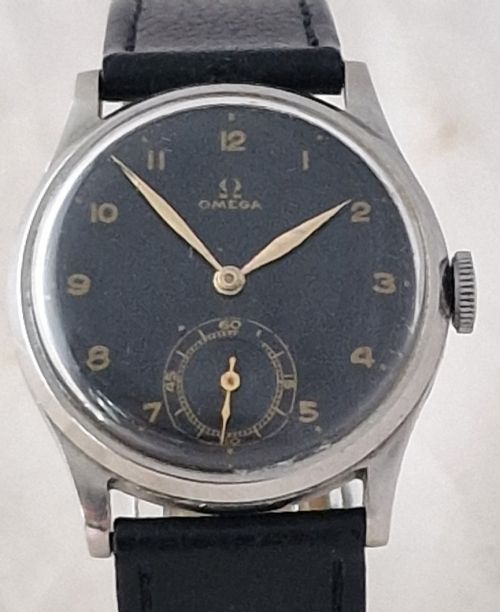
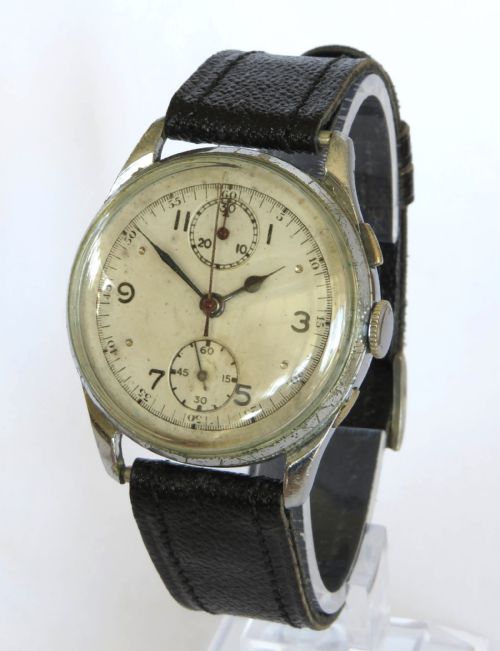

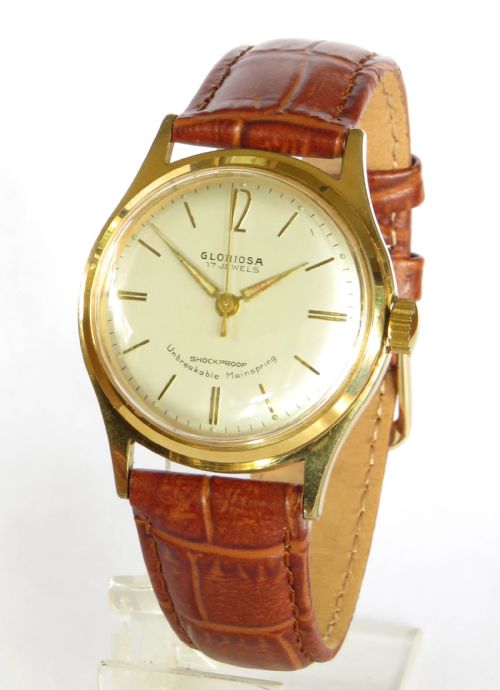
Mechanical Winding Wrist Watch
A mechanical winding wrist watch offers a direct physical connection to mid-century horology through manual daily interaction.
Mechanical Winding Wrist Watch
A mechanical winding wrist watch is a personal timepiece powered by a mainspring that requires regular manual tensioning rather than battery assistance. These items span periods from the 19th century through the 1960s, encompassing Art Deco, Mid-Century Modern, and vintage stylistic influences.
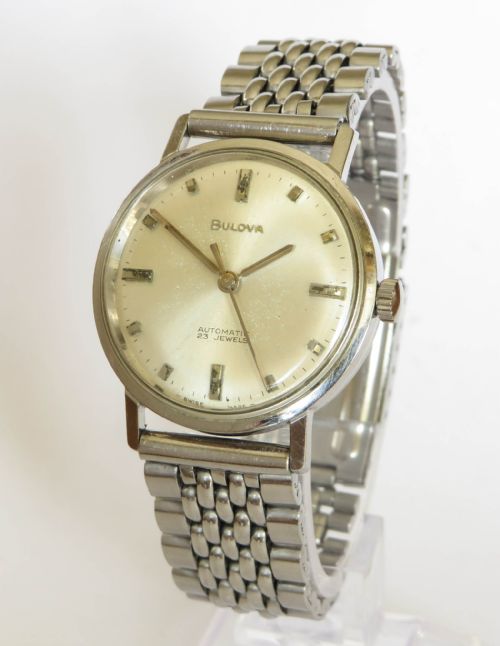
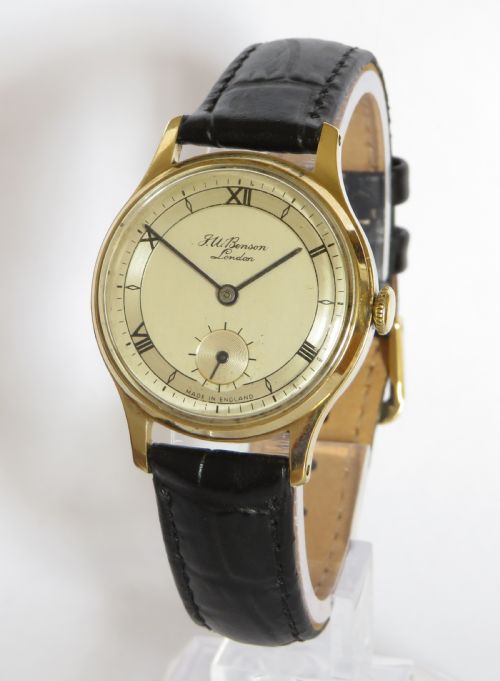
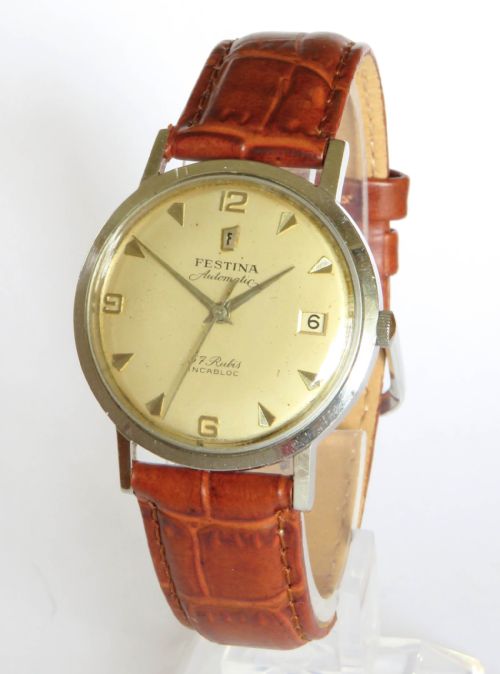
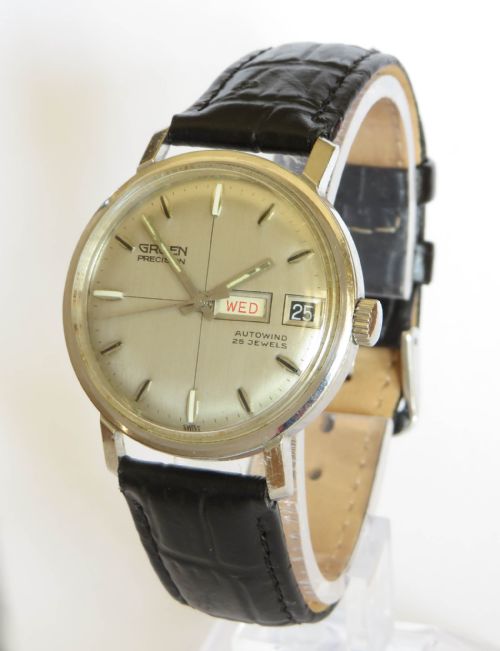
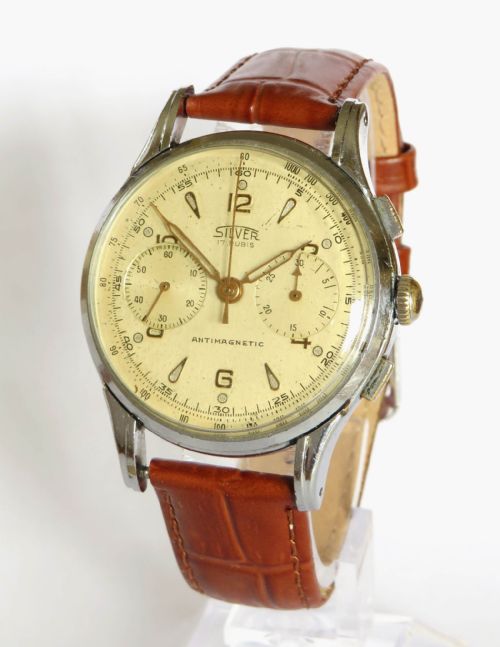
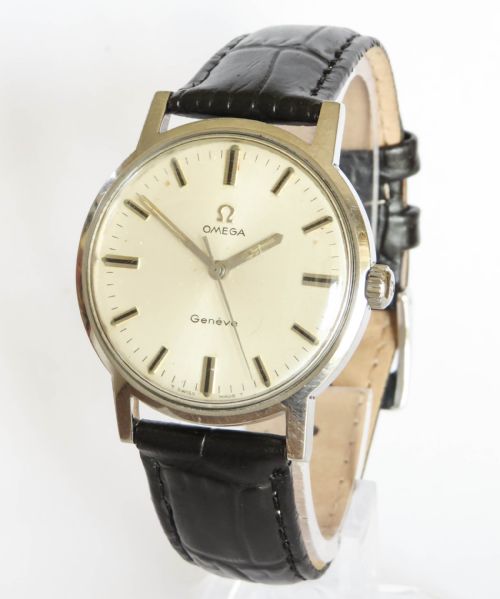
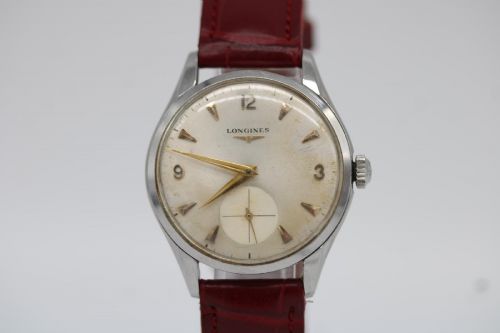
The selections encountered here most frequently include gents wristwatches originating from the 1930s, 1940s, 1950s, and 1960s. Common structural forms incorporate round dials, chronograph functions, and classic leather straps paired with metal cases.
Materials and construction
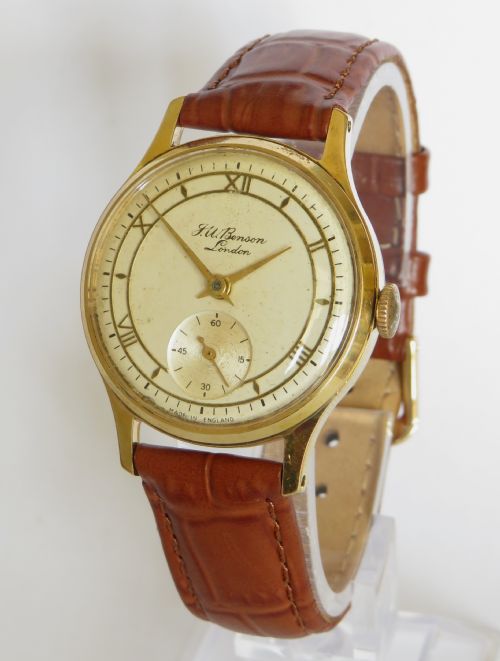
Cases are formed from stainless steel, chrome, gold plate, and solid 9ct gold, housing intricate internal gear trains and escapements. Dials are protected by glass or acrylic and acrylic glass crystals.
Straps utilise leather to secure the watch head to the wrist, while dials display applied markers, numerals, and occasionally chronograph sub-dials. Assembly relies on precision metal components fitted together by horological workshops.
Some watches arrived with smiley dials, adding a cheerful touch to serious mid-century engineering.
Distinctions in standard
The calibre of a mechanical winding wrist watch depends upon the sophistication of its internal movement and the preservation of its external case. Solid gold and branded Swiss movements occupy a different tier from base metal and chrome models.
Originality of dial details and the overall crispness of case edges separate standard utility pieces from examples retaining high collector appeal.
Tudor·Montilier·Cyma·Bulova·Smiths·Festina·Gruen·Antoremi·Omega·Longines·Venus·Seiko·Gloriosa·Enicar·J W Benson·Kered·Certina·Avia·Rotary·Ensign·Lanco·Marvin·Girard Perregaux·Dogma Prima·Invicta
The Mechanical Winding Wrist Watch Glossary
- Calibre
- The specific internal movement model designation given by the manufacturer. This number identifies the exact mechanical architecture powering the watch.
- Chronograph
- A watch equipped with a stopwatch function alongside standard timekeeping. It includes independent sweep hands operated via pushers on the case.
- Acrylic glass
- A lightweight, shatter-resistant plastic material used for watch crystals during the mid-century period. It can be polished to remove surface scratches.
- Manual wind
- A movement powered entirely by turning the crown by hand to tension the mainspring. This differs from self-winding automatic systems driven by wrist movement.
Mechanical Winding Wrist Watch: Frequently Asked Questions
How often should I wind my mechanical watch?
A mechanical winding wrist watch typically requires winding once daily, preferably at the same time each morning, to maintain consistent tension on the mainspring.
Avoid overwinding the crown once resistance is felt, as this can damage the internal spring mechanism.
Are these vintage watches waterproof?
Historic timepieces lack modern waterproof seals and gasket technology, meaning exposure to moisture should be strictly avoided.
Even pieces marked with early water-resistant terminology can suffer internal condensation and rust if submerged.
How do I date a mid-century watch?
Dating relies on movement serial numbers, case back stamps, and stylistic cues such as dial typography and hand shapes from specific decades.
Reference tables for makers like Omega or Longines match movement serials to production years.
Can I wear a vintage watch daily?
Regular daily wear is suitable provided the watch has received recent mechanical servicing and lacks severe case wear.
Care must be taken to shield older acrylic crystals and non-waterproof cases from knocks and wet conditions.