


Mechanical Winding Clock
A mechanical winding clock brings a living rhythm to a room through traditional springs and escapements.
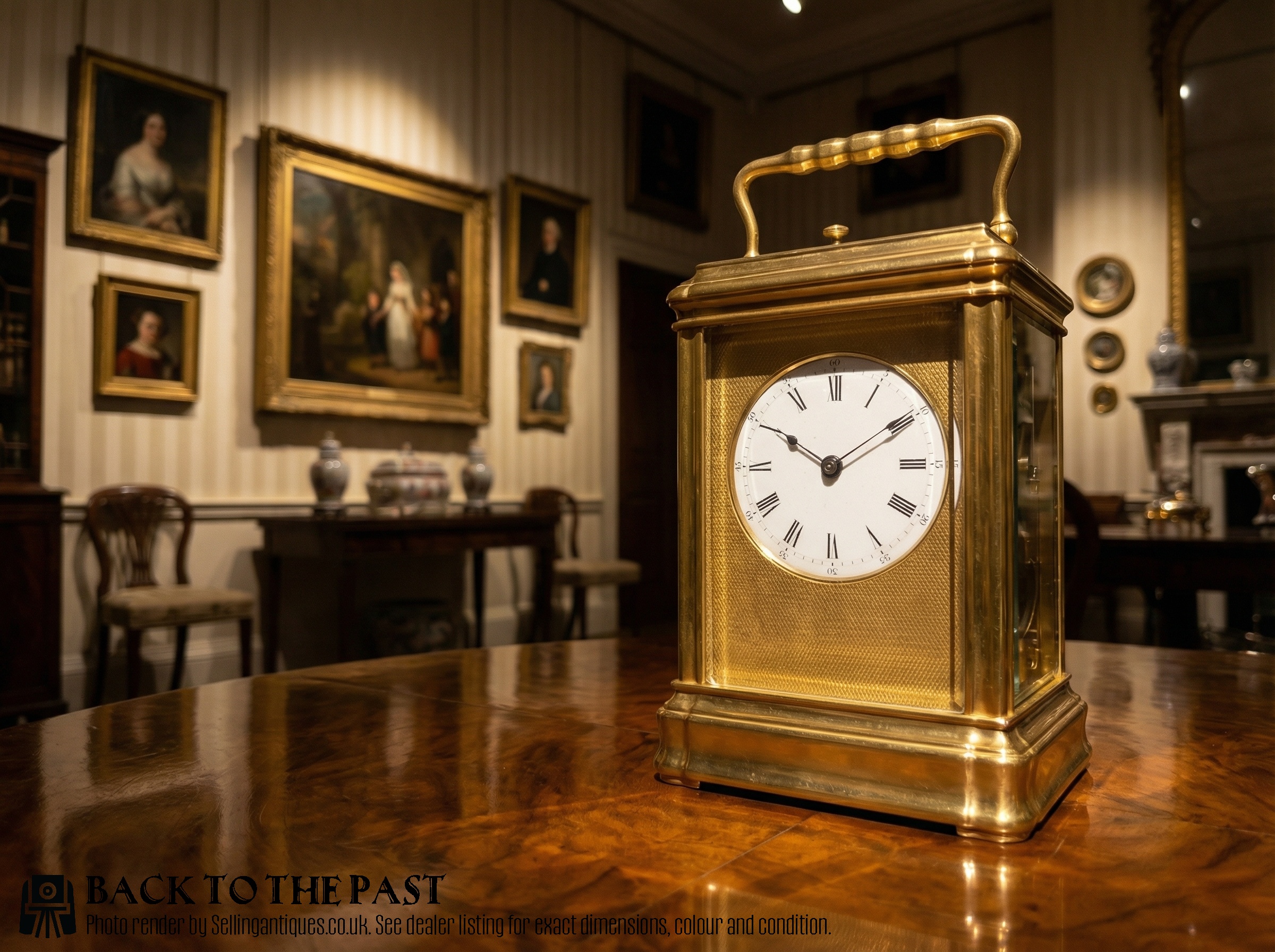
Mechanical Winding Clock
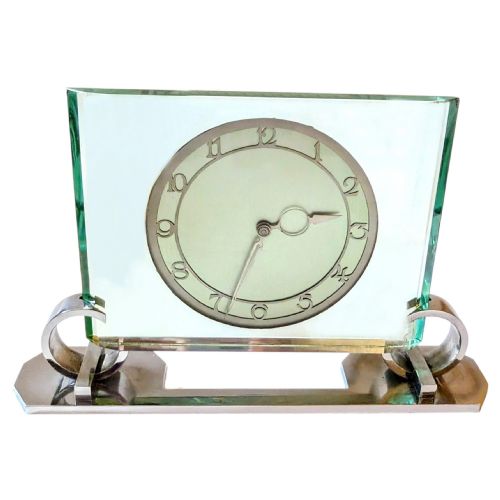
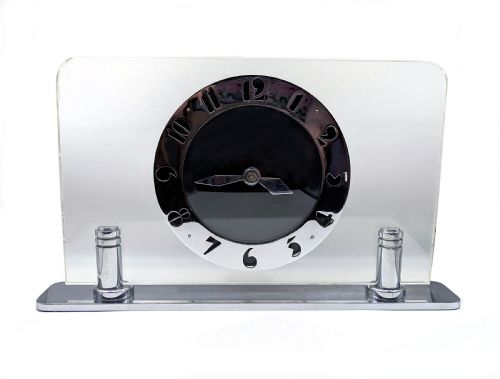
A mechanical winding clock encompasses various timepieces powered by mainsprings rather than electricity, requiring manual winding to sustain their movement. The selection spans robust bracket clocks, heavy carriage designs, and streamlined Art Deco models.
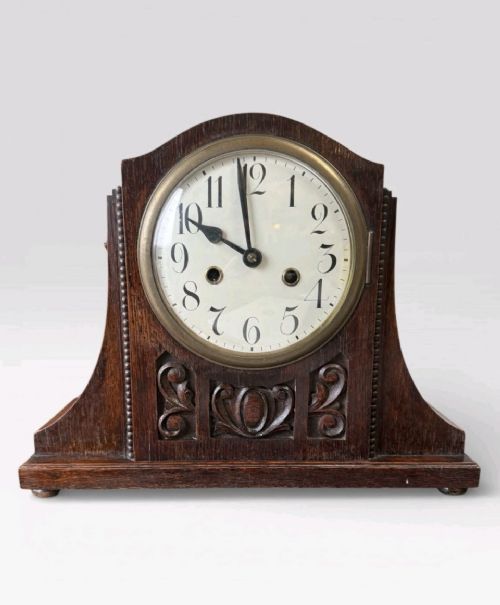
Carriage clocks in brass cases appear frequently across the periods, alongside wooden mantel clocks in oak, walnut, and mahogany. Buyers encounter pieces originating from Victorian workshops, French makers, and mid-century German production.
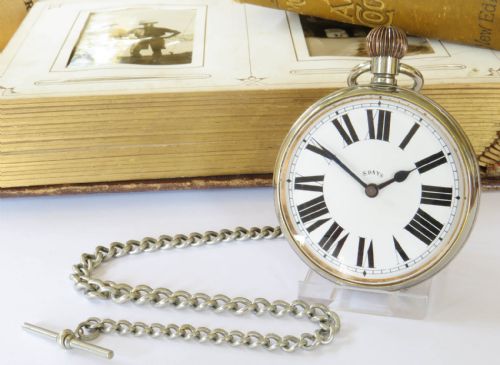
The assortment includes portable pocket watches and desk models alongside domestic wall and table clocks. Each piece relies on manual mechanical power, distinguishing it from later battery or electric alternatives.
Quality variations
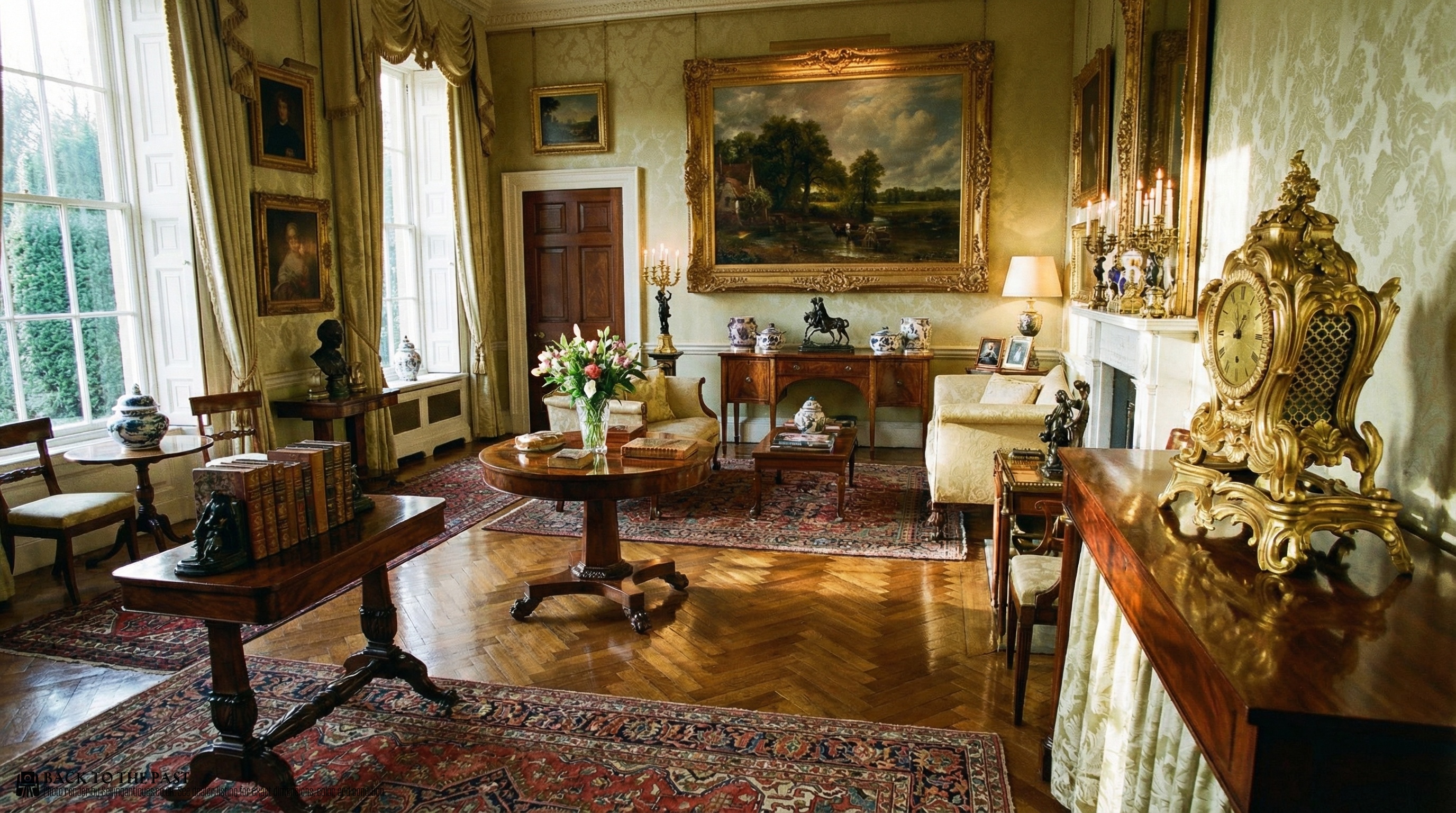
Distinction across the range lies in the complexity of the internal movement and the finish of the case. Simpler time-only models sit below complicated pieces featuring repeaters, alarm mechanisms, or moon phase displays.
Heavier brass castings, finely bevelled glass panels, and signed plates from established makers elevate a piece above standard commercial production. The crispness of the exterior metal detailing and the solidity of the timber housing indicate the tier of manufacture.
Mechanical Winding Clock Retail Price Guide 2026
Typical asking prices for mechanical winding clock among the pieces listed under this phrase on Sellingantiques today, from the lower quarter to the upper quarter. They describe what is for sale here now, not the wider market.
Listings feature movements housed in brass, glass, oak, walnut, and mahogany, spanning periods from the nineteenth century through the 1960s.

Smiths Clockmakers·L Epee·Mappin and Webb·Jaeger LeCoultre·Kienzle
The Mechanical Winding Clock Glossary
- Carriage clock
- A portable, spring-driven timekeeper originally designed for travelling, typically housed in a brass frame with glass panels.
- Fusee
- A conical pulley used in better clocks to maintain equal force on the gear train as the mainspring unwinds.
- Repeater
- A mechanism that chimes the hours and quarters on demand when a lever or button is pressed.
- Bracket clock
- A traditional table or shelf clock, historically placed upon a wall bracket.
- Escapement
- The mechanism that controls the release of power from the gear train to regulate the movement.
Mechanical Winding Clock: Frequently Asked Questions
How often should I wind my clock?
Most traditional spring-driven timepieces require winding once every week or eight days to maintain continuous operation. Some desk and travel models function on shorter daily or thirty-hour cycles depending on the size of the mainspring barrel.
Overwinding can damage the internal mechanism, so care is taken to stop winding the moment resistance is felt on the key.
Where should I place a carriage clock?
Carriage clocks suit stable, level surfaces such as mantelpieces, desks, or occasional tables away from direct sunlight and draughts. Because they rely on a delicate balance wheel and escapement, a firm foundation ensures the beat remains even.
Placing them at eye level allows the glazed panels to catch the light and reveals the inner movement clearly.
How do I distinguish a Victorian carriage clock?
Victorian carriage clocks typically feature heavy cast brass frames with bevelled glass viewing panels and white enamel dials. Their proportions tend to be robust, housing traditional mechanical lever escapements designed for reliability.
Signatures or retailer marks often appear engraved on the backplate or dial face.
What is an eight-day movement?
An eight-day movement runs for slightly over a week on a single full wind, offering convenience by reducing the frequency of adjustment. This specification appears frequently in better quality bracket clocks and carriage clocks.
It requires a longer mainspring or a more efficient gear train than standard thirty-hour timepieces.