

Mechanical Wind Wrist Watch
A mechanical wind wrist watch is a traditional timepiece driven by a mainspring that a wearer winds by hand.
Mechanical Wind Wrist Watch
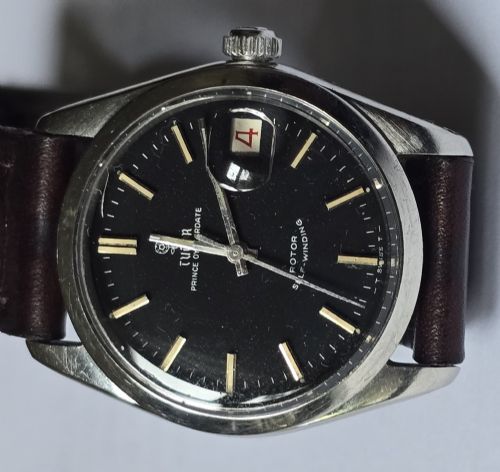
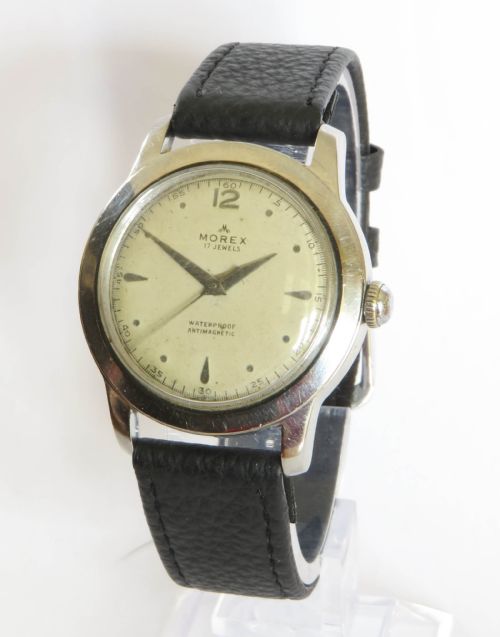
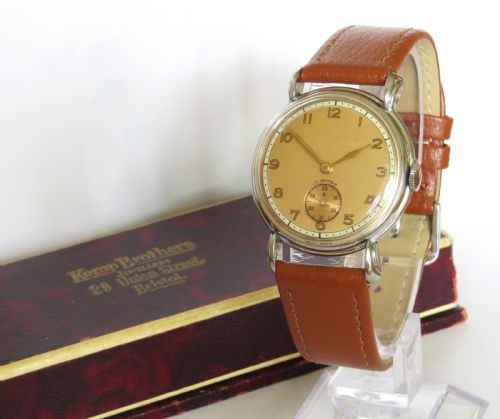
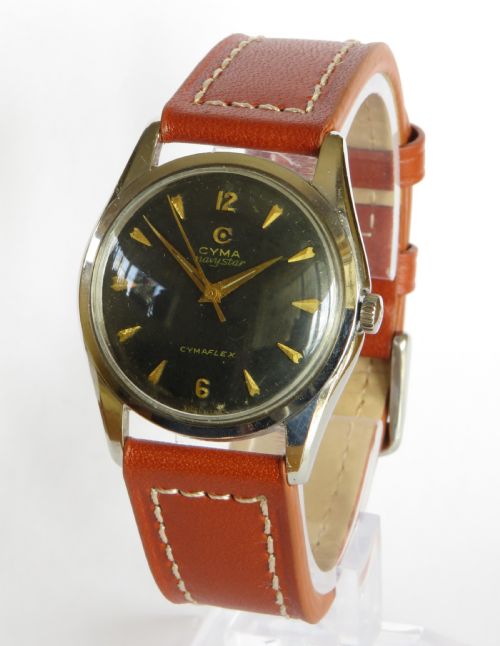
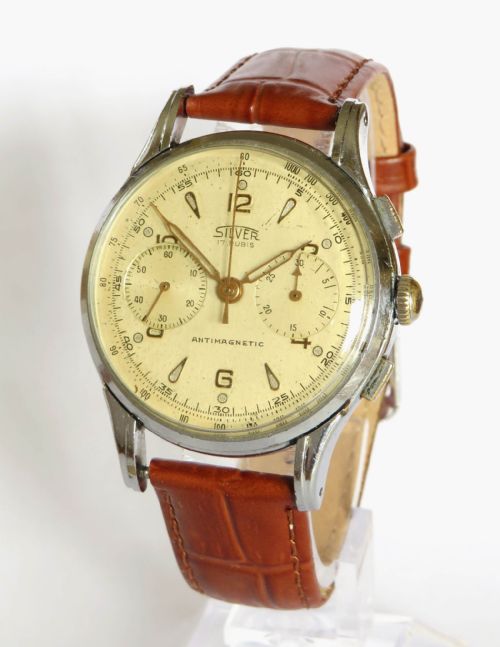
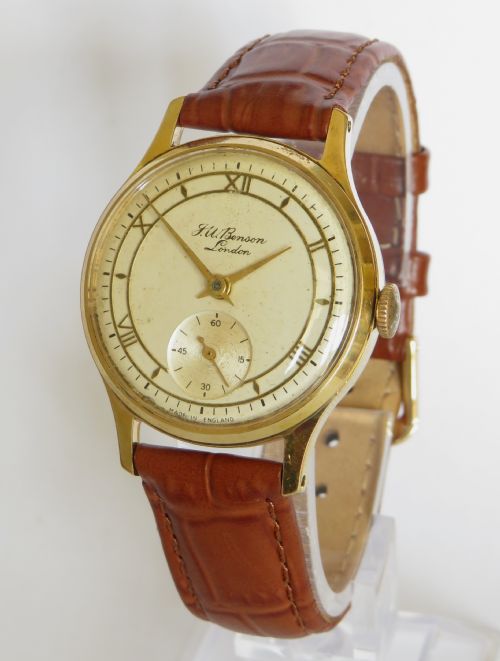
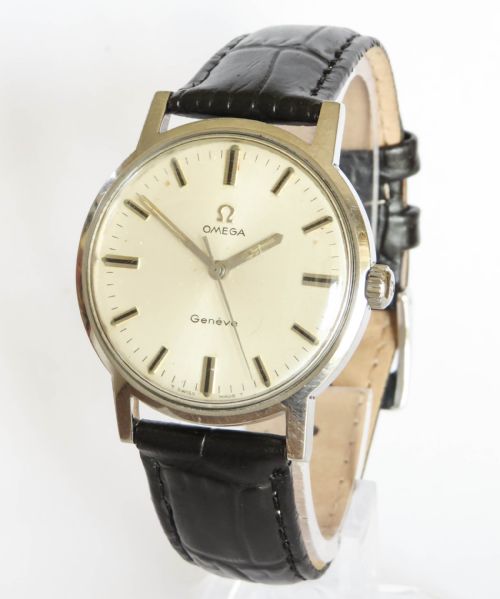
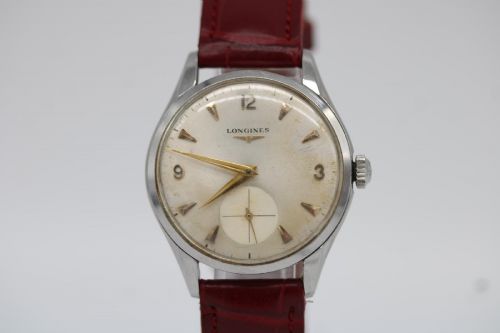
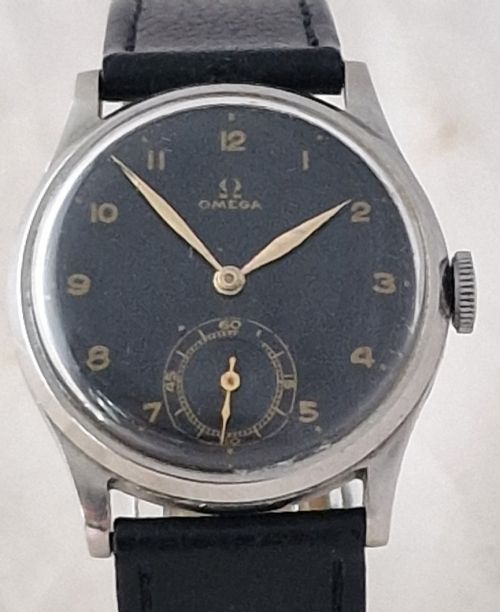
A mechanical wind wrist watch is a portable timepiece designed to be worn on the arm, driven by an internal spring that requires manual winding. These items appear primarily as gents wristwatches originating from the 1930s, 1940s, 1950s, 1960s, and later periods.
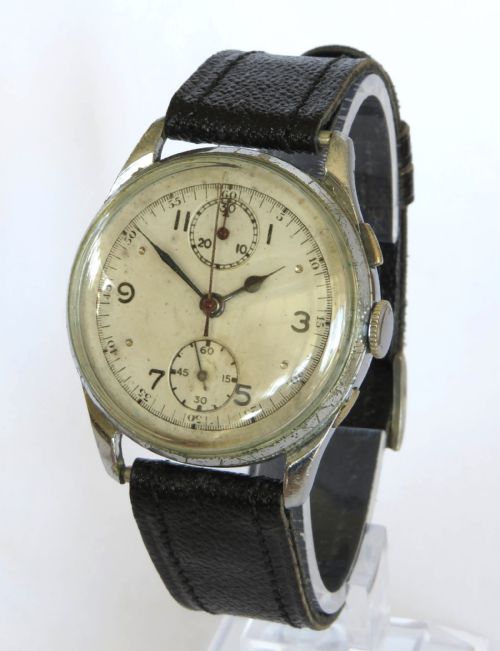
The selections available range from simple dress watches to complex chronographs and date models. Buyers most frequently encounter mid-century Swiss and British specimens featuring circular dials, sub-seconds, or centre seconds.
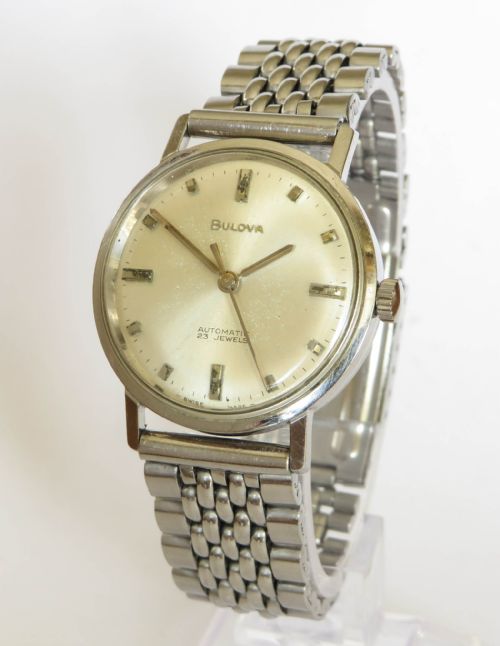
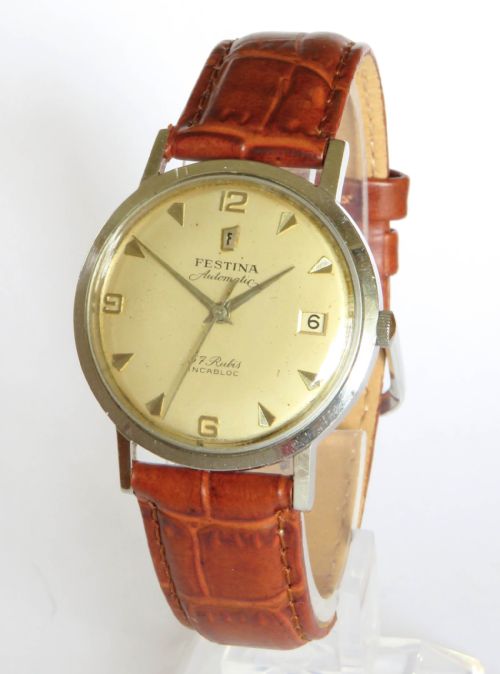
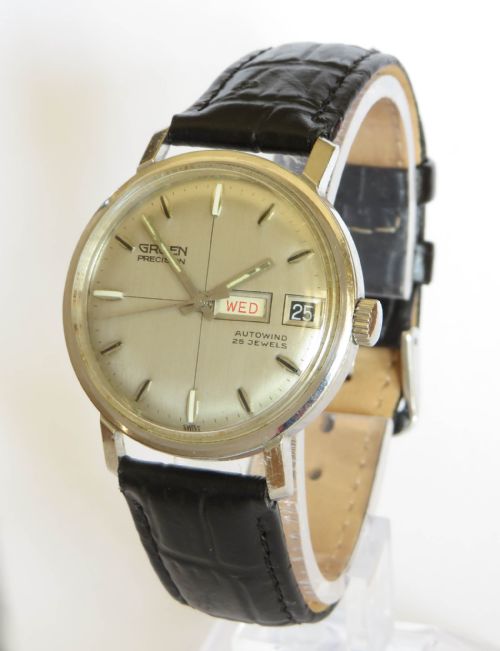
Makers represented span Swiss workshops, British makers such as Smiths, and American firms like Elgin and Bulova. Styles lean towards Art Deco, Mid-Century Modern, and vintage utility designs from the post-war decades.
How they were made
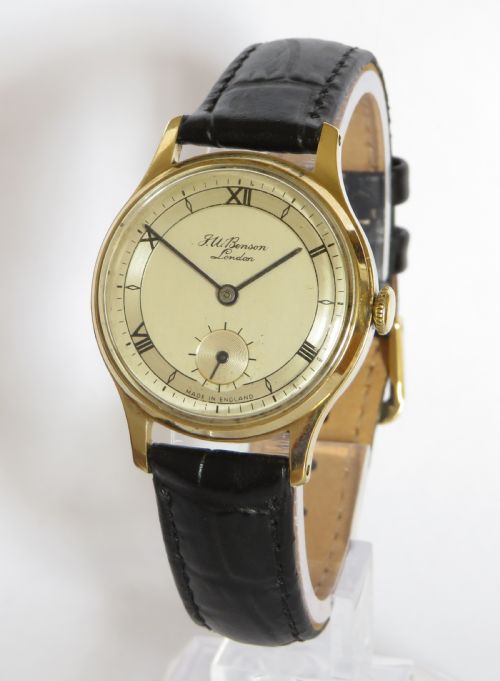
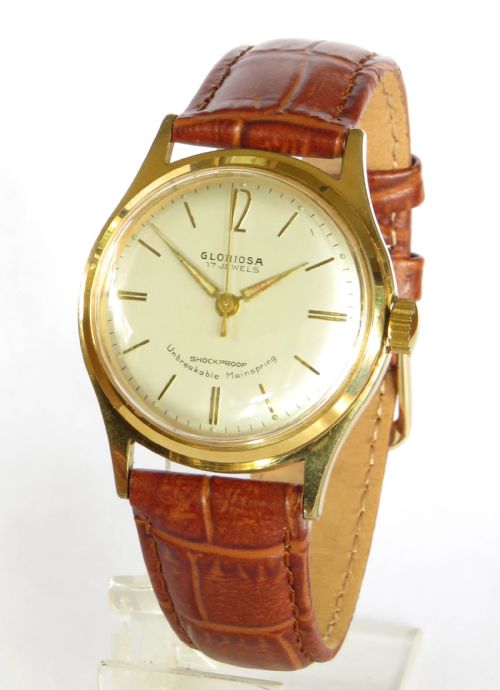
Cases are formed from solid 9ct gold, gold plate, stainless steel, chrome, or polished base metals, enclosing delicate mechanical movements made of brass and steel components. Dials display painted or applied markers, protected by clear glass or acrylic glass crystals.
Straps utilise traditional leather fastened with metal buckles, matching the period aesthetic of the watch head. Movements rely on jewelled pivots to reduce friction in the gear train, regulated by a hairspring and balance wheel.
Listings feature items spanning the 1930s to the 1970s, constructed in stainless steel, gold plate, and solid 9ct gold.
What varies in quality
Quality depends upon the grade and finish of the internal movement, from basic pin-pallet calibres to finely adjusted multi-jewel mechanisms. The precision of the gear train and the stability of the escapement dictate how accurately the piece keeps time.
External execution also separates standard production from superior examples, visible in the sharpness of case lines, the purity of precious metals like solid 9ct gold, and the preservation of original dials.
Tudor·Montilier·Cyma·Bulova·Smiths·Festina·Gruen·Antoremi·Omega·Longines·Venus·Seiko·Gloriosa·Enicar·Kered·Certina·Avia·Rotary·Ensign·Lanco·Marvin·Girard Perregaux·Dogma Prima·Invicta·Felca
The Mechanical Wind Wrist Watch Glossary
- Calibre
- Calibre. The specific manufacturer's model designation for a watch movement, denoting its internal architecture and dimensions.
- Chronograph
- Chronograph. A watch equipped with a stopwatch function, allowing the measurement of elapsed time via independent sweep hands.
- Manual Wind
- Manual Wind. A mechanical movement powered by tension stored in the mainspring through regular hand rotation of the crown.
- Acrylic Glass
- Acrylic Glass. A lightweight, shatter-resistant form of plastic used for watch crystals during the mid-twentieth century.
- Jewel
- Jewel. Synthetic ruby or sapphire bearings fitted into movement pivot holes to minimise friction and wear.
Mechanical Wind Wrist Watch: Frequently Asked Questions
How often should I wind my watch?
A manual wind watch requires tensioning once a day, ideally in the morning, by turning the crown until resistance is felt.
Avoid over-winding the mechanism, as forcing the crown past the stopping point can damage the mainspring.
Are these watches water resistant?
Vintage mechanical timepieces lack modern rubber gaskets and screw-down crowns, making them vulnerable to moisture.
Keep them away from swimming, showers, and heavy rain to protect the dial and movement from corrosion.
How do I tell the decade of a watch?
Stylistic cues such as dial fonts, case shapes, and hand designs often point to specific eras like the 1940s or 1960s.
Opening the case back to check movement serial numbers against manufacturer production records provides a precise date.
Can I wear a vintage watch daily?
Many collectors wear these pieces daily, provided the movement receives regular servicing by a qualified horologist.
Gentle care and keeping the watch away from strong magnetic fields ensure reliable performance during everyday use.