

Mechanical Pocket Timepiece
A mechanical pocket timepiece brings pocket-watch precision from the Victorian era to the mid-century directly to your waistcoat.
Mechanical Pocket Timepiece
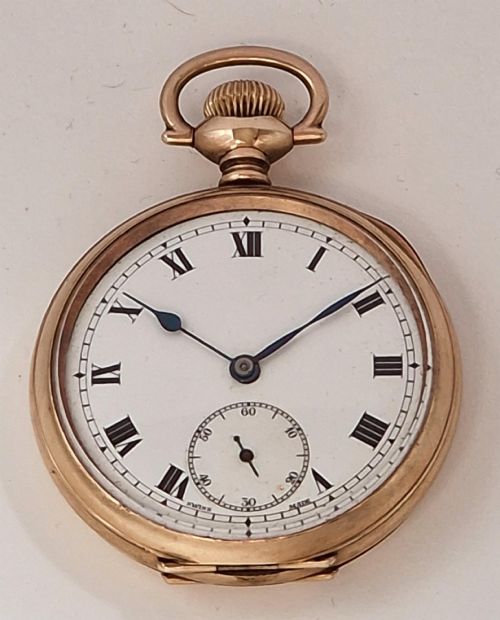
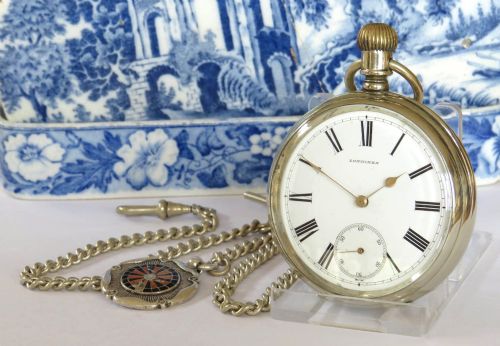
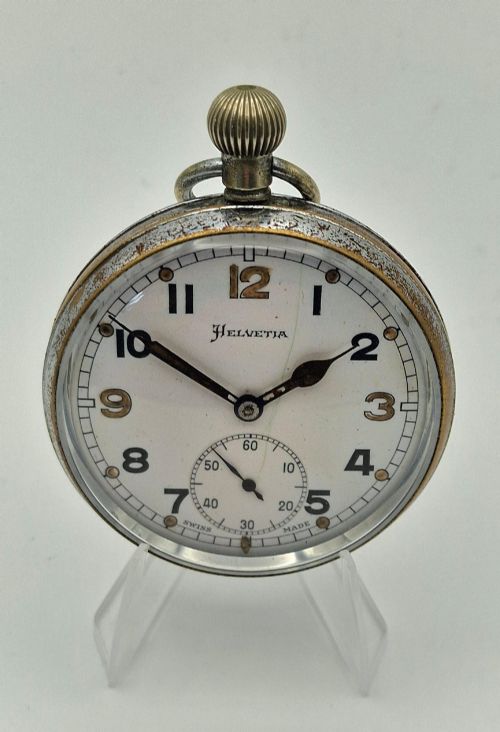
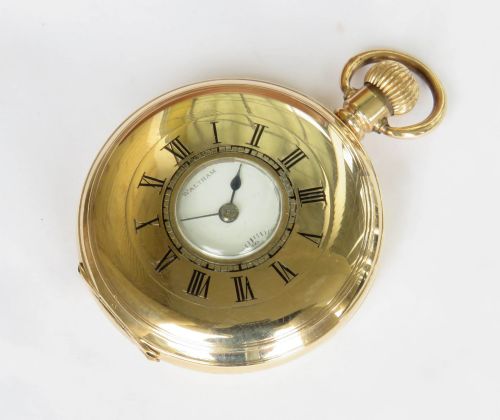
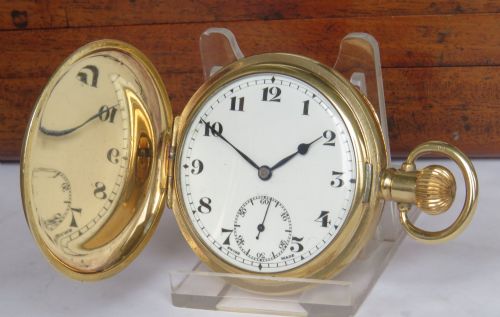
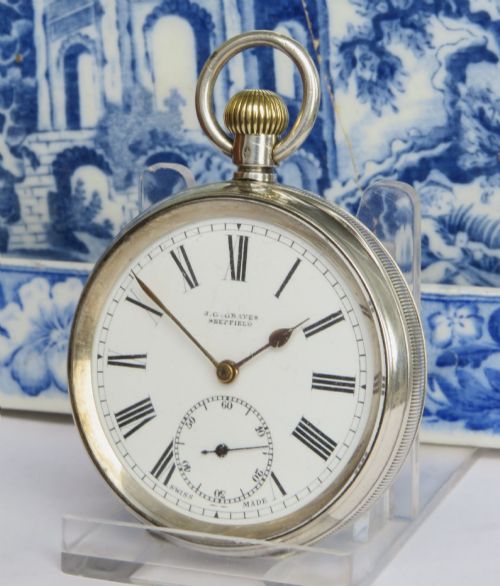
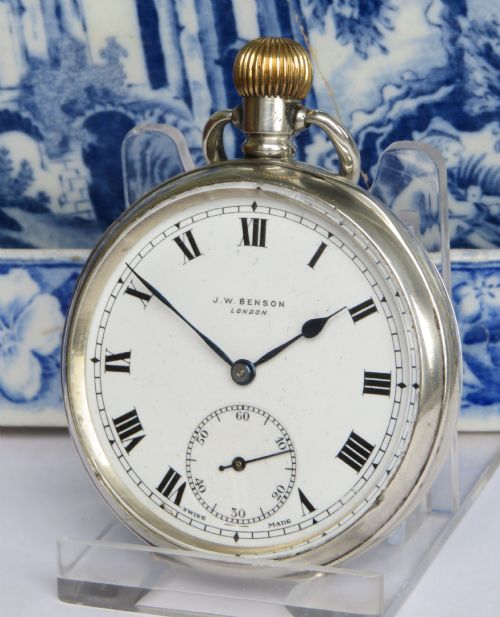
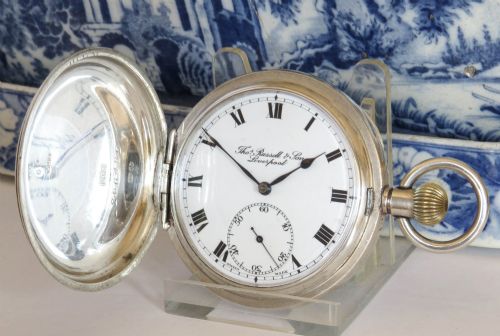
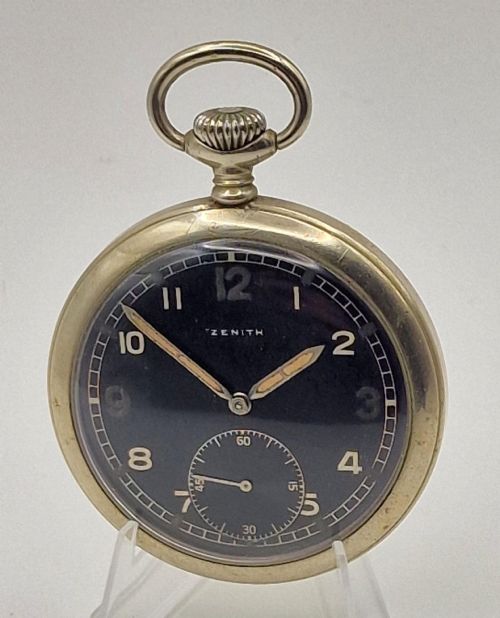
A mechanical pocket timepiece represents portable horology spanning the Victorian period through the Edwardian era, the 1920s, 1930s, and 1940s. When you browse this selection, you encounter pocket watches and hunter models designed for daily carry, railways, and military service.
The pieces on this page originate from diverse makers and towns, including railway editions and World War military issues. You find items spanning from the late nineteenth century to mid-century military pieces without archive sales history to compare against.
Materials and construction
Movements rely on mechanical gear assemblies, ranging from standard pocket watch calibres to complex fusee mechanisms and eight-day power reserves.
Mechanical Pocket Timepiece Retail Price Guide 2026
Typical asking prices for mechanical pocket timepiece among the pieces listed under this phrase on Sellingantiques today, from the lower quarter to the upper quarter. They describe what is for sale here now, not the wider market.
Listings span the Victorian period, Edwardian era, 1920s, 1930s, and 1940s, featuring materials from base nickel and brass to sterling silver and eighteen-karat gold.
Assessing quality in pocket timepieces
Quality shows in the refinement of the movement and the provenance of the maker, such as specialised railway editions or military chronograph issues. Higher grade examples feature superior metal selection in the case, including solid silver or eighteen-karat gold, alongside precision engineering in the gear train.
The clarity of the enamel dial and the presence of associated chains or fobs further distinguish standard utilitarian pocket watches from important signed pieces.
J W Benson·Waltham·Buren·Zenith·Elgin·Cortebert·Vertex·Grana·Kendal & Dent·Allion of Versailles·Revue·Thomas Russell and Son·Tavannes·New York Standard·Omega·Octava·R Stewart Glasgow·Lange and Sohne
The Mechanical Pocket Timepiece Glossary
- Full hunter
- A pocket watch featuring a spring-loaded metal cover that protects the glass dial. This outer case must be opened via a button to read the time.
- Half hunter
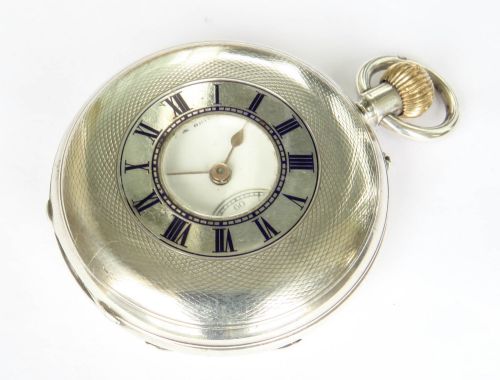
- A pocket watch case with a small glass-panelled aperture in the outer cover. This allows you to view the hands without fully opening the case.
- Fusee
- A conical pulley connected to the mainspring by a chain or cord. This mechanism equalises the torque of the mainspring as it unwinds to maintain steady timekeeping.
- Chronograph
- A watch equipped with a stopwatch function alongside standard timekeeping. Such models often feature independent sweep seconds hands.
- Enamel
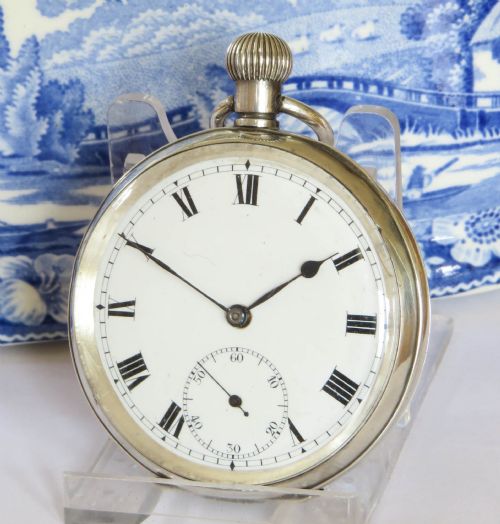
- A glassy substance fused to metal under high heat to form the dial surface. It provides a smooth, durable background for painted numerals and markings.
Mechanical Pocket Timepiece: Frequently Asked Questions
How do I wind a mechanical pocket timepiece?
Wind the crown at the top of the watch gently clockwise until you feel resistance. Stop immediately at that point to avoid overwinding and damaging the internal mainspring.
Many older pieces require daily winding to maintain their power reserve. Refer to the specific movement type, such as standard or eight-day varieties, to understand your watch schedule.
What is the difference between a hunter and an open face watch?
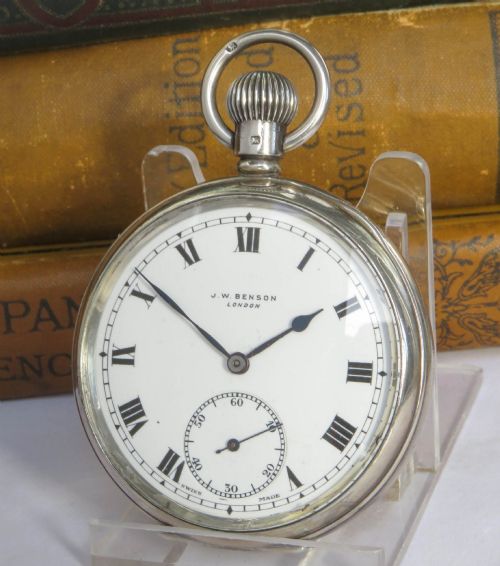
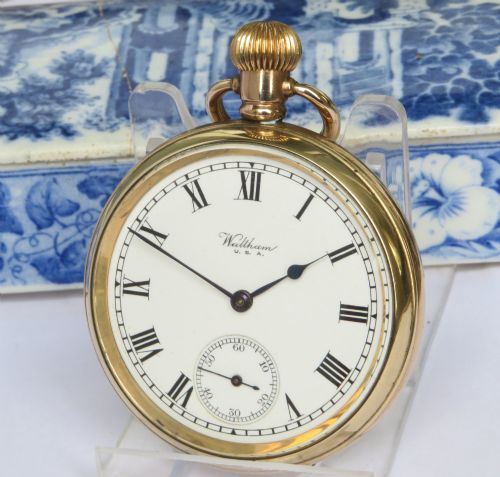
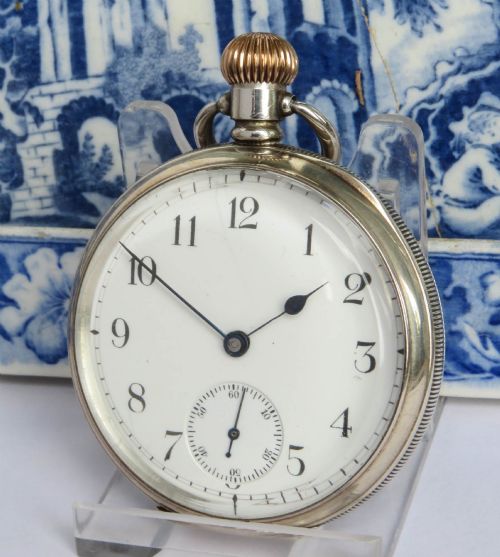
An open face pocket watch displays the glass and dial directly without any protective metal cover in front. This style allows for quick time checking at a glance.
Conversely, a hunter model includes a hinged metal lid that shields the crystal from scratches and impacts. You press the crown button to pop this lid open.
Can I wear a pocket watch daily?
You can carry a mechanical pocket timepiece daily by securing it with a proper chain or fob attached to your waistcoat or belt loop. Ensure the watch rests safely inside a dedicated pocket to prevent drops.
Keep the piece away from strong magnetic fields and moisture. Periodic professional servicing keeps the internal mechanical gears running smoothly.
How are military pocket watches different?
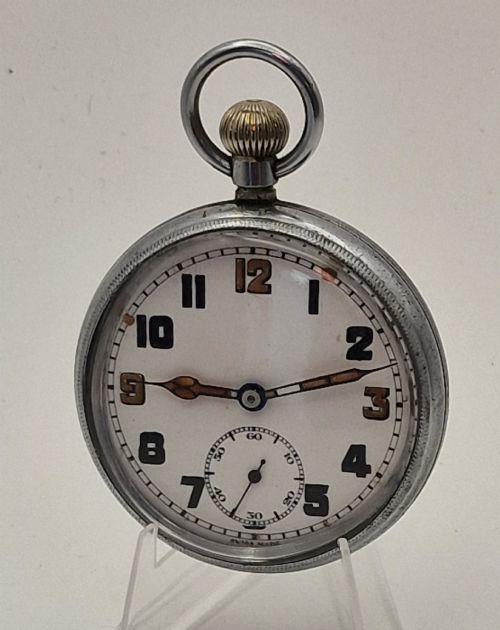
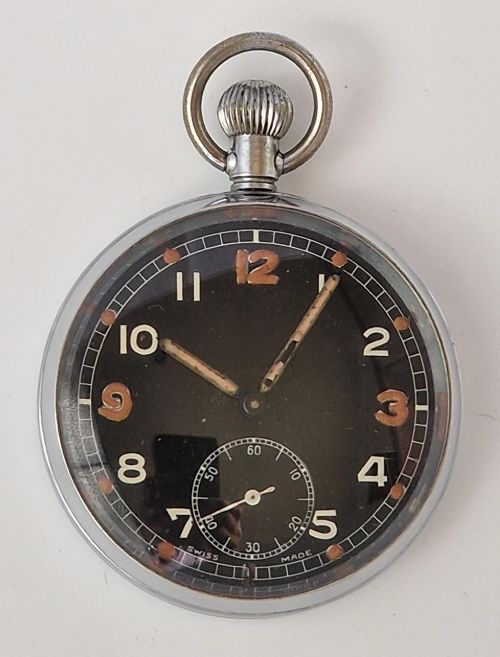
Military pocket timepieces from periods such as the Second World War feature high legibility dials designed for service use. They often bear government or military issue markings on the reverse case.
These models prioritise robust steel or nickel cases over decorative precious metals. Their movements were built to withstand demanding field conditions.