



Gentlemans Fob Watch
A gentlemans fob watch brings mechanical precision and understated elegance to the waistcoat pocket, offering a tangible connection to early timekeeping traditions.
Gentlemans Fob Watch
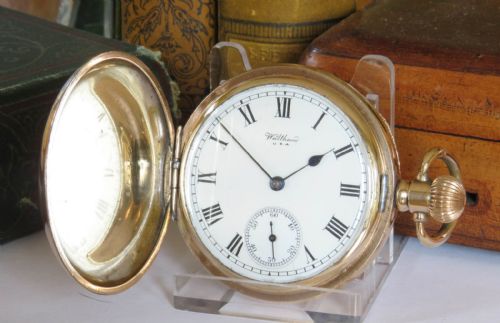
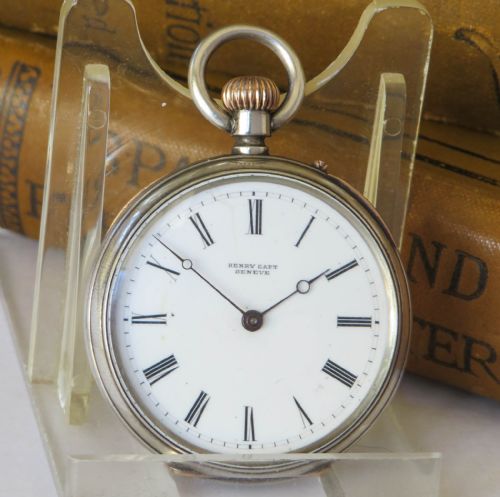
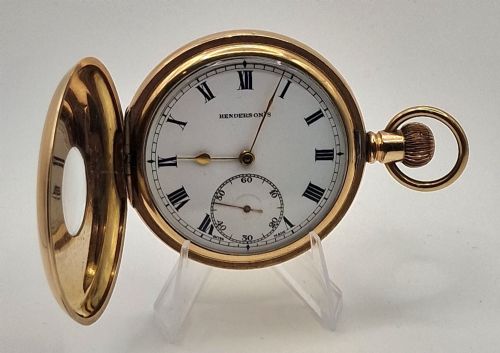
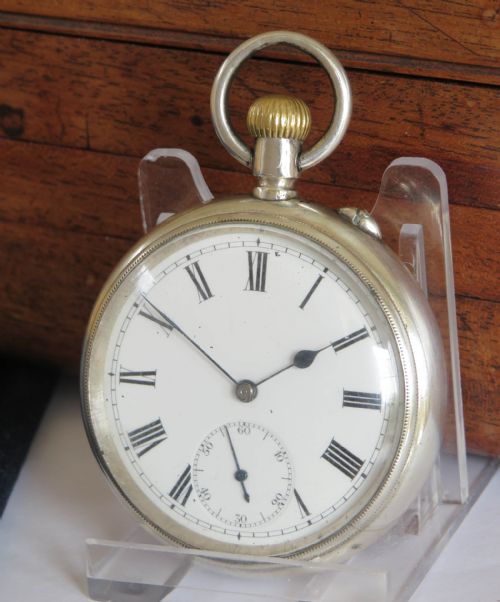
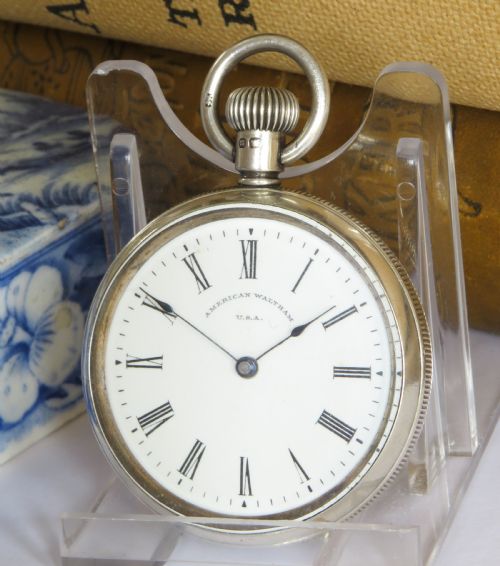
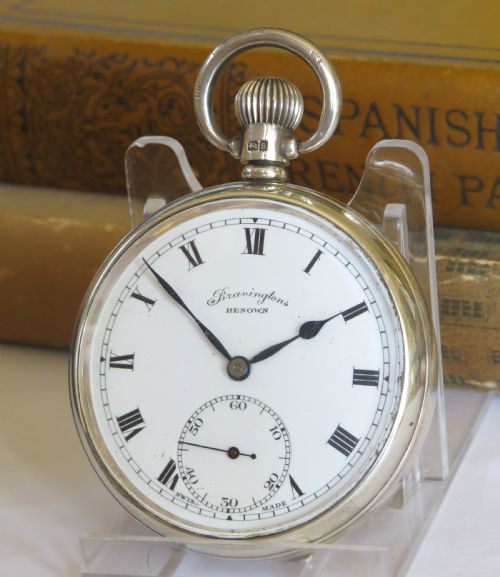
A gentlemans fob watch is a portable timepiece designed to be carried in a pocket and secured with a chain or ribbon. The selections seen here span the Victorian era through the 1940s, encompassing both open-faced designs and half hunter models.
Buyers will most frequently encounter pieces dating from the late nineteenth century and the early decades of the twentieth century. These pocket watches often incorporate decorative elements characteristic of Edwardian taste and Art Deco geometry.
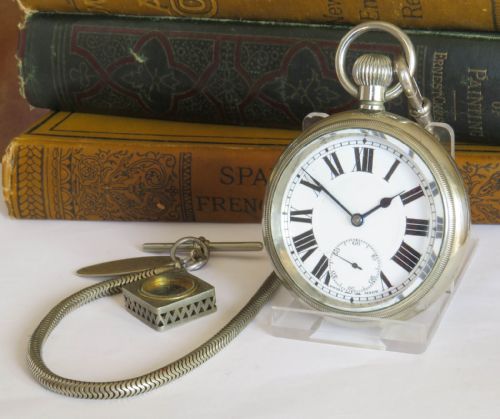
The forms range from simple open-faced silver watch cases to complex pieces accompanied by albert chains, compasses, and fobs. Each object represents the portable horology commonly carried during these historical periods.
Materials and construction
The construction of these timepieces relies heavily on precious metals, including silver, gold, and gold plate, alongside brass and steel components. Cases frequently feature engine-turned patterns or smooth polished surfaces designed to withstand daily wear in the pocket.
Dials are typically protected by glass and accented with enamel details for markings and numerals. Specialised watchmakers utilised precision mechanical movements housed within these metal and glass structures to ensure accurate timekeeping.
Gentlemans Fob Watch Retail Price Guide 2026
Typical asking prices for gentlemans fob watch among the pieces listed under this phrase on Sellingantiques today, from the lower quarter to the upper quarter. They describe what is for sale here now, not the wider market.
Evaluating quality and craftsmanship
Quality in a gentlemans fob watch rests upon the sophistication of its movement and the integrity of its case materials, such as solid gold versus gold plate or silver. Finer examples display meticulous engine-turning, crisp enamel work, and signed movements from esteemed makers.
The presence of original associated pieces, such as albert chains and compass fobs, elevates the completeness of the object. Superior craftsmanship is further evidenced by the precision of the inner mechanical components and the crispness of the exterior detailing.
Stauffer·Waltham·Bravingtons Renown·Nirvana International·Baume And Co·Tiffany And Co Geneva
The Gentlemans Fob Watch Glossary
- Half Hunter
- A pocket watch with a case featuring a glass panel or aperture in the front cover, allowing the user to read the time without opening the case completely.
- Open Faced
- A pocket watch design that lacks a protective metal cover over the dial, exposing the glass and hands directly.
- Albert Chain
- A short chain attached to a pocket watch, designed to secure the timepiece to a waistcoat buttonhole or pocket.
- Engine Turned
- A decorative mechanical technique used to engrave intricate geometric patterns into metal case surfaces.
- Enamel
- A glassy substance fused to metal surfaces under high heat to create smooth, durable coloured dials and markings.
Gentlemans Fob Watch: Frequently Asked Questions
How do I wear a gentlemans fob watch?
These watches are traditionally secured to a waistcoat or jacket pocket using an albert chain attached to a buttonhole. The watch sits neatly in the pocket while the chain drapes across the front.
Modern wearers often attach the chain to a belt loop or trouser pocket when wearing contemporary clothing without a waistcoat.
How do I wind a vintage pocket watch?
Most pieces from the Victorian and twentieth-century periods are wound manually via the crown at the top of the case. Turn the crown gently until you feel resistance, taking care not to overwind the mainspring.
Consistent daily winding at the same time helps maintain steady tension within the mechanical movement for reliable timekeeping.
What materials were commonly used for these watch cases?
Watch cases were manufactured from a range of metals depending on the grade and intended cost of the timepiece. Sterling silver and various carats of gold were chosen for finer pieces, alongside gold plate, brass, and steel.
Enamel and glass were incorporated into the dials and covers to provide legible markings and protection for the delicate hands.