
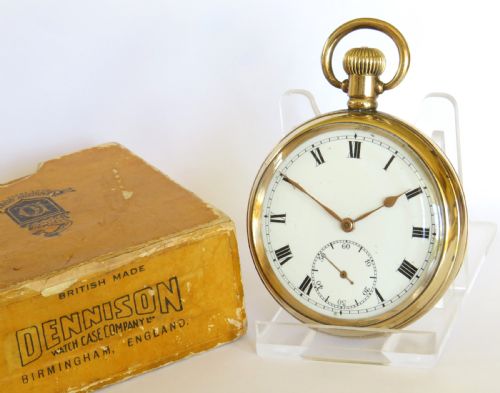
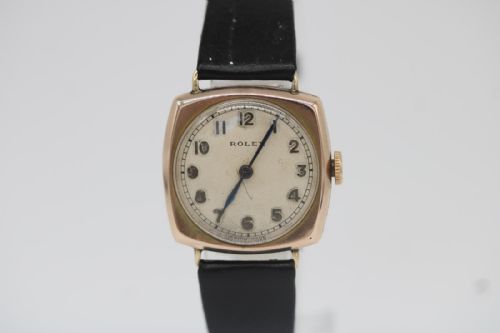


Gold Casing Watch
When you handle a gold casing watch, you touch a century of precision mechanics housed in precious metal.
Gold Casing Watch
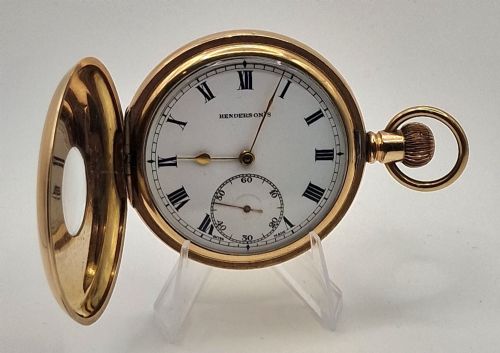
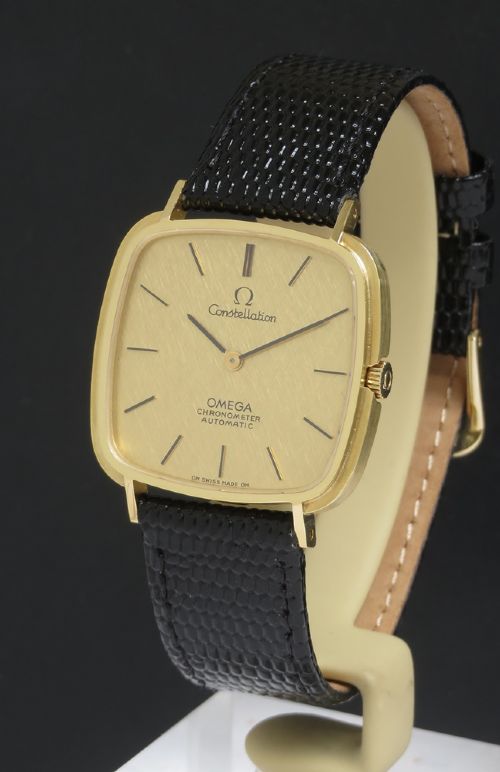
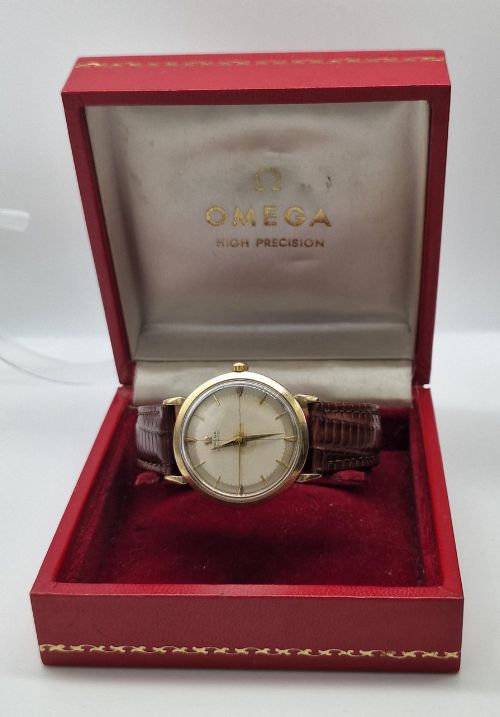
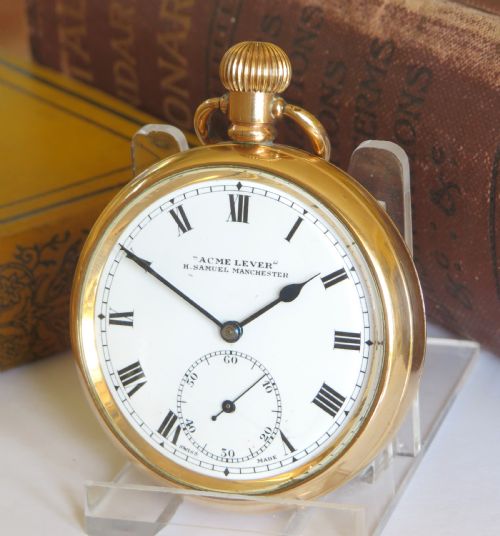
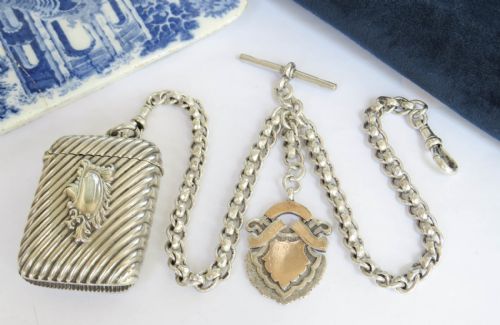
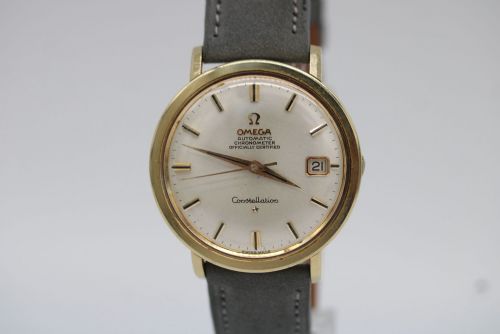
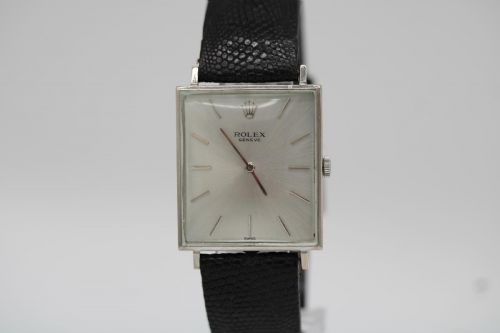
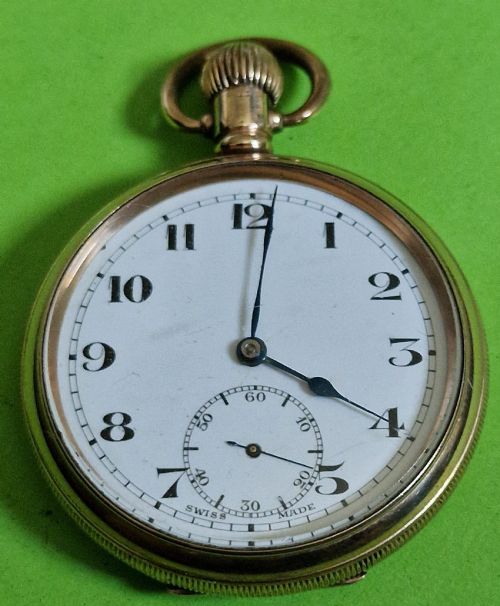
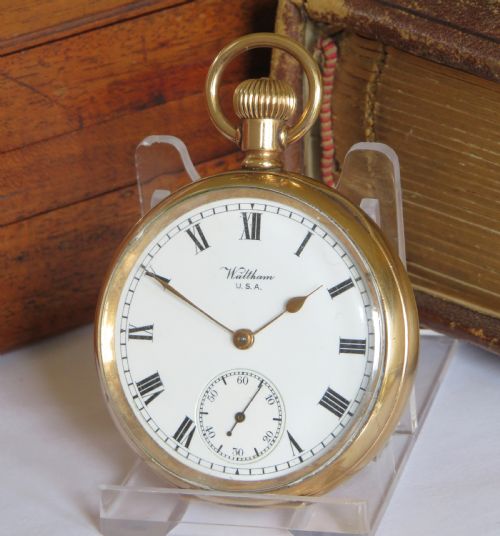
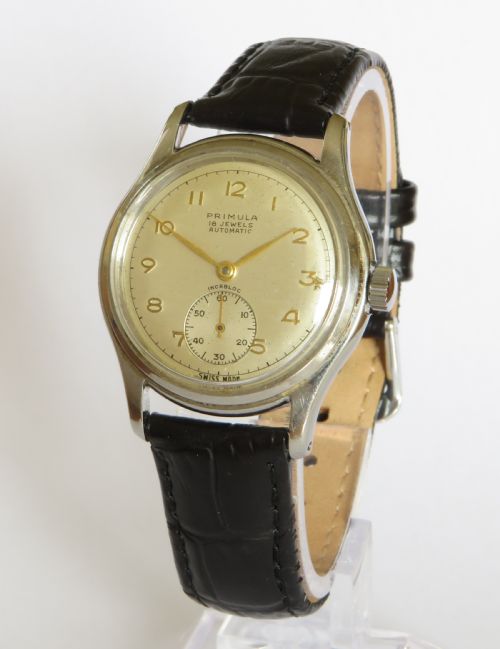
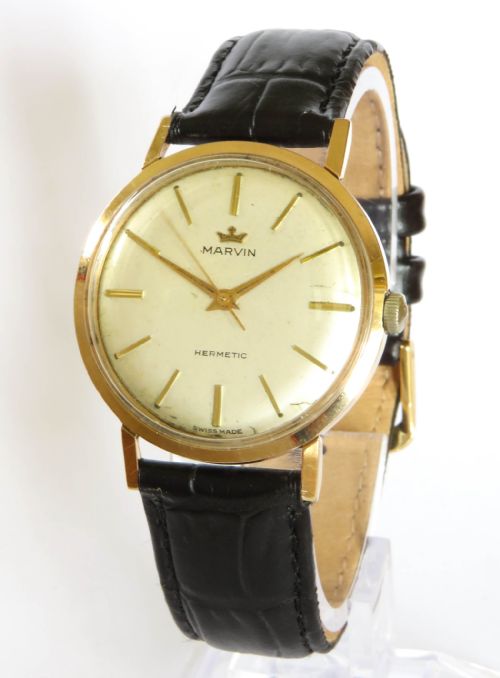
A gold casing watch encompasses both pocket watches and wristwatches spanning from the 18th century through the mid-20th century. Buyers searching for a gold casing watch encounter a diverse selection ranging from Victorian pocket watches to Art Deco and Mid-Century Modern wristwatches.
The objects on this page bridge utilitarian timekeeping and personal adornment, featuring materials from solid 18ct gold to gold plate alongside glass, leather, and enamel. Pieces arrive in various forms, including full hunter pocket watches, open-faced designs, and chronographs produced across multiple decades.
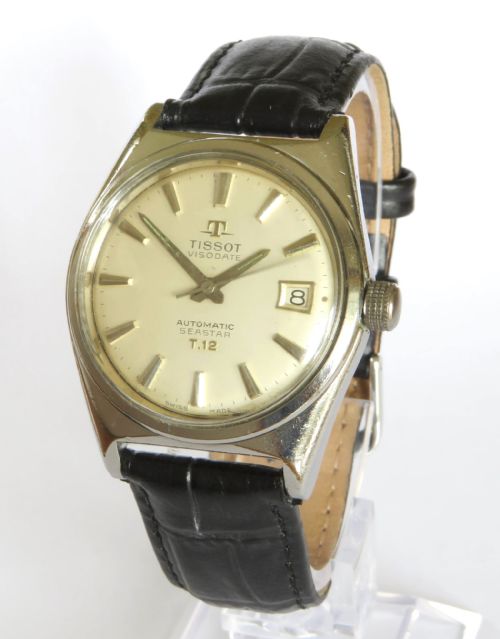
Early specimens include 18th-century pair-cased pocket watches in horn back-painted cases, while later items showcase 1960s automatic wristwatches. This chronological spread allows collectors to examine how watch casings evolved from heavy pocket configurations to streamlined wrist models.
Materials and construction methods
Watchmakers utilised precious metals such as 18ct gold, 9ct rose gold, and gold plate to construct durable yet elegant exterior casings. These metal housings frequently paired with protective glass crystals and enamel dials, sometimes incorporating supplementary materials like leather straps and horn.
Internal movements required intricate mechanical engineering, relying on manual wind mechanisms, lever escapements, and automatic systems. Casing construction often involved specialised manufacturers like Dennison or the Eastern Watch Case Co supplying housing for movements signed by various watchmakers.
Listings feature pocket watches and wristwatches spanning from the 18th century to the 1960s, constructed in gold, gold plate, stainless steel, and leather.
Evaluating construction and preservation
Quality in these timepieces rests upon the integrity of the metal casing and the precision of the internal movement. Solid gold housings maintain their weight and structural definition better than plated alternatives, particularly around hinges and snap closures.
The preservation of the dial, whether featuring guilloche enamel, painted markers, or applied numerals, dictates the overall character of the piece. Mechanical health also plays a central part, as original signed movements retain greater mechanical harmony than those assembled from mismatched components.
Omega·Rolex·Waltham·Tissot·Breitling·Tiffany and Co
The Gold Casing Watch Glossary
- Full hunter
- A pocket watch featuring a spring-loaded metal cover that protects the glass dial from damage. This design requires the user to depress a button on the crown to view the hands.
- Half hunter
- A pocket watch casing where the outer metal cover includes a glass or open aperture in the centre, allowing the user to read the time without opening the case.
- Chronograph
- A watch equipped with a display function for measuring elapsed time independently of the primary timekeeping hands. These mechanisms often utilise dedicated pushers alongside the main crown.
- Guilloche
- A decorative technique involving precise, intricate geometric patterns engraved mechanically into metal surfaces. It frequently serves as a textured base beneath translucent enamel dials.
- Calibre
- The specific manufacturer designation for a distinct watch movement design. Collectors reference the calibre number to identify the exact internal architecture and generation of the mechanism.
Gold Casing Watch: Frequently Asked Questions
How do I wind a vintage watch?
Mechanical timepieces require turning the crown clockwise until you feel light resistance. Care must be taken not to force the spring past its limit, which can cause internal damage.
Automatic models rely on wrist movement to tension the mainspring autonomously. However, these pieces still benefit from an initial manual wind if they have sat stationary for an extended period.
What is the difference between solid gold and gold plate?
Solid gold watch casings consist of precious metal throughout their entire thickness, providing lasting durability and intrinsic material value. These housings can be polished repeatedly over generations without losing their metallic composition.
Gold-plated alternatives feature a thin layer of gold bonded to a base metal substrate, such as brass or steel. Over decades of wear, this outer layer can thin or wear through at high-friction points to reveal the underlying metal.
How do I read pocket watch hallassements?
British gold and silver pocket watch casings typically feature hallmark stamps indicating the assay office, metal purity, and year of manufacture. These small stamped symbols are usually located on the inside of the back cover or dust cover.
Interpreting these marks requires consulting standard reference tables specific to London, Birmingham, Chester, or other regional assay offices. Swiss and American casings often rely on distinct numbering systems rather than traditional British stamps.
Can I wear a vintage watch daily?
Many mid-century wristwatches are robust enough for regular daily wear provided they have received recent mechanical servicing. However, older specimens from the Victorian era or earlier require careful handling due to delicate components and limited water resistance.
Exposing vintage timepieces to moisture, magnetic fields, or heavy impacts should be avoided. Storing them in dedicated watch boxes helps protect both the casing and the crystal from accidental damage.