

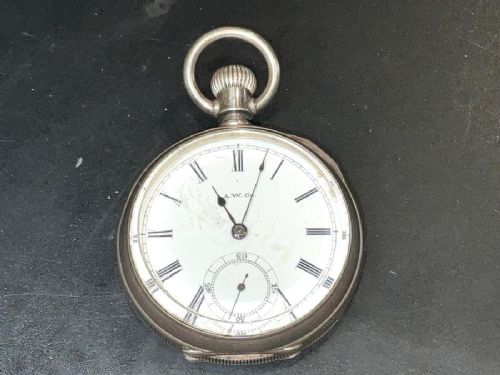
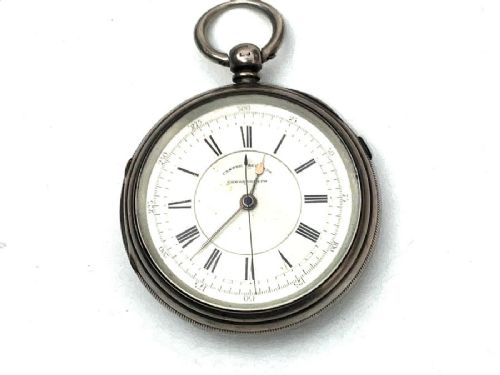
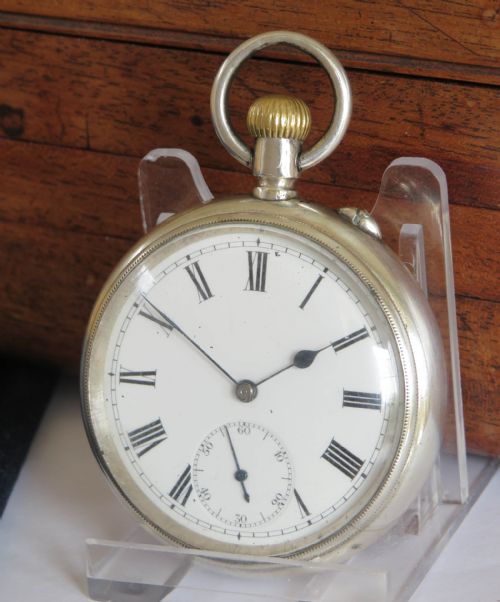
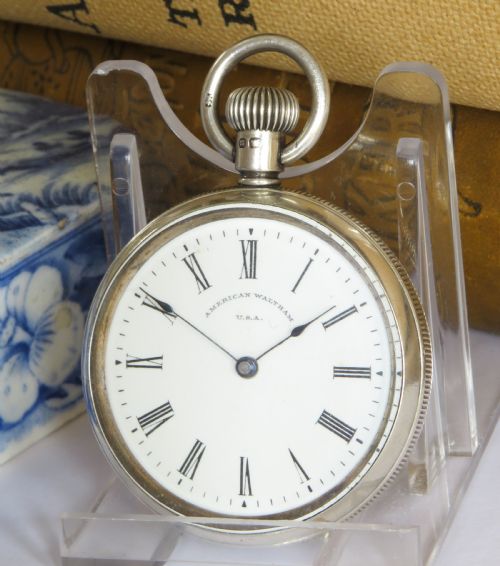
Enamel Dial Fob Watch
An enamel dial fob watch offers the crisp readability of painted numerals behind glass, combining precision pocket timekeeping with portable Victorian and Edwardian elegance.
Enamel Dial Fob Watch
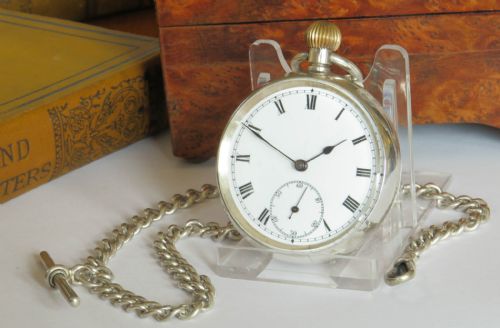
When you search for an enamel dial fob watch, you find pocket-worn timepieces designed to be secured on a chain or pinned to a lapel. These portable instruments span the late nineteenth century through the 1920s and 1930s, encompassing styles from Victorian engraving to Art Deco minimalism.
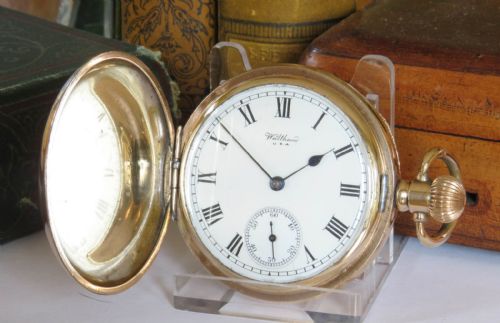
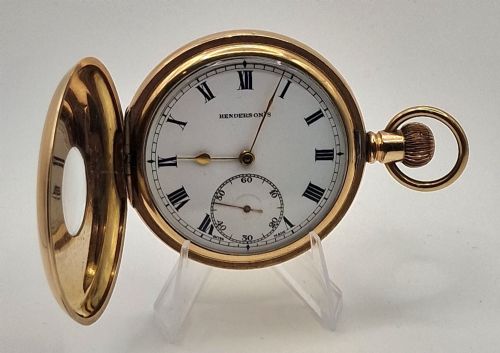
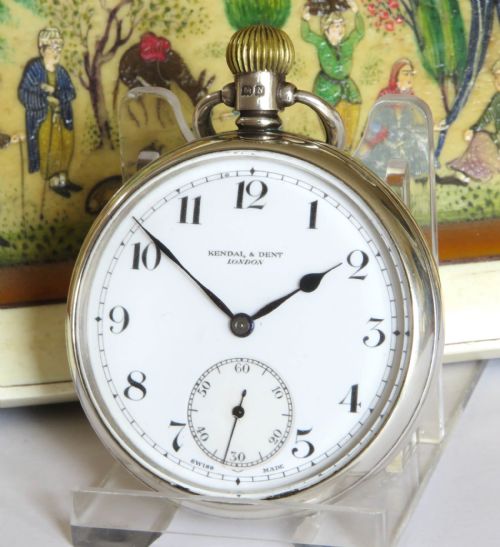
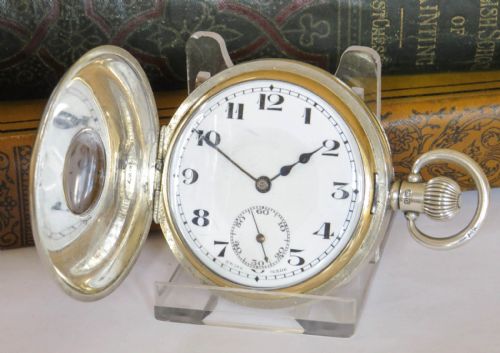
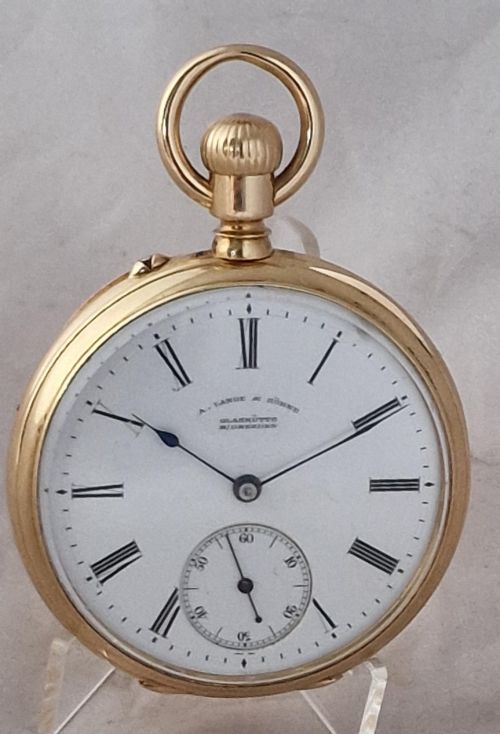
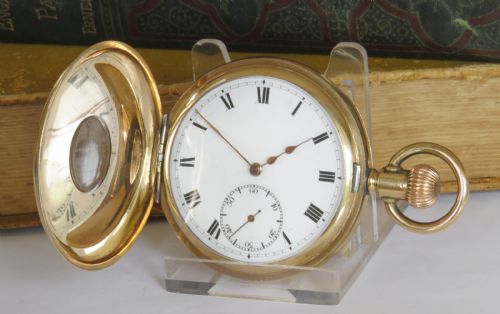
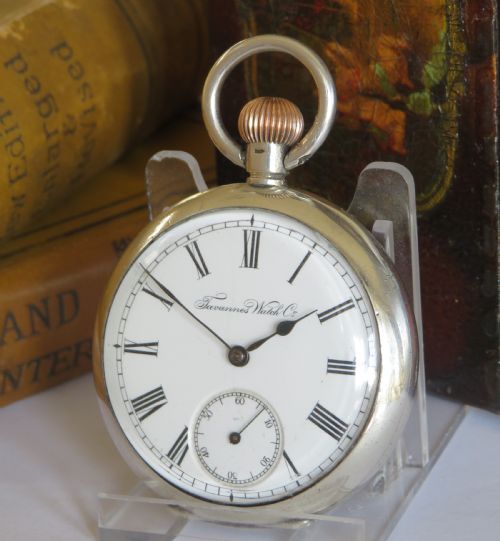
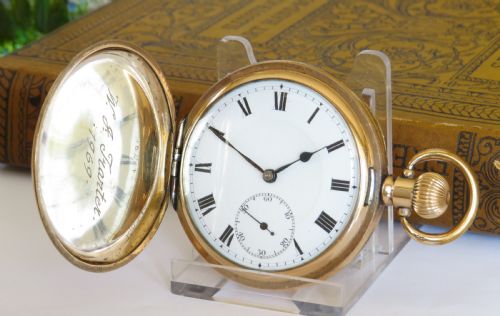
The specimens on this page include open-faced designs alongside hunter and half-hunter cases that protect the fragile face beneath a metal lid. Materials range from solid silver and twelve-carat gold to gold plate, brass, and steel.
Origins stretch from English workshops in Coventry to Swiss centres and French gilt manufacture. The core of what you encounter reflects everyday utility alongside decorative pocket pieces meant for personal adornment.
Materials and construction
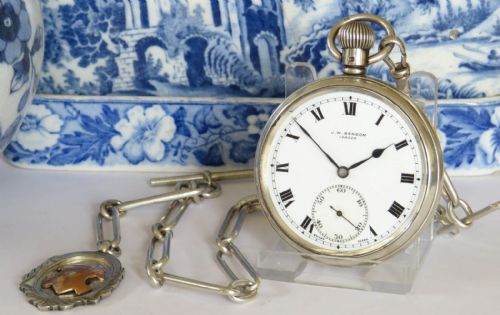
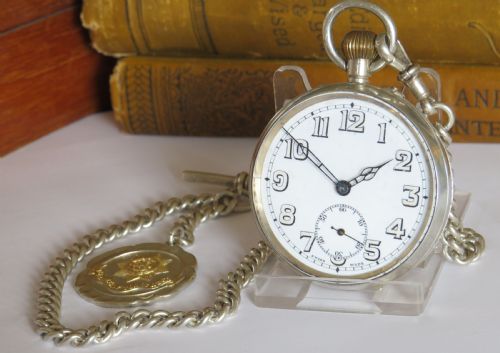
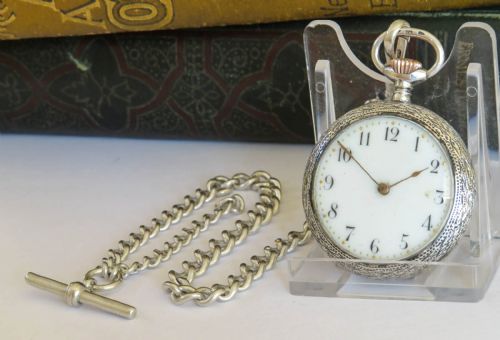
Enamel dials were produced by fusing powdered glass to a copper or metal base under intense heat, creating a smooth, glossy surface for painted numerals and minute tracks. This vitreous technique ensured the face retained its crisp white appearance and resisted tarnishing over decades of use.
Cases were fashioned from silver, gold, and base metals, often housing mechanical movements driven by mainsprings and regulated by balance wheels. Makers frequently incorporated glass bezels and dust covers to protect the delicate inner mechanism from external debris.
Enamel Dial Fob Watch Retail Price Guide 2026
Typical asking prices for enamel dial fob watch among the pieces listed under this phrase on Sellingantiques today, from the lower quarter to the upper quarter. They describe what is for sale here now, not the wider market.
Evaluating craftsmanship and condition
Quality rests in the refinement of the movement and the integrity of the enamel dial, where hairline cracks or chips detract from both visual appeal and original execution. Finer examples display high-jewelled mechanical movements from established watchmakers, housed within substantial precious metal cases rather than rolled gold or brass.
The crispness of case engraving and the smoothness of the hinge action further separate standard utilitarian production from superior workshop output. Original matching components and signed movements elevate a piece beyond generic assembly.
Lange & Sohne·Waltham·Tiffany & Co·Baume & Co·Tavannes
The Enamel Dial Fob Watch Glossary
- Fob watch
- A small pocket watch designed to be worn attached to a short strap, ribbon, or chain. These pieces were frequently tucked into waistcoat pockets or pinned to garments.
- Hunter
- A pocket watch featuring a spring-loaded metal cover that snaps shut over the glass dial for protection. Half-hunter variants include a small glass window or aperture in the lid to check the time without opening it.
- Vitreous enamel
- A material made by fusing powdered glass to a metallic substrate at high temperatures. It provides a durable, glossy, and chemically resistant finish ideal for watch faces.
- Albert chain
- A short chain attached to a pocket watch, traditionally secured through a buttonhole on a waistcoat. They often incorporate charms, seals, or pendant fob decorations.
- Open faced
- A watch design lacking a protective metal cover over the crystal, allowing immediate visibility of the dial. This form requires careful handling to prevent scratching the glass.
Enamel Dial Fob Watch: Frequently Asked Questions
How do I wind a mechanical pocket watch?
Mechanical pocket watches are wound by turning the crown at the top of the case until resistance is felt, indicating the mainspring is fully tensioned. Care should be taken not to overwind the mechanism.
Most vintage movements require daily winding to maintain accurate timekeeping throughout a twenty-four-hour period. Regular servicing by a horologist ensures the internal gears continue to operate smoothly.
What is the difference between open-faced and hunter watches?
Open-faced watches expose the glass dial directly to view, allowing the wearer to check the time at a glance without manipulating a cover. Hunter watches enclose the face behind a hinged metal lid that opens via a button on the crown.
While hunter cases offer greater protection against scratches and impacts during manual labour, open-faced designs prioritize immediate legibility. Both formats were widely produced across the Victorian and Edwardian eras.
How do I care for an enamel watch dial?
Enamel dials should be protected from sharp impacts and sudden temperature changes, which can cause the brittle glass surface to crack or chip. Cleaning is best restricted to wiping the exterior glass with a soft cloth.
Exposing vintage timepieces to excessive moisture or humidity risks damaging both the painted numerals on the dial and the unsealed steel components within the movement.
How are these watches secured to clothing?
Fob watches are typically fastened using a short chain or ribbon that anchors to a buttonhole, lapel, or pocket edge. The chain prevents the watch from dropping if accidentally dislodged.
Historical examples frequently utilised albert chains or specialised clips designed for waistcoats and jackets, combining practical security with personal decoration.