
Mechanical Omega Watch
A mechanical omega watch represents a significant period of Swiss horological mastery, offering collectors robust manual and automatic timepieces spanning from early pocket watches to mid-century chronographs.
Mechanical Omega Watch
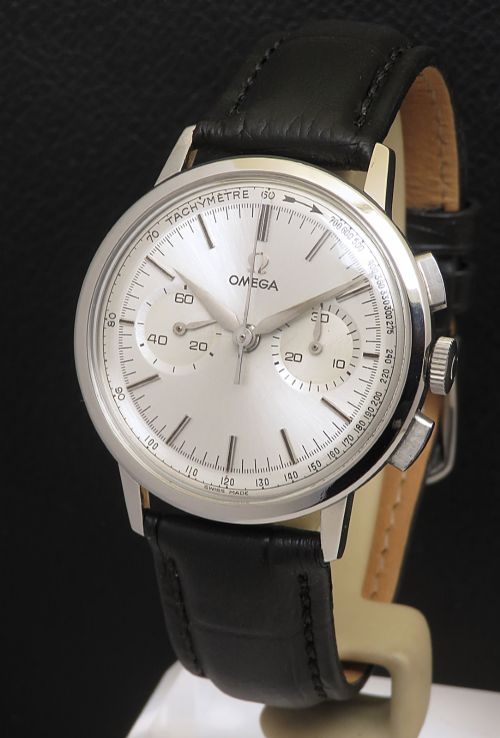
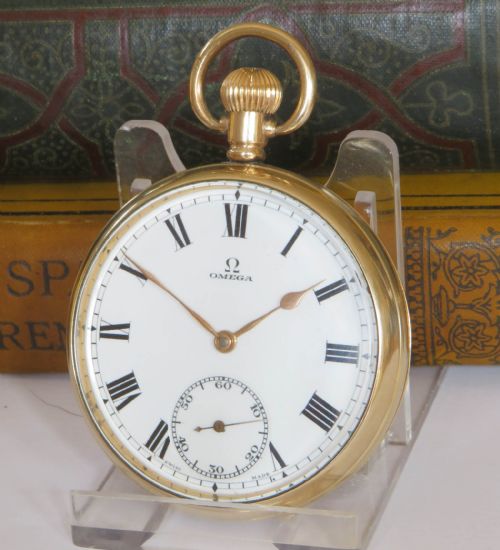
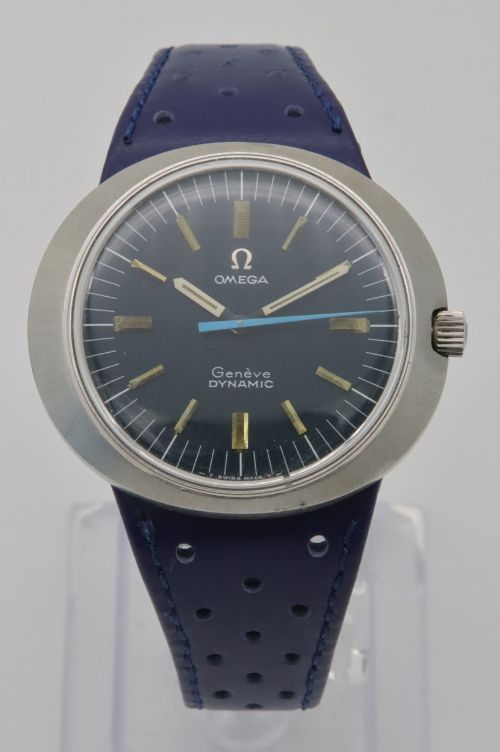
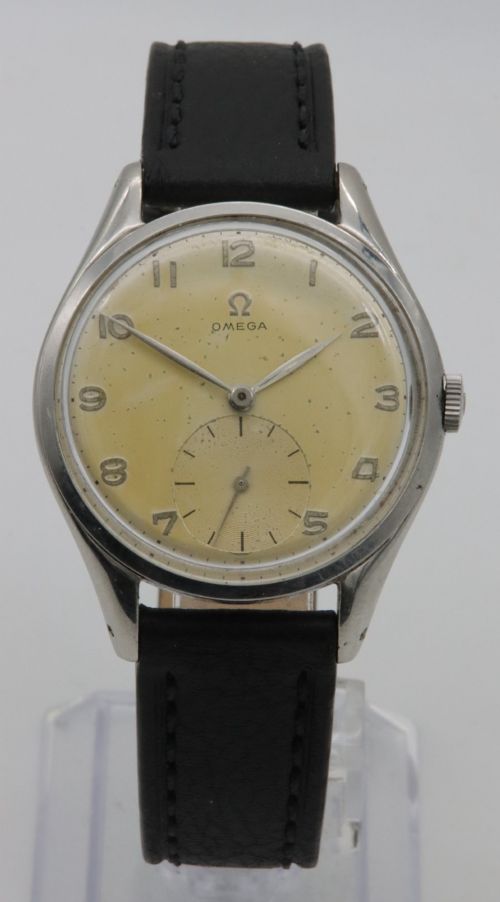
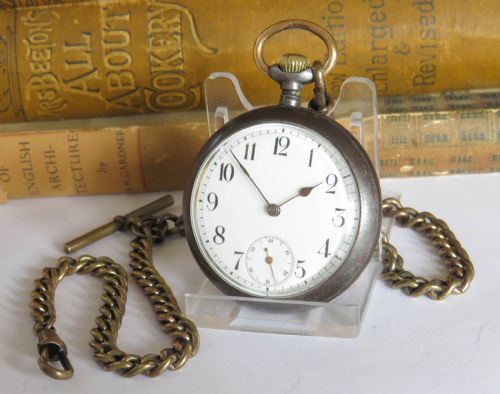
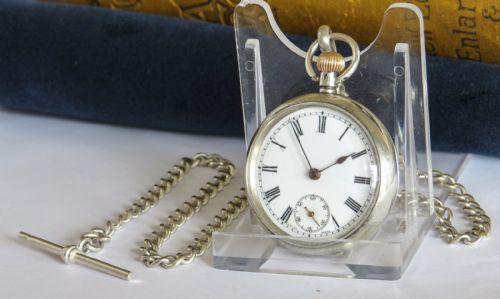
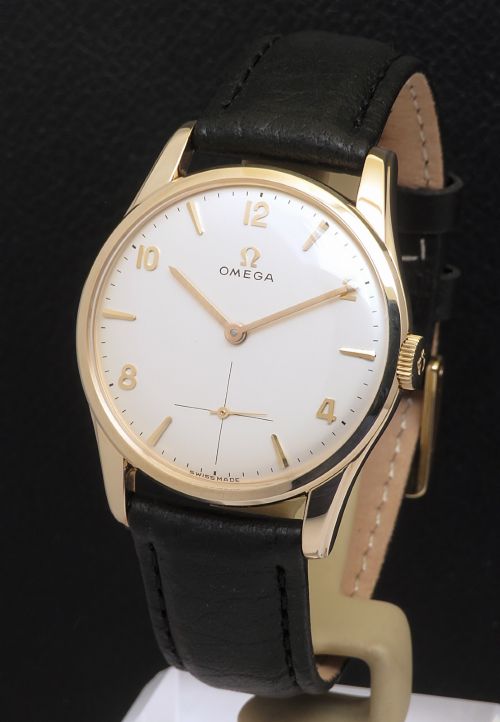
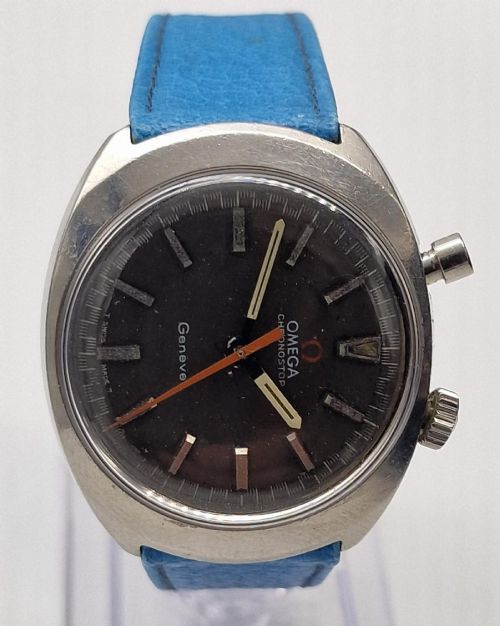
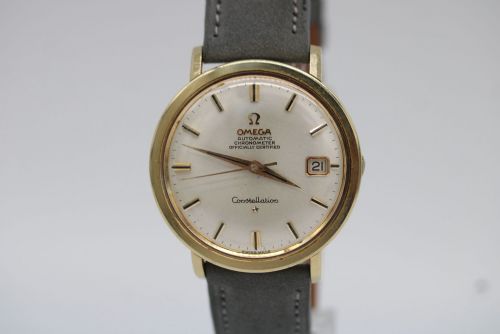
A mechanical omega watch encompasses both wristwatches and pocket watches spanning multiple decades of horological production, with an emphasis on mid-century designs. You will encounter various forms here, ranging from dress pocket watches to military-inspired wristwatches and complex chronographs.
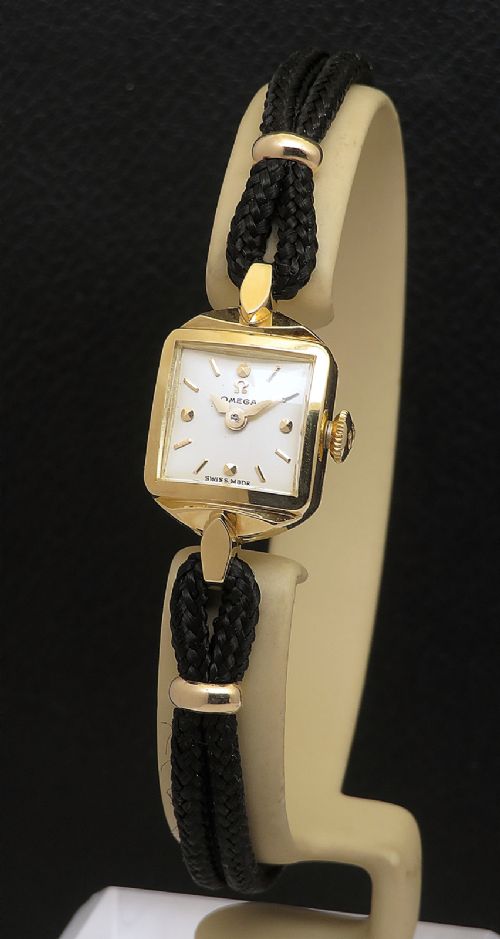
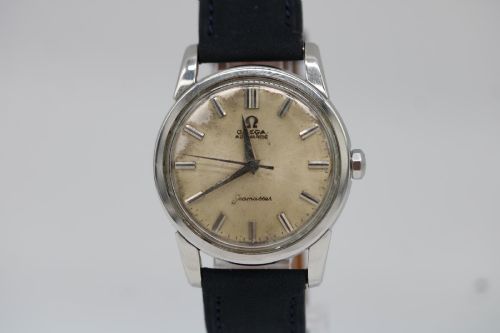
Pieces frequently reflect specific periods such as the nineteen-fifties and sixties, showcasing stainless steel or solid gold construction. Buyers often search for these items to acquire a functional piece of mid-century horology with recognisable movements and classic dial configurations.
Materials and construction
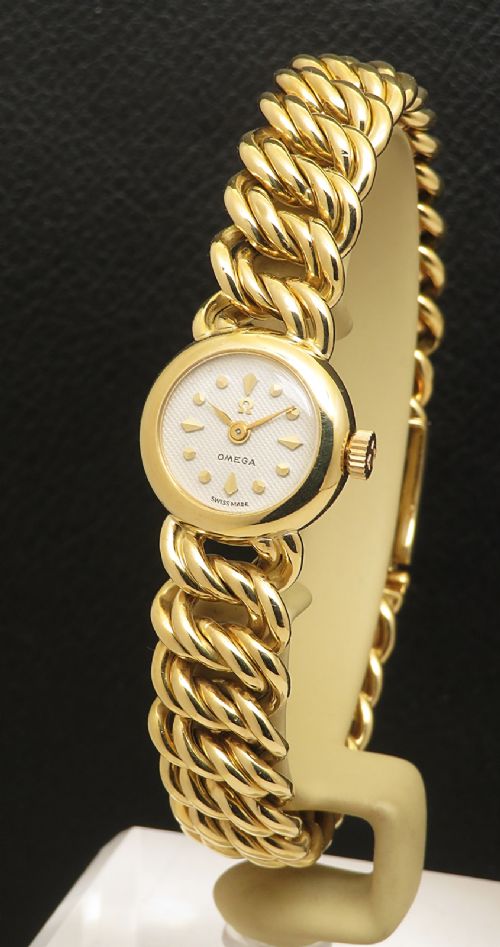
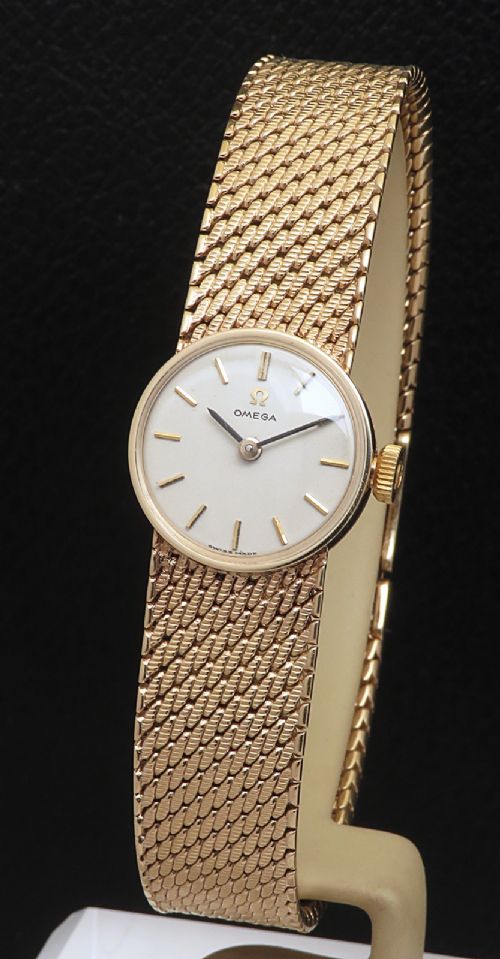
Cases combine precious metals including solid gold and gold plate with durable stainless steel, while dials feature glass and acrylic crystal coverings. Leather straps provide the primary fastening for wristwatches, often paired with metal cases and enamel details on specific dial faces.
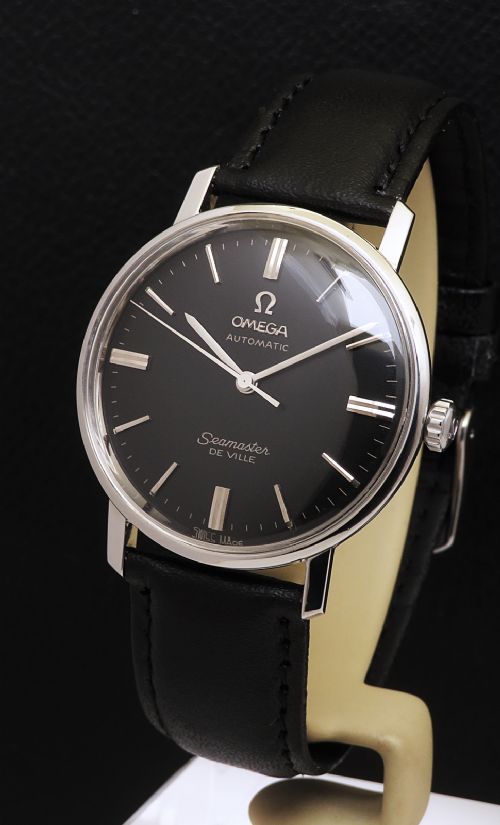
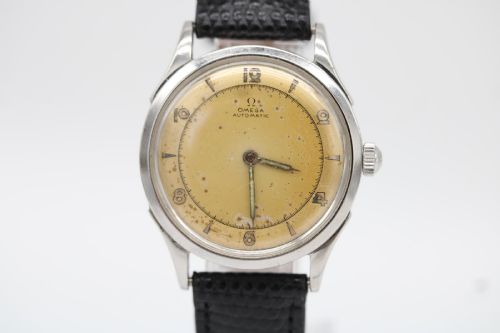
Movements rely on precision mechanical engineering, encompassing manual wind calibres and automatic mechanisms such as bumper movements. Dial construction incorporates textured finishes like honeycomb patterns, patinated surfaces, and specialised layouts including explorer and black dials.
Some models feature a sideways dial arrangement tailored specifically for drivers to read the time easily while gripping a steering wheel.
Assessing quality
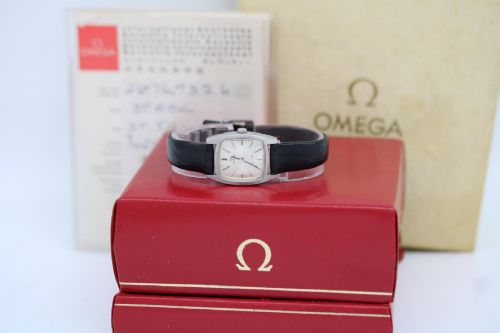
Quality rests upon the originality of the components and the preservation of the movement and case details. Examples retaining signed dials, original calibres, and matching boxes or papers occupy the upper tier of desirability.
The grade of materials also dictates distinction, separating standard stainless steel variants from heavy solid gold cases set with diamonds or constructed in eighteen-carat white and yellow gold. Mechanical complexity adds another layer, distinguishing standard three-hand manual wind models from automatic chronographs and calendar complications.
Omega
The Mechanical Omega Watch Glossary
- Calibre
- The specific internal movement design and identifier used by the manufacturer. This number denotes the specific mechanical architecture driving the timepiece.
- Chronograph
- A watch equipped with a stopwatch function alongside regular timekeeping displays. These complications require separate sub-dials and pushers on the case exterior.
- Bumper automatic
- An early self-winding mechanical movement where a weighted rotor swings back and forth within a limited arc rather than rotating fully. The wearer feels a distinct tap against the wrist as the spring tensions.
- Patinated dial
- An aged watch face that has developed natural discolouration or textured changes over decades of exposure. Collectors prize these alterations for proving genuine historical age.
- Fob watch
- A small pocket watch designed to be attached to a short chain or ribbon tucked into a waistcoat pocket. They frequently date to the Edwardian era and earlier twentieth century.
Mechanical Omega Watch: Frequently Asked Questions
How do I identify the production year?
Dating typically relies on matching the internal movement serial number to production ledgers from the manufacturer. Case stamps and specific dial styles also offer clear indicators of the era.
Most pieces on this page originate from the mid-twentieth century, with specific reference numbers guiding precise identification.
What is the difference between manual and automatic?
Manual wind watches require daily hand-winding via the crown to tension the mainspring and store power. Automatic movements utilise a weighted internal rotor that winds the mainspring autonomously through natural wrist movement.
Both systems represent traditional mechanical horology without relying on electronic batteries.
Are these watches suitable for daily wear?
Many vintage models function reliably for regular use if they have been recently serviced and inspected by a horologist. However, early pieces require care regarding water resistance and fragile acrylic crystals.
Rotating vintage timepieces with modern daily wear helps preserve their mechanical condition over time.
What does Seamaster signify?
The Seamaster designation denotes a specific family of water-resistant sports and dress watches introduced in the mid-twentieth century. These models feature robust case construction designed to withstand moisture and pressure.
Over the decades, the line expanded to include automatic calibres, calendar displays, and specialised chronometer configurations.