
Mechanical Gents Watch
A mechanical gents watch brings tangible craft and history to the wrist, offering reliable timekeeping driven purely by gears and springs.
Mechanical Gents Watch
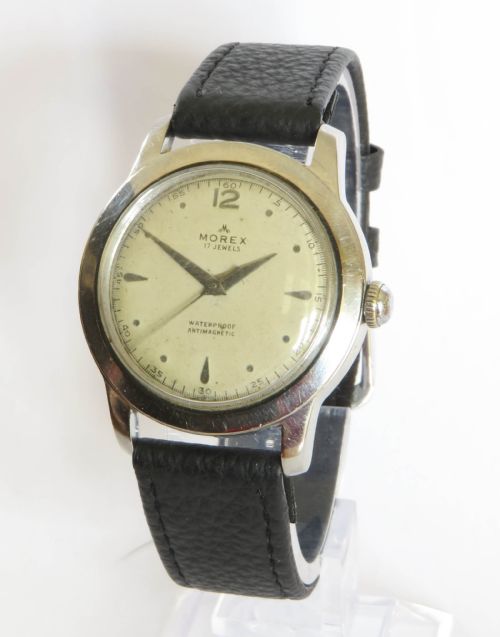
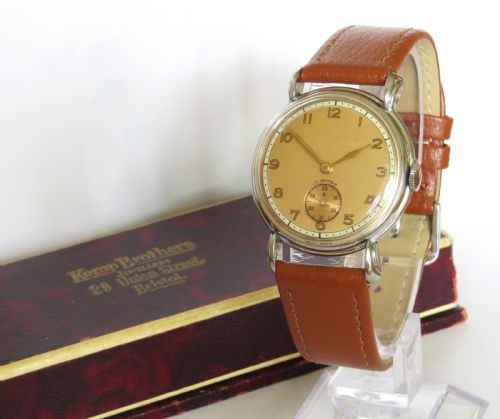
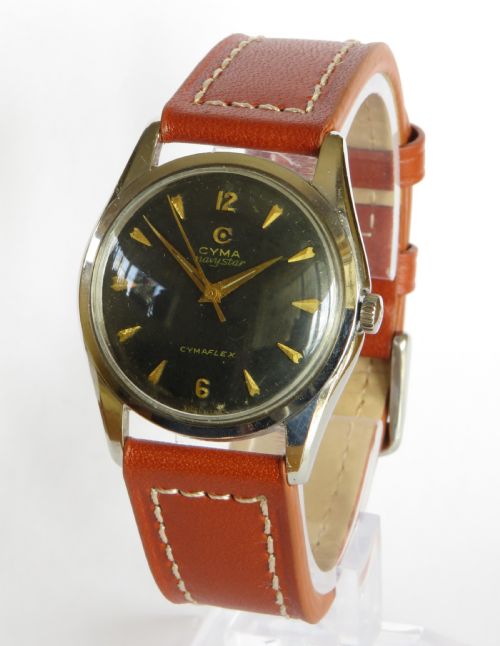
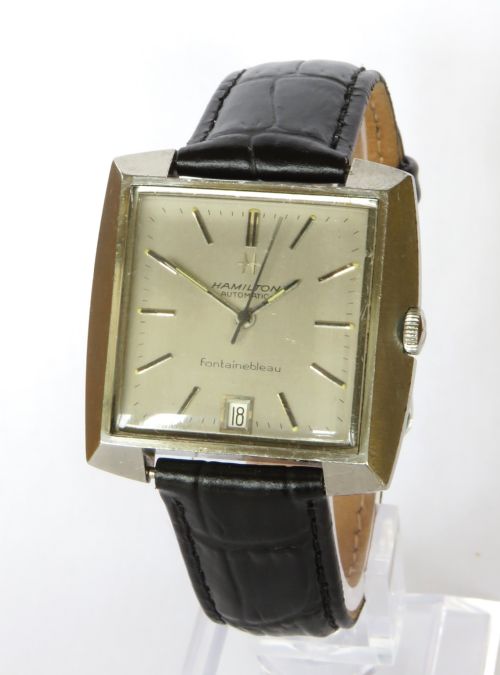
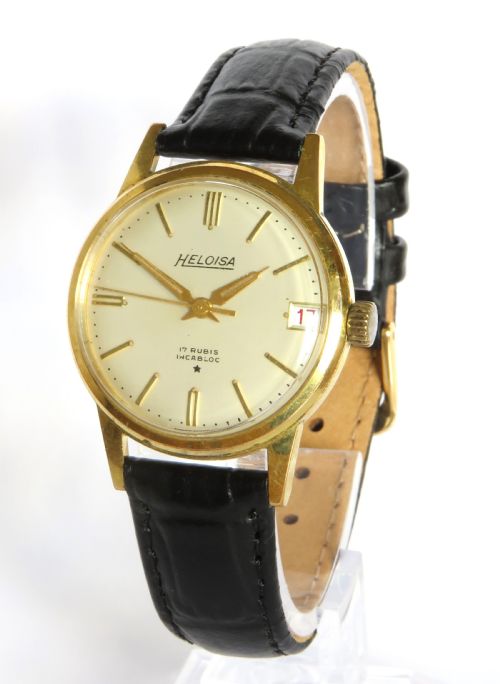
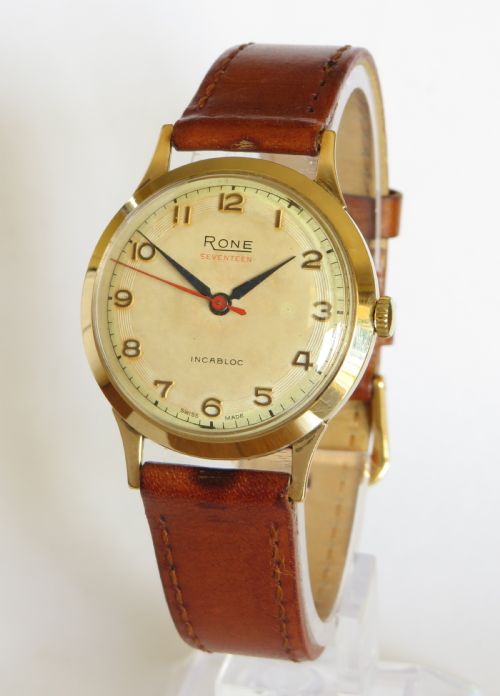
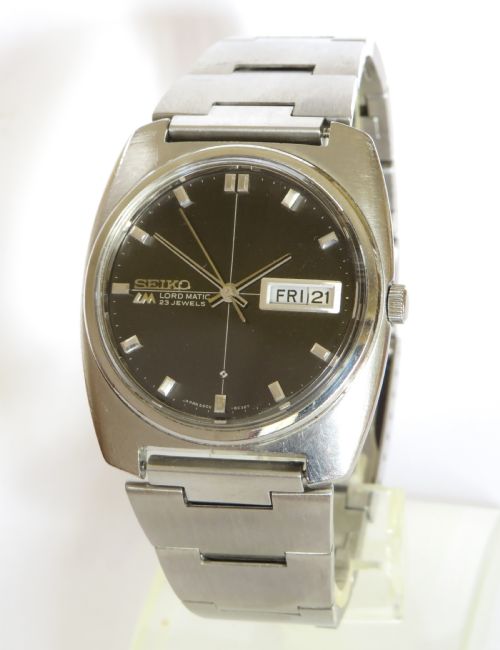
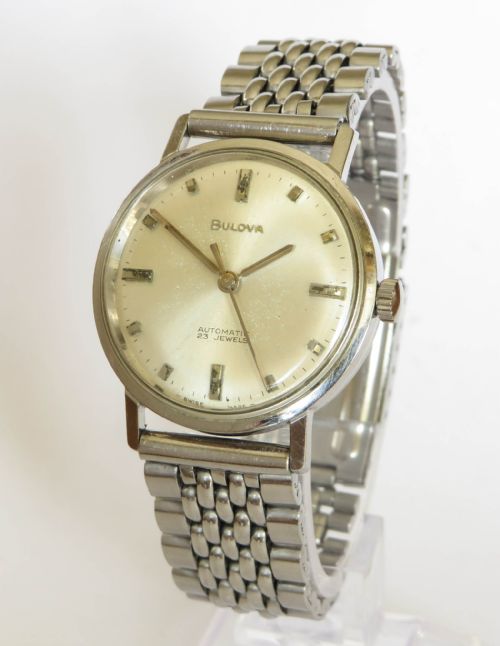
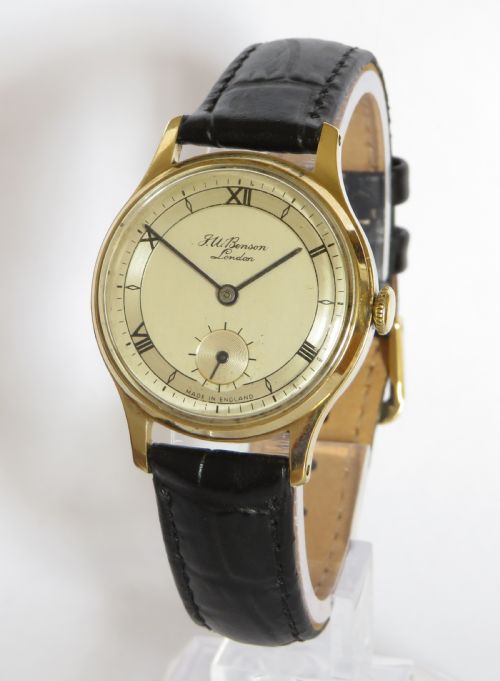
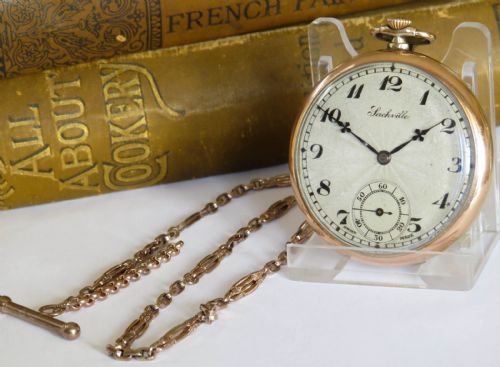
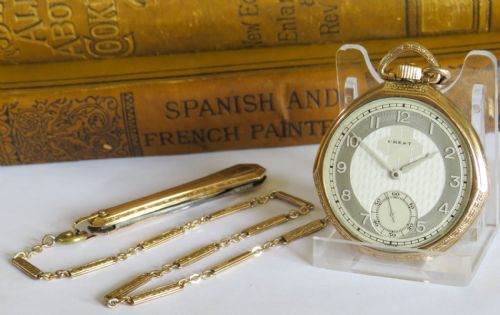
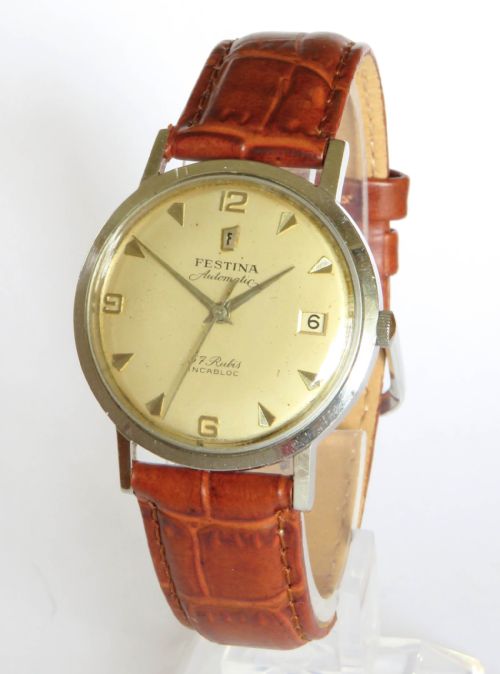
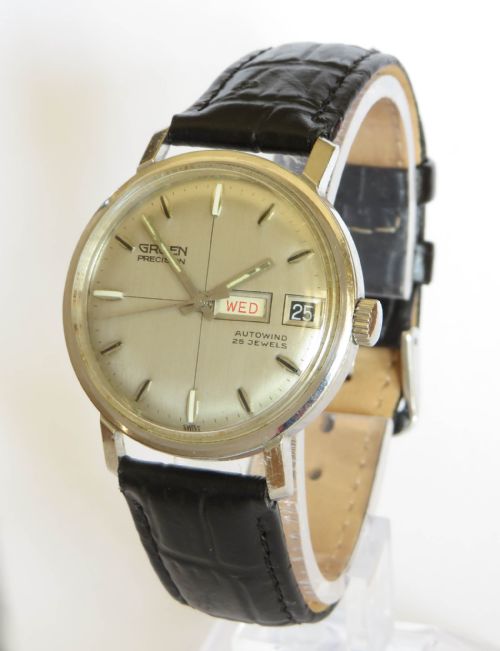
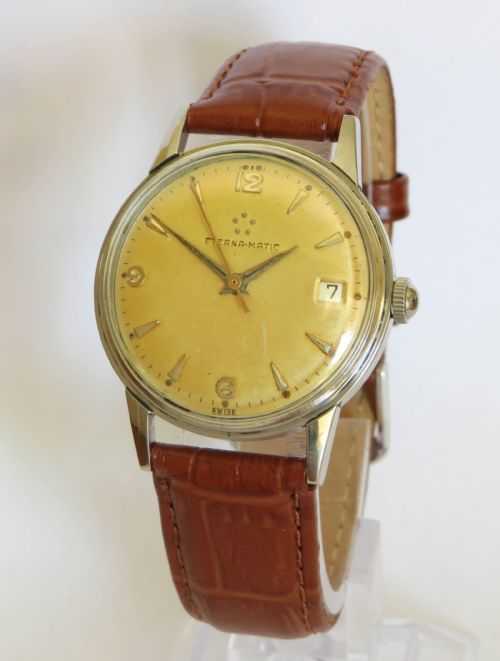
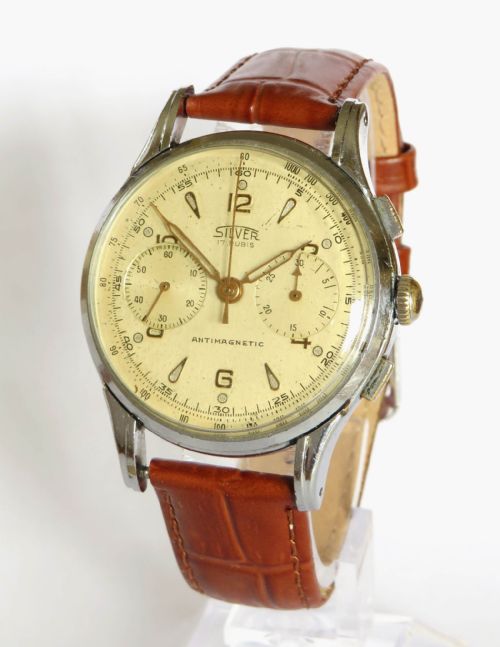
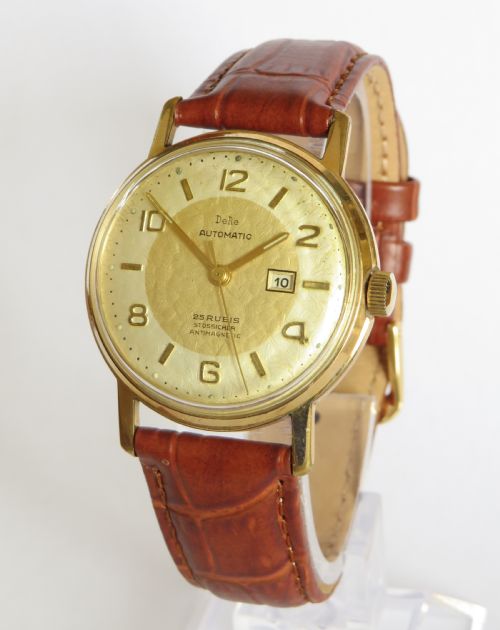
A mechanical gents watch encompasses traditional wristwatches and pocket watches spanning from the Victorian era through the 1970s. Buyers searching for a mechanical gents watch will encounter diverse forms including automatic movements, chronographs, and calendar complications.
The selection on this page leans heavily towards wristwatches originating from the 1950s and 1960s, alongside earlier pocket watch examples. These pieces represent decades of horological development across British, Swiss, and American makers.
How they were made
Cases combine metals such as stainless steel, chrome, gold plate, and solid gold, paired with durable glass or acrylic crystals to protect the dial. Leather straps provide traditional wrist attachment, whilst internal gear trains rely on precise metal components.
Movements utilise manual wind or automatic self-winding systems powered by internal springs, often housed alongside enamel or metal dials.
Listings feature periods spanning from Victorian pocket watches to 1970s automatic wristwatches in stainless steel and gold plate.
What varies in quality
The distinction between tiers rests upon the sophistication of the internal movement, such as chronograph complications or automatic winding mechanisms versus basic manual calibres. Materials like solid gold casing and signed dials by established makers elevate a piece above standard plated models.
Overall condition and originality of the dial, hands, and case maintain the integrity of the watch, distinguishing standard production items from specialised military or aviator issues.
Montilier·Cyma Navystar·Hamilton·Heloisa·Rone·Seiko·Bulova·Smiths·Tavannes·Festina·Gruen·Eterna·Antoremi·Roamer·Omega·Hahn Landeron·Venus·Primula·Marvin·Tissot·Gloriosa·Enicar·Wittnauer·Dogma Prima·Longines
The Mechanical Gents Watch Glossary
- Automatic
- A self-winding mechanical movement that uses a weighted rotor to wind the mainspring through natural wrist movement.
- Chronograph
- A watch equipped with a stopwatch function alongside traditional timekeeping displays.
- Calendar
- A complication on the dial displaying the date or day of the week.
- Crystal
- The transparent cover protecting the watch dial, typically formed from glass or acrylic.
Mechanical Gents Watch: Frequently Asked Questions
How do I wind a mechanical watch?
Wind the crown clockwise between your thumb and forefinger until you feel gentle resistance. Do not force the crown once tension increases, as over-winding can damage the internal mainspring.
For automatic models, normal daily wear maintains the power reserve, though manual winding can kickstart a stopped movement before putting it on.
Are these watches water resistant?
Vintage mechanical timepieces lack modern rubber gaskets and modern waterproof sealing technology. Exposure to moisture, rain, or humidity can easily damage the delicate steel gears and paper dials inside.
Keep these watches away from water entirely, removing them before swimming, bathing, or washing hands.
How accurate are vintage watches?
Mechanical watches rely on springs and gears rather than quartz crystals or atomic signals. A variance of a minute or two per day is entirely normal for vintage movements.
Regular servicing by a watchmaker helps maintain consistent timekeeping performance across older calibres.
Can I wear a pocket watch daily?
Pocket watches fit securely into waistcoat or trouser pockets when attached with a matching chain. They offer a stylish alternative to wristwear for daily routines.
Ensure the pocket remains free of dust and lint to protect the exposed crown and case back.