
Mechanical Dress Watch
A mechanical dress watch is a traditional timepiece powered by a mainspring and gear train, offering enduring appeal for daily wear and formal occasions alike.
What mechanical dress watches are
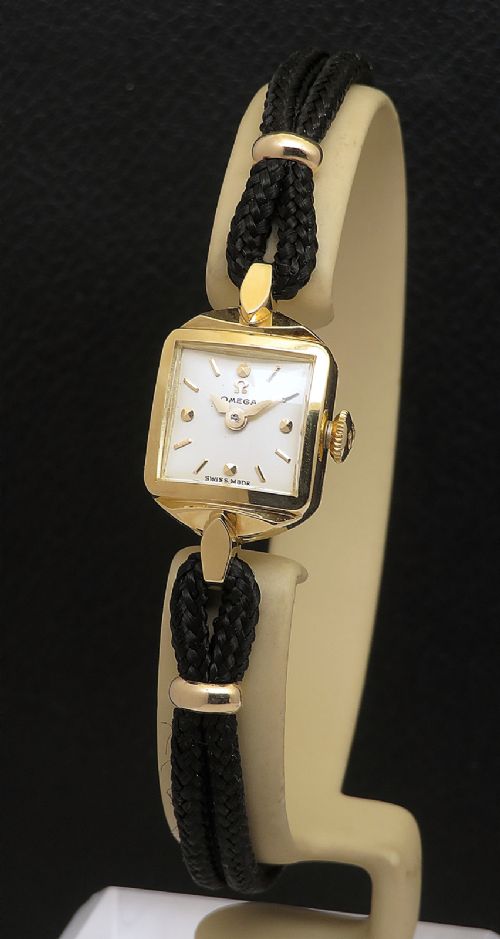
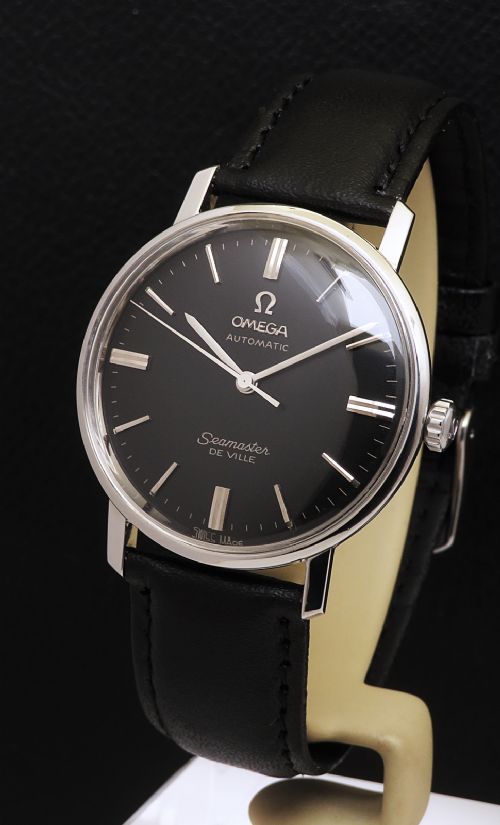
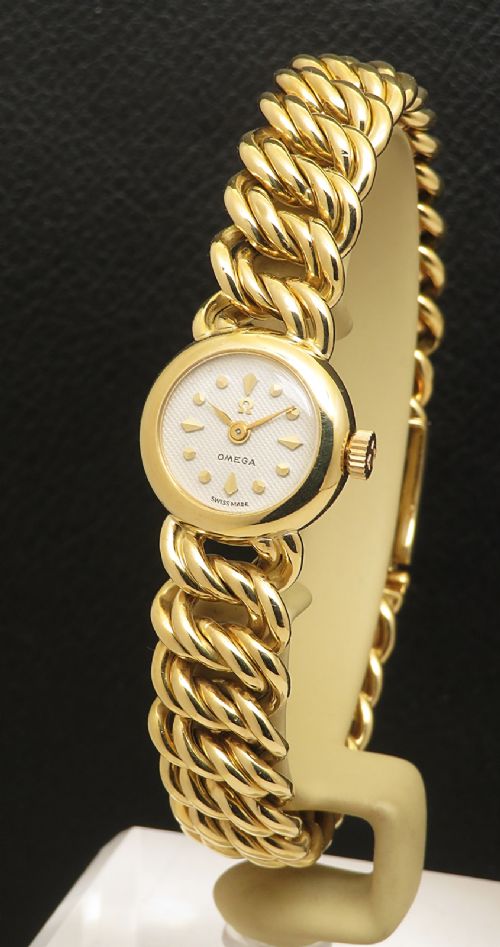
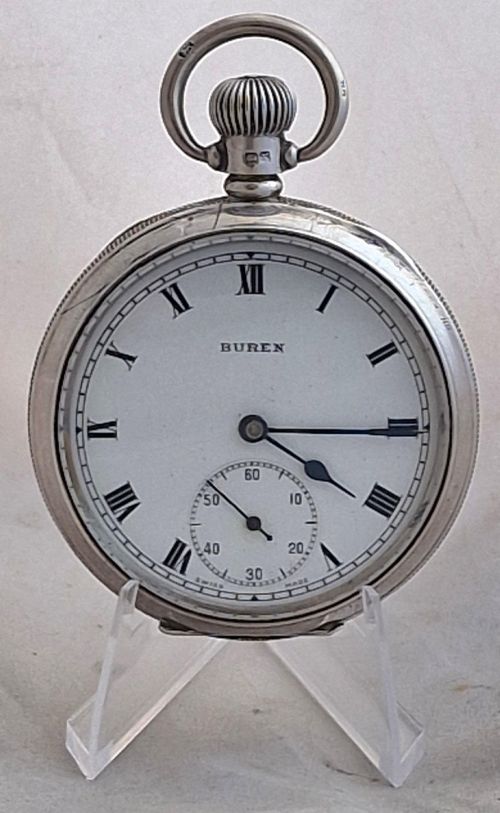
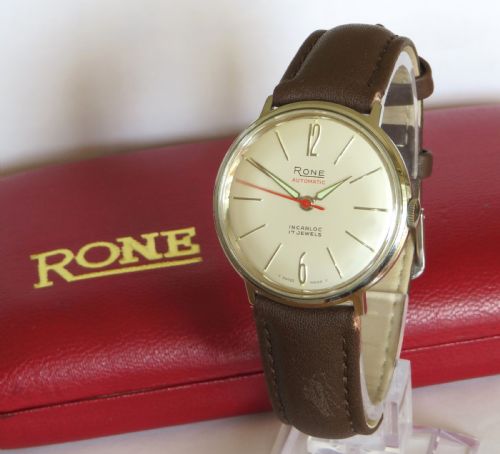
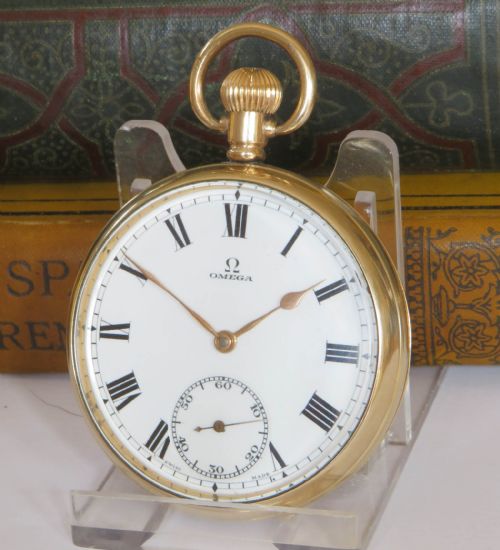
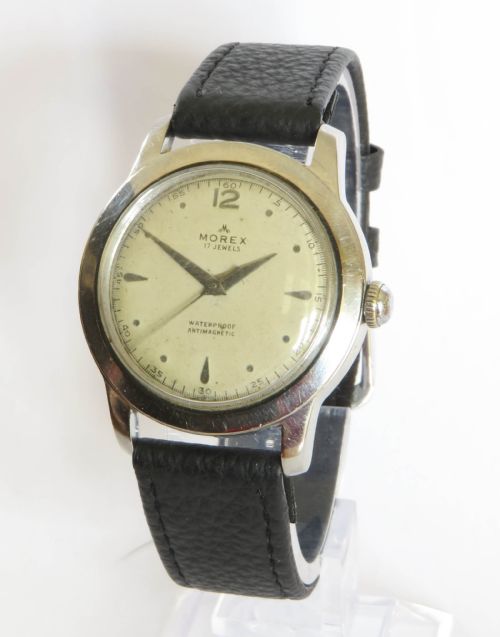
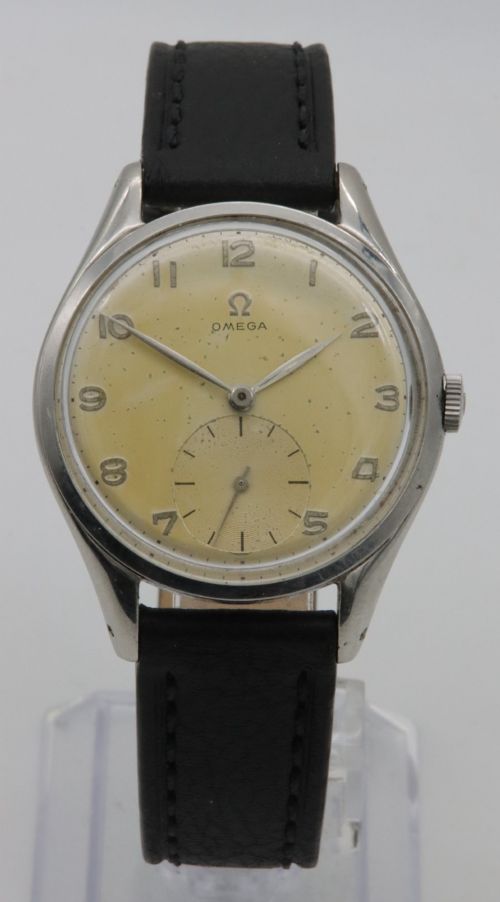
A mechanical dress watch embodies traditional horological craftsmanship, relying on manual wind or automatic movements rather than quartz batteries. These pieces range from understated mid-century designs to striking art deco forms.
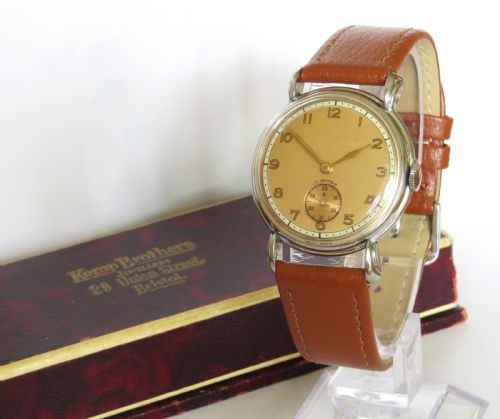
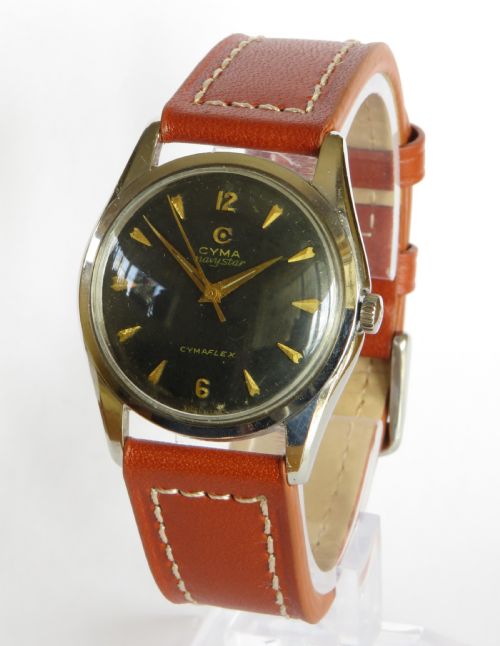
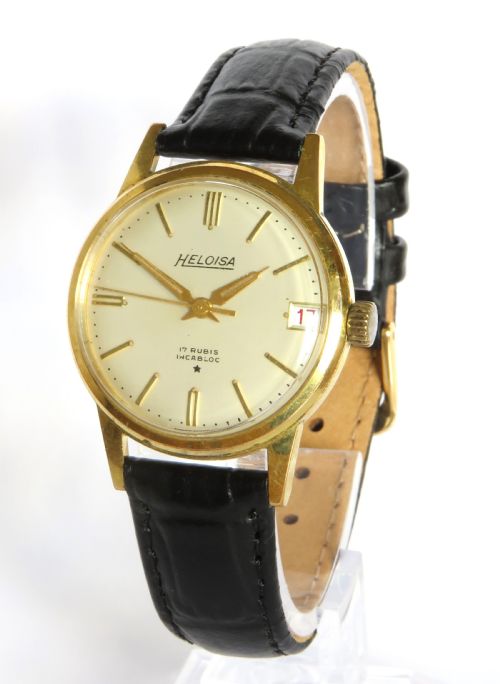
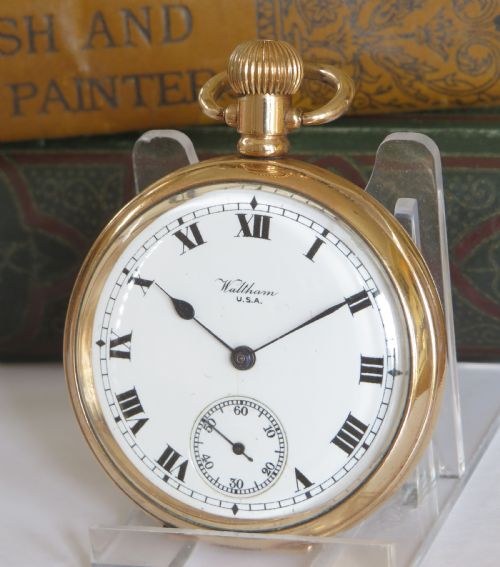
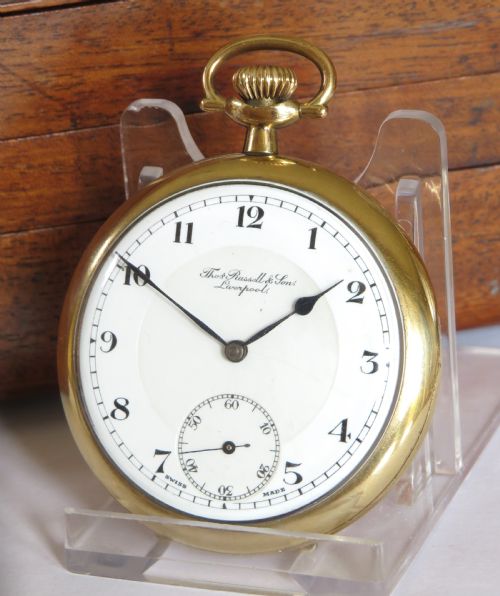
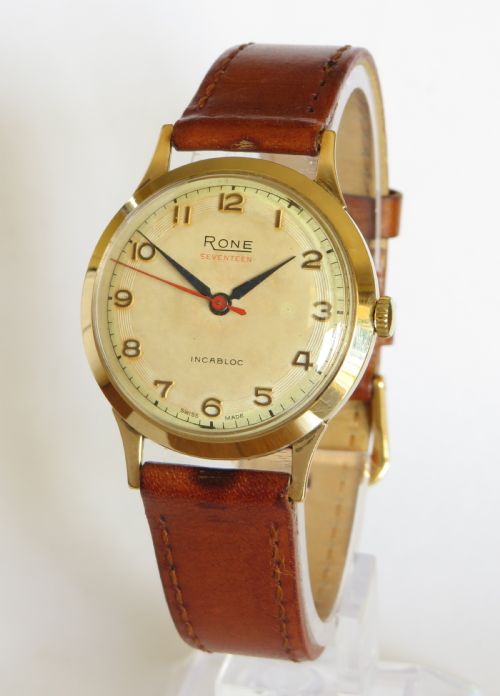
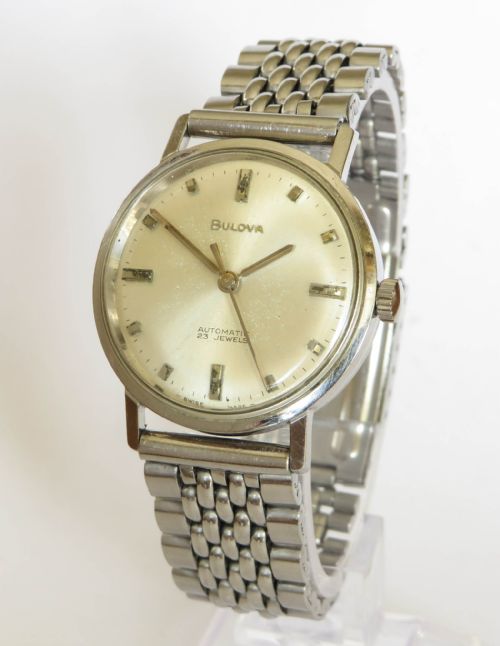
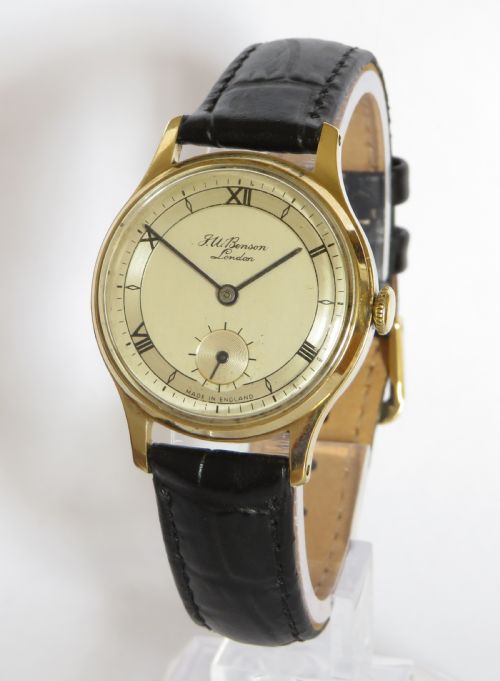
The mechanical dress watch selections here span the 1930s to the 1960s, capturing decades of wrist wear evolution. Buyers encounter both manual wind calibres and automatic movements housed in various precious and base metals.
Originating from established makers and manufacturers, these wristwatches showcase distinct period aesthetics. The prevalent forms on this page include mid-century and art deco dress styles.
How they were made
Cases utilise materials such as solid 9ct gold, 9K gold, and gold plating alongside stainless steel. Crystals formed from glass or acrylic protect the dials beneath.
Straps frequently consist of leather to secure the watch to the wrist. Movements rely on intricate mechanical components assembled by hand.
Retail Price Guide 2026
Typical UK retail prices for mechanical dress watch, calculated from the Sellingantiques database of over a million retail prices indexed since 2003. This retail price guide relies exclusively on Sellingantiques data; no external sources or auction records are used, so the figures do not describe the wider market.
What varies in quality
Quality rests upon the refinement of the movement, the preciousness of the metal case, and the overall preservation of original components. Solid gold housing and chronometer-grade engineering represent the upper tier of execution.
Subtleties in dial design, casing lines, and the prestige of the maker distinguish standard production models from exceptional examples. Originality of parts remains paramount in determining the calibre of each piece.
IWC·Smiths Astral·Tudor·Longines·Elgin
The Mechanical Dress Watch Glossary
- Manual wind
- A mechanical movement that requires the wearer to turn the crown by hand to tension the mainspring. This traditional mechanism removes the need for batteries.
- Automatic
- A self-winding mechanical movement that uses a weighted rotor to tension the mainspring using the natural motion of the wearer's wrist. It keeps the watch running continuously with regular wear.
- Chronometer
- A high-precision watch movement that has passed rigorous accuracy tests conducted by an official certifying body. Such certification denotes superior timekeeping reliability.
- Acrylic
- A lightweight transparent plastic material utilised for watch crystals during the mid-century period. It offers flexibility and can be polished if scratched.
- Gold plate
- A thin layer of gold applied to a base metal core such as brass or steel. This technique provided the appearance of a solid gold case at a more accessible point in period manufacturing.
Frequently Asked Questions
How do I wind a mechanical watch?
Rotate the crown clockwise between your thumb and forefinger until you feel gentle resistance. Stop immediately once tension increases to avoid damaging the internal mainspring.
Wind the watch at roughly the same time each day if worn regularly. Automatic models require less frequent manual winding if the natural movement of the wrist keeps the rotor active.
Can I wear a vintage dress watch daily?
Daily wear is entirely possible with proper care and attention to the age of the piece. These watches were built for everyday use by their original owners.
Vintage pieces typically lack modern water resistance ratings, so keep them away from moisture and heavy impacts. Regular servicing by a watchmaker ensures the internal gears continue running smoothly.
What is the difference between manual and automatic?
A manual wind watch relies entirely on fingers turning the crown to store energy in the mainspring. An automatic watch contains a weighted internal rotor that winds the mainspring automatically as the wearer moves.
Both systems are entirely mechanical and do not use batteries. Automatic models offer the convenience of continuous winding through daily wear.
How do I date a vintage wristwatch?
Dating involves examining hallmarks on precious metal cases, serial numbers stamped on the movement or case back, and stylistic design cues. Specific manufacturer archives also provide production years for particular serial ranges.
Design elements such as dial typography, hand shapes, and case geometry often correspond to distinct decades like the nineteen thirties or sixties.