
Mechanical Dial Clock
A mechanical dial clock keeps time through weighted or spring-driven gears, offering both precision engineering and traditional interior decoration.
Mechanical Dial Clock
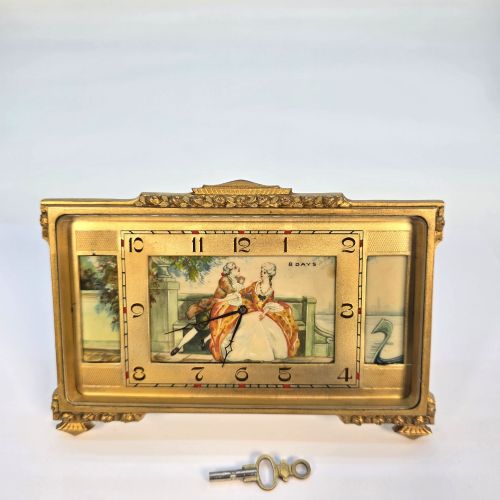
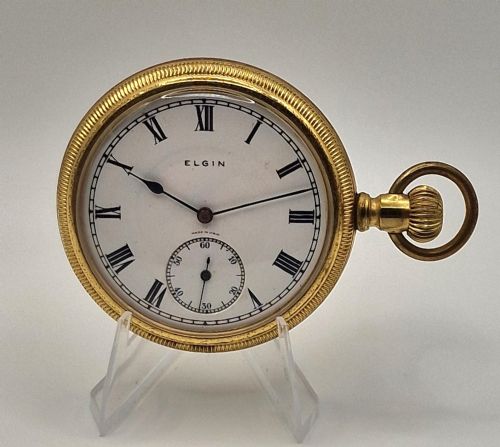
A mechanical dial clock brings together traditional timekeeping and period design, spanning wall-mounted office pieces to desk models. When you search for a mechanical dial clock, you encounter circular faces paired with weights, pendulums, or springs that drive the hands.
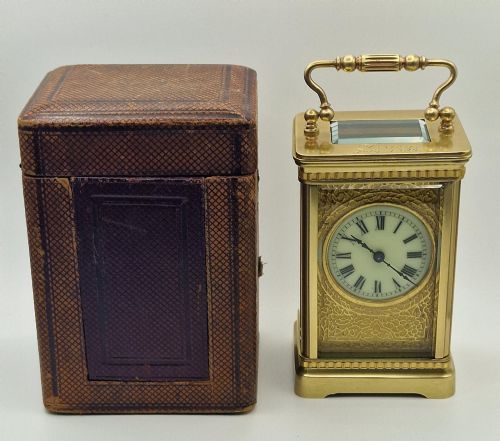
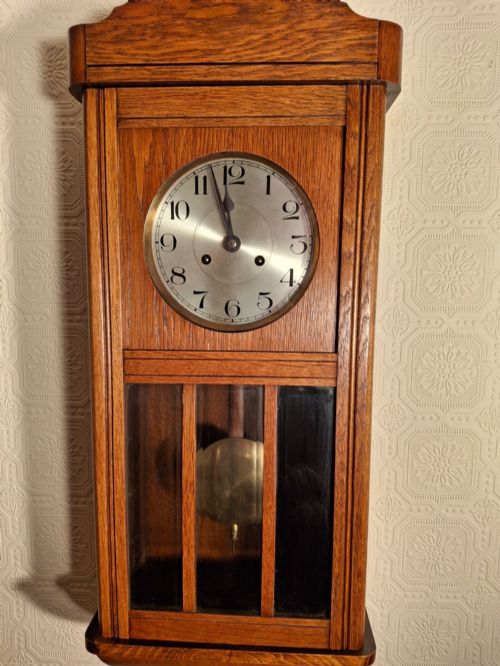
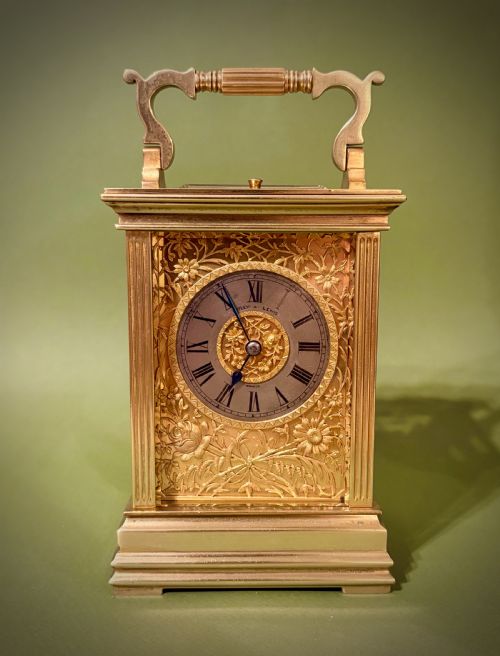
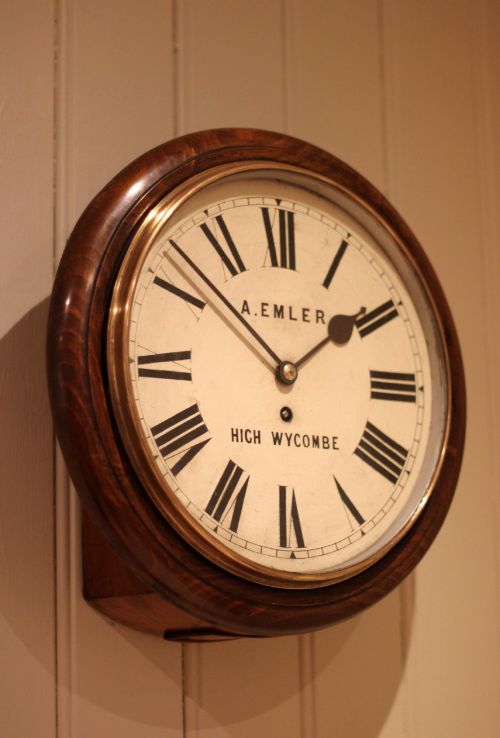
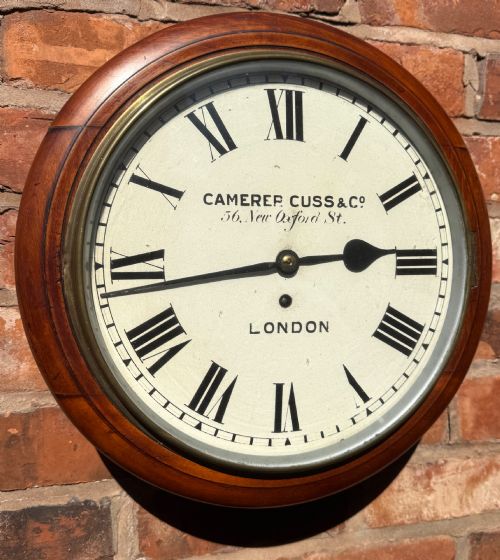
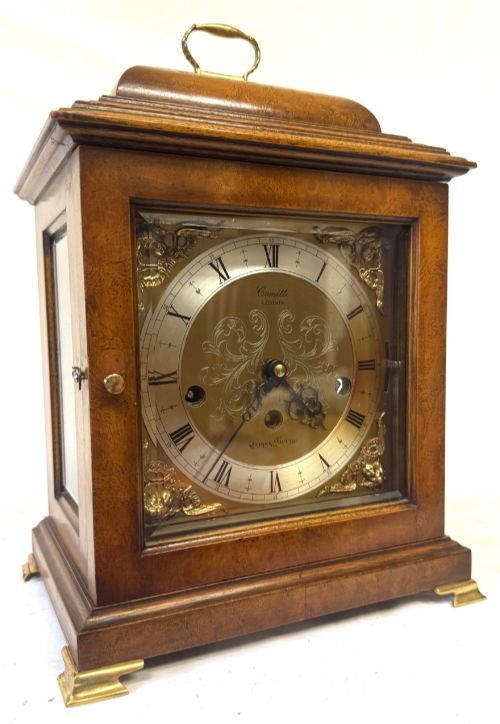
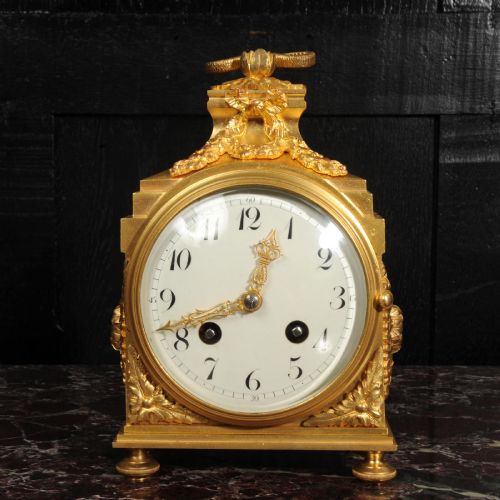
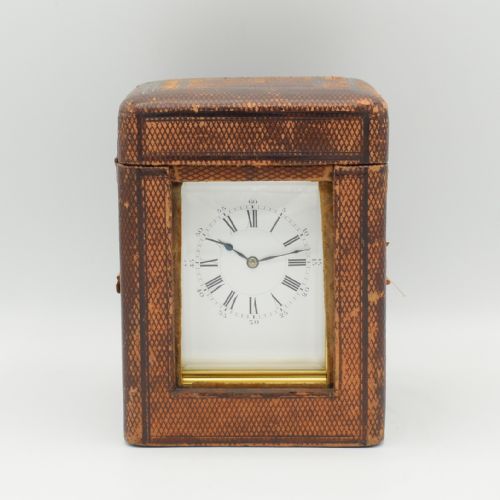
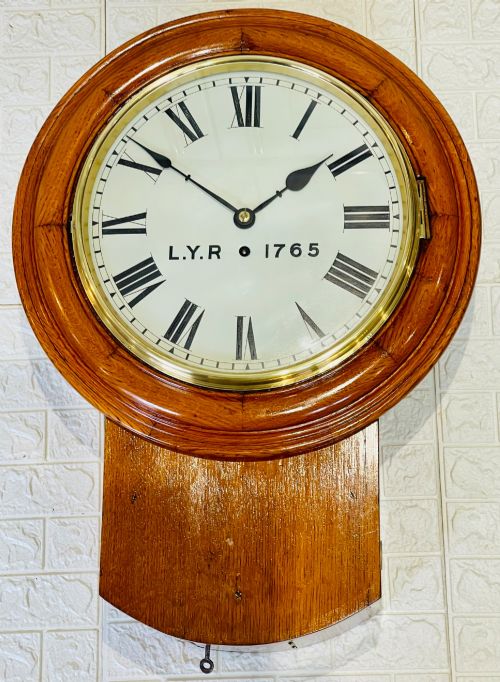
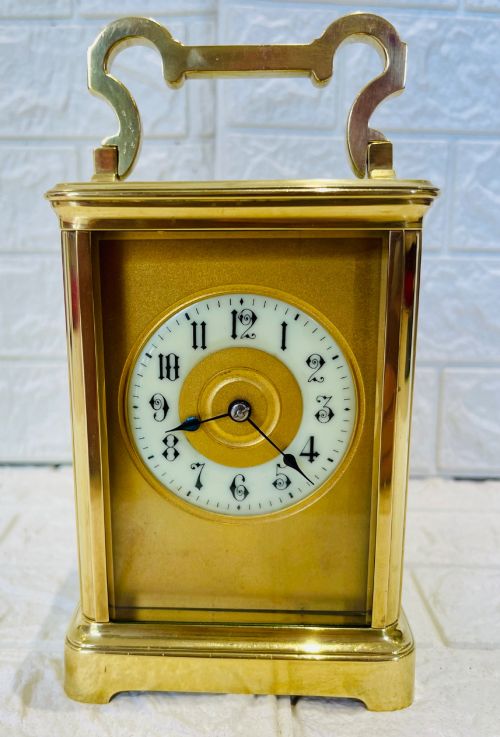
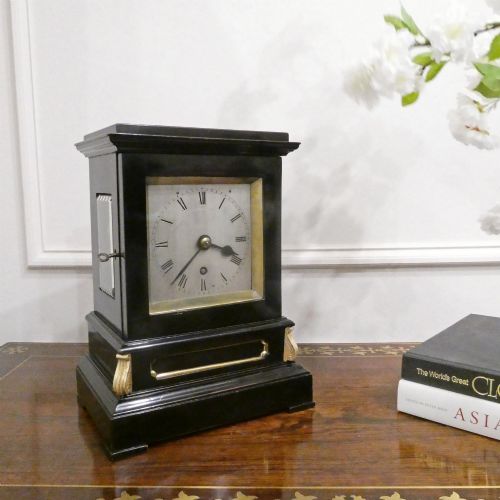
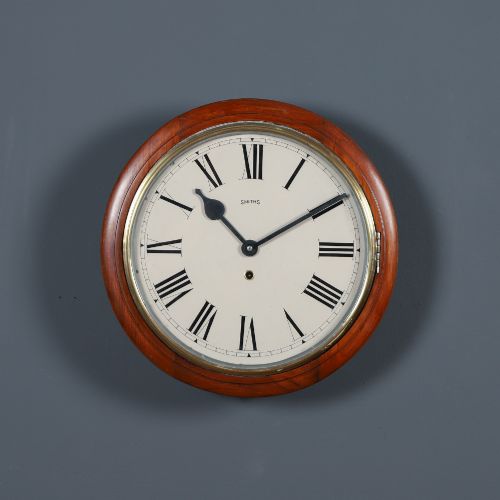
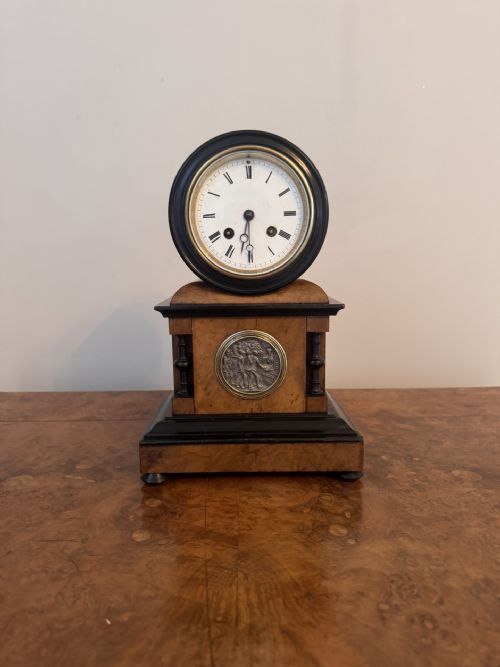
The selection ranges from Victorian fusee wall clocks in mahogany and oak to smaller carriage clocks housed in brass cases. Railway and school round dial examples appear frequently alongside French mantel pieces and larger longcase clocks.
Origins stretch from nineteenth-century workshops in Britain and France into mid-twentieth-century railway systems. These objects served functional roles in stations, offices, and libraries before becoming decorative fixtures.
Materials and construction
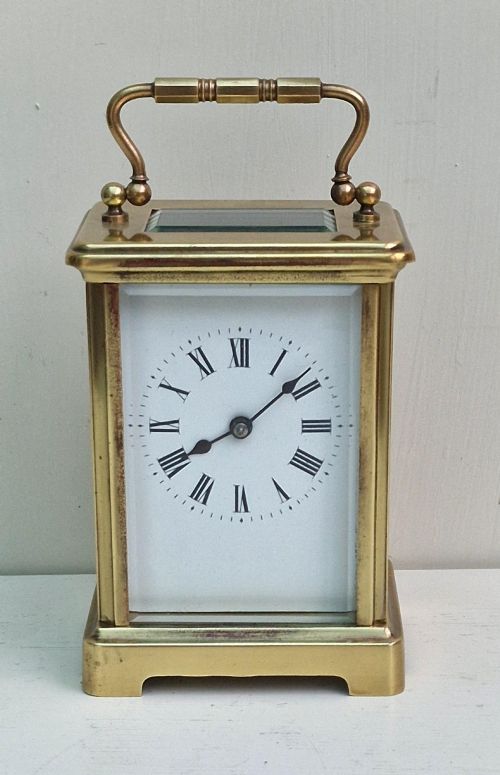
Cases combine timbers such as mahogany, oak, and burr walnut with brass bezels, glass viewing panels, and iron components. French carriage clocks utilise polished brass and bevelled glass panels to showcase the internal escapement.
Fusee movements regulate the pull of the mainspring using a cone-shaped pulley to maintain even force as the power winds down. Dial faces feature painted enamel, metal markers, and protective glass covers fitted into wooden or metal frames.
The selection includes wall-mounted railway clocks, portable carriage models, and tall longcase grandfather clocks.
Assessing craftsmanship and finish
Quality rests in the precision of the movement, the weight and choice of case timber, and the clarity of the enamel dial. Finer examples display signed movements from established makers, hand-engraved brass work, and robust fusee mechanisms rather than standard spring drives.
The integrity of the case construction, from matched burr walnut veneers to substantial mahogany and oak surrounds, distinguishes standard utility pieces from high-grade mantel and bracket clocks.
Camerer Cuss And Co·Comitti Of London·Henri Jacot·Mappin And Webb·Drocourt Paris·Richard Winter·Pickford Of London
The Mechanical Dial Clock Glossary
- Fusee
- A conical pulley connected to the mainspring by a chain or cord. This mechanism equalises the torque of the mainspring as it unwinds, ensuring steady timekeeping.
- Escapement
- The internal mechanism that controls the release of gear power to push the pendulum or balance wheel. It creates the characteristic ticking sound of the clock.
- Dial
- The visible face of the clock where numbers or Roman numerals indicate the hours and minutes. These often feature enamel paint or engraved brass.
- Carriage clock
- A small, portable spring-driven clock developed for travelling officers in the nineteenth century. They typically feature brass frames with glass panels and a folding handle.
- Grandfather clock
- A tall, floor-standing pendulum clock enclosed in a wooden case. They utilise long weights to drive the time and strike trains.
Mechanical Dial Clock: Frequently Asked Questions
What is a fusee dial clock?
A fusee dial clock uses a special conical pulley system to regulate power from the mainspring.
This mechanism ensures the clock maintains consistent tension and accuracy as it runs between windings.
How do you wind a mechanical clock?
Winding requires a dedicated key inserted into the winding holes on the dial face or movement back.
Care must be taken not to over-wind the spring, which can damage the internal gearing.
Where were dial clocks used historically?
These clocks hung in railway stations, schools, offices, and domestic hallways to provide clear timekeeping for the public.
Large round faces ensured visibility from a distance in busy working environments.
How do I date an antique clock?
Dating relies on stylistic clues in the wooden case, the shape of the dial, and maker signatures engraved on the movement.
Victorian and Edwardian pieces often display specific wood finishes and railway company markings that record their operational era.