
Mechanical Brass Table Clock
These mechanical brass table clocks keep the room alive with their quiet tick and steady chime.
Mechanical Brass Table Clock
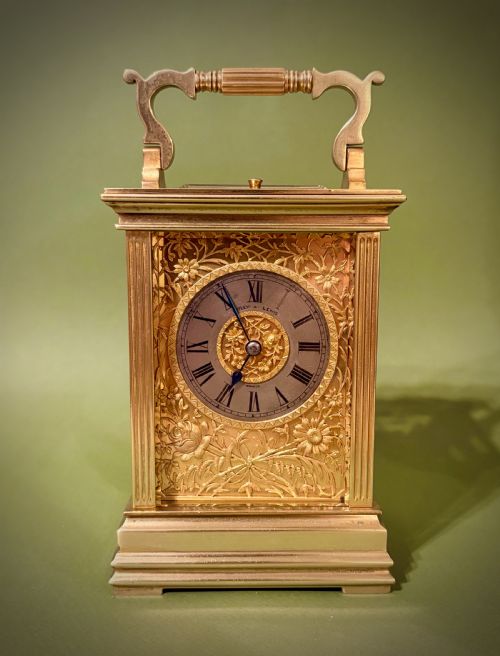
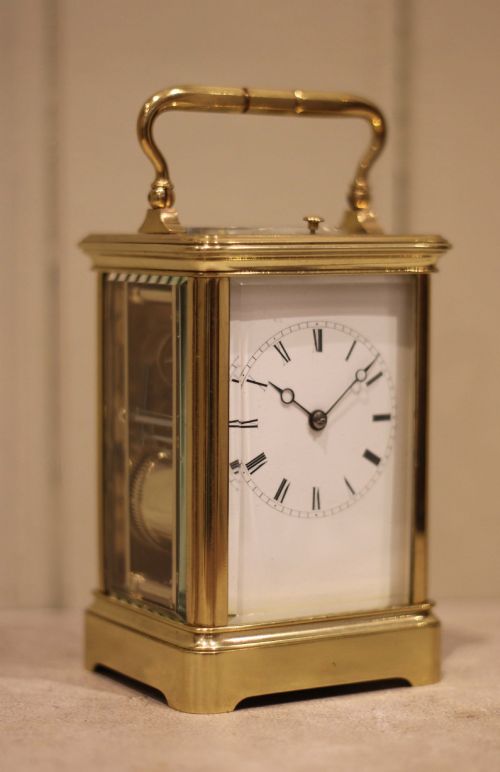
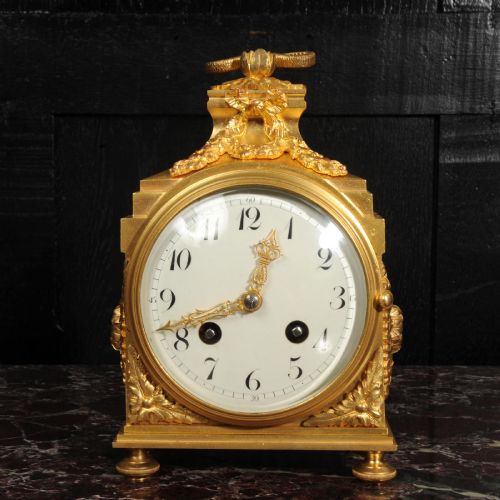
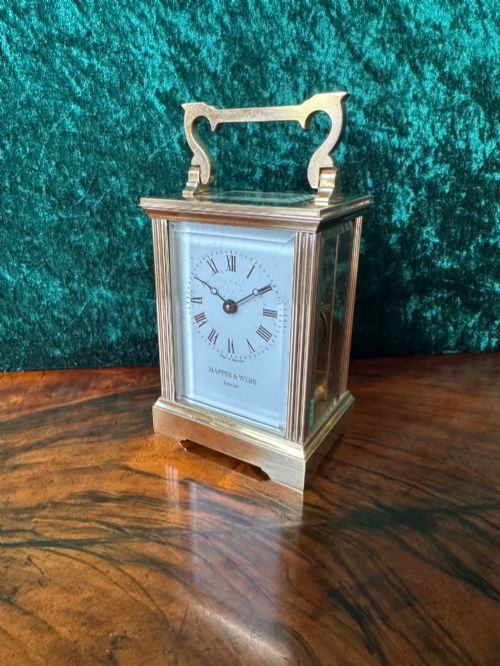
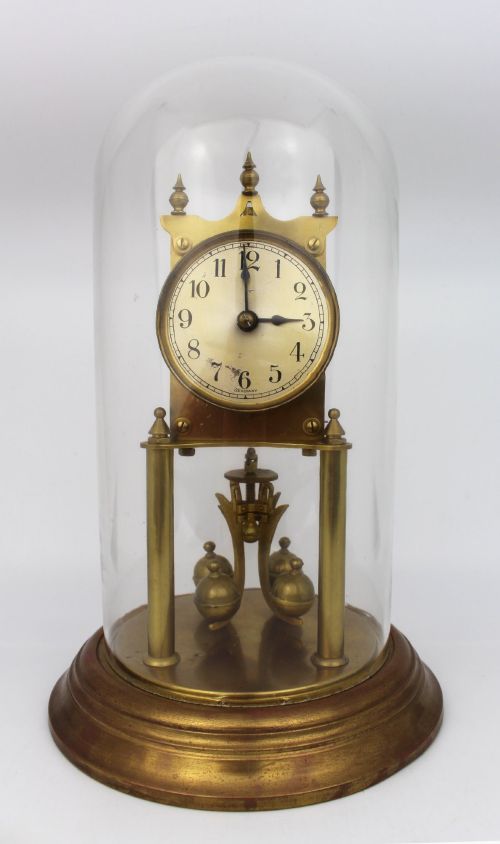
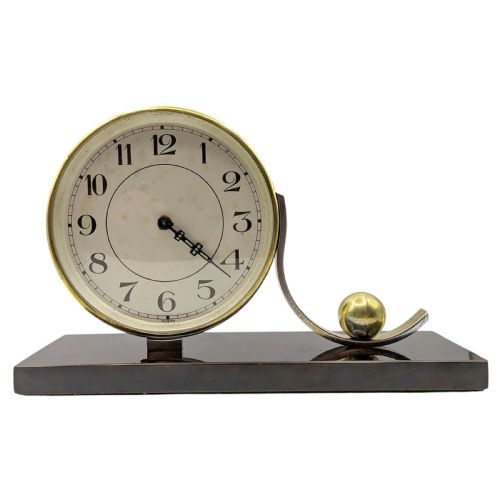
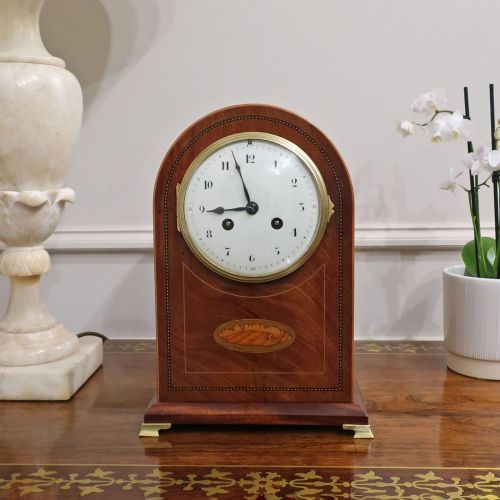
A mechanical brass table clock brings both precision engineering and striking presence to a room, functioning as a desk clock, carriage clock or mantel clock. When you search for a mechanical brass table clock, you find items spanning the Victorian era through the early twentieth century.
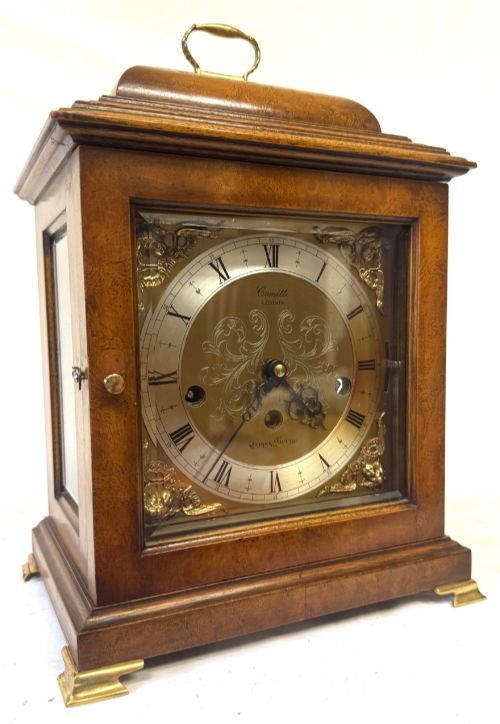
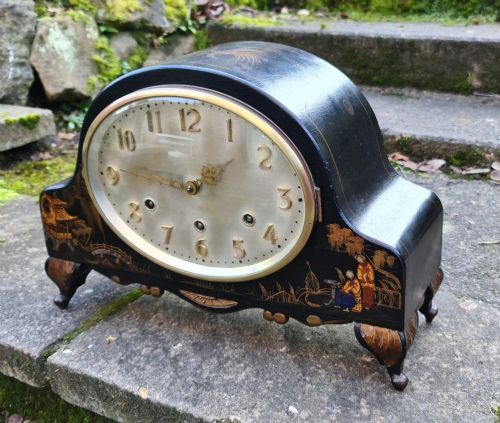
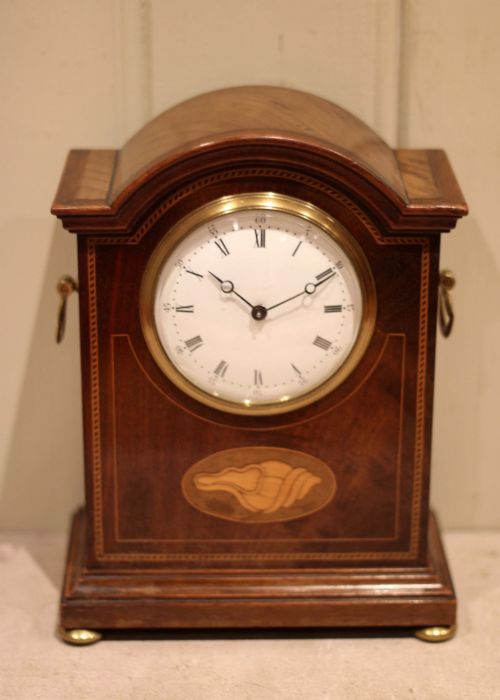
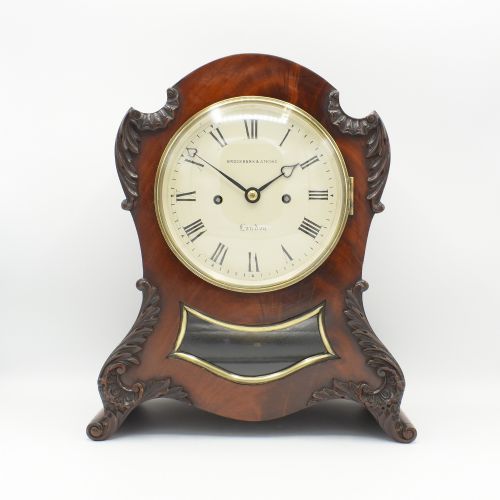
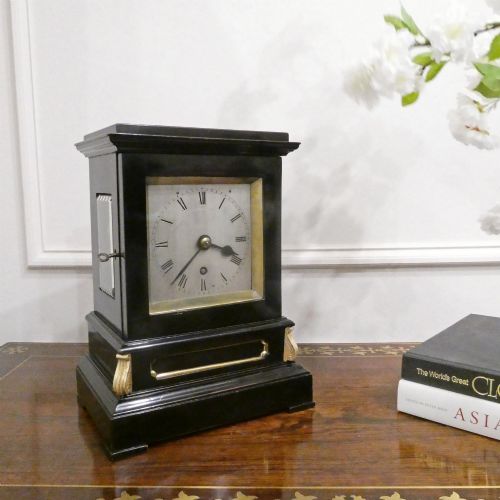
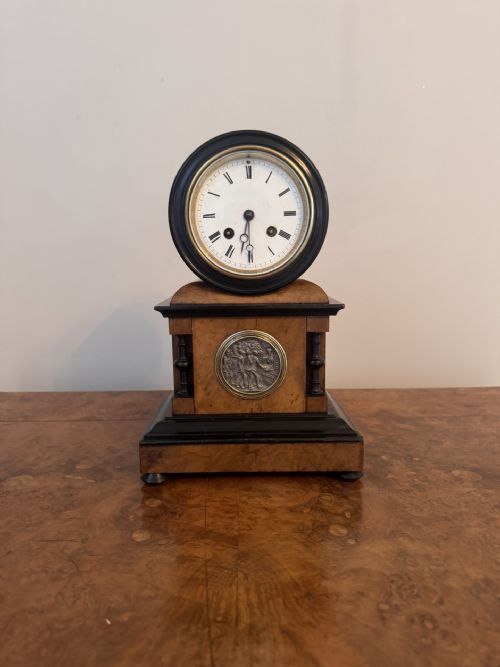
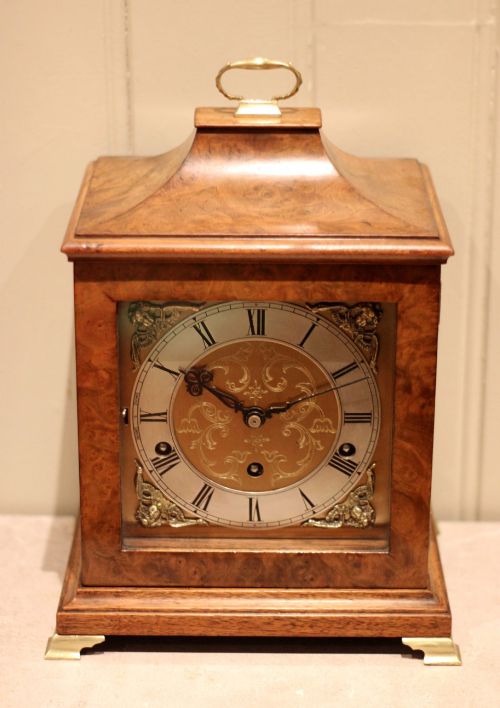
The most common examples on this page are French carriage clocks and English bracket clocks housed in brass, mahogany, ebonised wood or gilt brass cases. These pieces range from simple travel timepieces to complex repeating movements with enamel dials and glass panels.
Originating from periods such as the Regency era, Victorian Gothic and Art Deco, these clocks suit diverse interiors. They sit comfortably on a mantelpiece, desk or side table, serving practical timekeeping and decorative roles simultaneously.
How they were made
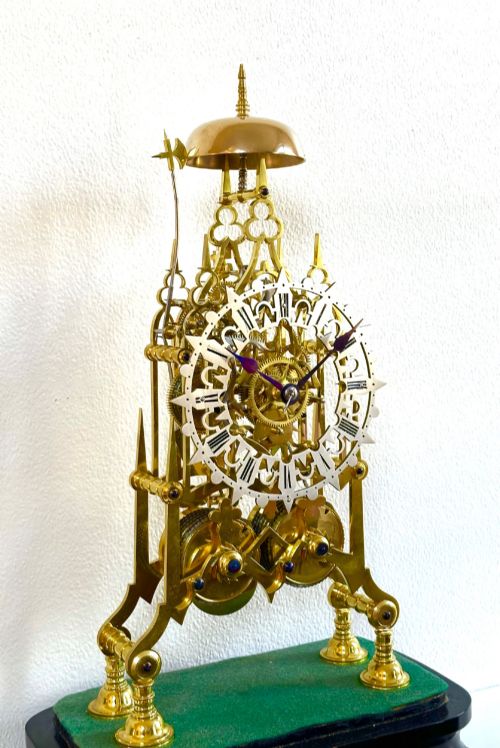
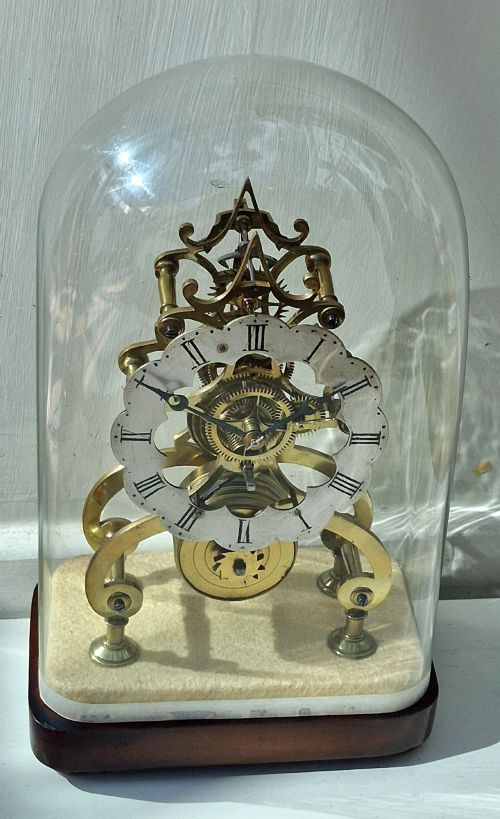
Makers housed complex mechanical movements inside solid brass, gilt brass, mahogany, ebonised wood and oak cases. Many pieces incorporate bevelled glass panels to display the intricate brass gear trains within.
Dials frequently utilise white enamel with painted Roman numerals, paired with finely pierced steel hands. Silvered metal dials and engraved gilt brass masks add further textural contrast to the face of the clock.
Movements rely on fusee or spring-driven mechanisms, sometimes with platform escapements or pendulum controls. Cabinetmakers and horologists collaborated to produce durable enclosures using brass, wood and glass.
Listings feature brass, glass, enamel, mahogany, ebonised wood, gilt brass, silvered metal and bakelite across periods from the Regency era to Art Deco.
What varies in quality
The refinement of the movement and the crispness of the brass casing set the better examples apart from standard production items. Hand-engraved gilt brass frames, clean enamel dials without hairline cracks, and movements with repeating functions indicate higher workmanship.
Cabinet quality also dictates value, seen in the selection of figured mahogany, burr walnut or heavy cast brass. Fine clocks retain original components, balanced proportions, and clear maker signatures on the dial or movement backplate.
Comitti Of London·Brockbanks And Atkins·Mappin And Webb·Richard Winter·Jaz
The Mechanical Brass Table Clock Glossary
- Carriage clock
- A portable spring-driven timepiece originally designed for travel, typically featuring a brass case with glass panels and a swing handle.
- Fusee movement
- A conical pulley device connected to the mainspring by a chain or cord, designed to equalise the driving force as the spring unwinds.
- Platform escapement
- A self-contained balance wheel and escapement assembly used in portable clocks instead of a hanging pendulum.
- Repeating movement
- A mechanism that chimes the hours and quarters on demand when a lever or cord is activated.
- Bracket clock
- A portable table clock historically placed on a wall bracket or furniture surface, often featuring a striking or chiming mechanism.
Mechanical Brass Table Clock: Frequently Asked Questions
How do I wind a mechanical table clock?
Insert the appropriate winding key into the dial arbor and turn it gently until you feel resistance. Do not overwind the mainspring, as this can damage the internal gearing.
Most spring-driven movements require winding every eight days or thirty hours depending on the design. Keep the winding key in a safe place so it stays paired with the clock.
Why does my carriage clock gain or lose time?
Changes in temperature, dust accumulation or an unlevel surface can affect the regulation of the balance wheel. Adjusting the small regulator lever on the platform escapement helps correct the timing.
If the timekeeping remains erratic after regulation, the movement may need professional cleaning and lubrication to remove old, hardened oils.
Where should I place a brass table clock?
Position the clock on a stable, level surface away from direct sunlight, draughts and moisture. Wooden mantelpieces and sturdy desks provide ideal support for heavy brass and wood cases.
Ensure the surface does not vibrate excessively from passing footfall, which can interrupt the delicate beat of the escapement.
How do I identify the period of a clock?
Examine the case style, materials and dial typography for clues to the era of manufacture. Regency and Victorian pieces often feature heavy mahogany cases and classical proportions, while Art Deco items display geometric Bakelite or oak designs.
Signatures on the movement backplate or dial frequently point to specific makers active during those periods.