


Masons Style Ironstone China
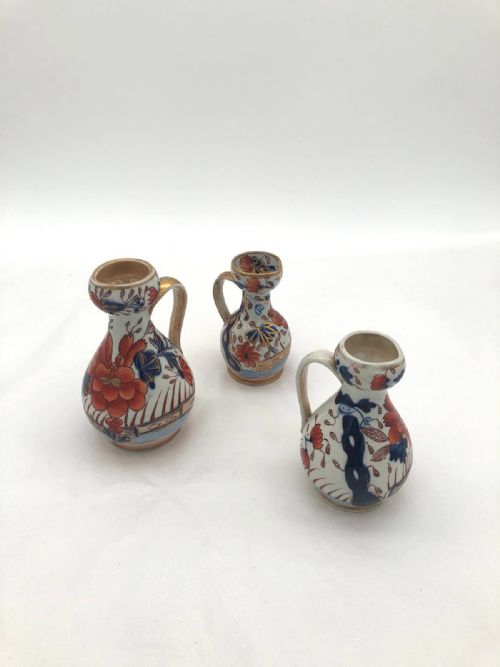
These masons style ironstone china pieces bring robust nineteenth century utility and bold pattern to the table.
Masons Style Ironstone China
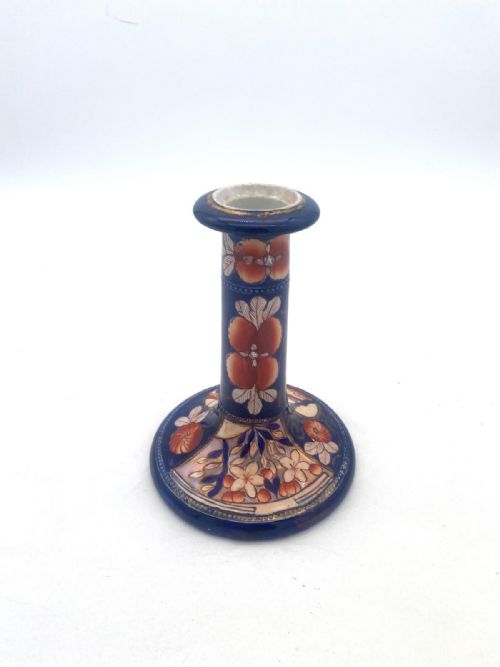
When you search for masons style ironstone china, you encounter robust ceramics designed for heavy domestic service during the nineteenth century. These items range from large soup tureens and dinner services to individual plates, jugs, and candlesticks.
The pieces on this page span the Regency and Victorian periods, reflecting shifting tastes from neoclassical restraint to exuberant decorative schemes. You will frequently find serving vessels and tableware decorated with specific named patterns like Old School House, Japan Basket, and Grasshopper.
Originating from English potteries, these heavy ceramics combine utility with striking visual presence. Their survival in sets of plates, soup bowls, and ashets demonstrates their enduring appeal for daily use and display alike.
How they were made
Makers produced these ceramics using heavy ironstone, a dense and durable body designed to withstand rigorous dining use. Potters shaped the clay into functional forms such as vegetable tureens, sauce tureens, pickle dishes, and large jug and basin sets.
Artisans applied vibrant enamel colours and gold leaf accents over white glaze to create rich surface decoration. Many pieces incorporate transfer-printed outlines filled in by hand, combining Chinoiserie and Imari motifs with gilt highlights.
Grasshoppers and water lilies hop across nineteenth century ironstone china, proving that even a sturdy soup tureen needs a touch of whimsy.
What varies in quality
The distinction between standard utility items and superior pieces lies in the crispness of the transfer printing and the richness of the hand-applied enamel work. Complex multi-coloured schemes involving extensive gilding demand greater skill from the decorator.
Completeness of a service and the survival of matching covers on tureens, teapots, and vegetable dishes alter the character of a piece. Well-preserved gilding and vibrant glaze retention elevate the visual impact of nineteenth century examples.
Mason's Ironstone China
The Masons Style Ironstone China Glossary
- Ironstone
- A dense, heavy ceramic body patented in the nineteenth century for its durability. It serves as a robust alternative to porcelain.
- Ashet
- A large flat dish or platter used for serving meat or joints at the table. These often form part of large dinner services.
- Tureen
- A deep covered vessel designed for serving soup, sauce, or vegetables. They frequently sit upon matching stands and feature elaborate handles.
- Imari
- A decorative style inspired by Japanese export wares, utilising iron red, cobalt blue, and gold. Victorian iterations often combine this palette with ironstone forms.
- Chinoiserie
- European artistic interpretations of Chinese and East Asian decorative motifs. These patterns appear frequently on nineteenth century tablewares.
- Gilt
- A thin layer of gold leaf or gold paint applied to ceramic surfaces for decoration. It highlights rims, handles, and pattern details.
Masons Style Ironstone China: Frequently Asked Questions
How do I date masons style ironstone china?
Dating relies on stylistic shifts between the Regency and Victorian periods, alongside pattern names and potting characteristics. Earlier pieces often display robust neoclassical lines or direct Chinoiserie influences.
Later Victorian examples tend towards heavier proportions and denser floral or Imari decoration. Comparing pattern registrations and ceramic bodies helps narrow the decade of production.
Can I use these antique items for dining?
These pieces were built as durable utility wares for nineteenth century households and remain robust enough for careful modern use. Hand washing protects the delicate enamel colours and gold leaf highlights from detergent damage.
Avoid thermal shock by keeping ironstone away from microwaves and extreme temperature changes. Treating them with gentle care ensures these historic tablewares survive for future generations.
What are ashets and how were they used?
Ashets are large platters designed for presenting roasted meats, fish, or joints at the centre of the dining table. They formed an essential component of substantial nineteenth century dinner services.
Their generous proportions allowed hosts to serve large gatherings during formal meals. Today, they function well as display pieces or serving platters.
How do I identify different pattern styles?
Pattern identification involves examining the motifs, such as the architectural elements in Schoolhouse designs or the insects in Grasshopper patterns. Chinoiserie patterns often feature fences, bamboo, and exotic birds rendered in enamels.
Comparing the specific arrangement of flowers, leaves, and borders links a piece to its named nineteenth century series. Many patterns saw production across multiple decades with subtle variations in palette.