


Antique English Ironstone Porcelain
Antique english ironstone porcelain offers heavy earthenware strength combined with refined porcelain detail, providing durable tableware and display pieces designed to last.
Antique English Ironstone Porcelain
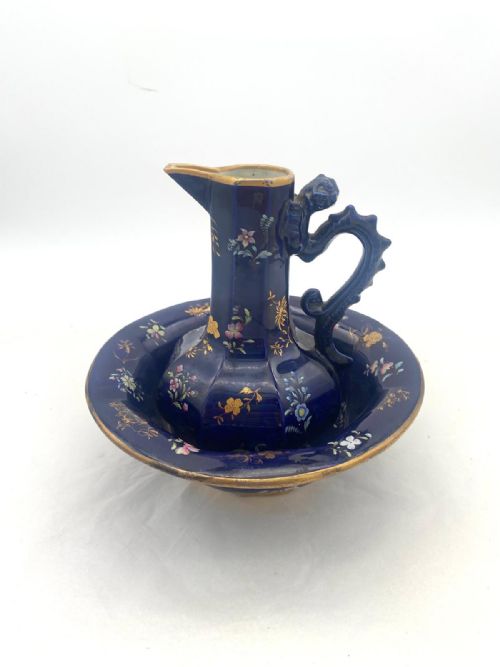
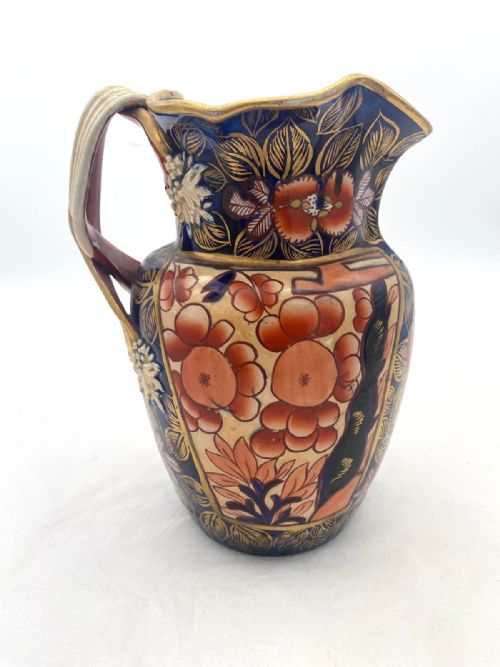
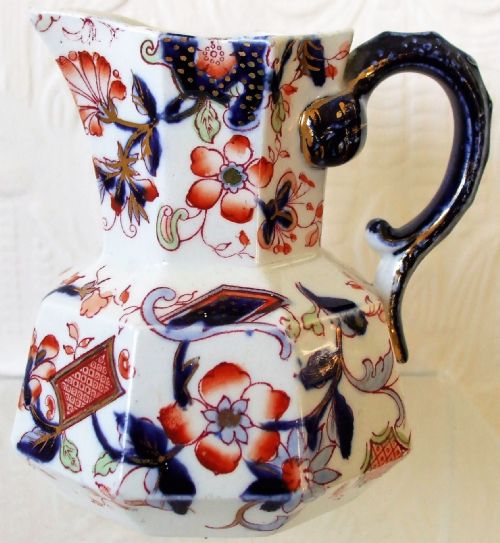
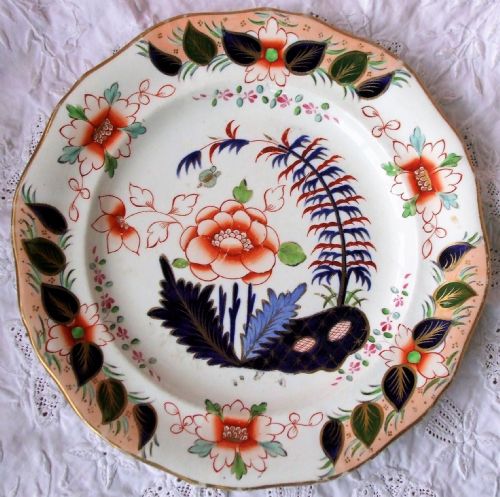
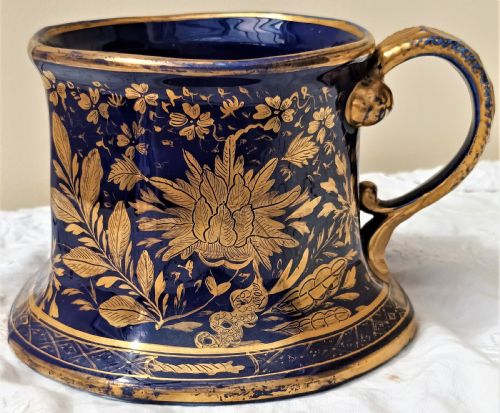
When you search for antique english ironstone porcelain, you encounter heavy, durable ceramic objects designed for both practical domestic service and decorative display. These items bridge the gap between robust earthenware and delicate china, offering exceptional utility alongside intricate visual appeal.
The pieces on this page span the nineteenth century, including Georgian, Regency, Victorian, and Edwardian eras. You will find everyday tableware alongside grand display items, reflecting the broad range of domestic production during these periods.
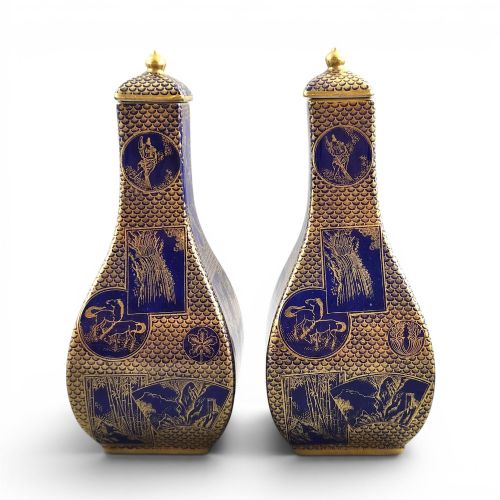
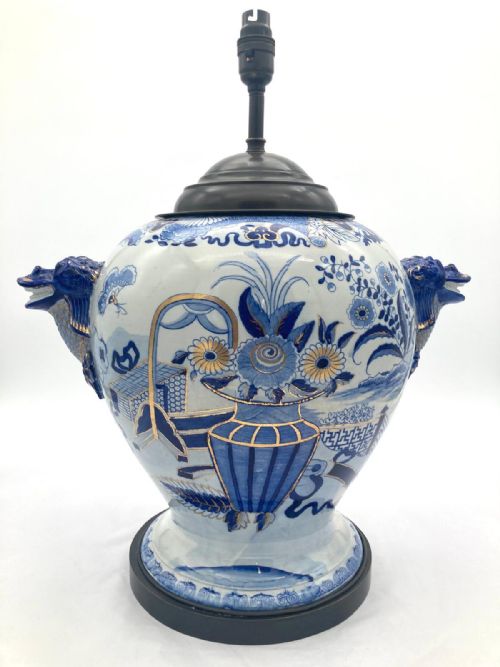
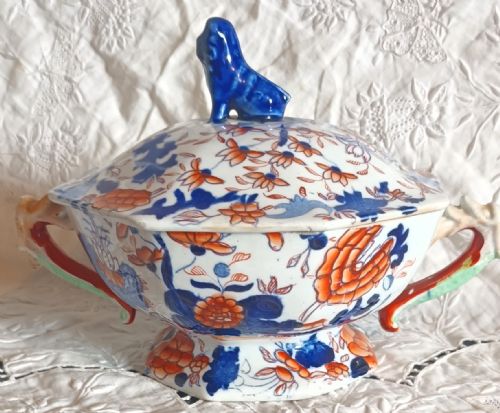
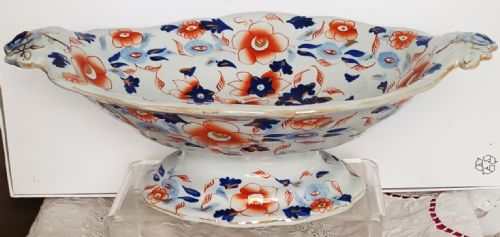
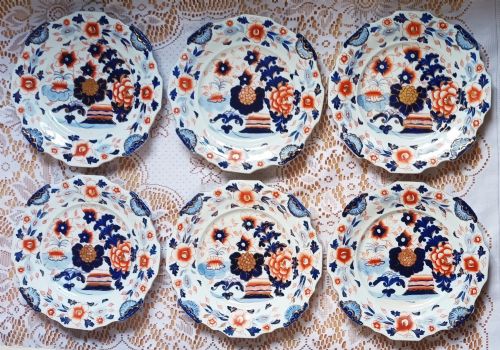
Form varies widely, encompassing useful vessels like jugs, tureens, plates, and cheese domes, as well as decorative items such as vases, garden seats, and comports. These objects demonstrate the versatility of the material across numerous household functions.
How They Were Made
Potters produced this ware using a dense body of earthenware mixed with feldspathic stone, fired at high temperatures to achieve stone-like durability. This heavy ceramic base provided a strong foundation capable of supporting elaborate painted designs and moulded forms.
Makers applied hand-painted and transfer-printed decorations, often incorporating cobalt blue, enamel colours, and gilding with gold leaf. Glaze sealed the surface, while subsequent low-temperature firings fixed the polychrome details and metallic highlights securely onto the pottery.
Garden seats designed to withstand the elements found themselves brought indoors to support heavy floral arrangements during unexpected nineteenth-century dinner parties.
What Varies in Quality
Quality rests upon the crispness of the moulded relief work and the precision applied during transfer printing or hand painting. Superior examples exhibit sharply defined patterns, rich cobalt tones, and carefully applied gilding that remain vibrant and securely adhered to the glazed body.
The artistic ambition of the form also distinguishes finer pieces, with complex shapes such as octagonal jugs, pierced chestnut baskets, and lidded garnitures requiring advanced potting skill. Weight, proportion, and the harmony between form and decorative pattern dictate the distinction between standard utility ware and masterworks.
Mason's·Hicks and Meigh·Keeling and Co·John Davenport of Longport·Spode·Copeland
The Antique English Ironstone Porcelain Glossary
- Ironstone
- A heavy, durable ceramic material patented in the nineteenth century, combining earthenware clay with feldspar to imitate true porcelain while offering superior strength.
- Chinoiserie
- A decorative style inspired by European interpretations of Chinese art, frequently featuring pagodas, exotic birds, and garden landscapes on ceramics.
- Imari
- A traditional Japanese palette adapted by English potters, characterised by rich underglaze blue, iron red, and gilt details.
- Comport
- A raised dish or bowl used for serving fruit or desserts at the dining table, often standing on a central foot.
- Gilding
- The application of gold leaf or gold paint to ceramic surfaces, enhancing decorative motifs and borders.
- Tureen
- A deep covered bowl designed for serving soup, sauce, or vegetables during formal meals.
Antique English Ironstone Porcelain: Frequently Asked Questions
What is ironstone porcelain?
Ironstone is a robust ceramic body patented in the nineteenth century to provide the durability of earthenware with the refined appearance of Chinese porcelain. It resists chipping and cracking far better than standard pottery.
The material allowed nineteenth-century potteries to produce heavy tableware and decorative vases that could withstand rigorous daily use while supporting intricate transfer-printed and hand-painted surface decoration.
How do I date these pieces?
Dating relies on maker marks, pattern names, and stylistic traits associated with the Georgian, Regency, Victorian, and Edwardian periods. Early nineteenth-century examples often feature vibrant Chinoiserie designs and rich cobalt blue grounds.
Examining the base for impressed factory marks or printed backstamps helps narrow the production era. Stylistic shifts from neoclassical Regency shapes to exuberant Victorian forms further clarify the chronology.
Were these items meant for daily use?
Many items, such as plates, soup bowls, jugs, and cheese domes, were manufactured for practical dining and kitchen service. Their heavy ironstone construction made them exceptionally suited to the demands of nineteenth-century households.
Other forms, including large garniture vases, pot-pourri vessels, and garden seats, served primarily as decorative ornaments for drawing rooms and hallways rather than utilitarian table service.
How should I display ironstone?
Ironstone displays well in traditional or contemporary settings, where its heavy substance and bright enamel colours provide strong visual contrast. Placing large vases or comports on sturdy sideboards highlights their sculptural forms.
Plates and platters look striking arranged on walls or displayed within open cabinetry, allowing the intricate blue transfer prints and Imari patterns to be viewed closely.