


Blue Ironstone Serving Dish
A blue ironstone serving dish brings robust ceramic strength and striking transfer-printed or hand-painted colour to the dining table.
Blue Ironstone Serving Dish
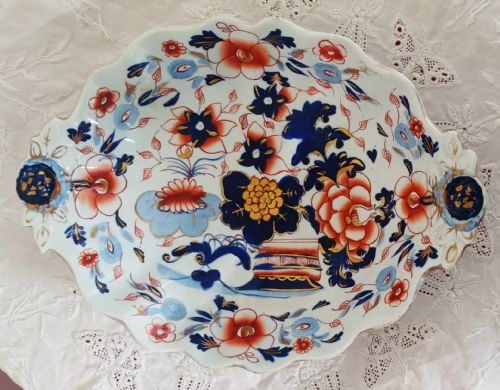
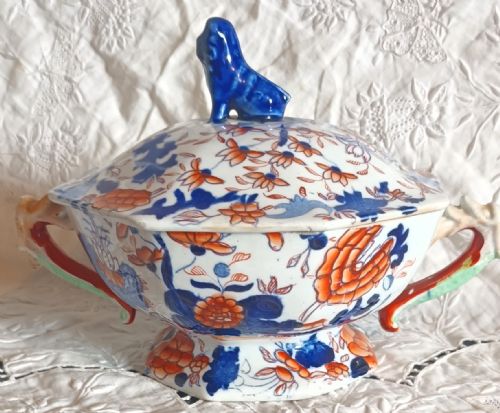
When you search for a blue ironstone serving dish, you encounter heavy utility wares designed for the grand dining rooms of the nineteenth century. These vessels range from meat platters and well and tree platters to lidded tureens and low comports produced during the Georgian and Victorian periods.
The versions most commonly met on this page are large platters and tureens bearing blue and white transfer prints or orientalist patterns. Pieces span the early nineteenth century through to the eighteen-eighties, reflecting the industrial scale of ceramic production in England.
Forms include specialised items such as strainers, cheese dishes, and dessert shapes alongside standard serving dishes. They display influences from Japanese Imari and Chinese Chinoiserie aesthetics adapted by English potteries.
How they were made
Potters utilised ironstone china and earthenware bodies, creating a dense, durable ceramic substrate designed to withstand heavy daily use. This vitrified material offered superior strength compared to standard earthenware while maintaining the refined appearance of porcelain.
Decoration relied heavily on blue transfer printing, sometimes enhanced with enamel colours and gold leaf or gilding. Glaze was applied over the fired body to seal the surface and protect the intricate patterns underneath.
Grasshoppers and pagodas march across these heavy platters, proving the nineteenth-century British kitchen held a remarkably fantastical view of geography.
What varies in quality
Quality separates standard utility vessels from ambitious presentation pieces through the crispness of the transfer print and the application of hand-painted enamel and gilding. Finer examples feature intricate multi-colour details over the blue print, such as Imari or Chinoiserie motifs.
The scale and ambition of the form also dictate distinction, moving from simple platters to large soup tureens with covers, stands, and matching ladles. Potter marks and specific named patterns indicate factory origin and elevate the status of individual pieces.
Mason's Ironstone·Minton·Coalbrookdale
The Blue Ironstone Serving Dish Glossary
- Ironstone China
- A patented ceramic material developed in the nineteenth century to provide a durable and dense alternative to porcelain. It combines feldspar, china stone, and clay.
- Transfer Print
- A decoration technique where an engraved copper plate transfers a design onto tissue paper, which is then stamped onto the ceramic body. This method allowed for consistent and detailed blue patterns.
- Well and Tree Platter
- A large serving dish featuring a channel around the edge and a recessed well connected by grooves to drain meat juices during carving. These were essential for large Victorian dining tables.
- Comport
- A raised dish or bowl used for serving dessert, fruit, or small sweetmeats at the conclusion of a formal meal. They sit on a footed base or pedestal.
- Tureen
- A deep covered bowl designed for serving soup, vegetables, or sauces at the table. They frequently include matching stands and decorative handles.
Blue Ironstone Serving Dish: Frequently Asked Questions
What is ironstone china?
Ironstone china is a heavy, durable ceramic body patented in the nineteenth century to resist chipping while mimicking porcelain.
It provides a sturdy foundation for the large platters and tureens found in nineteenth-century dining rooms.
How were serving dishes used?
Serving dishes held joints of meat, vegetables, soup, or cheese during large formal meals in Georgian and Victorian households.
Specialised forms like well and tree platters managed meat juices, while tureens kept gravies and soups warm at the table.
How do I identify periods?
Periods are identified through a combination of ceramic body weight, decorative style, and factory marks stamped into the glaze.
Georgian pieces often display heavier ironstone bodies with Chinoiserie transfer prints, whereas Victorian examples introduce varied enamel highlights and Imari palettes.
Can I use them daily?
These ceramic vessels were originally manufactured for robust daily utility in country house kitchens and dining rooms.
Hand washing preserves the historic glaze, enamel details, and gold leaf gilding found on nineteenth-century surfaces.