

Marquetry Cabinet with Glass
A marquetry cabinet with glass brings together intricate timber work and clear display, offering a refined way to store and show treasured objects.
Marquetry Cabinet with Glass
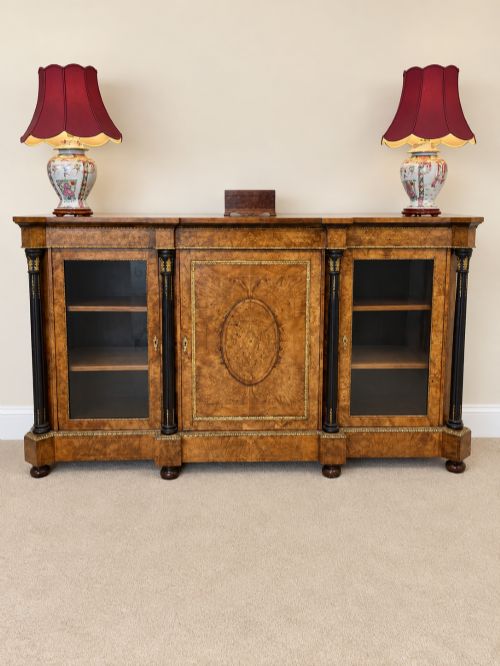
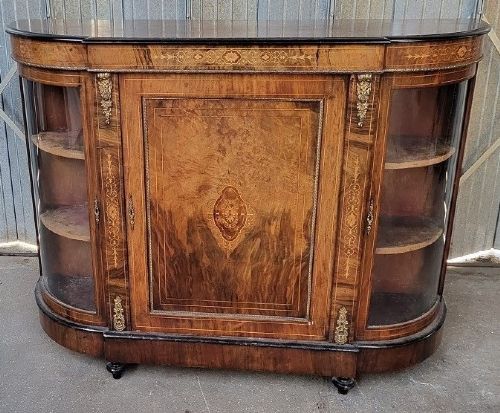
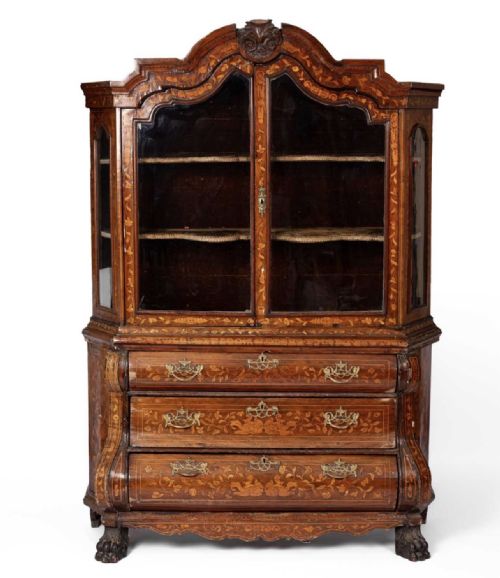
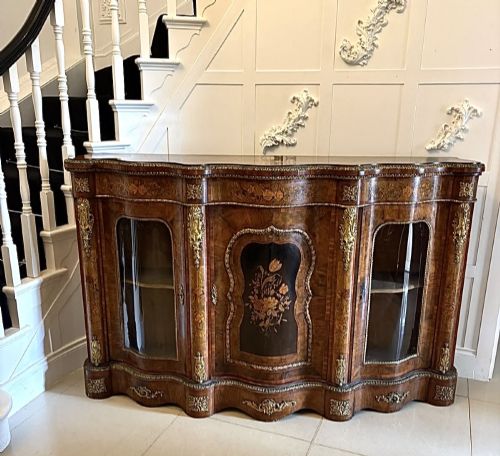
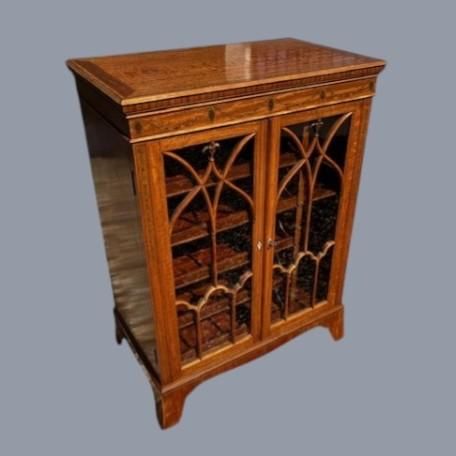
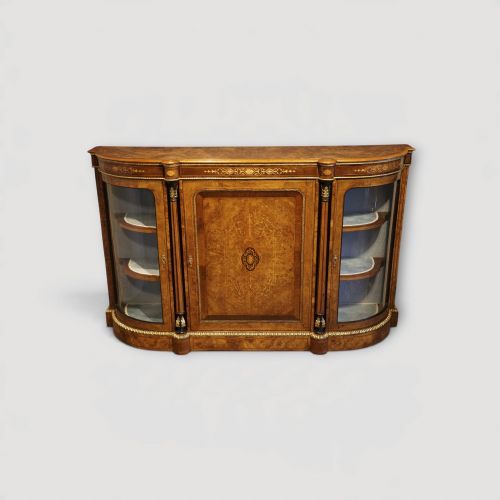
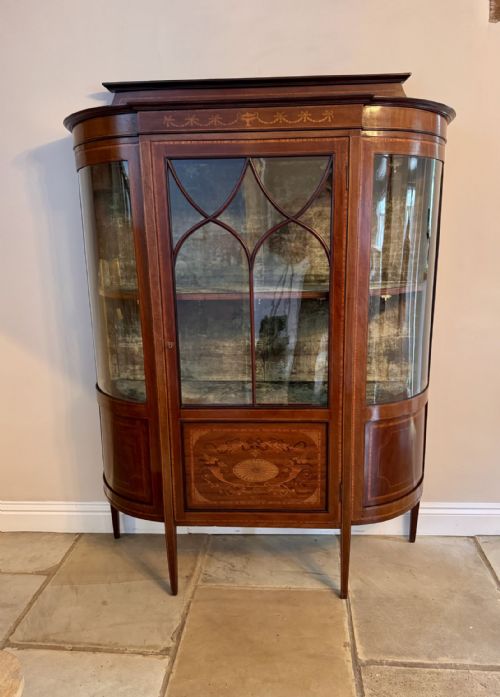
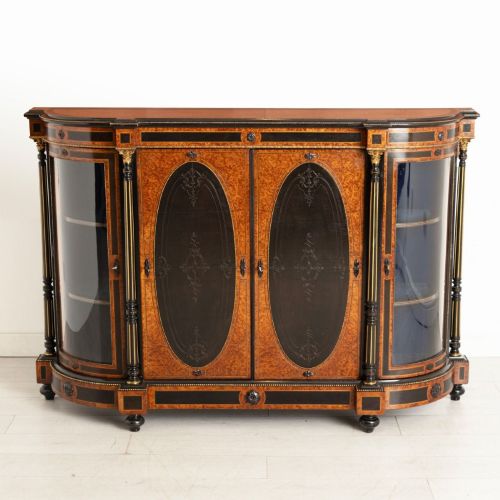
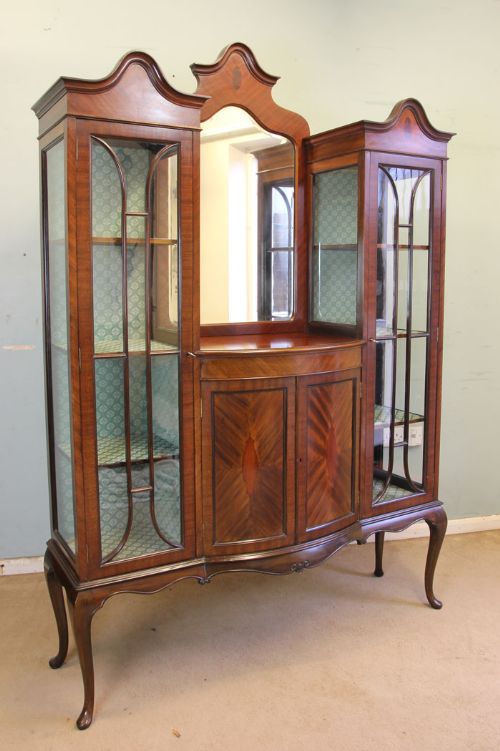
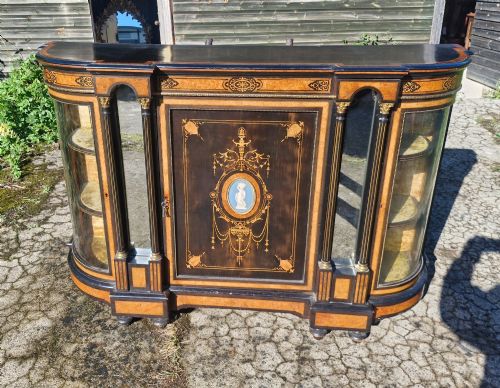
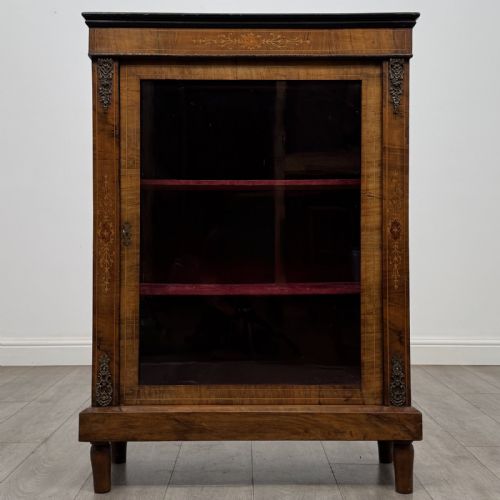
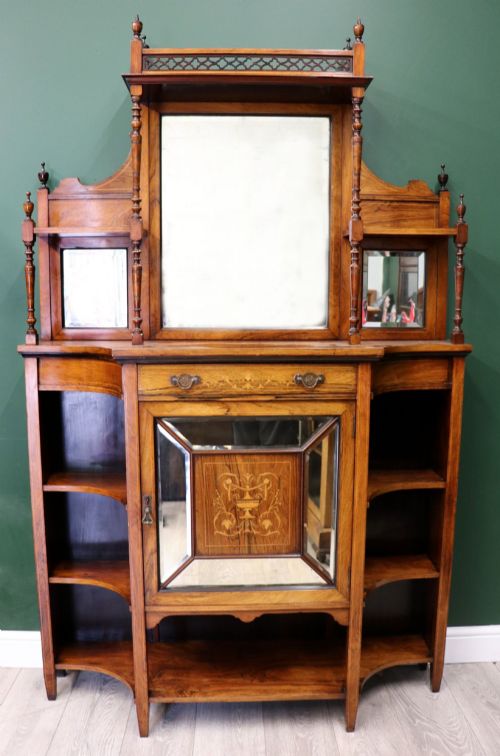
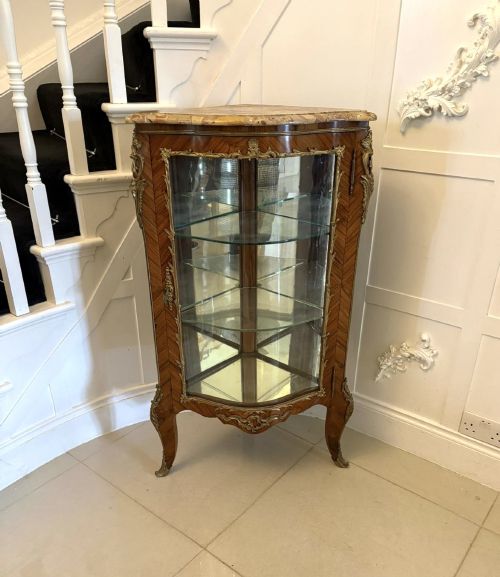
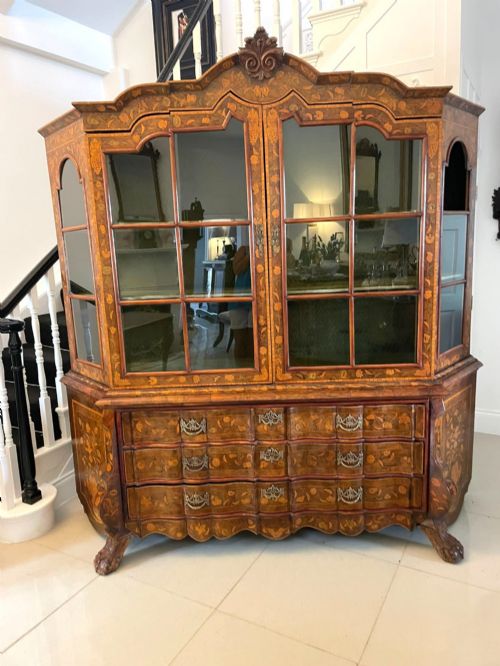
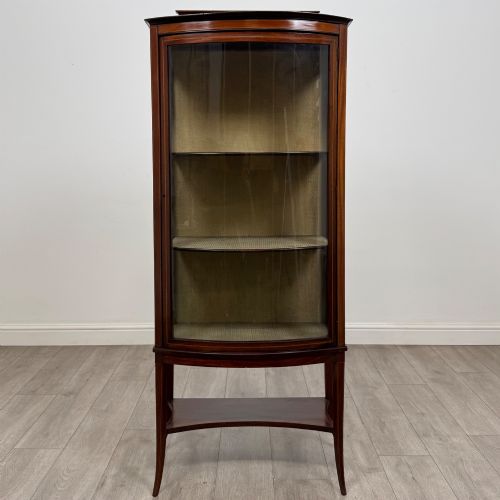
A marquetry cabinet with glass generally takes the form of a display cabinet, a credenza, or a pier cabinet originating from the nineteenth and early twentieth centuries. These pieces combine glazed doors or vitrine tops with detailed wood inlay, reflecting Victorian, Edwardian, and revival tastes.
The most common versions encountered here date from the Victorian and Edwardian eras, spanning periods such as 1860, 1870, 1880, and 1900. Styles range from French Rococo Revival and Louis XV Revival to Sheraton Revival, showcasing varied regional influences.
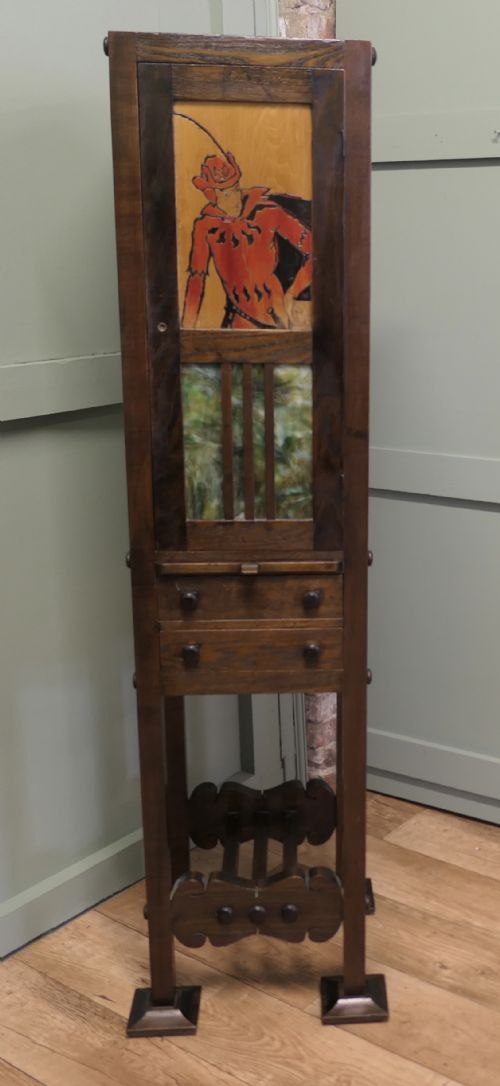
Forms vary from serpentine corner display cabinets and library bookcases to low credenzas and music sheet cabinets. Many incorporate marble tops and glazed compartments designed to protect delicate collections while keeping them visible.
Materials and construction methods
Cabinet makers utilised a foundation of solid timbers such as mahogany, walnut, burr walnut, satinwood, and kingwood, often enhanced with contrasting veneers like boxwood, fruitwood, rosewood, and ebony to create elaborate marquetry patterns.
Metal mounts in ormolu and decorative brass hardware were frequently applied to accentuate structural lines and corners, particularly on pieces influenced by French design.
Glass panels are fitted into glazed doors or upper vitrine sections, requiring precise joinery to house the fragile panes securely alongside curved or serpentine wooden frames.
Marquetry Cabinet with Glass Retail Price Guide 2026
Typical asking prices for marquetry cabinet with glass among the pieces listed under this phrase on Sellingantiques today, from the lower quarter to the upper quarter. They describe what is for sale here now, not the wider market.
Listings feature pieces spanning the 19th Century, Victorian, and Edwardian periods, constructed in mahogany, walnut, satinwood, and kingwood.
Distinctions in craftsmanship
Quality rests in the precision and complexity of the marquetry and inlay work, where tightly fitted contrasting veneers demonstrate superior hand-cutting skills.
The choice of primary timber and secondary woods, such as figured walnut, kingwood, or satinwood, marks the distinction between standard production and works by notable makers.
The integration of heavy cast ormolu mounts, genuine marble tops, and well-balanced serpentine proportions elevates the architectural presence of the piece.
Maison Gagneau·François Linke·Maple and Co.
The Marquetry Cabinet with Glass Glossary
- Marquetry
- Decorative veneer work assembled in patterns using various coloured woods to form pictorial or geometric designs. This technique covers the surfaces of doors, friezes, and panels.
- Ormolu
- Gilded bronze used for decorative mounts and feet, cast and chased with intricate detail. It provides a bright metallic contrast against dark timbers.
- Vitrine
- A glass-fronted display cabinet or upper bookcase section designed to exhibit porcelain, books, or small objects. The glass allows light to enter from multiple angles.
- Serpentine
- A gently undulating curved line, shaped outward in the centre and inward at the sides. This contour adds movement and visual softness to the front of a cabinet.
- Pier cabinet
- A narrow freestanding cabinet designed to fit against the wall space between windows. These pieces often feature single glazed doors and inlaid top surfaces.
Marquetry Cabinet with Glass: Frequently Asked Questions
What is a marquetry cabinet with glass used for?
These cabinets served historically to store and exhibit prized possessions, books, ceramics, or music sheets behind protective glass doors. The glazed compartments kept dust away while allowing owners to display their collections in principal rooms.
Today, they perform much the same function in domestic interiors. They offer functional storage alongside a decorative focal point for displaying modern collections or family heirlooms.
How do I date a Victorian or Edwardian glass cabinet?
Dating relies on observing the prevailing styles, timber choices, and construction methods recorded across the nineteenth and early twentieth centuries. Victorian pieces frequently employ burr walnut or rosewood with heavy ormolu mounts, while Edwardian examples often feature lighter satinwood and Sheraton Revival inlay.
Examining the interior linings, backboards, and hinge types also helps determine the exact period. Comparing the stylistic markers against documented revival movements narrows the decade of production.
Where should I place a display cabinet at home?
A display cabinet requires a stable environment away from direct sunlight and sudden temperature shifts to protect antique veneers and glass. Placing the piece against a flat interior wall or in a corner space ensures it remains secure and prominent.
Consider room lighting when positioning the cabinet, as natural or artificial light passing through the glass highlights the inlaid timber details and internal contents.
What is the difference between a credenza and a vitrine?
A credenza is typically a low, sideboard-style cabinet featuring cupboards or glazed doors, often surmounted by marquetry and ormolu mounts. It sits lower to the ground and provides broader surface space on top.
A vitrine is primarily a tall glass display case designed specifically for visibility from all sides, sometimes sitting atop a cabinet base. Its main purpose is exhibition rather than general sideboard storage.