

Antique Credenza with Shelves
An antique credenza with shelves brings together architectural presence and practical display, offering sophisticated storage shaped by nineteenth-century cabinet-makers.
Antique Credenza with Shelves
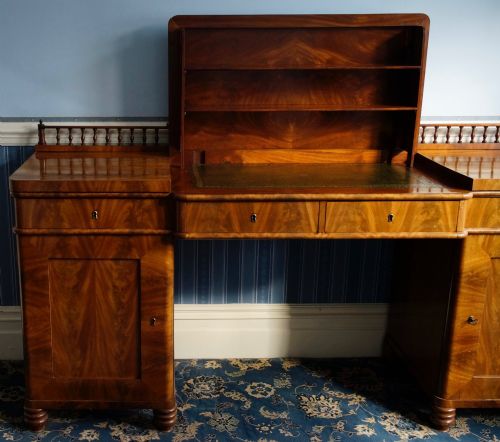
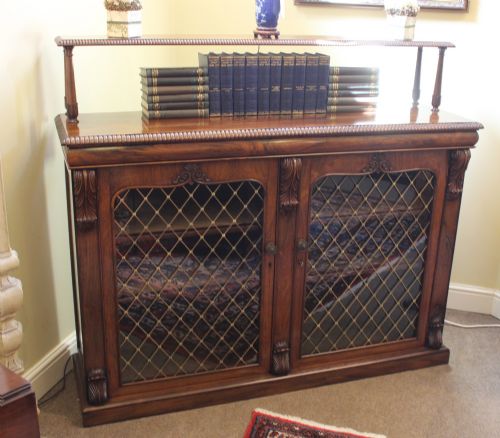
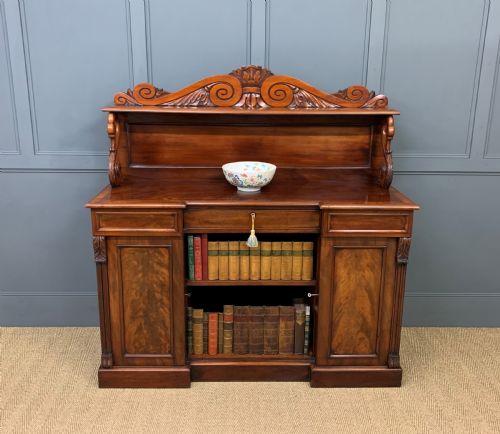
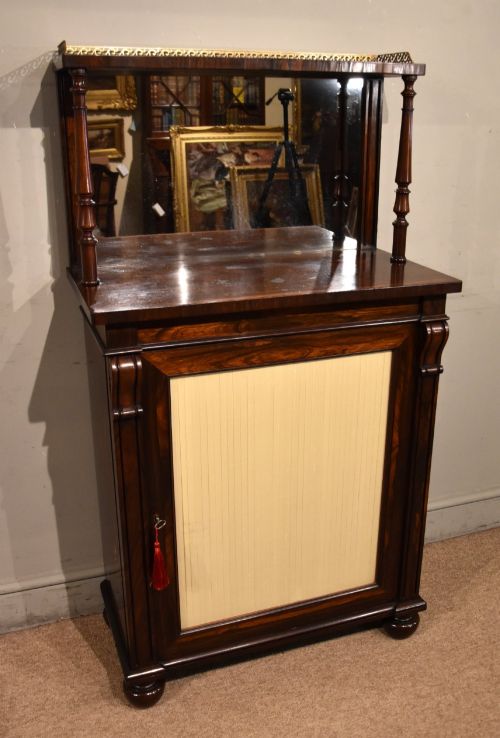
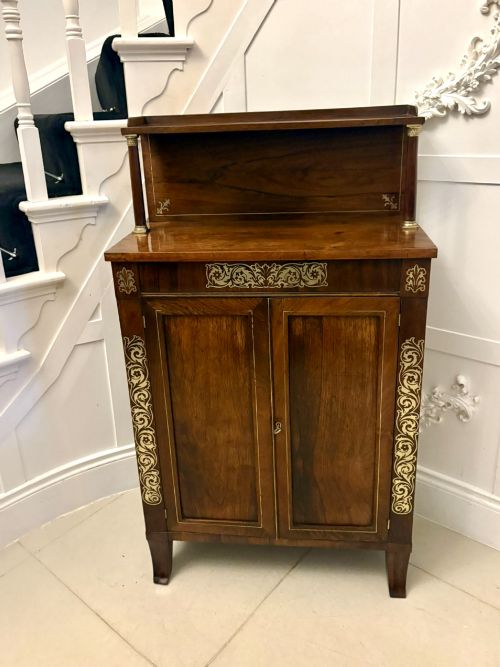
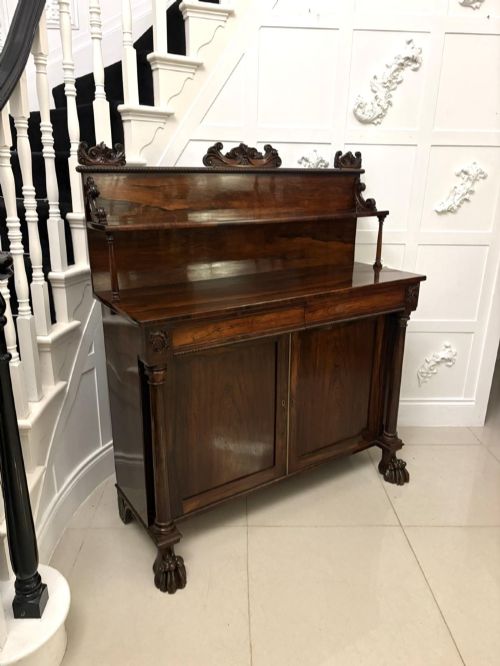
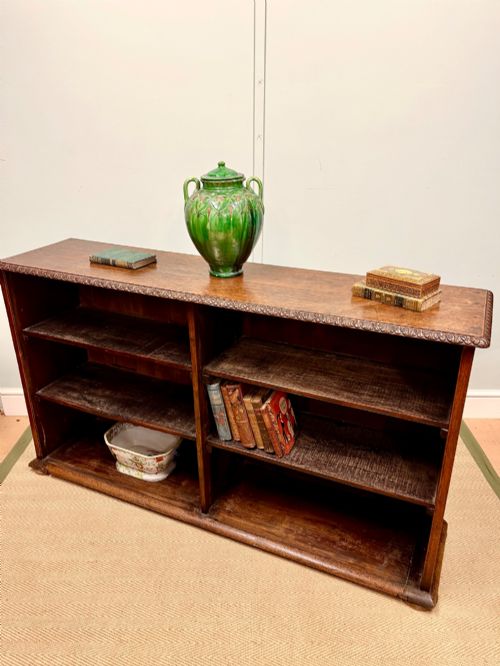
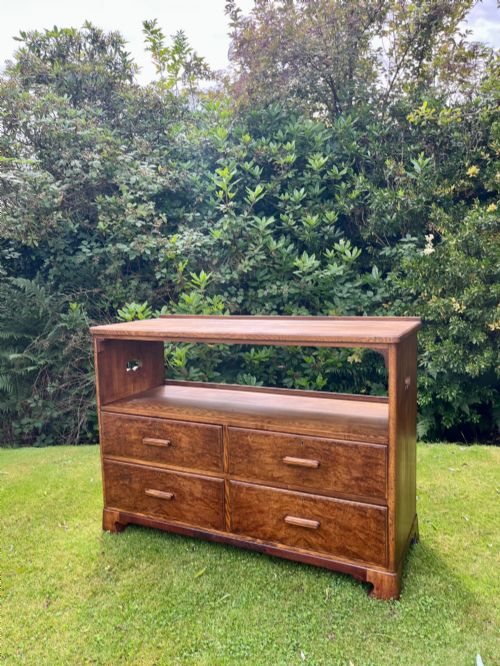
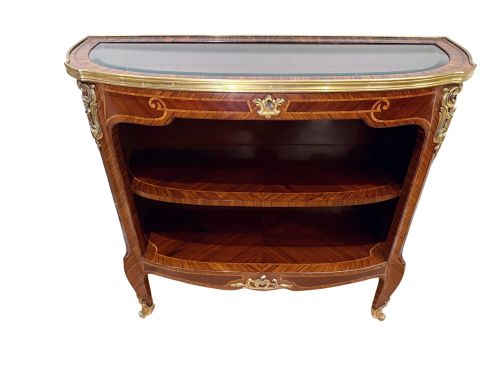
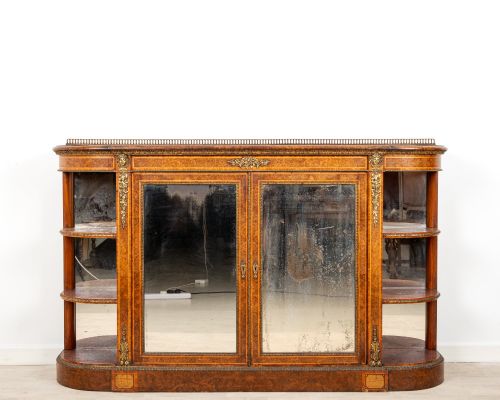
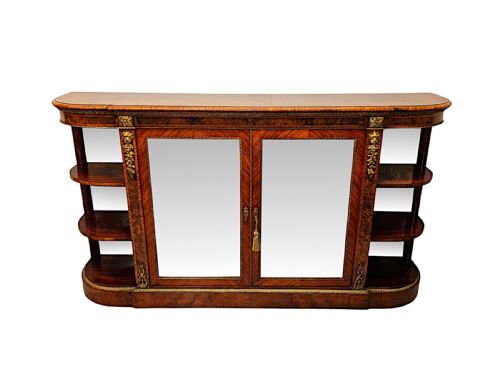
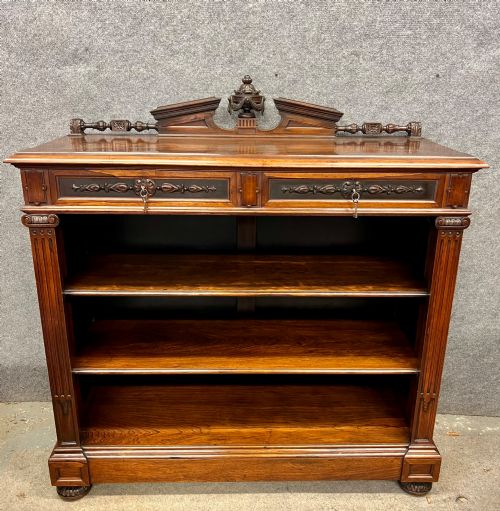
The search phrase antique credenza with shelves points buyers toward substantial timber storage furniture designed for formal rooms, though the selection here spans related forms such as chiffoniers, side cabinets, and bookcases. These pieces frequently date from the nineteenth century, encompassing Regency, Victorian, and William IV periods, alongside specific revivalist aesthetics.
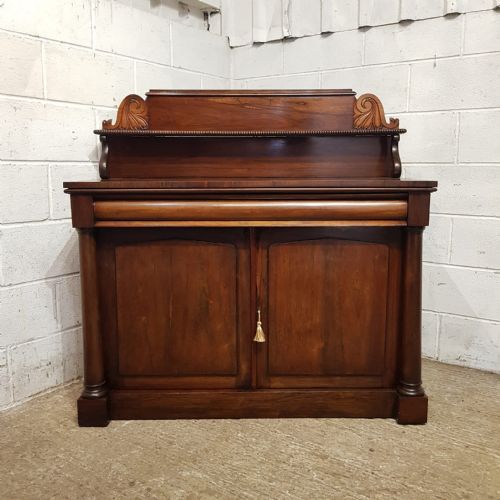
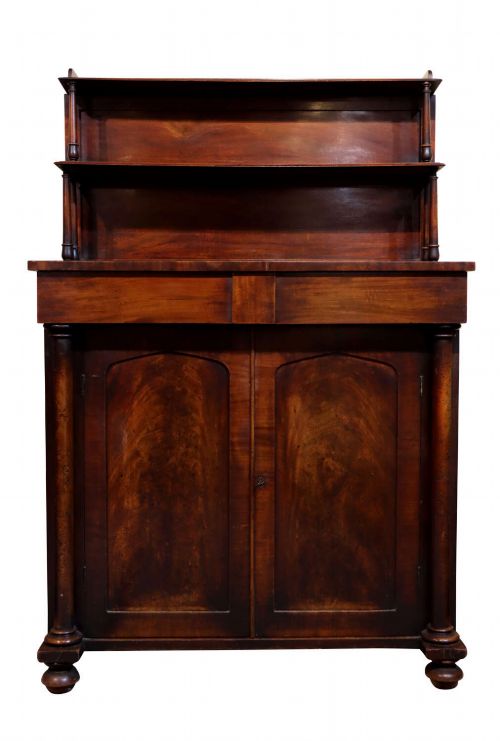
Buyers will most commonly encounter mahogany and walnut constructions featuring fitted internal shelving, glass doors, or open display spaces. Alongside formal credenzas, the inventory includes chiffoniers and sideboards equipped with top shelves, reflecting the varied terminology historical cabinet-makers applied to compartmentalised storage.
Origins stretch across English workshops and continental makers, incorporating periods from Georgian elegance to later Victorian production. Each object serves to anchor a room while providing surfaces for display and enclosed spaces for household storage.
Materials and construction methods
Cabinet-makers relied heavily upon dense hardwoods like mahogany, rosewood, and walnut, often laid as flame veneer or burr walnut across structural carcasses. These timbers provided both stability and rich natural grain patterns that defined the visual weight of each cabinet.
Decorative embellishments involved cast or chased ormolu mounts, brass inlay work, and glazed doors that protected shelved interiors. Skilled joinery joined solid timbers and veneered surfaces to create enduring architectural forms.
Materials span mahogany, burr walnut, rosewood, ormolu, and brass inlay across side cabinets and chiffoniers.
Distinctions in craftsmanship
Quality rests upon the selection of timber figures, such as burr walnut or flame mahogany veneer, matched symmetrically across doors and panels. Superior pieces demonstrate meticulous hand-cut joinery and integration of decorative brass or ormolu mounts.
The refinement of internal shelving, original mirrored or glazed glass panels, and stamped maker attribution separate standard utility furniture from exceptional cabinet-making. Proportions and the crispness of carved details further delineate the hierarchy of craftsmanship.
Gillows·Robert Strahan·Druce & Co
The Antique Credenza with Shelves Glossary
- Credenza
- A low cabinet or sideboard, frequently featuring glass-fronted doors and shelves, developed for display and storage. It sits low to the floor compared to a tall bookcase.
- Chiffonier
- A compact sideboard or cabinet equipped with a shelf or superstructure on top, popular throughout the nineteenth century. It served smaller drawing rooms for linen and tableware.
- Ormolu
- Gilded bronze mounts applied to furniture for decorative accent, common on Victorian walnut pieces. This technique adds metallic highlights to rich timber surfaces.
- Flame mahogany veneer
- A slice of timber cut to produce a distinctive undulating grain pattern resembling flames. Cabinet-makers laid these veneers symmetrically across door fronts.
- Burr walnut
- Wood taken from walnut tree growths that produces intricate, swirling grain patterns. It forms the primary decorative surface on many Victorian credenzas.
Antique Credenza with Shelves: Frequently Asked Questions
What is an antique credenza with shelves?
An antique credenza with shelves is a low, enclosed cabinet designed for storage and display, typically featuring internal shelving behind timber or glass doors. These pieces combine architectural presence with functional room storage.
Originating largely in the nineteenth century, they utilise dense hardwoods and decorative veneers to anchor formal dining rooms and drawing spaces.
How were chiffoniers used historically?
Chiffoniers served as compact side cabinets in nineteenth-century parlours and dining rooms, offering enclosed cupboard space below and a useful display shelf above. They held tableware, linens, or books.
Their smaller scale made them versatile additions to rooms where a full sideboard would overwhelm the floor plan.
How do I identify a Victorian credenza?
Victorian credenzas are generally characterised by rich walnut timbers, burr veneers, and gilded ormolu mounts framing mirrored or glazed central doors. They often feature curved ends and decorative shelving.
Cabinet-makers of this era favoured elaborate ornamentation combined with symmetrical proportions to project formal elegance.
What distinguishes Regency pieces?
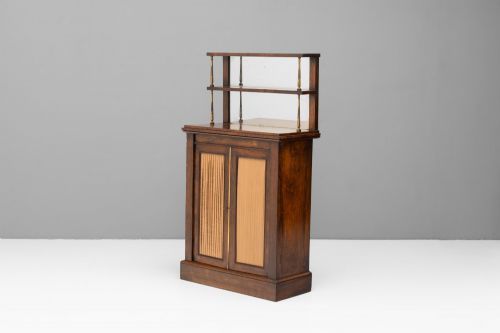
Regency cabinets and chiffoniers rely on clean architectural lines, dark mahogany or rosewood timbers, and precision brass inlay rather than heavy carving. They reflect classical restraint and symmetry.
These pieces frequently incorporate brass galleries or restrained shelf superstructures atop solid cabinet bases.