


Maritime Watercolour on Paper
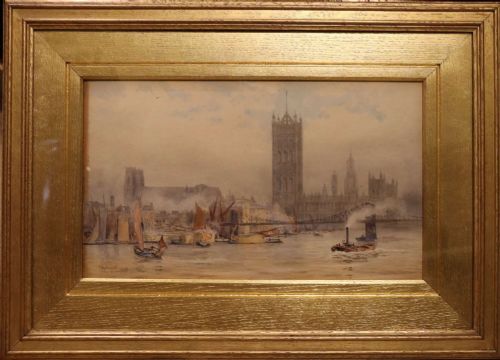
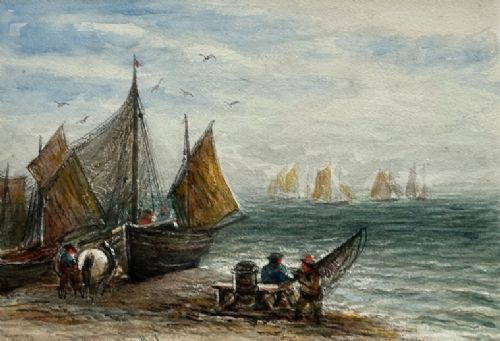
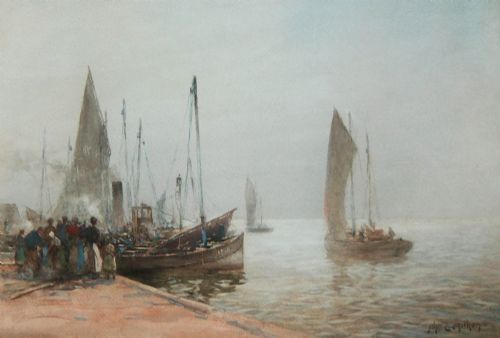
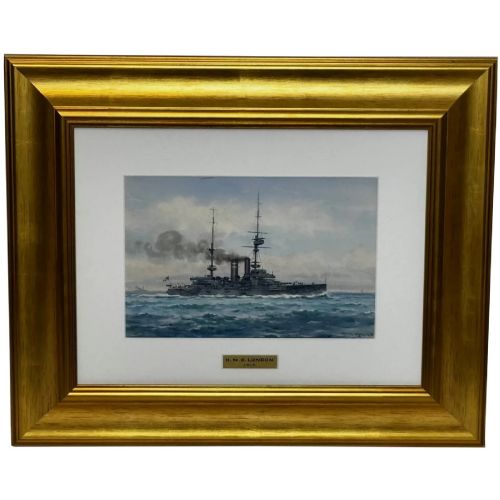
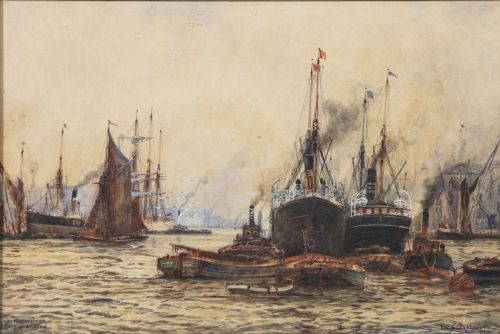
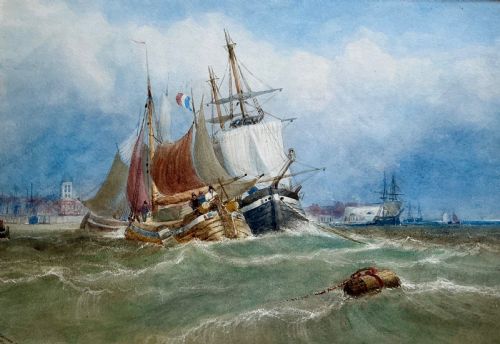
A maritime watercolour on paper captures the shifting mood of the coast, placing naval vessels, fishing boats and bustling harbours directly onto the page.
Maritime Watercolour on Paper
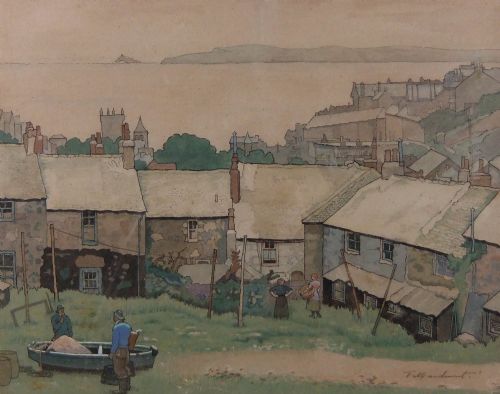
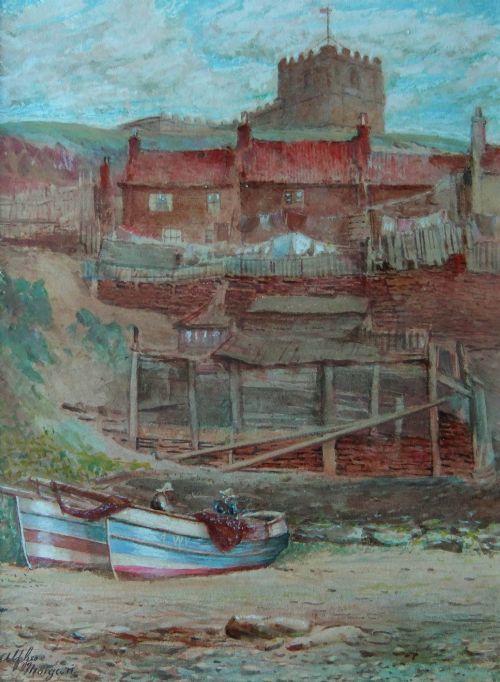
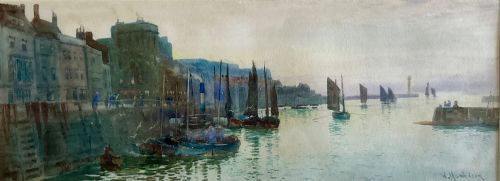
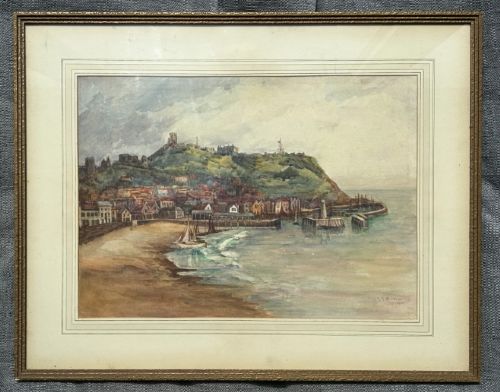
When you search for a maritime watercolour on paper, you encounter works spanning the Victorian era through the mid-nineteenth and twentieth centuries, documenting coastal life, naval encounters and busy ports. The selections here typically feature British harbours, fishing fleets, and coastal scenes rendered in pigment and ink.
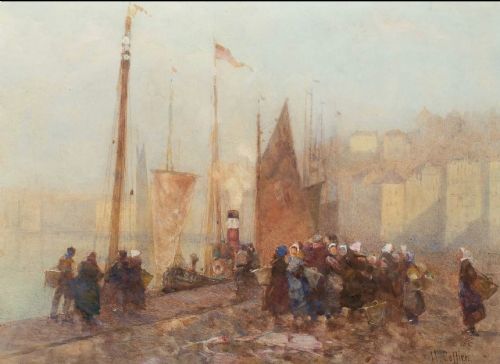
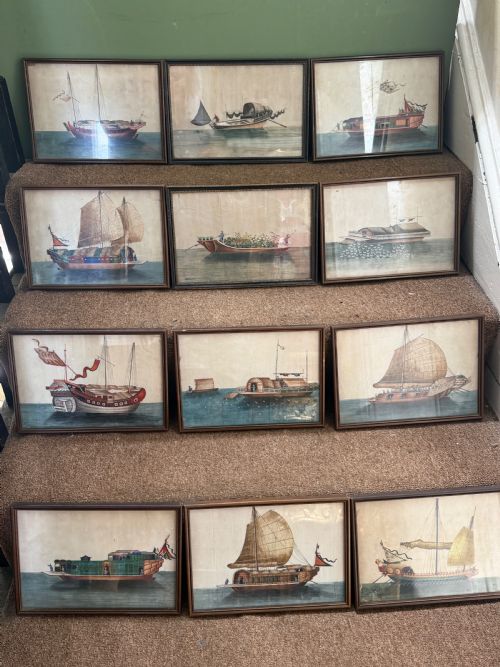
The assortment includes works by named regional painters alongside pieces attributed to broader schools, capturing subjects from Whitby and St Ives to international ports and foreign waters. These paintings range in scale from intimate marine sketches to framed gallery watercolours.
Most examples originate from the late nineteenth and early twentieth centuries, reflecting a period when maritime subjects held a prominent place in British art. Buyers find works executed on paper, often preserved beneath glass within wooden frames.
Materials and technique
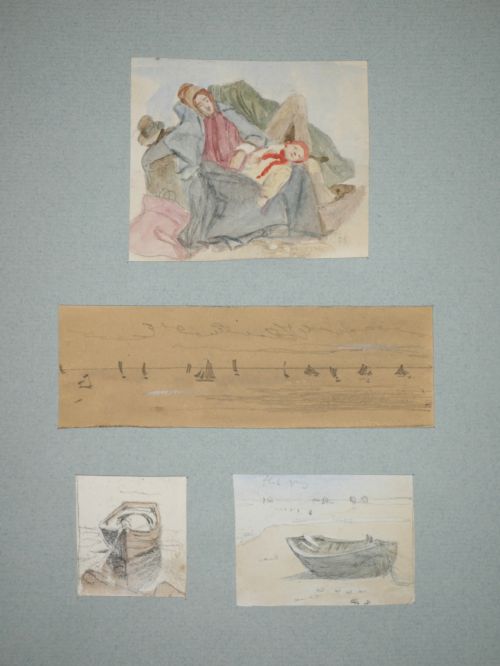
Artists applied watercolours, watercolour pigments, and occasionally gouache or ink onto paper surfaces, utilising the white of the paper to create highlights and luminosity. Many pieces combine translucent washes with fine ink line work to delineate rigging, architecture, and coastal topography.
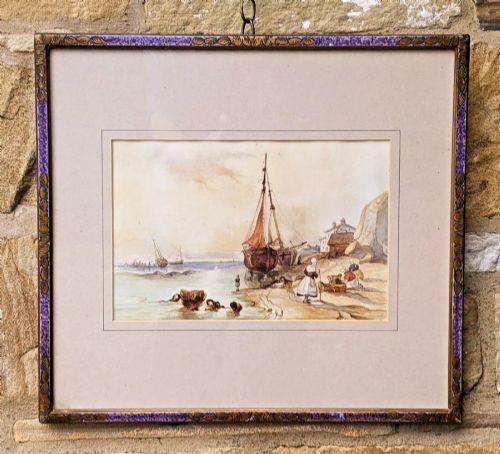
Finished works were traditionally mounted behind glass within wood framing to protect the paper substrate from atmospheric moisture and handling damage.
Several artists clearly braved harsh northern gales, returning with watercolours permanently speckled with actual sea salt and stubborn coastal sand.
Separating the ordinary from the exceptional
Quality rests in the confidence of the brushwork and the artist's command of light and atmosphere across water and sky. Stronger examples display dynamic composition, capturing movement in water and weather without hesitation in the washes.
Condition and preservation dictate much of the standing of a sheet, particularly the retention of original pigment vibrancy and the absence of heavy foxing or fading from light exposure.
James Orrock·Frank Watson Wood·Frank William Scarbrough·Hector Caffieri·Thomas Bush Hardy·Edward Seago
The Maritime Watercolour on Paper Glossary
- Watercolour
- A paint consisting of pigment suspended in a water-soluble binder, traditionally applied to paper. It allows for transparent washes that let the reflective quality of the paper show through.
- Gouache
- An opaque watercolour paint containing an added white pigment to create a heavier, denser layer of colour. It is frequently seen in combination with transparent watercolour on nineteenth-century sheets.
- Foxing
- Brown spots or patches that develop on older paper due to chemical reactions involving iron impurities or mould. Its presence and extent influence the visual clarity of the image.
- Seascape
- A work of art depicting the sea, coastal views, ships, or marine life. This genre forms the core subject matter of the works found in this category.
Maritime Watercolour on Paper: Frequently Asked Questions
How should I frame an antique watercolour?
Protect the paper by using acid-free mount boards and framing it behind UV-filtering glass to prevent fading from sunlight.
Keep the framed work away from direct heat sources and damp environments to preserve the pigment and paper integrity.
Are these paintings original?
The listings consist of original hand-painted works on paper created directly by the artists rather than modern reproductions or prints.
Signatures, monograms, and period framing often help verify the authenticity of nineteenth and twentieth-century sheets.
How do I care for works on paper?
Display watercolours away from direct sunlight, as prolonged exposure causes pigments to fade and the paper to yellow over time.
Maintain stable indoor humidity levels to protect both the delicate paper substrate and the traditional wooden frame.
What subjects appear in marine watercolours?
Common subjects include fishing vessels navigating rough seas, historic sailing ships, bustling harbour docks, and quiet coastal landscapes.
Many artists specialised in documenting specific regional ports along the British coastline as well as international maritime scenes.