



Maritime Beach Scene Painting
A maritime beach scene painting captures shores, figures, and coastal waters across the nineteenth and twentieth centuries.
Maritime Beach Scene Painting
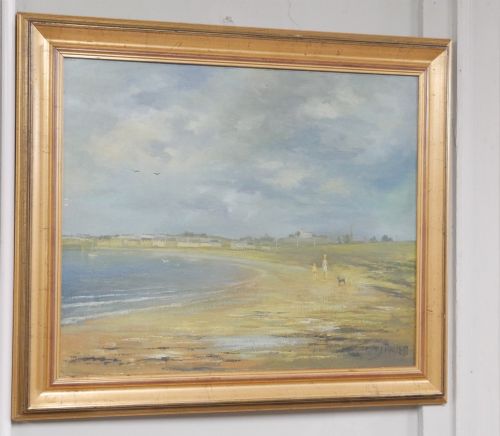
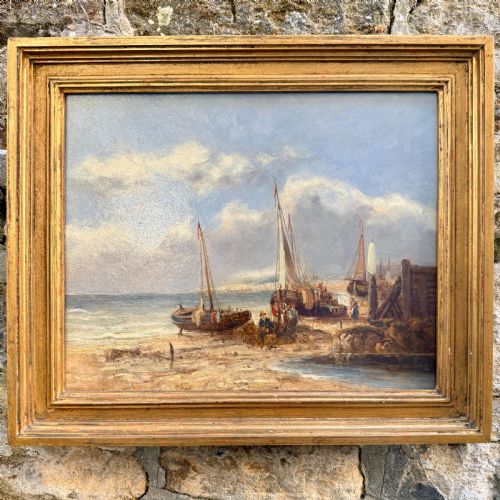
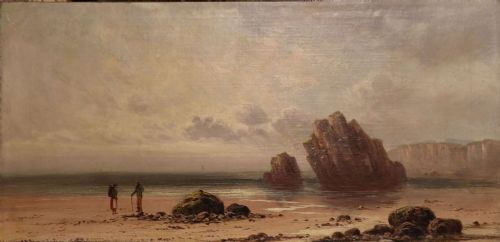
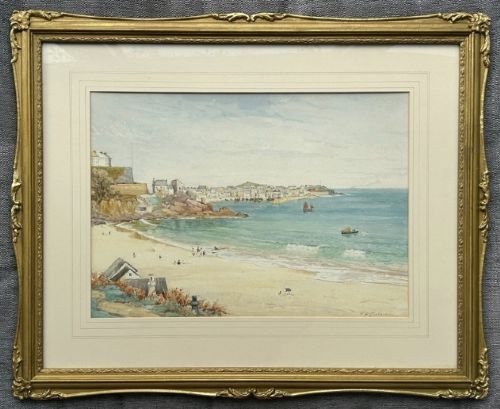
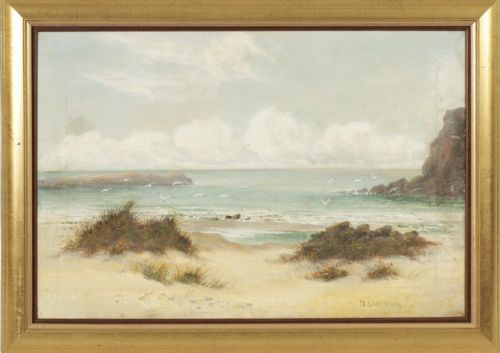
A maritime beach scene painting depicts coastal landscapes, tidal shores, and harbours with vessels or figures. These works range from nineteenth-century Victorian views to later impressionist interpretations spanning into the twentieth century.
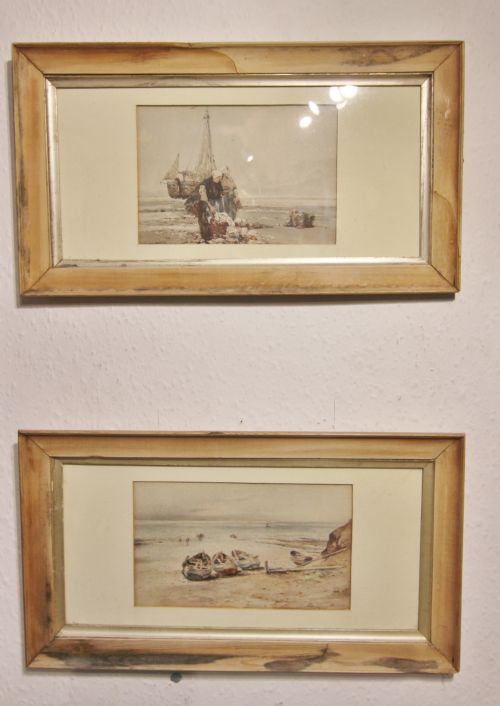
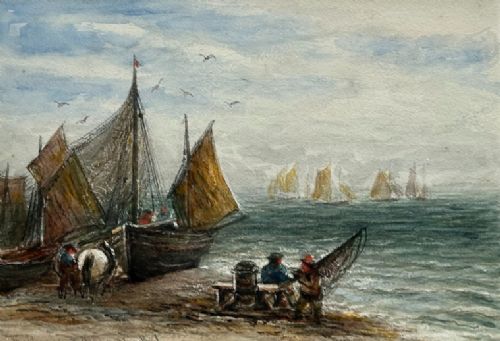
Buyers encounter oil paintings on canvas and board alongside detailed watercolour paintings on paper. Subjects vary from working fishermen and gathering kelp to children playing in the surf and dramatic rocky shorelines.
Origins stretch across British, Scottish, Irish, French, and Dutch locations, reflecting diverse regional coastal traditions. The selection includes both signed original works by known artists and accomplished untitled coastal scenes.
How they were made
Artists utilise oil paint on canvas or wooden panel to build rich surface textures and deep coastal atmospheres. Watercolour paint on paper provides transparent washes of light for skies, sands, and breaking waves.
Support materials include wood framing, canvas stretchers, and traditional glass protection for works on paper. Many pieces retain period frames, including ebonised wood and hand-enamelled polychrome designs.
Maritime Beach Scene Painting Retail Price Guide 2026
Typical asking prices for maritime beach scene painting among the pieces listed under this phrase on Sellingantiques today, from the lower quarter to the upper quarter. They describe what is for sale here now, not the wider market.
Some nineteenth-century artists managed to paint entire coastal scenes while presumably getting salt spray on their spectacles.
What varies in quality
Skill in handling light, atmosphere, and movement distinguishes finer coastal works from simpler decorative pieces. The rendering of water, sky, and human figures reveals the artist's training and observation of nature.
Original artist signatures and documented provenance add authority to a work, whereas unsigned pieces rely entirely on their visual merit. The preservation of the original paint layer and period framing contributes to historical integrity.
James Orrock·William Banks Fortescue·Joseph Farquharson·James Webb·Frederick William Hattersley·Kate E Booth·Owen Bowen·GM de L Aubiniere·Daniel Sherrin·Markey Robinson·Thomas Bush Hardy·Henri Cadiou·Harry John Pearson
The Maritime Beach Scene Painting Glossary
- Oil paint
- Pigment suspended in a drying oil, typically linseed, allowing for thick impasto or thin glazing.
- Watercolour
- A paint consisting of soluble pigment and gum arabic, applied in translucent washes over paper.
- Impressionism
- A style focused on capturing the visual impression of a moment, shifting toward loose brushwork and light.
- Marine painting
- Art depicting ships, harbours, coastal views, and the open sea.
- Provenance
- The documented history of ownership of a work of art, establishing authenticity and origin.
Maritime Beach Scene Painting: Frequently Asked Questions
What periods do these paintings cover?
The available selection spans from the nineteenth-century Victorian era through the early twentieth century and into the nineteen-fifties. Works reflect shifting artistic movements including realism and impressionism.
Dates range from mid-nineteenth-century watercolours to mid-twentieth-century oil paintings on canvas.
Are these paintings signed by artists?
Many pieces feature artist signatures or attributions to named painters, while others remain unsigned examples of the period. Signed works often link directly to recorded British, Scottish, and continental artists.
Unsigned paintings retain stylistic markers typical of their period of origin.
What subjects appear in these scenes?
Common subjects include beached fishing boats, tidal shores, harbour walls, and coastal cliffs. Figures frequently appear gathering kelp, spreading nets, or walking along the sand.
Locations extend across British, Welsh, Irish, and European coastal views.
How should I display a watercolour painting?
Watercolour paintings on paper require protective glass and appropriate framing to prevent damage from moisture and handling. Placing them away from direct sunlight preserves the pigments.
Original frames should be checked for stability and secure hanging hardware.