


Blue Sky Oil Seascape
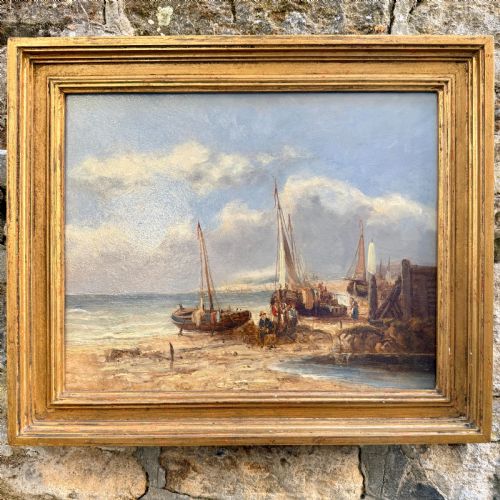
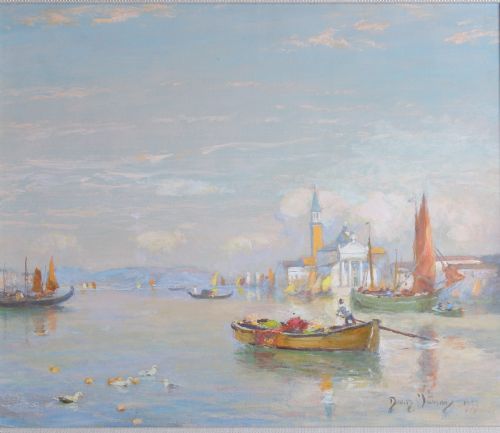
Blue sky oil seascape works capture coastal horizons, marine traffic, and open waters through the medium of oil paint.
Blue Sky Oil Seascape
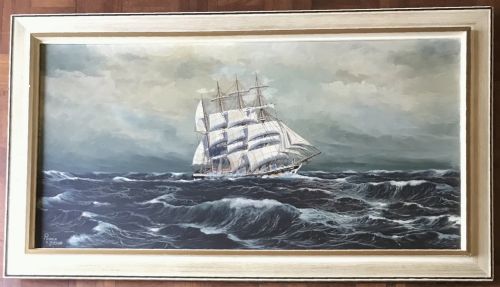
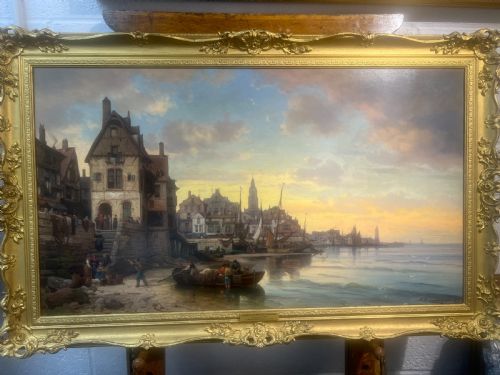
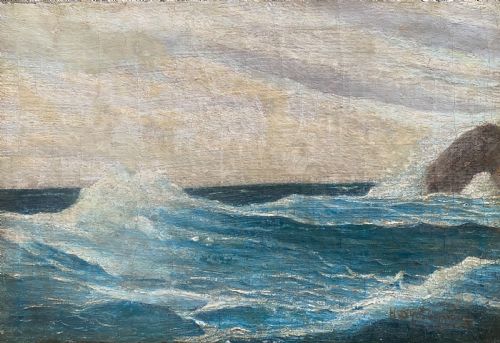
A blue sky oil seascape brings maritime views, coastal shipping, and open water into an interior space. These works range from calm harbour scenes to stormy seas, utilising oil paint on canvas, panel, or board.
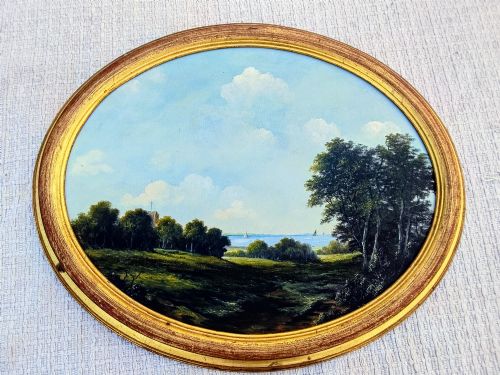
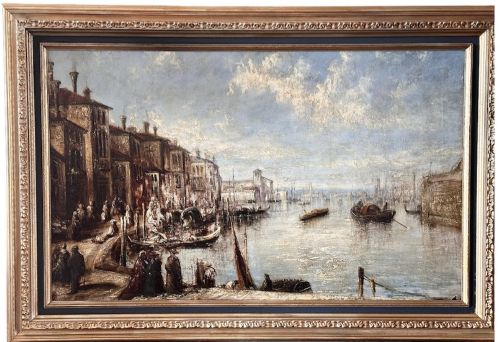
The pieces on this page span several centuries, drawing heavily from nineteenth-century marine traditions and mid-century modern interpretations. Canvases vary from oval sea views to large framed expanses depicting British, Venetian, and Dutch waters.
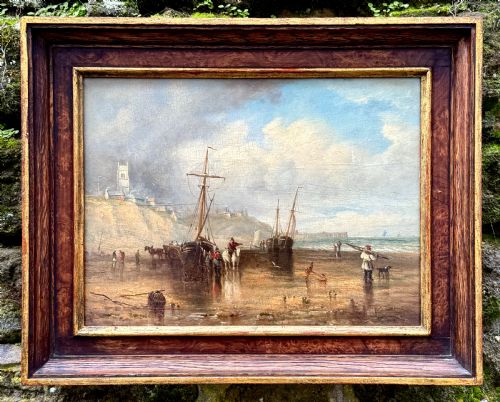
Subjects include specific locations such as Venice, Hastings, and the River Mersey alongside anonymous coastal vistas. Buyers encounter both signed works by known artists and pieces attributed to specific historical schools.
Materials and methods
Artists built these works using oil paint applied to prepared canvas, wood panels, or board. The medium allowed for blending atmospheric skies and choppy water with varied brushwork, sometimes incorporating thick impasto layers.
Many of these paintings retain their original or period framing, utilising gilded wood and giltwood to enclose the canvas. The combination of oil pigments and wooden supports has ensured the survival of these coastal scenes across generations.
Listings feature oil paintings executed on canvas, wood panels, and board across multiple periods.
Factors of distinction
Quality in these works rests upon the handling of light, atmosphere, and maritime perspective by the painter. Skill is visible in how the brush describes the movement of water and the openness of a blue sky.
The preservation of the oil pigment and the stability of the canvas or panel influence the condition of a piece. Original giltwood frames matching the period of the painting also add context to the artwork.
Sir David Murray RA·Francesco Guardi·James Hardy·Francis Moltino·Thomas Creswick·Charles Euphraisie Kuasseg·Helen Layfield Bradley·Gustave De Bréanski·Stanley Leader·Edward Seago·Hendrik Willebrord Jansen·George Gregory·Donald McIntyre·Alfred Pollentine·William Raymond Dommersen·Paul Jean Clays·J Wilson·Bertram Priestman·Pieter Cornelis Dommersen·James Scrimgeour Mann·Walter J Hall·Abraham Storck·Hubert Thornley·Francis Holman
The Blue Sky Oil Seascape Glossary
- Impasto
- Paint applied thickly to a canvas or panel so that it stands out from the surface. This technique adds visible texture to waves and clouds in a maritime scene.
- Capriccio
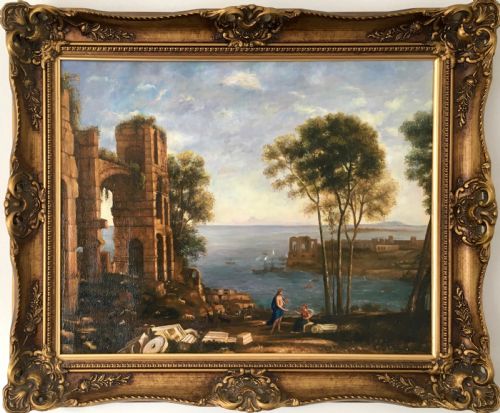
- An architectural painting combining buildings, archaeological ruins, and other architectural elements in a fictional fantastical arrangement. These scenes often incorporate coastal waters and shipping.
- Marine art
- Artistic representation of the sea, ships, and coastal views. This genre encompasses naval battles, harbour scenes, and open oceanscapes.
- Giltwood
- Wood that has been treated with gold leaf or gilt. It is commonly found on the ornate frames enclosing antique oil paintings.
- Panel
- A flat piece of wood used as a support for painting instead of stretched canvas. Panels provide a rigid surface for oil pigments.
Blue Sky Oil Seascape: Frequently Asked Questions
What subjects appear in these oil paintings?
These works depict coastal views, shipping vessels, harbours, and open waters under expansive skies. Scenes range from British coastal towns to Venetian canals and Dutch shores.
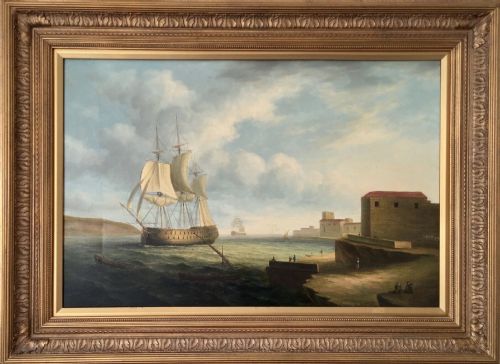
Specific maritime traffic such as frigates, hay barges, and fishing boats frequently populate the water alongside topographical landmarks.
How do I date a seascape painting?
Dating relies on stylistic evidence, artist signatures, framing materials, and the preparation of the canvas or wood panel. Nineteenth-century works often show traditional marine detailing while later pieces adopt modernist brushwork.
Historical dress on figures and the architecture of depicted harbours also help narrow down the period of creation.
Where were these maritime scenes painted?
Artists worked across various European locations, capturing the English coastline, French ports, Dutch shores, and Italian waterways including Venice. Many compositions record actual topographical views from the nineteenth and twentieth centuries.
Other works present imagined coastal vistas or composite harbour scenes created within the artist's studio.
How should I display an oil painting at home?
Oil paintings on canvas or panel benefit from placement away from direct sunlight and steady humidity levels to protect the paint and wooden supports. Proper wall fixtures support the weight of the canvas and its period frame.
Matching the giltwood or wood frame to your interior decor helps integrate the historical artwork into modern living spaces.