





Victorian Beach Scene Oil
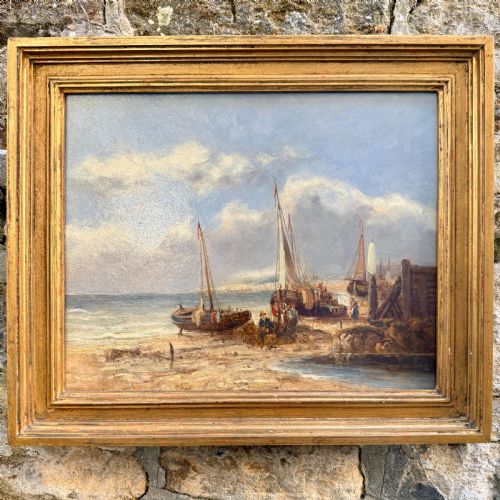
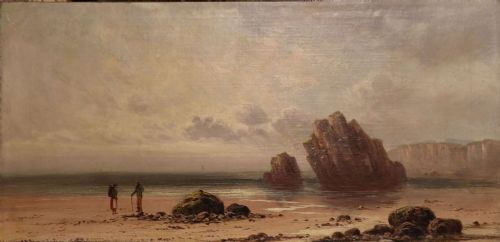
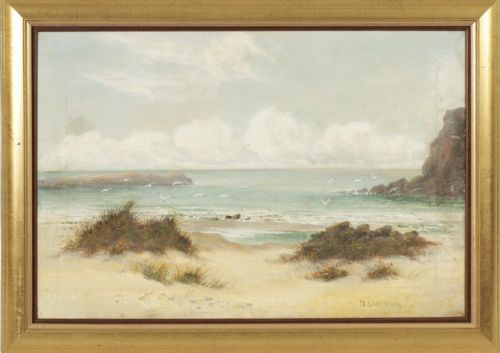
These pieces capture a Victorian beach scene oil, bringing figures on rocky shores, oyster pickers and coastal light into your room.
Victorian Beach Scene Oil
When you search for a victorian beach scene oil, you are looking at nineteenth century works depicting coastal landscapes, fisher folk and marine views. The examples found here span the Victorian era through to the early twentieth century, taking in British and Scottish impressionism alongside nineteenth century realism.
You will encounter paintings showing figures on rocky beaches, dramatic sea stacks, oyster pickers and kelp gatherers. The works range from coastal scenes set in Devon and Hastings to broader marine landscape compositions.
The most common formats on this page are oil paintings executed on canvas, often housed within their original or period frames. These pieces record the daily coastal life and maritime environments observed by artists of the period.
Materials and technique
The works on this page utilise oil paint applied to canvas support structures stretched over wood frames. Artists worked with pigments that captured the shifting light of the sea and the textures of sand and rock.
Many of these paintings retain ornate framing finished in gold leaf, gesso, composition and giltwood. These traditional mounting techniques protected the canvas edges while complementing the tonal qualities of the marine palette.
Victorian Beach Scene Oil Retail Price Guide 2026
Typical asking prices for victorian beach scene oil among the pieces listed under this phrase on Sellingantiques today, from the lower quarter to the upper quarter. They describe what is for sale here now, not the wider market.
Listings feature works spanning the nineteenth century up to nineteen thirty, encompassing both realism and impressionist styles.
Distinguishing quality
The distinction between works rests in the handling of light and atmospheric perspective across the coastal expanse. Stronger paintings demonstrate a confident brushwork that defines figures and sea spray without relying on rigid lines.
The fidelity of the frame to the period contributes to the integrity of the piece. Giltwood and gesso mouldings that show age apposite to the canvas elevate the presentation of the oil painting.
Joseph Farquharson R A·Sir David Murray RA·Robert Macaulay Stevenson·William Edward Webb·Daniel Sherrin
The Victorian Beach Scene Oil Glossary
- Oil on Canvas
- A painting medium where pigments are bound with drying oils and applied to a woven fabric support. This combination allows for rich colour blending and textured surface applications.
- Giltwood
- Wood that has been coated with a thin layer of gold leaf or gold paint. This finish is frequently found on the traditional frames encasing nineteenth century paintings.
- Impressionism
- An art style characterised by relatively small, thin yet visible brush strokes and an emphasis on accurate depiction of light. Scottish and British variants appear across these coastal works.
- Gesso
- A paint mixture consisting of a binder mixed with chalk, gypsum, or pigment used as a prepared surface. It forms the smooth base on ornate frames before gilding takes place.
- Marine Landscape
- A painting that depicts the sea, ships, or coastal views as the primary subject matter. These works focus heavily on maritime environments and shore activity.
Victorian Beach Scene Oil: Frequently Asked Questions
How do I date a beach scene oil?
Dating relies on the stylistic markers of the nineteenth and early twentieth centuries, alongside canvas preparation and framing techniques. Costume details on figures such as fisher folk also provide chronological clues.
Signatures, inscriptions on the reverse, and historical records related to the artists help narrow the window of creation further.
Where should I hang these paintings?
These coastal works suit rooms with natural light where the oil colours and giltwood frames can catch daylight. They pair well with traditional study spaces or living areas.
Keep them away from direct sunlight and excessive moisture fluctuations to protect the canvas and paint layers over time.
What subjects appear in these scenes?
Common subjects include fisher folk, oyster pickers, and kelp gatherers working along rocky shores and sandy beaches. Artists also recorded specific locations like Hastings Castle and Devon coastal views.
Other compositions focus purely on the marine atmosphere, capturing low tides, sunsets, and dramatic sea stacks.
How do I care for an oil painting?
Dust the canvas and frame gently with a soft, dry brush to prevent particulate accumulation. Avoid using chemical cleaners or water on the painted surface.
Maintain stable environmental conditions in your room to prevent the canvas from slackening and the gesso framing from cracking.