
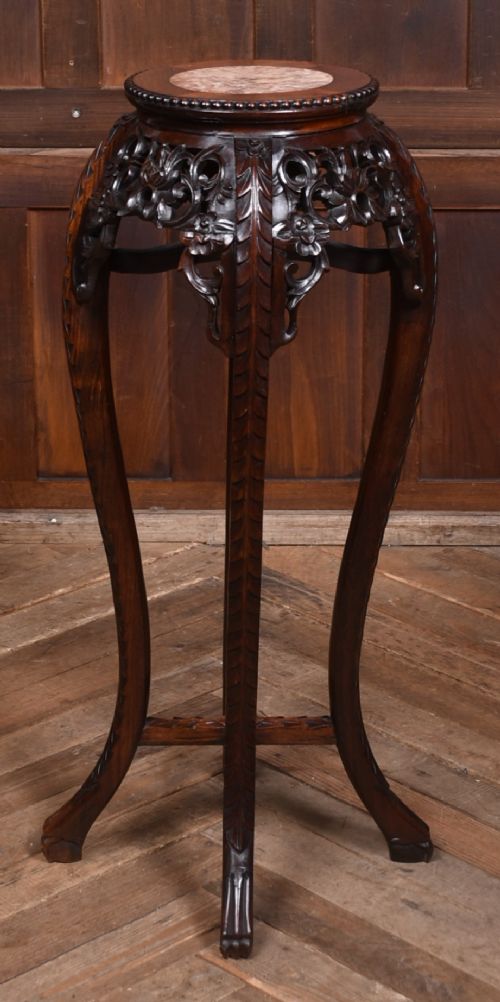
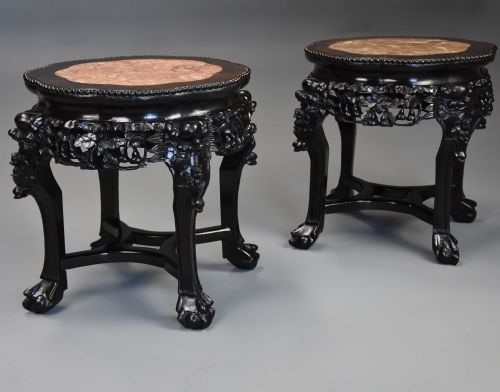


Marble Urn Stand
A marble urn stand elevates decorative vessels and plants, bringing stone and timber together to anchor a corner or display a cherished object.
Marble Urn Stand
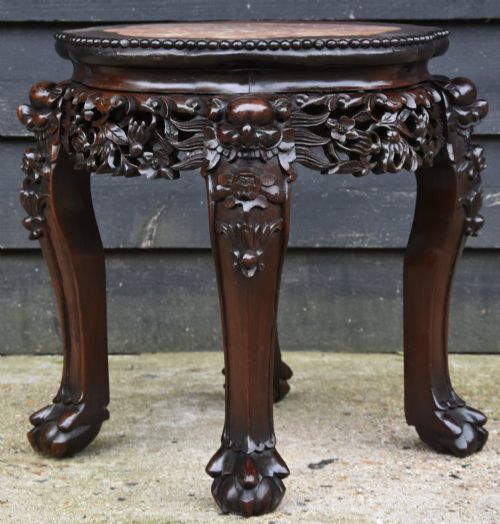
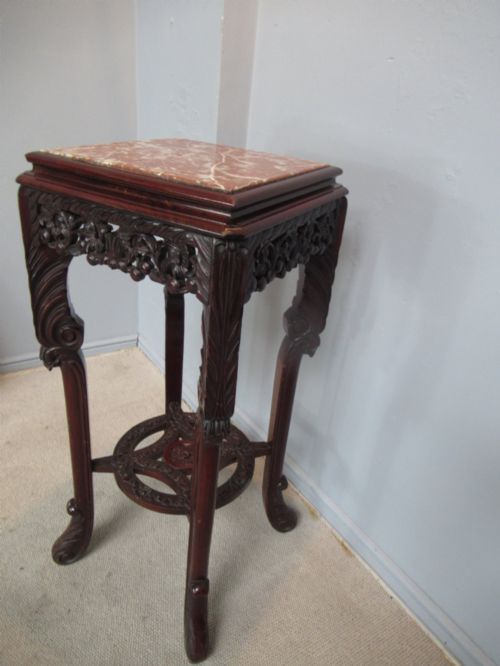
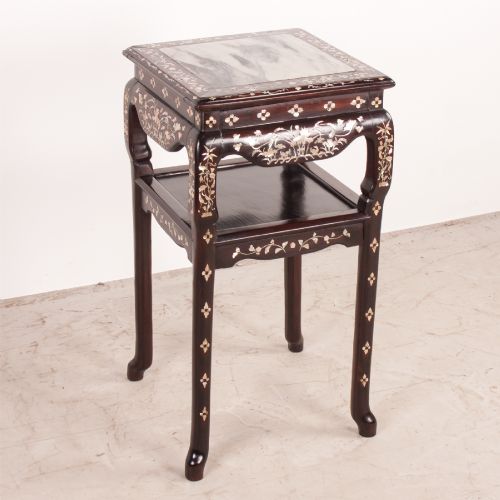
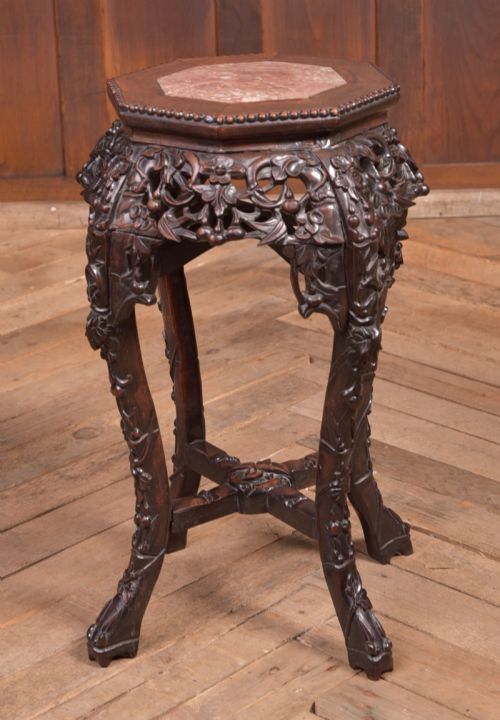
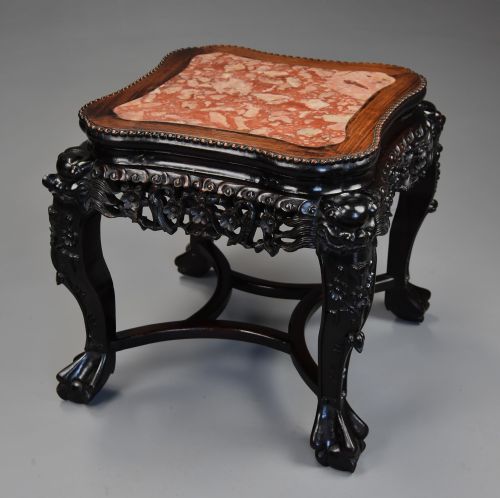
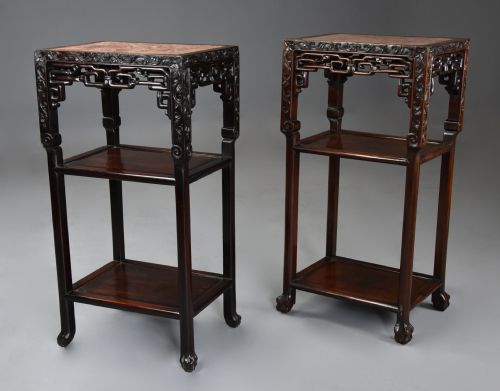
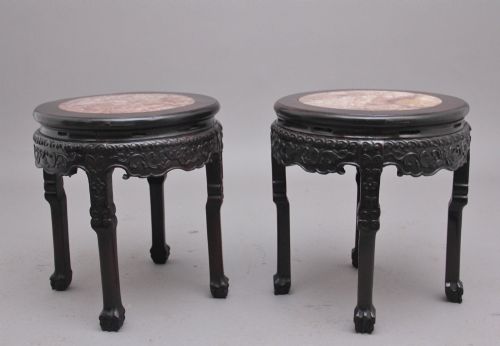
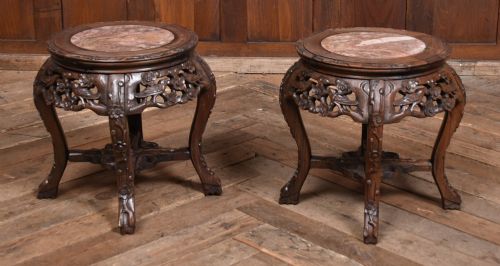
When you search for a marble urn stand, you encounter low tables, pot stands, and tall pedestals designed to support heavy ornaments. The pieces appearing most frequently originate from nineteenth-century Chinese workshops, created in forms such as jardiniere stands and occasional tables.
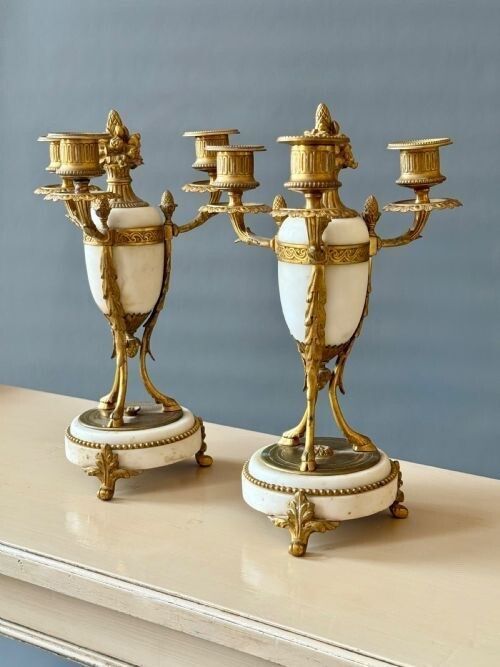
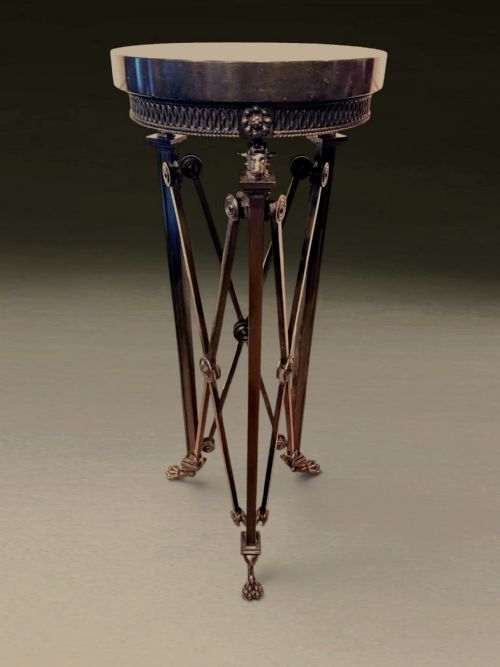
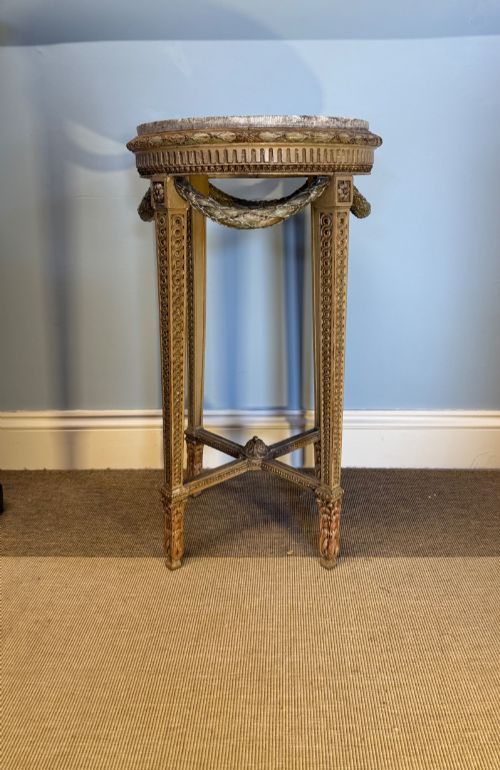
Beyond the predominant Chinese hardwood furniture, listings include European neoclassical candleholders, French gilt bronze designs, and occasional English walnut or ebonised examples. These surfaces serve multiple domestic roles, functioning as lamp tables, planter tables, and plinths.
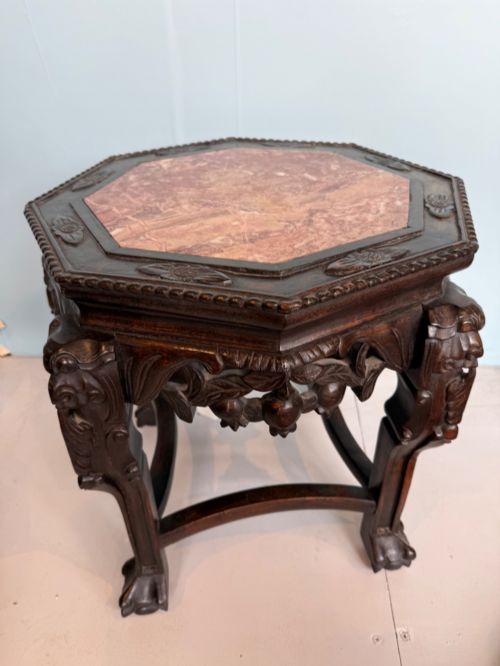
The combination of a solid timber frame with a fitted stone inset unites utility with decorative carving. Whether configured as a low hexagonal table or a slender column, each variation provides a stable platform for display.
Materials and Construction Methods
Makers utilised dense exotic timbers such as rosewood, padouk, and hongmu, carving the frames deeply with floral or scrolling motifs. These resilient hardwoods provided the structural strength required to support heavy stone without warping.
Smooth panels of marble, often variegated rouge or white, were precision-cut to drop into recessed wooden tops. In European workshops, bronze and ormolu mounts added cast detail to complement the cold, polished surface of the stone.
Joinery relied on traditional mortise and tenon techniques, ensuring stability across both low plant tables and taller columns. The integration of gesso or mother of pearl inlay occasionally augmented the primary timber structure.
Listings demonstrate a strong presence of nineteenth-century Chinese rosewood furniture alongside European bronze and marble candleholders.
Indicators of Excellence
The depth and crispness of the wood carving distinguish superior examples from simpler production. Skilled artisans achieved high relief with undercut details in dense rosewood, whereas lesser pieces display shallow, mechanical stamping.
The selection and fit of the stone panel reveal the ambition of the maker. A tightly seated, highly figured marble top with rich natural veining demonstrates greater care than a plain, loosely fitted insert.
The Marble Urn Stand Glossary
- Hongmu
- A category of dense, dark Asian hardwoods used for fine nineteenth-century furniture. The timber takes a high natural polish and resists heavy weight.
- Jardiniere
- A large ornamental pot or stand designed to hold growing plants. These vessels require sturdy supporting furniture with inset stone to withstand moisture.
- Ormolu
- Gilded bronze applied as decorative mounts on furniture and candleholders. The technique involves applying a gold amalgam to cast bronze.
- Triform
- A three-sided architectural base or pedestal structure. This configuration offers enhanced balance for display pieces on uneven floors.
Marble Urn Stand: Frequently Asked Questions
What were marble urn stands used for?
These pieces functioned primarily to elevate decorative ceramic urns, heavy planters, and bronze sculptures above floor level. Placing heavy items on stone protected surrounding wooden furniture from moisture and soil.
In period interiors, they occupied corners, hallways, and drawing rooms as focal display points. Their sturdy timber frames safely accommodated substantial weight while presenting objects at an advantageous viewing height.
How do I care for the marble top?
Clean the stone surface using a damp cloth and mild soap, avoiding acidic household cleaners that etch polished finishes. Dry the marble thoroughly to prevent water spots.
Treat the surrounding wood frame with appropriate furniture wax according to the timber type. Regular dusting preserves the sheen of both the stone and the carved wooden mount.
Are these stands suitable for modern lamps?
The sturdy construction and flat stone surfaces provide an ideal foundation for table lamps and heavy lighting fixtures. The stone inset offers a resilient base that resists heat and scratching.
Compact dimensions allow these tables to fit neatly beside seating or in small alcoves. Their varied heights accommodate different lighting requirements within a room.
How can I distinguish Chinese export pieces?
Chinese export stands utilise dense indigenous hardwoods such as rosewood and padouk combined with recessed marble panels. The joinery often employs intricate framing around shaped stone inserts.
Carving motifs frequently incorporate traditional floral designs, prunus blossom, or geometric borders. These characteristics set them apart from European neoclassical walnut or ebonised equivalents.