
Marble Topped Dresser
A marble topped dresser brings solid stone surfaces and ample drawer storage into a room, blending functional cabinetry with refined display space.
Marble Topped Dresser
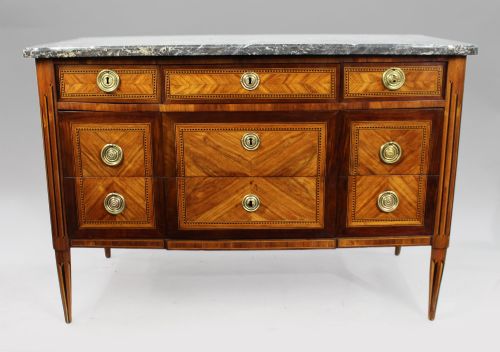
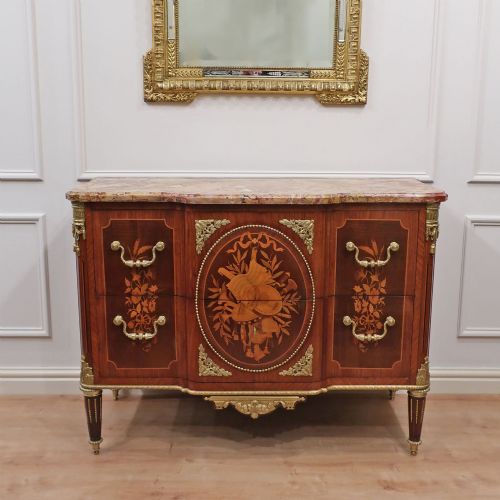
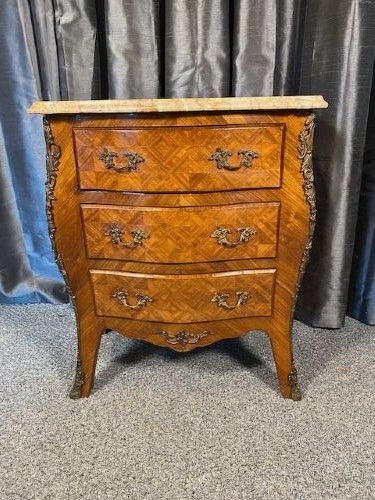
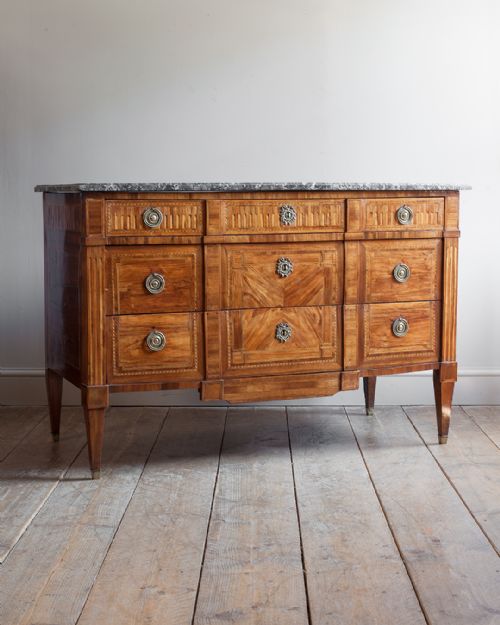
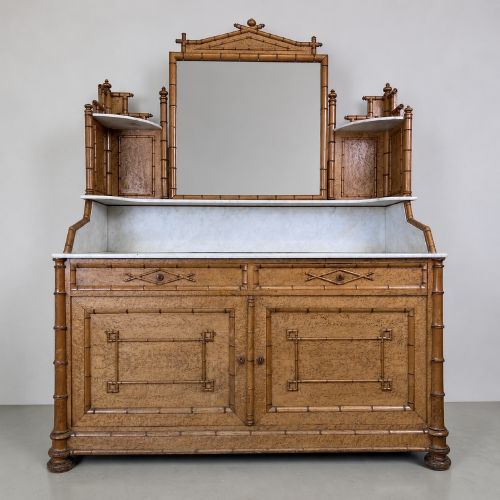
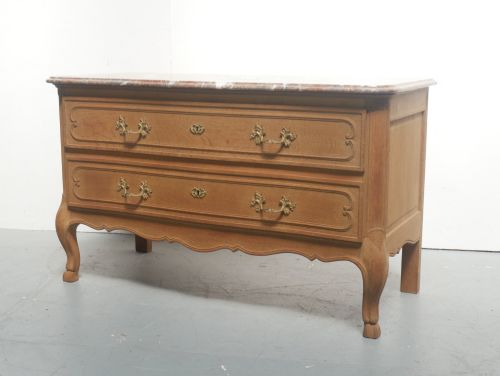
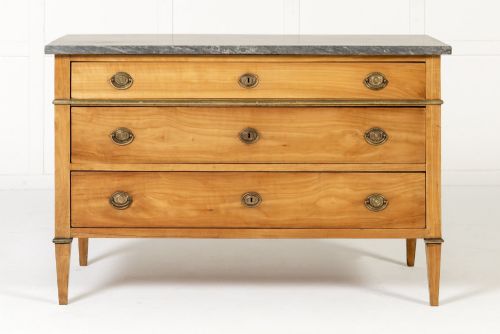
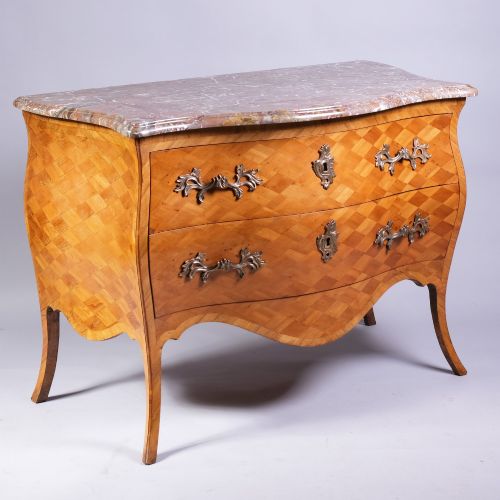
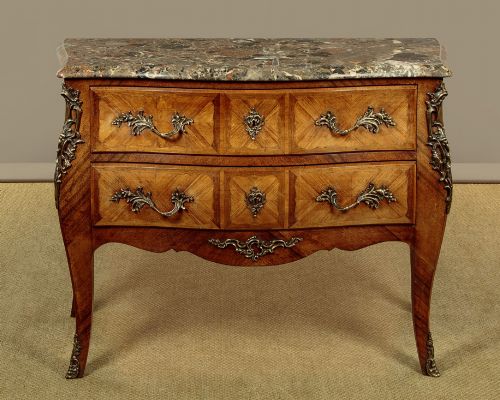
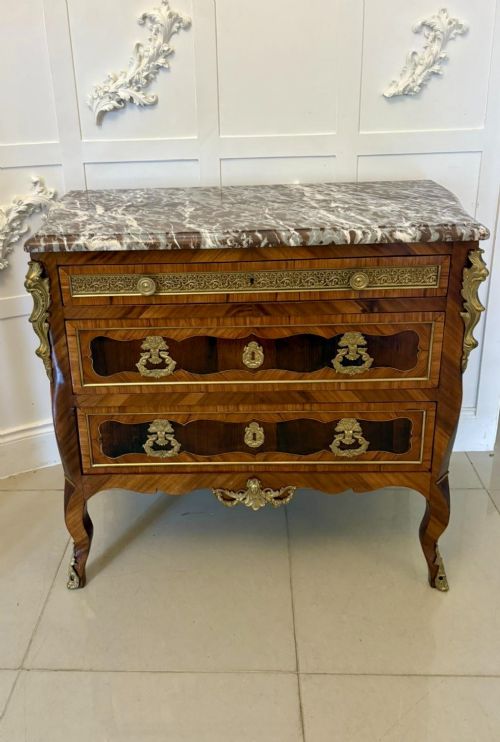
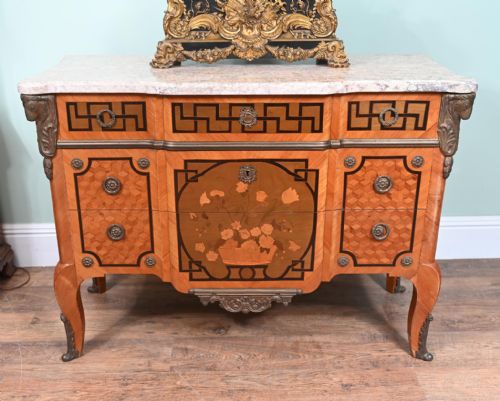
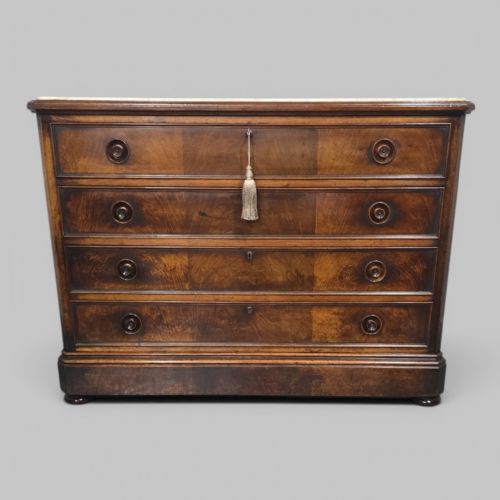
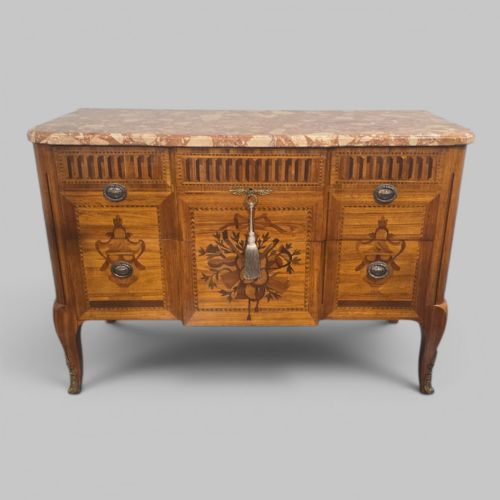
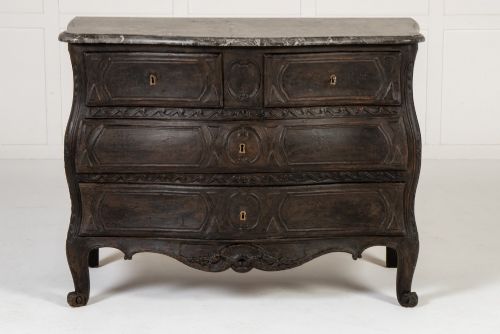
A marble topped dresser encompasses commodes, chests of drawers, washstands, and dressing cabinets originating primarily from the eighteenth and nineteenth centuries. These pieces emerge predominantly from French workshops, with examples spanning Louis XVI, Louis XV, and Empire styles.
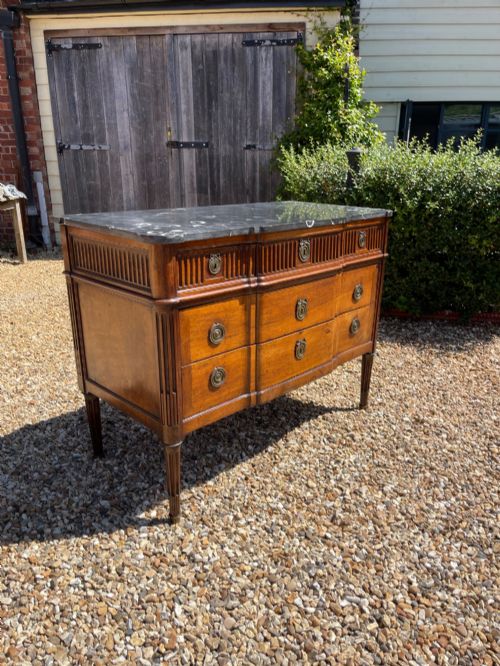
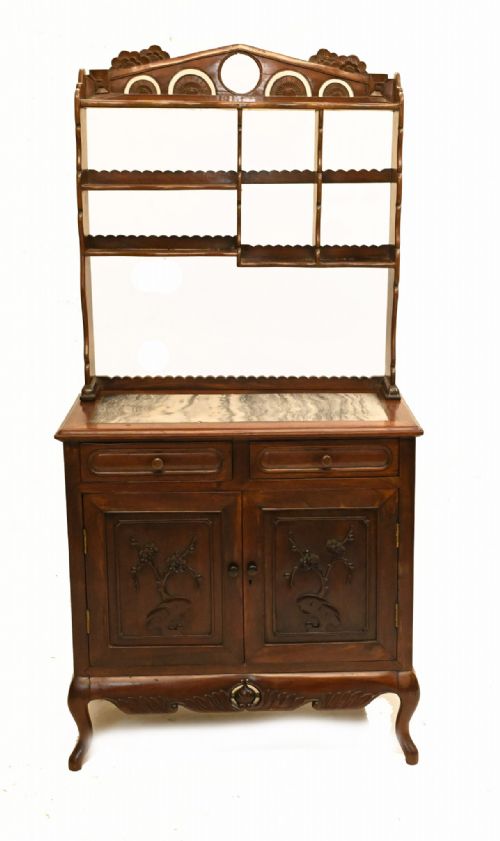
Buyers encounter serpentine fronts, bombés shapes, and breakfront layouts executed in walnut, mahogany, cherrywood, and oak. Regional variations include Italian neoclassical pieces and Chinese hardwood dresser bookcases alongside standard European forms.
Materials and construction
Cabinetmakers constructed carcass frames from timbers such as oak and pine, applyingveneers of kingwood, tulipwood, satinwood, and rosewood arranged in parquetry and marquetry patterns. Brass and ormolu mounts punctuate drawer fronts and corners, while heavy marble slabs sit directly upon the upper surface.
Surface ornamentation relies on intricate wood inlays, ebonising, and faux-bamboo turning, paired with functional brass hardware. Natural stone tops are selected for their durability and grain, ranging from simple white slabs to grey and coloured marble variants.
Some nineteenth-century makers carved solid wood to mimic bamboo stalks down to the joints.
Distinctions in execution
Standard differs in the precision of the wood inlays, the crispness of ormolu cast mounts, and the integration of the marble slab with the timber base. Finer examples maintain original stone tops matched tightly to serpentine or breakfront contours.
Drawer construction demonstrates cabinetmaking competence through hand-cut dovetails and smooth interior sliding. The selection of figured veneers like bird’s-eye maple and flame mahogany further separates standard utilitarian furniture from decorative salon pieces.
Mon Krieger
The Marble Topped Dresser Glossary
- Commode
- A low chest of drawers or cabinet developed in France during the eighteenth century. These pieces typically feature multiple drawer tiers and rest on short legs.
- Marquetry
- The art of applying decorative veneer pieces in wood, metal, or shell to a wooden structure. It creates complex pictorial or geometric patterns across drawer fronts.
- Ormolu
- Gilded bronze used for decorative mounts and furniture hardware. The technique involves applying a gold amalgam to cast bronze.
- Serpentine
- A furniture contour featuring a double-curved edge that bends outward in the centre and inward at the sides. This shape demands precise woodworking skill.
- Parquetry
- Geometric mosaic woodwork used for flooring and furniture surfaces. Small veneer blocks form repeating patterns like cubes or chevrons.
Marble Topped Dresser: Frequently Asked Questions
How do I clean a marble top?
Wipe the stone surface using a soft cloth dampened with warm water and mild, non-acidic soap. Avoid abrasive cleaners or vinegar, which etch the polished finish.
Dry the marble thoroughly after washing to prevent water spots. Spills should be blotted immediately to protect the stone from staining.
Are these pieces suitable for bathrooms?
Washstands and dressing cabinets accommodate moisture better than standard wood furniture due to their stone surfaces. Proper ventilation prevents humidity from damaging internal drawer frames.
Solid wood carcasses require stable humidity levels to avoid warping. Regular waxing protects the timber exterior from airborne moisture.
How do I date a commode?
Examine construction methods such as dovetail joints and secondary woods hidden inside the drawers. Hand-cut joints and native timbers generally indicate eighteenth or nineteenth-century origin.
Stylistic cues like Louis XVI straight lines or Louis XV curves narrow down the production period. Original hardware and matching stone tops offer further chronological markers.
Can I replace a cracked marble top?
Replacing a damaged slab requires finding a stone mason to cut a matching piece of marble. Originals are preferred, but period-appropriate stone replacements maintain historical utility.
Ensure the new slab matches the thickness and edge profile of the original cabinet top. Loose tops simply rest on the wooden frame without permanent fixings.