

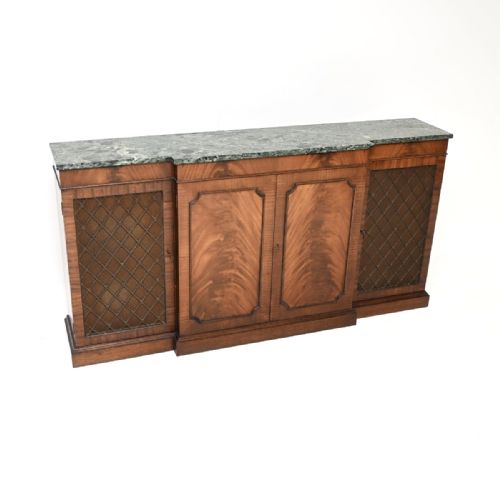
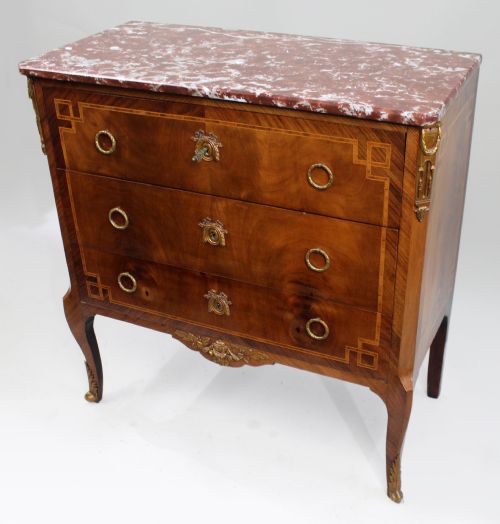
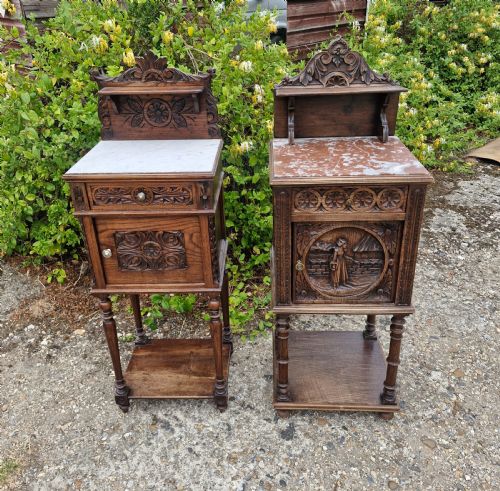
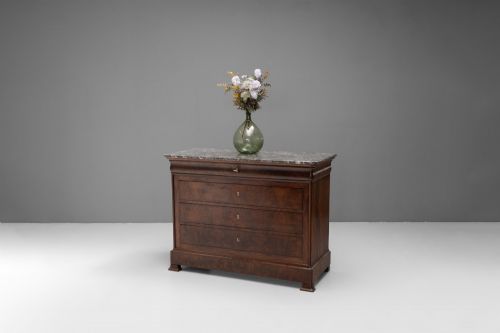
Marble Top Storage Cabinet
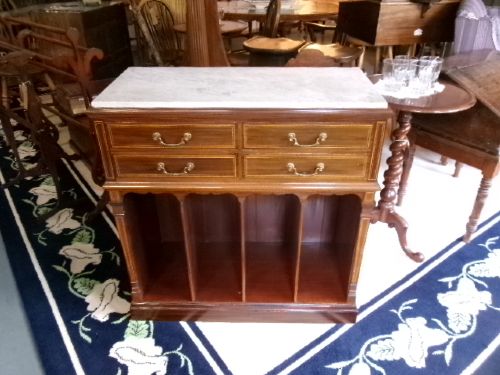
A marble top storage cabinet brings a cool stone surface and heavy timber structure to an interior, combining practical concealment with a polished top.
Marble Top Storage Cabinet
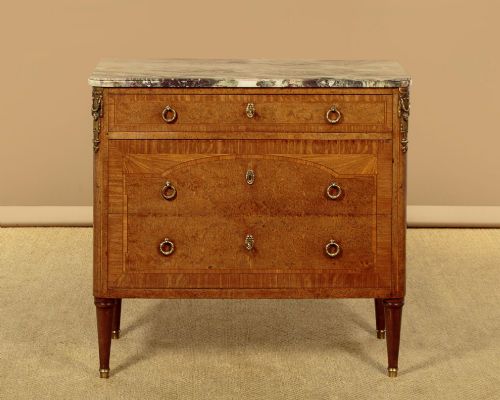
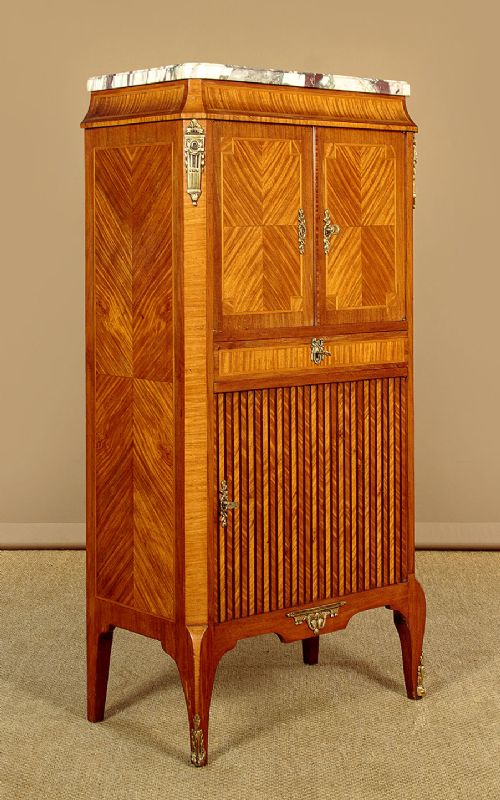
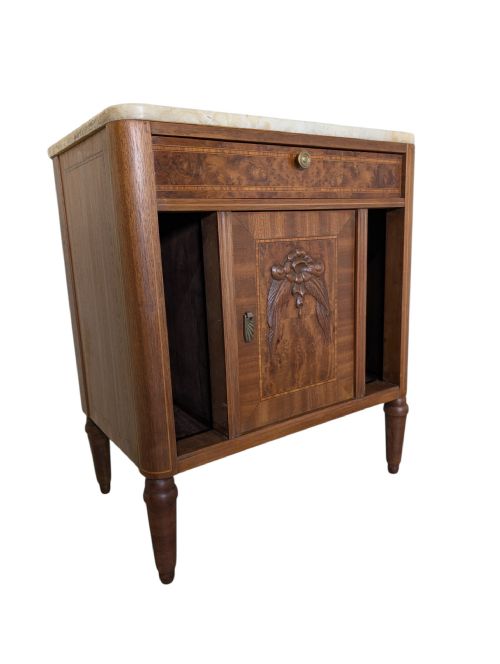
A marble top storage cabinet unites utilitarian enclosed storage with a durable stone slab resting across the upper surface. These pieces appear frequently as commodes, chests of drawers, side cabinets, and bedside cabinets originating from the nineteenth and eighteenth centuries.
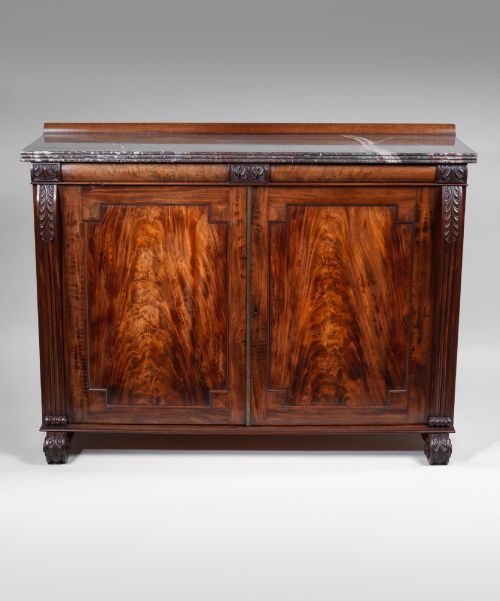
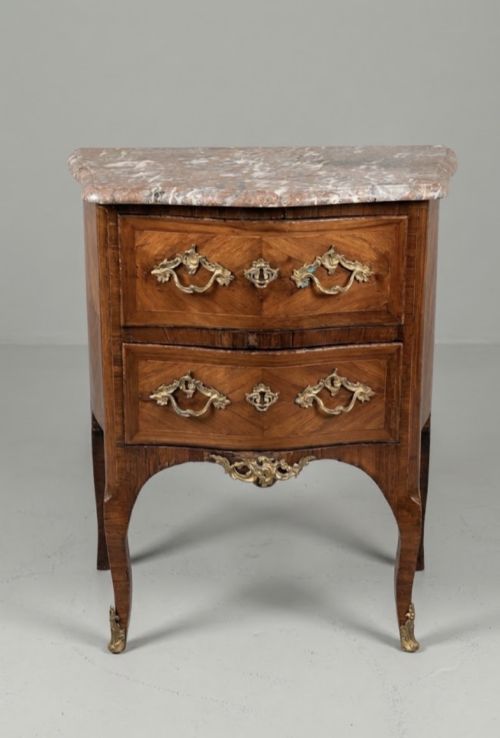
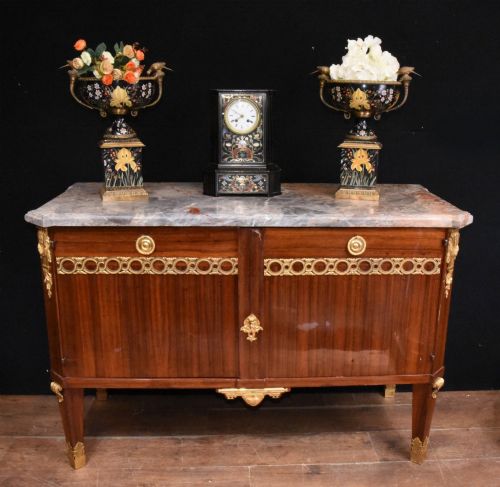
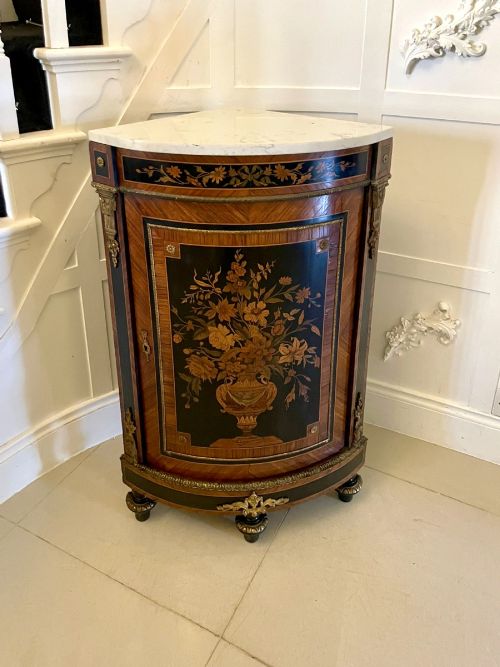
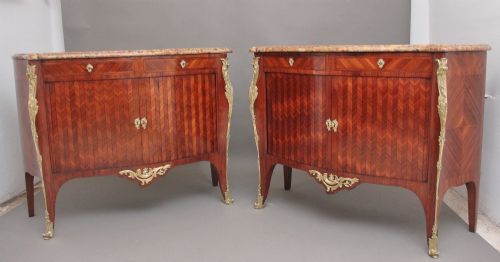
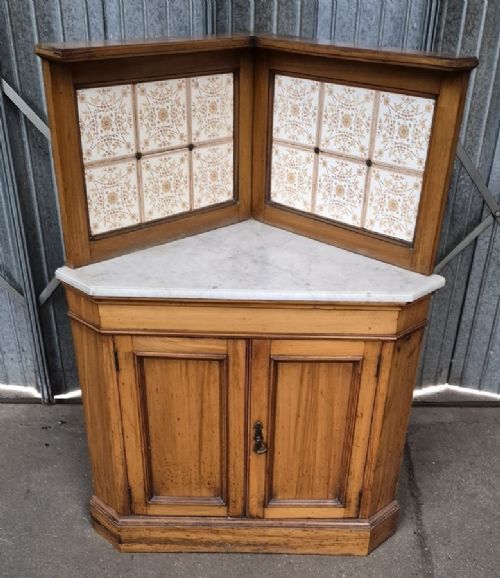
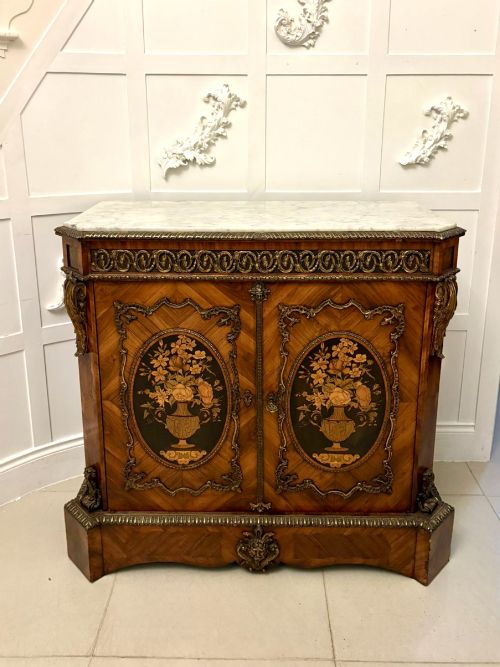
French workshops dominate the surviving examples, taking forms such as the bombé commode, demi-lune console, and side cabinet rendered in continental styles including Louis XV and Louis XVI. British iterations also emerge through Victorian washstands and sideboards utilising timber carcases beneath heavy stone.
The buyer encounters these storage forms across diverse room settings where the dense stone surface offered protection against liquids, spills, and heavy daily use.
Judging Quality
Quality rests upon the precision of the timber joinery, the integration of the stone slab with the wooden frame, and the crispness of the applied bronze or ormolu mounts. Finer pieces demonstrate meticulous alignment in their marquetry and veneers, whilst simpler utility cabinets rely on solid timber construction without decorative inlays.
The thickness, veining, and polish of the marble top relative to the proportions of the base cabinet separate standard regional furniture from exceptional metropolitan examples.
Marble Top Storage Cabinet Retail Price Guide 2026
Typical asking prices for marble top storage cabinet among the pieces listed under this phrase on Sellingantiques today, from the lower quarter to the upper quarter. They describe what is for sale here now, not the wider market.
Listings feature marble, walnut, mahogany, and kingwood across Victorian and nineteenth century periods.
Walker & Sons
The Marble Top Storage Cabinet Glossary
- Commode
- A low chest of drawers or cabinet with doors, originating in France and frequently finished with a stone top.
- Ormolu
- Gilt bronze mounts applied to furniture edges, feet, and corners for decorative effect. This technique was widely utilised in French cabinetmaking.
- Marquetry
- Inlaid patterns of contrasting wood veneers assembled to create geometric or pictorial designs across the carcase facade.
- Bombé
- A swelling, outward-curving convex shape characteristic of continental furniture forms from the eighteenth and nineteenth centuries.
- Demi-lune
- A half-moon shape used for console tables, chests, and cabinets designed to stand flush against a flat wall.
Marble Top Storage Cabinet: Frequently Asked Questions
What is a marble top storage cabinet used for?
These pieces provide enclosed storage behind doors or within drawers while offering a sturdy horizontal surface on top. Historically they served multiple domestic purposes from bedside placement to grand reception room display.
The stone surface accommodated items that might damage traditional timber, allowing the cabinet to function practically without sacrificing decorative presence in a room.
How do I identify a French commode?
French commodes typically display distinctive continental proportions, curved serpentine or bombé sides, and detailed marquetry patterns. They frequently incorporate cast ormolu mounts around the keyholes, feet, and corners.
The marble top often follows the exact contour of the wooden carcase beneath, ranging from grey or rouge stone to classic white slabs.
Are these cabinets suitable for modern bathrooms?
The natural stone top provides a water-resistant surface that handles everyday moisture well. Many buyers repurpose these cabinets as washstands or vanity units.
Care must be taken to protect the surrounding timber carcase and veneer from direct water splashes to preserve the antique finish.
How do I tell Victorian pieces apart from French ones?
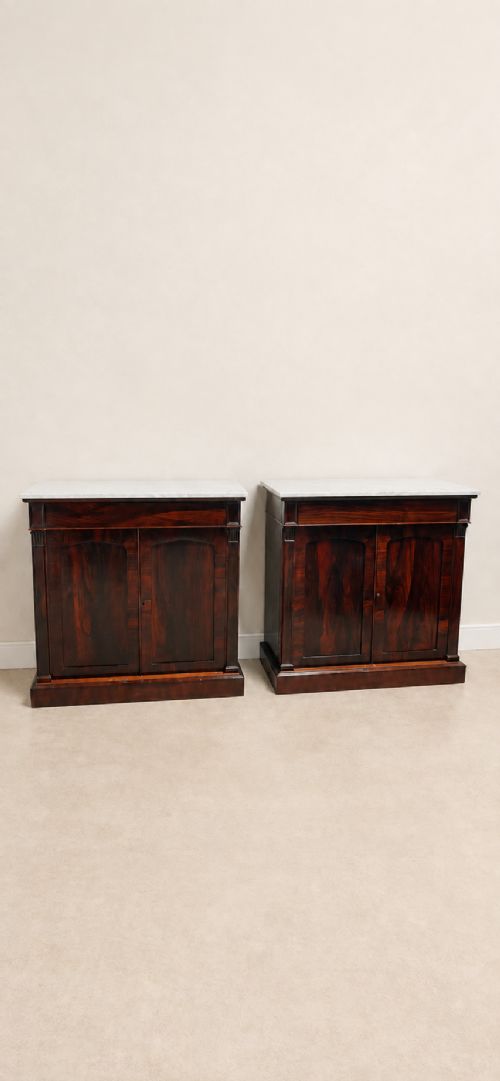
Victorian examples tend to employ straightforward rectangular forms in mahogany, walnut, or pine, sometimes featuring corner configurations or washstand fittings. French pieces lean toward elaborate curves, kingwood or rosewood veneers, and extensive gilt bronze mounts.
Construction methods and secondary woods inside the drawers also point directly to the workshop traditions of each country of origin.