





Marble Top Rosewood Bookcase
These marble top rosewood bookcase pieces bring rich timber and cool stone together to ground a room with period presence.
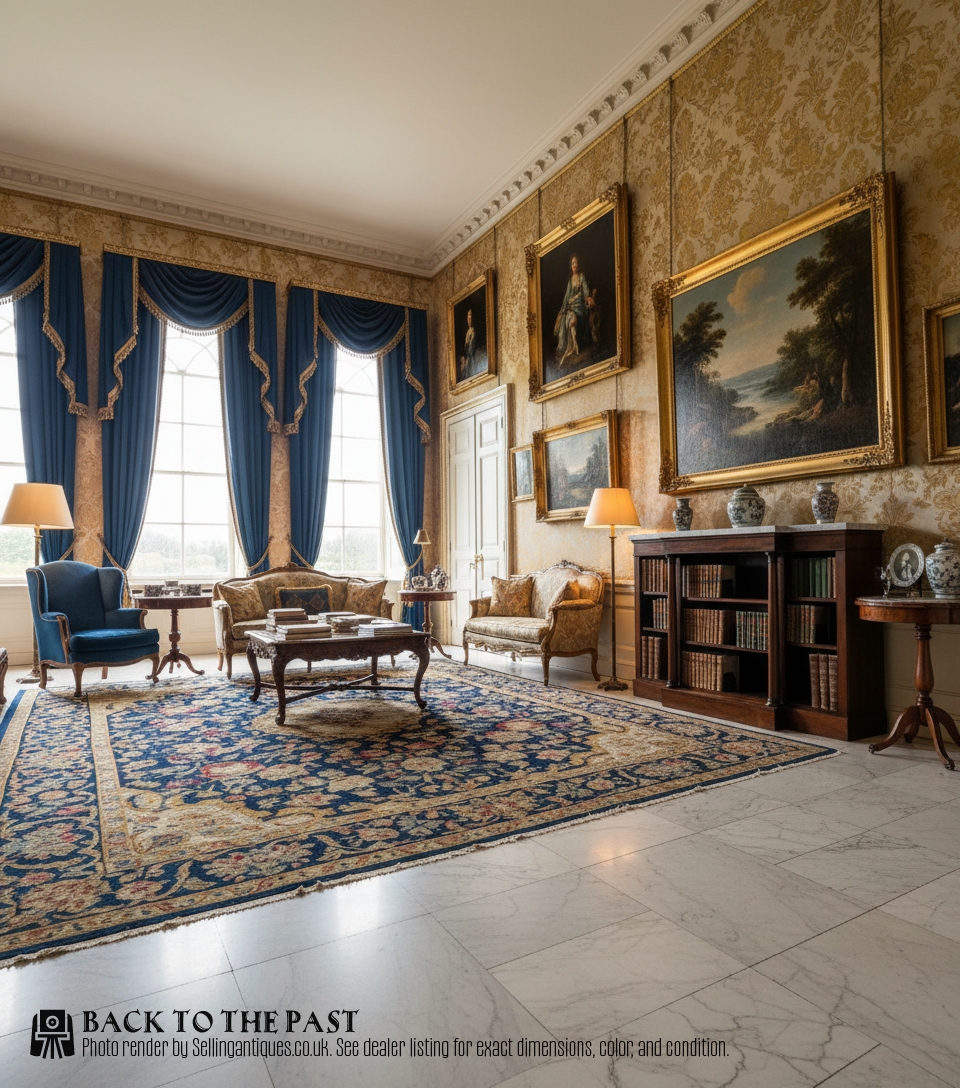
Marble Top Rosewood Bookcase
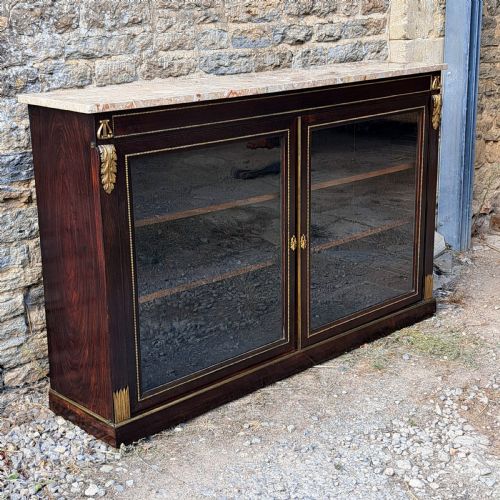
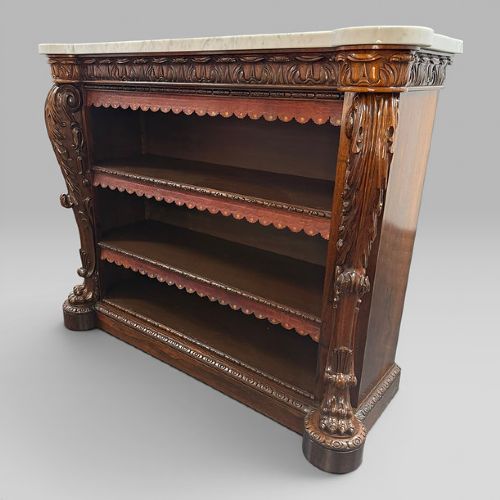
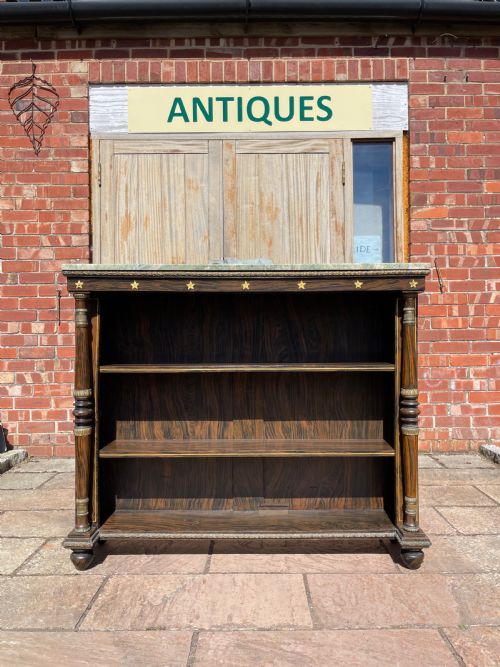
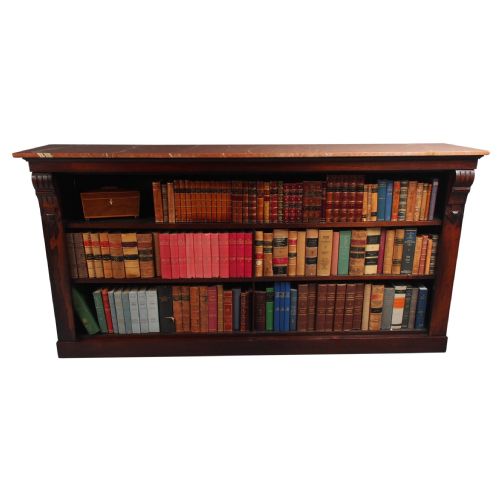
A marble top rosewood bookcase combines dense, figured dark timber with a robust stone surface, functioning equally well as a low open bookcase, a dwarf side cabinet, or a glazed display piece. The pieces seen on this page span the Regency, George IV, William IV, and Victorian eras, alongside general nineteenth-century examples.
Most entries are low open bookcases or side cabinets rather than towering library shelving, often featuring adjustable internal shelves housed within compact proportions. Many examples incorporate architectural details such as brass inlay, parcel-gilding, or glazed doors alongside their defining stone tops.
Origins stretch across the nineteenth century, with specific attribution points connecting select items to prominent workshops like Gillows. Buyers encounter both freestanding forms intended to command a room and dwarf variants designed to sit flush against a wall.
Construction and Materials
Cabinetmakers constructed these pieces primarily using solid rosewood or rosewood veneer applied over secondary timbers like softwood, pairing the heavy dark grain with heavy white, pink, mottled, or green marble slabs. Some interpretations utilise simulated paint and faux porphyry marble surfaces to achieve the desired aesthetic through alternative technical means.
Metalwork played a structural and decorative role, with brass inlay, brass grilles, and gold leaf highlighting the dark timber frames. Leather also appears as a secondary material, occasionally forming dummy book spines within specialised compartments.
Several pieces conceal their contents behind clever leather dummy books, fooling visitors into seeing a library where a cabinet door actually lives.
Distinctions in Execution
Quality rests upon the selection of the rosewood veneers and the character of the marble slab, where finely figured grain and specialised stone varieties command attention. The integration of parcel-gilding, brass inlay, and precise architectural mouldings elevates certain pieces above standard utility furniture.
The integrity of the structural carcass, the refinement of the turned or carved supports, and the inclusion of original cabinet fittings separate standard nineteenth-century production from superior workshop outputs.
Gillows of Lancaster
The Marble Top Rosewood Bookcase Glossary
- Rosewood
- A dense, heavily figured timber prized for its deep colour and dark grain patterns. It served as the primary exterior wood for high-status cabinetmaking throughout the nineteenth century.
- Dwarf bookcase
- A low shelving unit designed to sit below dado height. These pieces often feature an integrated marble top and function as a hybrid between a bookcase and a side cabinet.
- Parcel-gilt
- Partially gilded with gold leaf to highlight carved details, mouldings, or specific decorative motifs. This technique contrasts brightly against dark rosewood surfaces.
- Breakfront
- A cabinet design where the central section projects forward from the flanking wings. This configuration adds architectural depth to sideboards and bookcases.
- Dummy books
- Faux book spines, often bound in leather, used to conceal compartments, doors, or storage areas. They provide a scholarly decorative front to functional cabinetry.
Marble Top Rosewood Bookcase: Frequently Asked Questions
How were marble top rosewood bookcase pieces originally used?
These cabinets served primarily in libraries, drawing rooms, and parlours to store prized volumes while offering a durable upper surface for display objects. The marble top provided a practical, water-resistant counter for lamps, bronzes, or botanical specimens.
In domestic settings, the dwarf proportions allowed them to sit beneath windows or along principal walls without blocking natural light, combining bookcase utility with the surface utility of a side table.
How do I distinguish between Regency and William IV pieces?
Regency examples often lean towards classical restraint, featuring crisper brass inlay, delicate parcel-gilding, and refined rectilinear proportions influenced by ancient Greco-Roman design. The timber choice remains dark and richly figured, occasionally accompanied by lighter satinwood accents.
William IV pieces typically display heavier proportions, bolder carved scrollwork, and robust architectural elements such as larger plinths and columns. The marble slabs on later pieces also tend towards thicker, more dramatically mottled or coloured stone varieties.
Can I adjust the shelves inside these bookcases?
Many nineteenth-century examples incorporate adjustable shelving supported by wooden bearer strips or brass ratchets. This adaptability allowed owners to accommodate varying heights of octavo and quarto volumes.
Buyers should inspect the interior cabinet walls for the original rack-and-pinion mechanisms or slot systems that permit shelf movement.
How do I care for the marble top and rosewood?
Marble requires gentle cleaning with a damp cloth and neutral soap, avoiding acidic substances like citrus or vinegar that can etch the polished stone surface. Rosewood benefits from occasional dusting with a dry lint-free cloth and minimal application of quality wax to preserve the grain.
Keeping these materials away from direct heat sources and strong sunlight protects both the natural oils in the timber and the polished finish of the stone.