

Marble Display Pedestals
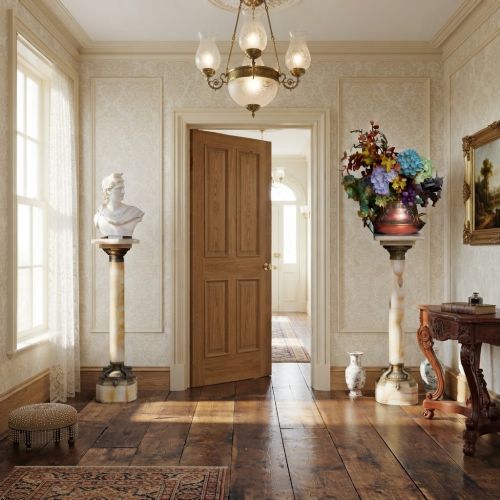
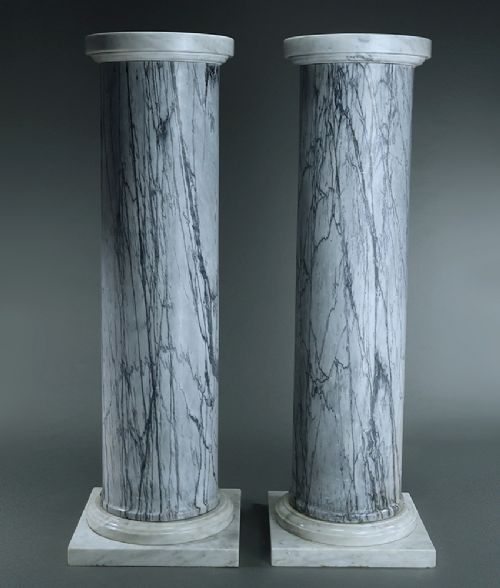
These marble display pedestals elevate sculpture, plants and decorative objects, bringing classical proportion and substantial weight to interior spaces.
Marble Display Pedestals
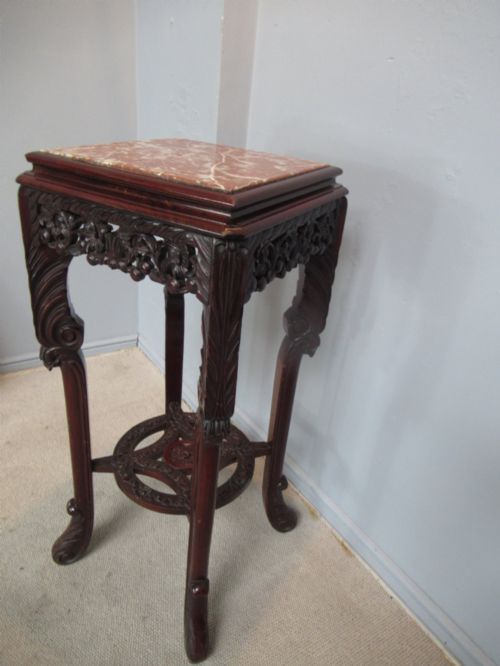
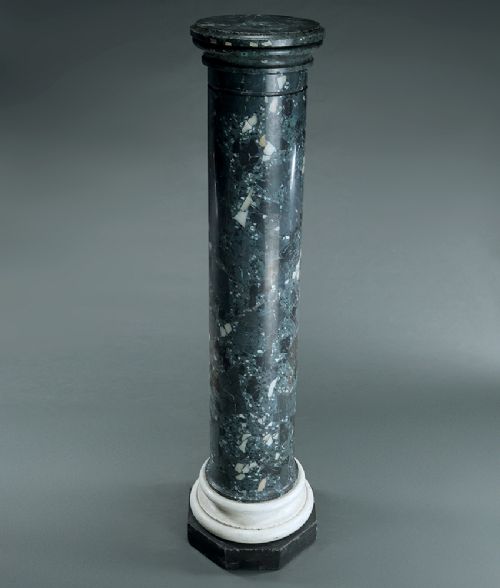
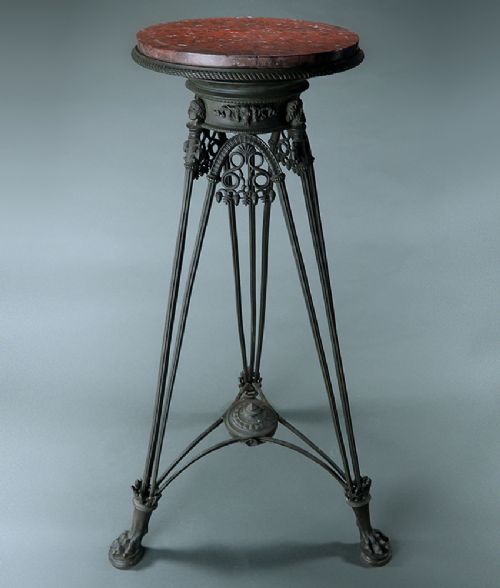
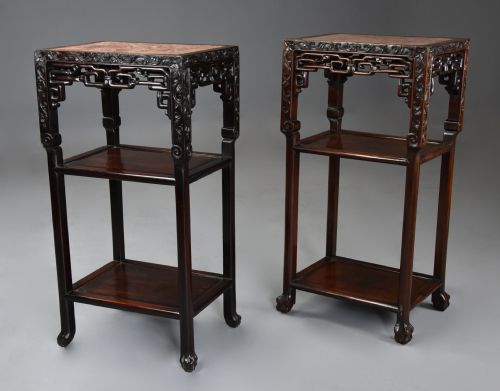
Marble display pedestals encompass columns, plant stands, jardiniere stands and plinths designed to elevate decorative objects within a room. When searching for marble display pedestals, buyers encounter items ranging from nineteenth-century Neoclassical columns to Chinese export hardwood stands inset with marble tops.
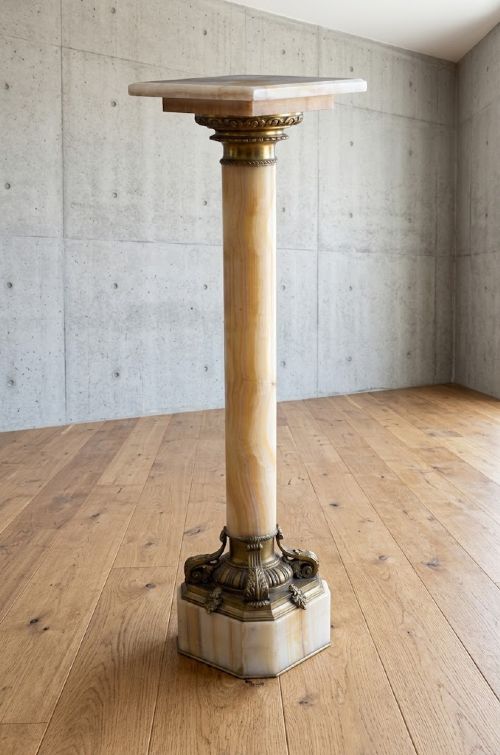
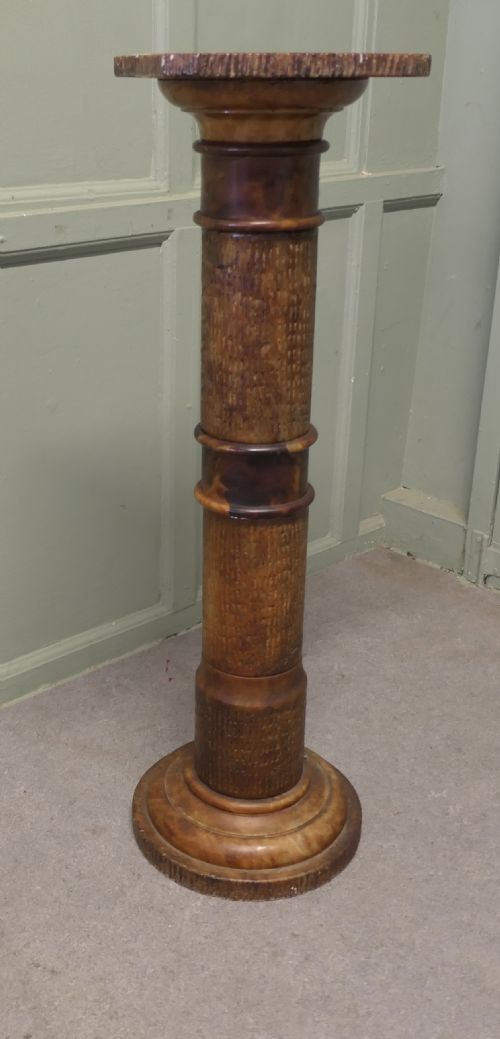
Nineteenth-century examples dominate the selections, alongside Victorian, Edwardian and early twentieth-century pieces. Forms vary from slender freestanding columns of honey-coloured or variegated marble to low occasional stands and tall plant holders.
Materials and Construction
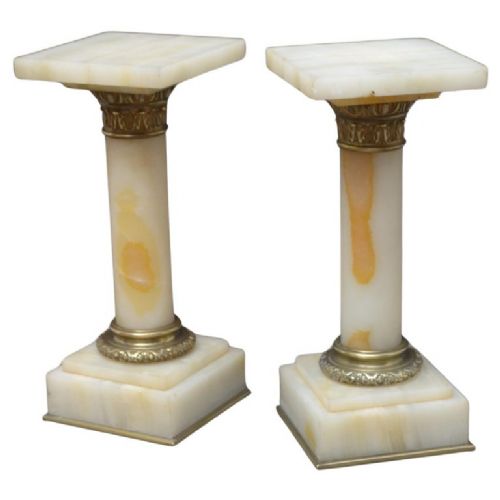
Construction relies heavily on natural stone paired with supportive structures of hardwood, rosewood, padouk or brass and ormolu mounts. Stones such as onyx, Bardiglio, Carrara, Verde Antico and alabastro egiziano provide solid or scagliola surfaces.
Carving, turning and inlay techniques define the joinery. Chinese stands utilise mortise and tenon joints in dense hardwoods, while European columns incorporate cast ormolu collars and brass details secured to stone shafts.
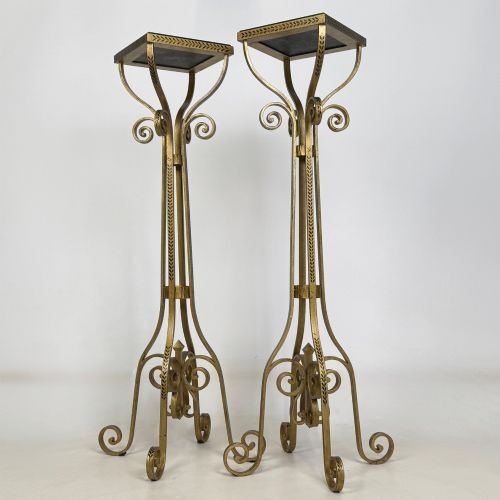
Listings feature nineteenth-century items alongside pieces from the Edwardian era and the 1930s, constructed from marble, hardwood, onyx, brass and ormolu.
Assessing the Pieces
Quality rests upon the selection and figure of the marble and the precision of the stone-turning or wood-carving. Highly figured specimens and rich exotic hardwoods elevate a piece above standard painted plaster or simpler softwood framing.
The integration of secondary materials dictates refinement. Finely chased ormolu collars, mother-of-pearl inlay, and crisp classical detailing separate masterwork Grand Tour souvenirs and substantial architectural columns from everyday utilitarian plant stands.
The Marble Display Pedestals Glossary
- Ormolu
- Gilded bronze mounts applied to furniture and stone columns. This decorative technique adds metallic warmth and French styling.
- Scagliola
- A composite material made from selenite, glue and pigments, mimicking natural marble. Artisans apply this technique to create convincing decorative columns.
- Jardiniere
- A large ornamental pot or stand for plants and flowers. These holders often feature inset marble tops to resist moisture.
- Guéridon
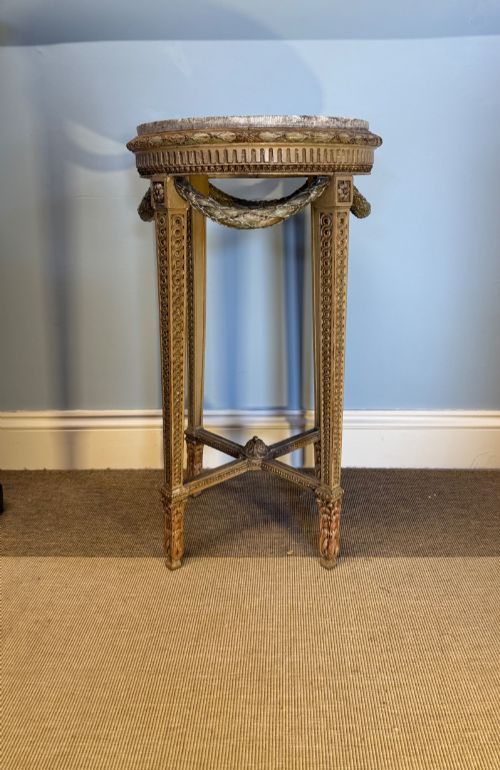
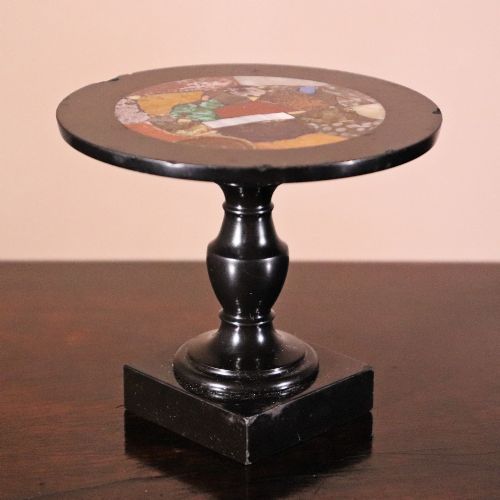
- A small French table supported by one or more columns. These stands frequently utilise marble tops and brass details.
- Tazza
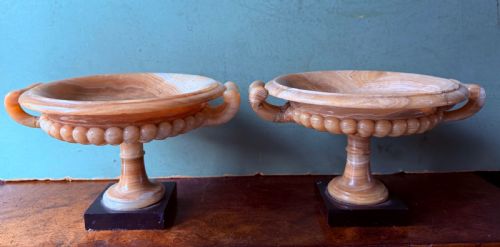
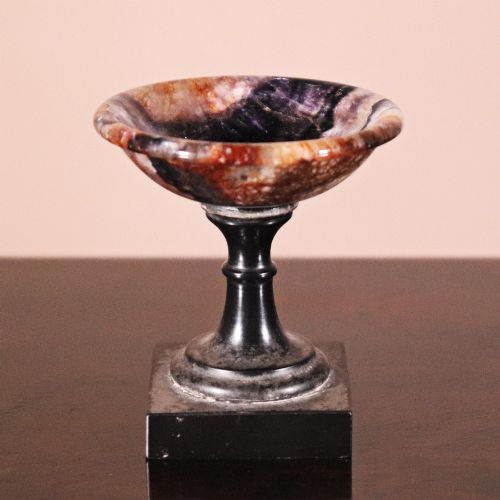
- A wide, shallow cup or bowl set on a stem and foot. Grand Tour examples often carved these from coloured alabaster or marble.
Marble Display Pedestals: Frequently Asked Questions
How do I choose the right height?
Consider the object placed on top and the surrounding furniture scale. Taller columns suit larger rooms and substantial sculptures, while shorter plant stands fit domestic corners.
Measure the intended display space carefully to ensure the footprint remains stable, particularly with heavy stone shafts.
Are these pedestals strong enough for heavy planters?
Many nineteenth-century stands and columns were built specifically to support heavy ceramic pots, jardiniere bowls and marble sculptures.
Solid stone shafts and dense hardwood frames provide robust load-bearing capacity for substantial decorative items.
How do I clean marble tops?
Use a soft, damp cloth with mild, pH-neutral soap to wipe away dust and debris. Avoid acidic cleaners that etch stone surfaces.
Dry the marble thoroughly afterwards to protect the polish and prevent water marks on older stone.
How do I distinguish Chinese export stands from European pieces?
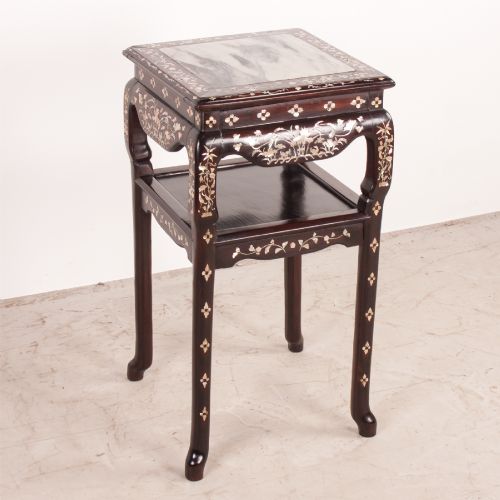
Chinese export stands utilise dense Asian hardwoods like padouk and rosewood, often featuring characteristic carved apron details and mortise construction.
European columns typically employ turned stone shafts, classical revival styling, and bronze or ormolu mounts inspired by French design.