





Pair of Stone Plinths
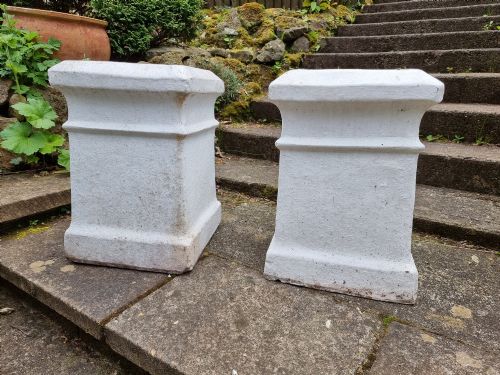
A pair of stone plinths gives height and focus to garden statues, urns or architectural ornaments.
Pair of Stone Plinths
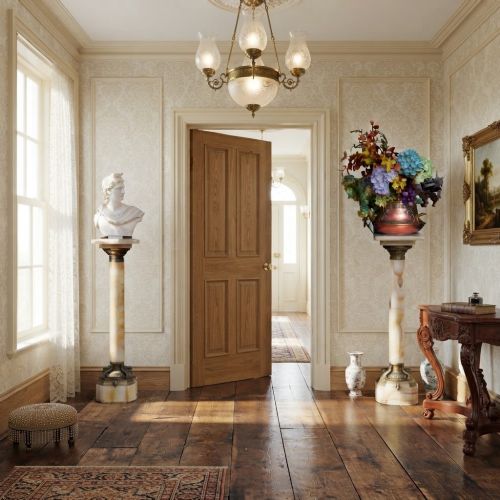
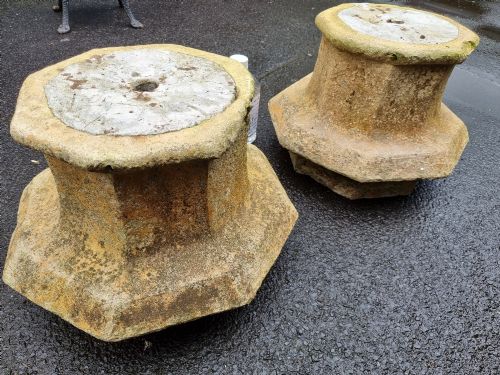
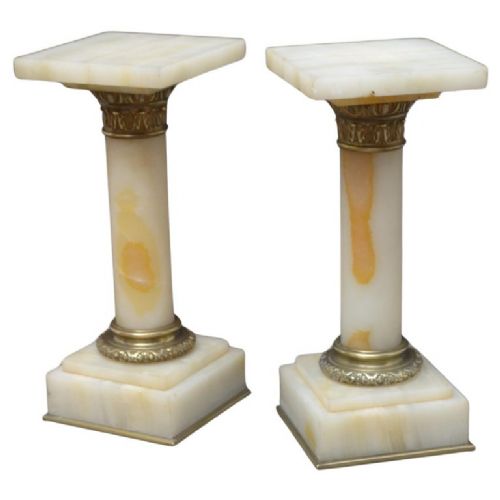
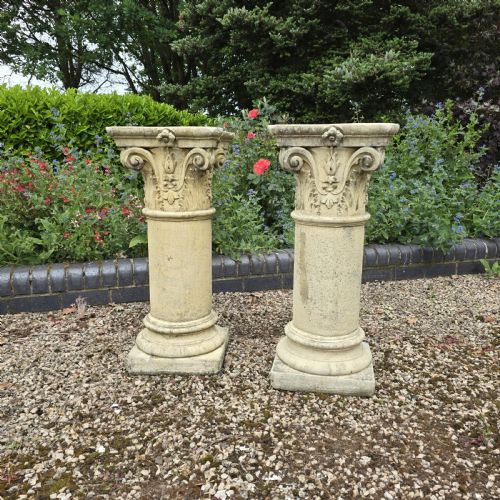
A pair of stone plinths consists of matched architectural supports designed to elevate garden ornaments, urns, figures or columns. These pieces appear across various periods including the 19th Century, Victorian era, Regency, 1920 and 1950. Buyers seeking a pair of stone plinths will encounter forms ranging from low garden supports to tall classical columns and pedestals.
The styles span Classical, Neoclassical, Classical Revival, Gothic Revival and French Chateau designs. Materials vary from reconstituted and composite stone to marble, onyx, terracotta and alabaster. Many examples serve outdoors in gardens, while others function indoors alongside decorative objects and bookends.
Materials and construction
Construction relies on durable natural and manufactured materials suited to both indoor and outdoor placement. Carved stone, Derbyshire alabaster and serpentine marble provide traditional solid structures fashioned by masons. Cast stone, composite stone and reconstituted stone utilise moulded aggregates that replicate the appearance of carved masonry.
Surface treatments and secondary elements enhance specific pieces according to their period and style. Ormolu collars and painted finishes appear on select marble and onyx columns. Weathering patinas develop naturally on outdoor garden stone and salt-glazed bodies over decades of exposure.
Pair of Stone Plinths Retail Price Guide 2026
Typical asking prices for pair of stone plinths among the pieces listed under this phrase on Sellingantiques today, from the lower quarter to the upper quarter. They describe what is for sale here now, not the wider market.
The available styles encompass Neoclassical, Victorian, Classical Revival, French Chateau, Gothic Revival and Grand Tour designs.
Distinctions in quality
Quality rests upon the crispness of the carving, the integrity of the material and the proportion of the design. Hand-carved alabaster and marble columns demonstrate superior artistic execution compared to standard moulded wares. Material density and stable internal structure dictate longevity, particularly for pieces exposed to weather outdoors.
The refinement of classical details, such as Corinthian capitals or moulded collars, distinguishes superior examples. Matched pairs require consistent weathering and identical dimensions to maintain visual balance when displaying urns or figures.
Bright And Sons
The Pair of Stone Plinths Glossary
- Reconstituted Stone
- Manufactured material made from crushed stone and cement binder moulded into architectural shapes. This technique allows decorative garden plinths and urns to be produced with consistent detail.
- Ormolu
- Gilded bronze mounting applied as a decorative collar or embellishment on fine 19th Century columns. The technique creates a sharp contrast against polished marble and onyx surfaces.
- Serpentine Marble
- Decorative stone characterised by a mottled green appearance resembling serpent skin. It was frequently utilised for 19th Century columns and pedestals.
- Salt Glazed
- Ceramic surface treatment achieved by introducing salt into the kiln during firing. This process produces a durable, vitreous finish found on Victorian garden wares.
- Grand Tour
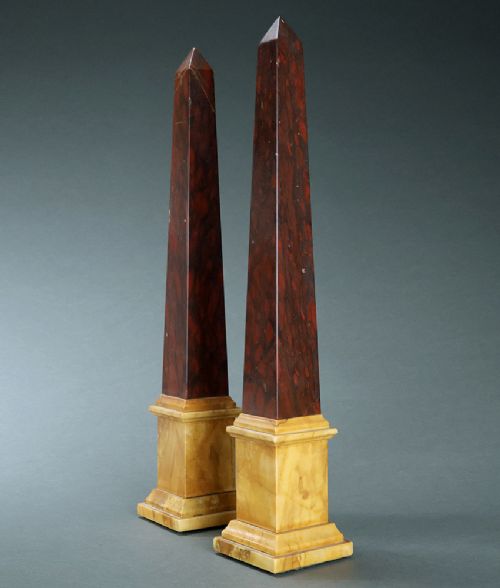
- Cultural travel tradition of the 19th Century that inspired small-scale architectural ornaments and obelisks. These decorative objects were brought back as mours of European journeys.
Pair of Stone Plinths: Frequently Asked Questions
Where should I place a pair of stone plinths?
These supports suit both interior display and garden placement depending on their material and build. Weathered stone and composite pieces function outdoors beneath urns or statues.
Marble and onyx examples generally suit interior settings such as hallways or reception rooms. Their balanced proportions provide a solid base for decorative objects or columns.
How do I identify 19th Century stone plinths?
Nineteenth century pieces often display neoclassical, gothic or classical revival motifs carved by hand or cast in heavy stone. Materials like serpentine marble, alabaster and early composite stone indicate older production methods.
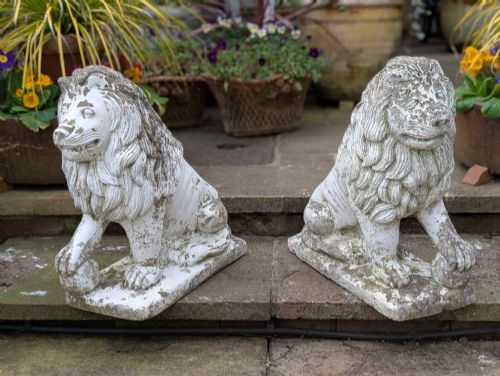
Examine the weathering patterns and tool marks where applicable. Archive examples show that authentic period pieces frequently accompany traditional garden ornaments like lions and urns.
What styles are available for these plinths?
The available styles reflect classical architectural traditions including Neoclassical, Gothic Revival and French Chateau designs. Corinthian columns and formal pedestals draw directly on ancient architectural forms.
Other variations include low garden supports and decorative columns paired with urns or statues. Each style dictates the appropriate setting, whether formal garden or domestic interior.