





Maple Side Table
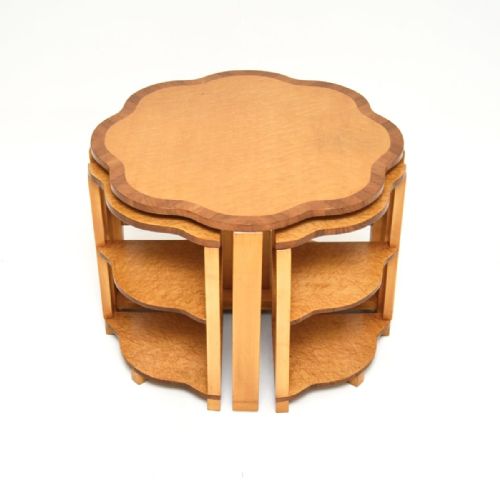
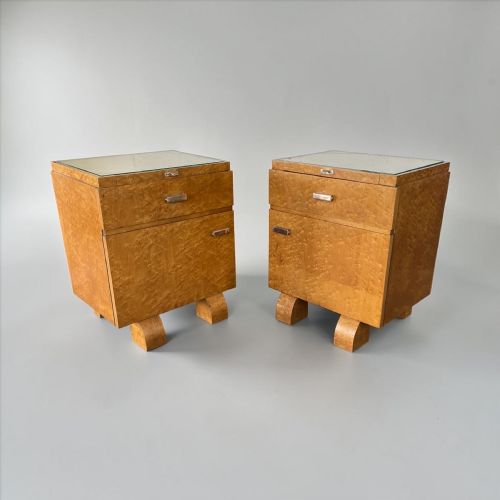
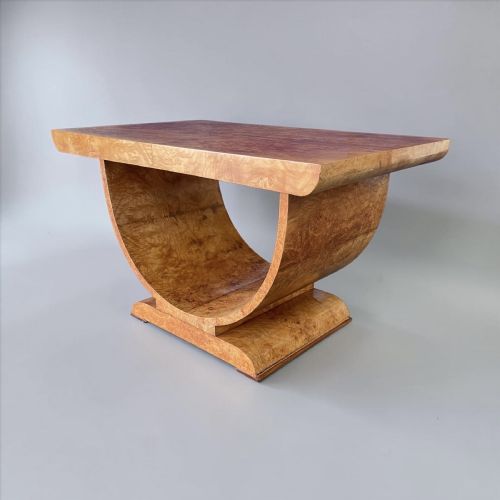
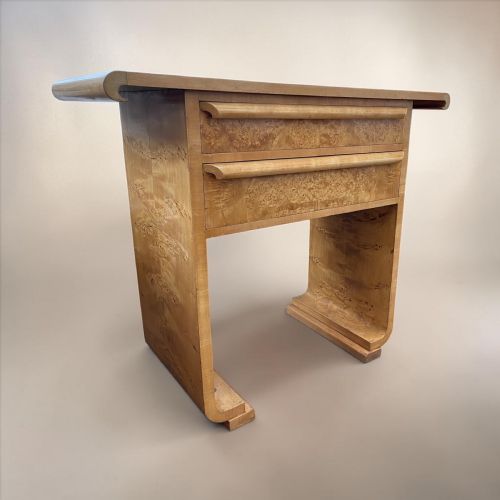
A maple side table brings distinctive grain and warm tone to a room, ranging from sleek Art Deco geometric forms to refined nineteenth-century occasional designs.
Maple Side Table
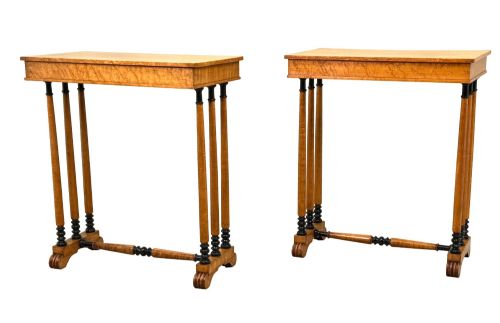
The material appears both as solid wood and as decorative veneers, with birds-eye maple and burr maple frequently chosen for their swirling, dotted figuring. These tables often incorporate contrasting woods like walnut, mahogany, or ebonised details to accentuate the pale primary grain.
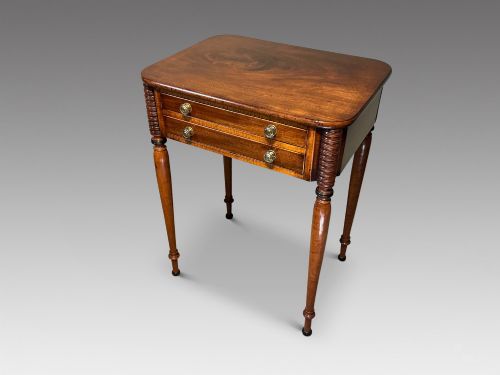
Pieces originating from the Regency and Victorian eras display classical proportions and turned supports, while 1930s examples favor streamlined silhouettes and clean horizontal lines. Alongside dedicated side tables, related forms such as sofa tables, card tables, and work tables regularly populate the selection.
How They Were Made
Cabinetmakers utilised timber selection as the primary decorative element, cutting veneers from burr and birds-eye maple growths to reveal complex, organic patterns across flat surfaces. These delicate veneer sheets were applied to stable secondary woods like pine or mahogany to prevent warping.
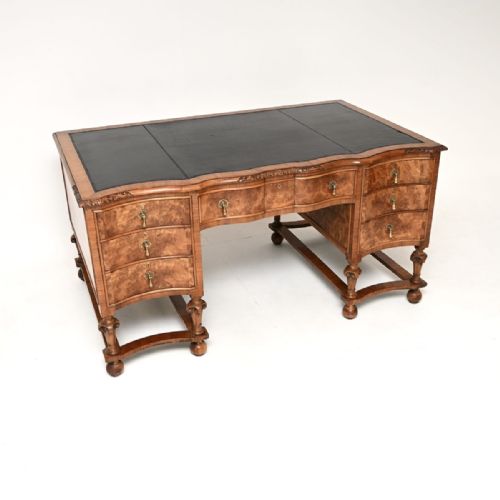
Construction techniques evolved from traditional dovetail joints and hand-turned pillar supports in nineteenth-century workshops to the smooth, flush surfaces and curved plywood structures characteristic of Art Deco manufacturing. Brass hardware, leather inserts, and marble tops were frequently integrated to finish the pieces.
Some nineteenth-century tables arrived with secret compartments for needlework, proving that even a side table needs a place to hide unfinished socks.
What Varies in Quality
Quality rests upon the symmetry and richness of the maple figuring across the visible surfaces, where tightly patterned birds-eye or deep burr veneers elevate a piece above plain timber. The precision of the joinery and the harmonious integration of secondary woods like ebony, rosewood, or walnut define the standard of execution.
Attribution to prominent firms such as Maple and Co. or Gillows adds historical weight, reflected in crisper carved details, superior timber selection, and more thoughtful proportions. The integrity of the original polish and the preservation of delicate inlay work further distinguish superior examples from standard production.
Maple and Co·Fortnum and Mason·The Hille Furniture Company·Gillows
The Maple Side Table Glossary
- Birds Eye Maple
- A figure in maple wood where the grain swirls around small dots resembling birds' eyes. This natural aberration occurs most frequently in sugar maple trees.
- Biedermeier
- A Central European style from the mid-nineteenth century prioritising clean lines and utilitarian comfort over excessive ornament. These pieces showcase pale woods like maple without heavy carving.
- Console Table
- A wall-mounted or freestanding table designed to stand against a vertical surface. They often feature decorative legs and marble or wood tops.
- Occasional Table
- A small, movable table intended for specific, intermittent use rather than central placement. Common forms include lamp, wine, and tea tables.
Maple Side Table: Frequently Asked Questions
How do I identify birds-eye maple?
Birds-eye maple is characterised by small, circular markings scattered across the timber, resembling tiny eyes within the grain. This distinct pattern results from local twists in the wood fibres that disrupt the smooth growth rings.
Cabinetmakers typically use this timber as a veneer on prominent surfaces like table tops and cabinet doors to maximise its visual impact.
What is the difference between a side table and a console table?
Side tables are generally freestanding pieces designed to sit beside seating or against walls for general placement. Console tables are typically shallower, built specifically to stand flat against a wall, and sometimes require wall fixing.
Console variations often feature decorative front legs with simpler rear supports, whereas side tables are finished on all four sides.
How do I care for a vintage maple surface?
Maple surfaces require gentle cleaning with a soft, dry cloth to remove dust without scratching the polished finish. Avoid placing timber furniture in direct sunlight or near heat sources to prevent the wood from drying out.
Periodic application of appropriate wax polish helps maintain the lustre and protects the veneer from moisture damage.
Are Art Deco maple tables durable?
Art Deco pieces made from maple utilise robust core construction methods developed for twentieth-century modern living. The thick veneers and stable secondary timbers handle normal daily use well when treated with reasonable care.
Protecting the surface from sharp impacts and standing liquids ensures the finish remains intact over decades.