




Mantelpiece Decorative Urns
These mantelpiece decorative urns bring classical elegance and sculptural weight to a room, drawing the eye instantly.
Mantelpiece Decorative Urns
When searching for mantelpiece decorative urns, buyers encounter a diverse selection of vessel forms spanning the nineteenth century, including classical campana shapes, cassolettes, and garniture sets. These objects originate from various European centres such as France, England, and Italy, reflecting sustained nineteenth-century fascination with classical antiquities and Grand Tour souvenirs.
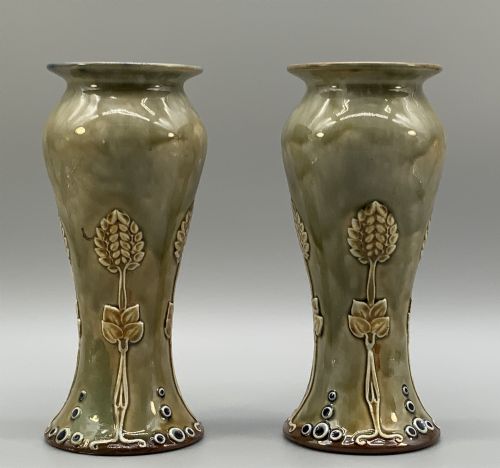
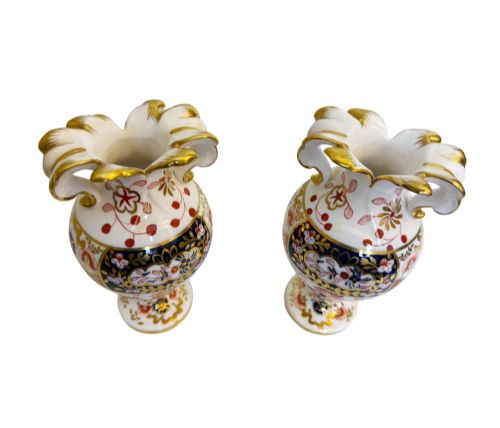
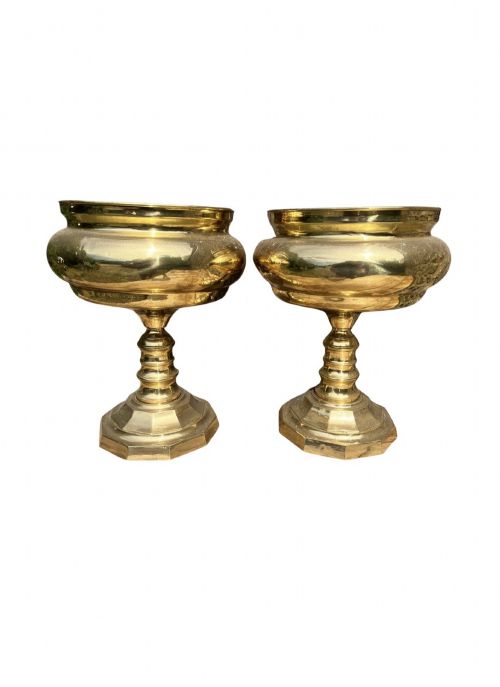
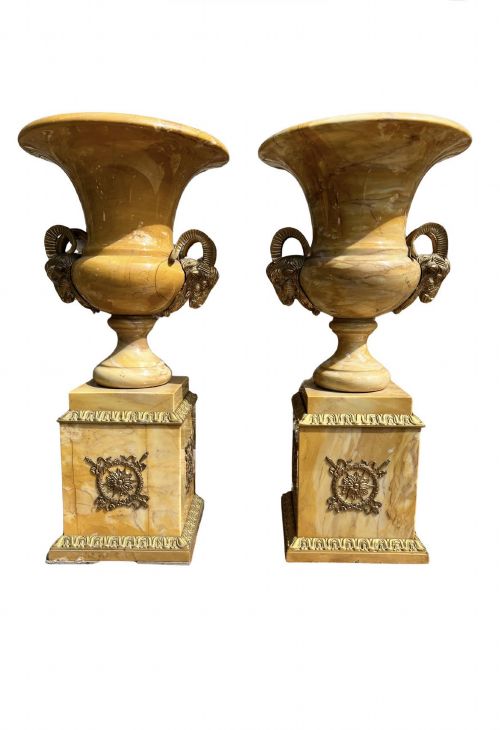
The objects listed range from porcelain and stoneware vases to heavy bronze, marble, and brass urns designed specifically to sit upon a mantelpiece. French Empire and Victorian pieces dominate the selection, often presented in matched pairs alongside mantel clocks or standing upon stepped plinth bases.
Materials and Technique
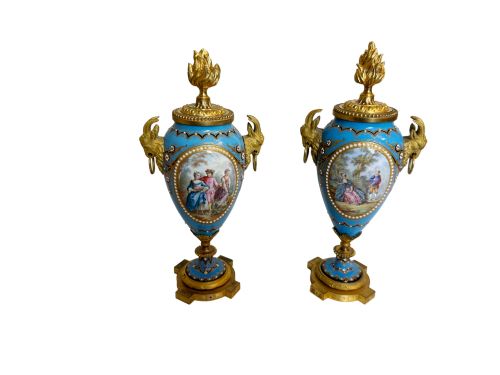
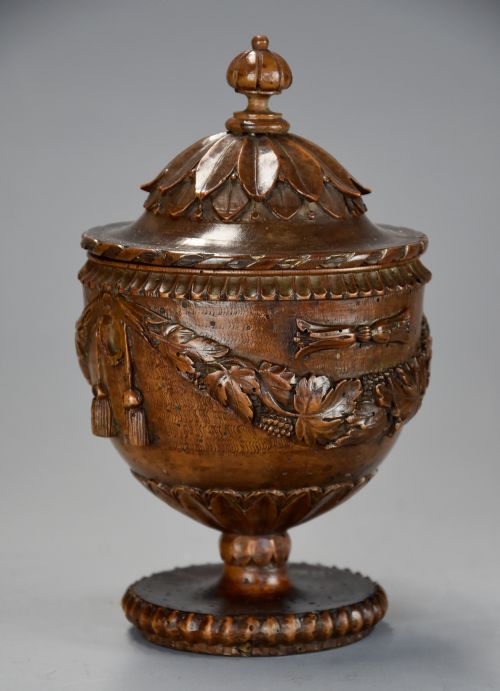
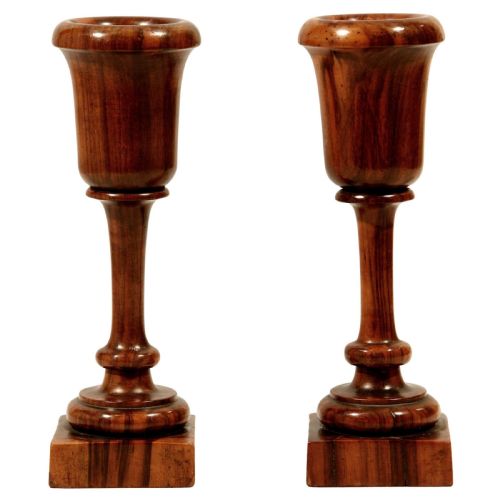
Maker workshops utilised mixed media, combining cast metals such as bronze, ormolu, and spelter with natural stones like Sienna and rouge marble, or carved walnut and lignum vitae wood. Metal components frequently received surface treatments including gilding, gold leaf, and enamel work.
Ceramic examples demonstrate specialised firing and glazing techniques, seen in porcelain, ironstone, and stoneware bodies decorated with hand-painted motifs, Imari palettes, or transfer printing. Stoneware and pottery pieces from English and continental factories often incorporate pierced brass or applied stoneware details.
Turn a French cassolette upside down on your mantelpiece and suddenly your formal nineteenth-century drawing room accessory moonlights as a candlestick.
Craftsmanship and Proportion
Quality reveals itself in the crispness of the metal casting and the depth of the chasing on gilt bronze, brass, and ormolu mounts. Finer examples display meticulous hand-finishing that sharpens architectural details and classical ornament.
Proportion and the harmonious marriage of materials dictate the standing of an urn. Pieces that pair natural marble with precisely fitted metal cassolettes or hand-painted porcelain panels demonstrate superior workshop execution.
Royal Doulton Lambeth·Spode·Flight Barr and Barr·Miles Mason·Royal Vienna
The Mantelpiece Decorative Urns Glossary
- Cassolette
- A decorative vessel featuring a reversible lid that functions either as an urn or a candleholder when turned. This dual design proved popular in French Empire interiors.
- Campana urn
- A bell-shaped vessel derived from ancient Roman pottery and metal prototypes. These pieces typically feature flared rims and mounted handles.
- Garniture set
- A symmetrical grouping of three or more ornamental objects designed for display together on a mantelpiece. They usually consist of a central clock flanked by matched urns or vases.
- Ormolu
- Gilded bronze produced by applying a mercury and gold amalgam to a cast bronze base. The technique creates a distinctive warm metallic lustre.
- Grand Tour
- A cultural journey undertaken by nineteenth-century travellers who collected souvenirs such as small bronze tazzas and classical urns. These objects were subsequently displayed upon domestic mantelpieces.
Mantelpiece Decorative Urns: Frequently Asked Questions
What are mantelpiece decorative urns?
These decorative objects are ornamental vessels designed primarily for display on mantelpieces during the nineteenth century. They draw inspiration from classical antiquity, often replicating ancient Greek and Roman forms.
Makers constructed them from materials ranging from porcelain and stoneware to cast bronze, marble, and brass. They frequently appear as matched pairs or as part of larger garniture sets flanking a mantel clock.
How were cassolettes used?
Cassolettes functioned as versatile decorative objects with reversible lids. One side presented a solid decorative urn profile, while the inverted lid revealed a socket for holding a candle.
This dual purpose made them popular accessories in nineteenth-century drawing rooms where lighting and ornament intersected. They allowed homeowners to adapt their mantelpiece display for evening entertaining.
How do I date a nineteenth-century urn?
Dating relies on stylistic markers, manufacturing techniques, and material combinations characteristic of specific periods like the Regency, French Empire, or Victorian eras. Examining the base, manufacturing marks, and mounting techniques provides further chronological clues.
Neoclassical and Empire pieces tend to show restrained classical geometry, whereas later Victorian examples often incorporate heavier ornamentation or eclectic Revival styles. Comparing the piece to documented factory output from makers like Spode or Sevres helps narrow the date.
Where were Grand Tour urns made?
Grand Tour souvenirs were typically manufactured in workshops located in Italy, France, and England for travellers exploring classical sites. Italian artisans produced many bronze tazzas and marble pieces directly for foreign visitors.
French and English foundries also created domestic interpretations of these antiquities. These objects served as tangible proof of a traveler's education and journey through European cultural capitals.