


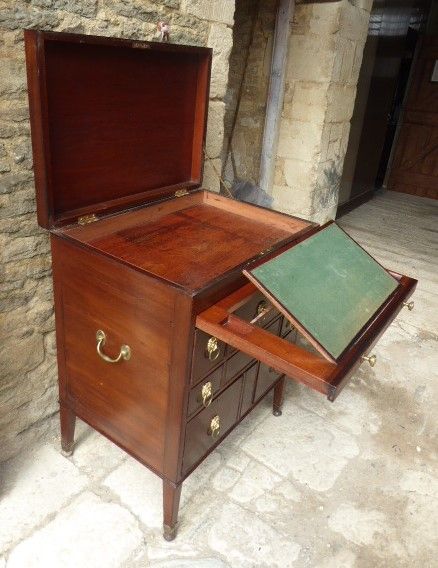

Mahogany Writing Drawer Chest
A mahogany writing drawer chest combines the storage of a case piece with a dedicated writing surface, spanning Georgian and Regency eras.
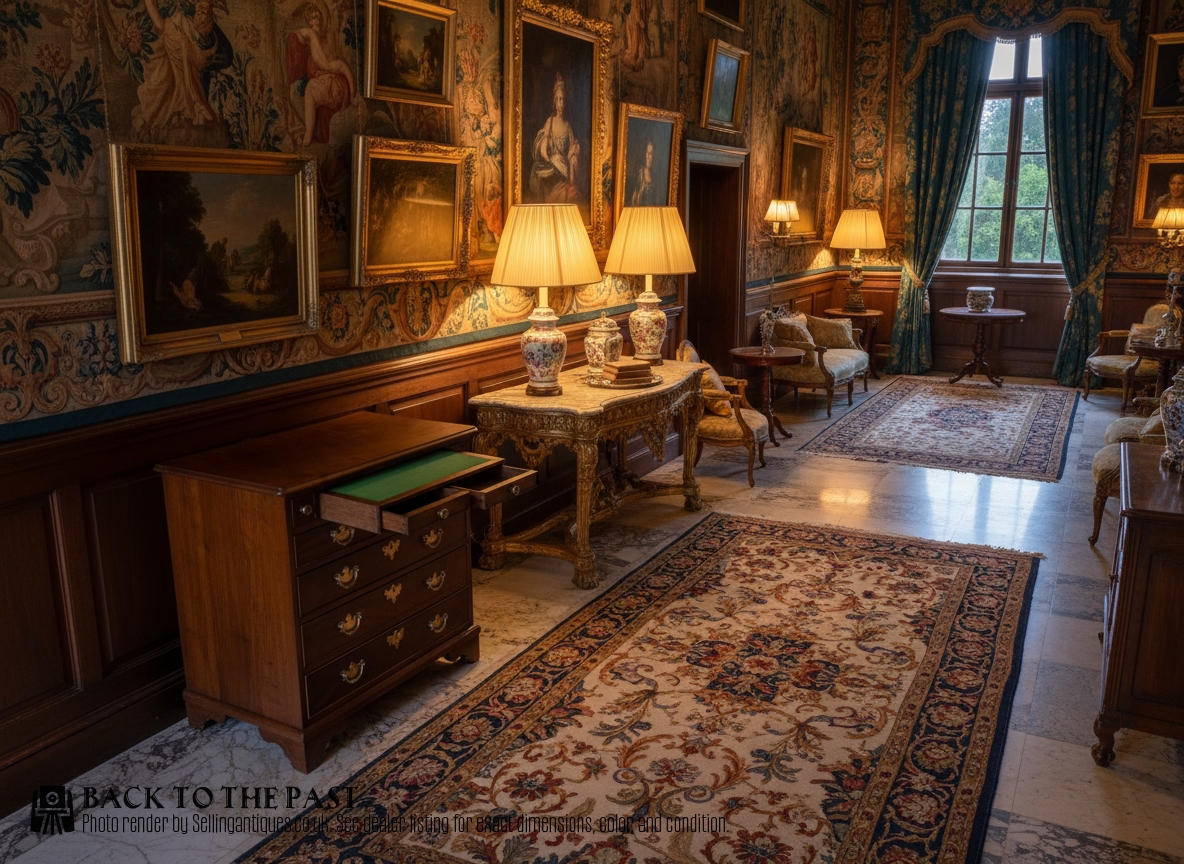
Mahogany Writing Drawer Chest
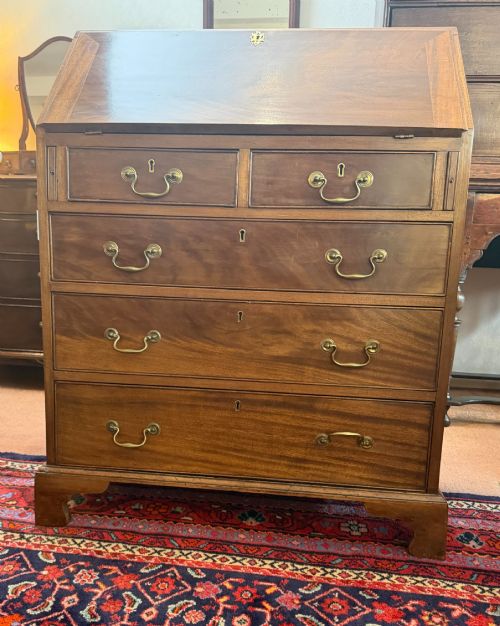
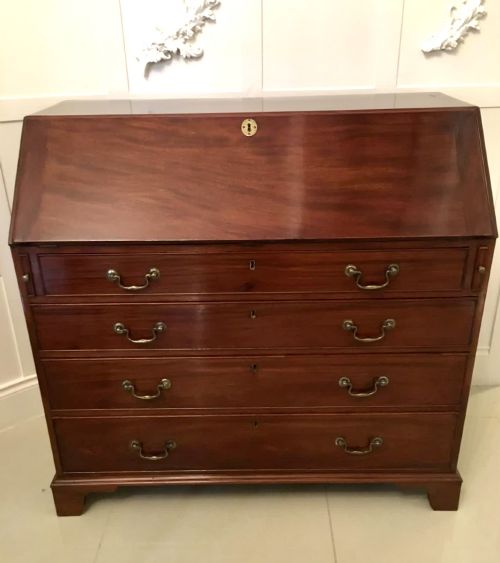
A mahogany writing drawer chest serves as a dual-purpose item, merging deep drawer storage with a fitted writing compartment. When you search for a mahogany writing drawer chest, you encounter pieces from the Georgian, Regency, and Victorian periods.
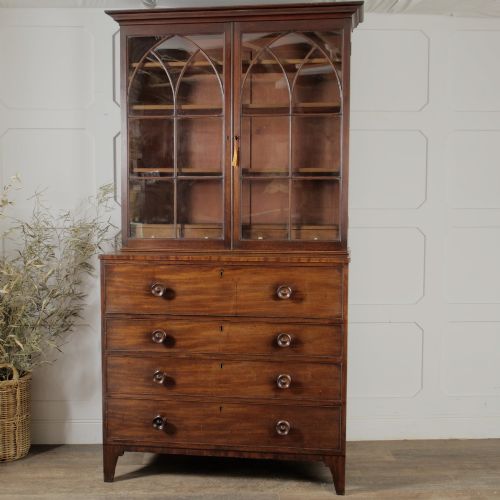
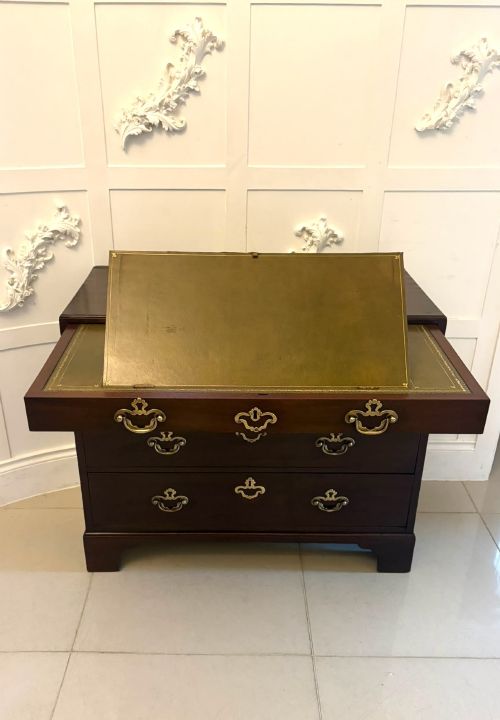
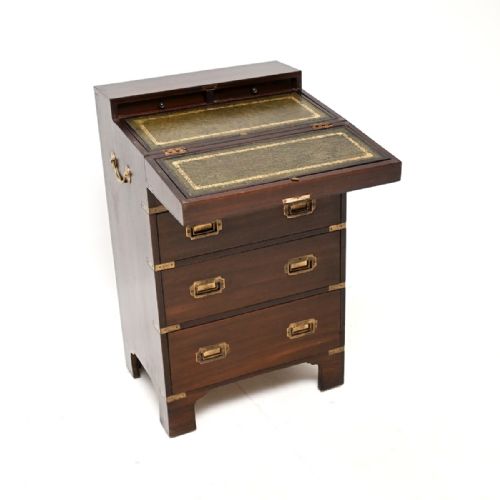
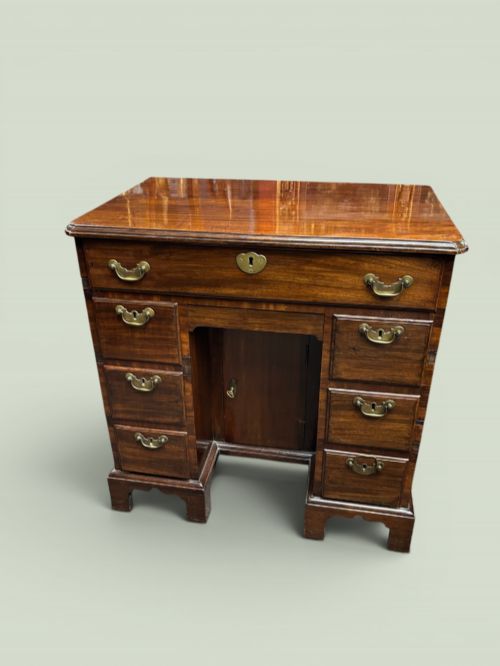
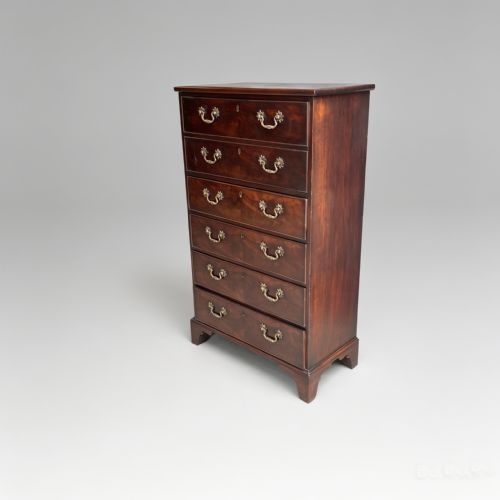
The variants on this page include secretaire chests, tallboys, campaign pieces, and bureaus alongside chests fitted with pull-out writing slides or brushes. These items originate predominantly from eighteenth and nineteenth-century British workshops.
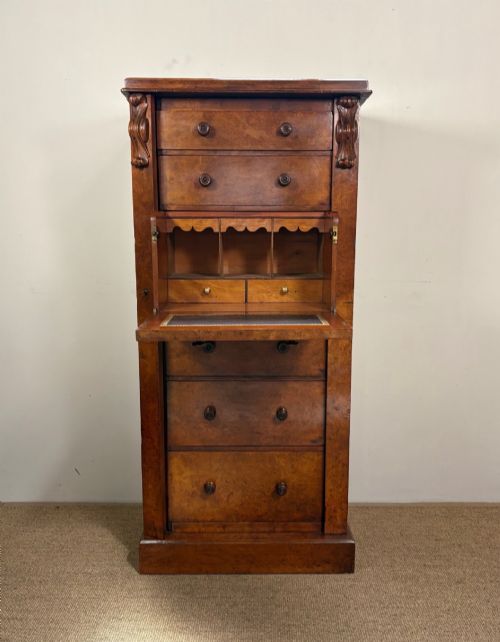
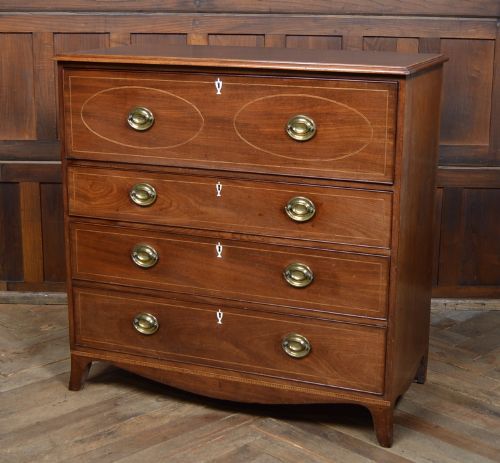
George III and Regency examples dominate the selection, offering either drop-front fitted desks disguised as top drawers or traditional pull-out slides positioned above the primary storage tiers.
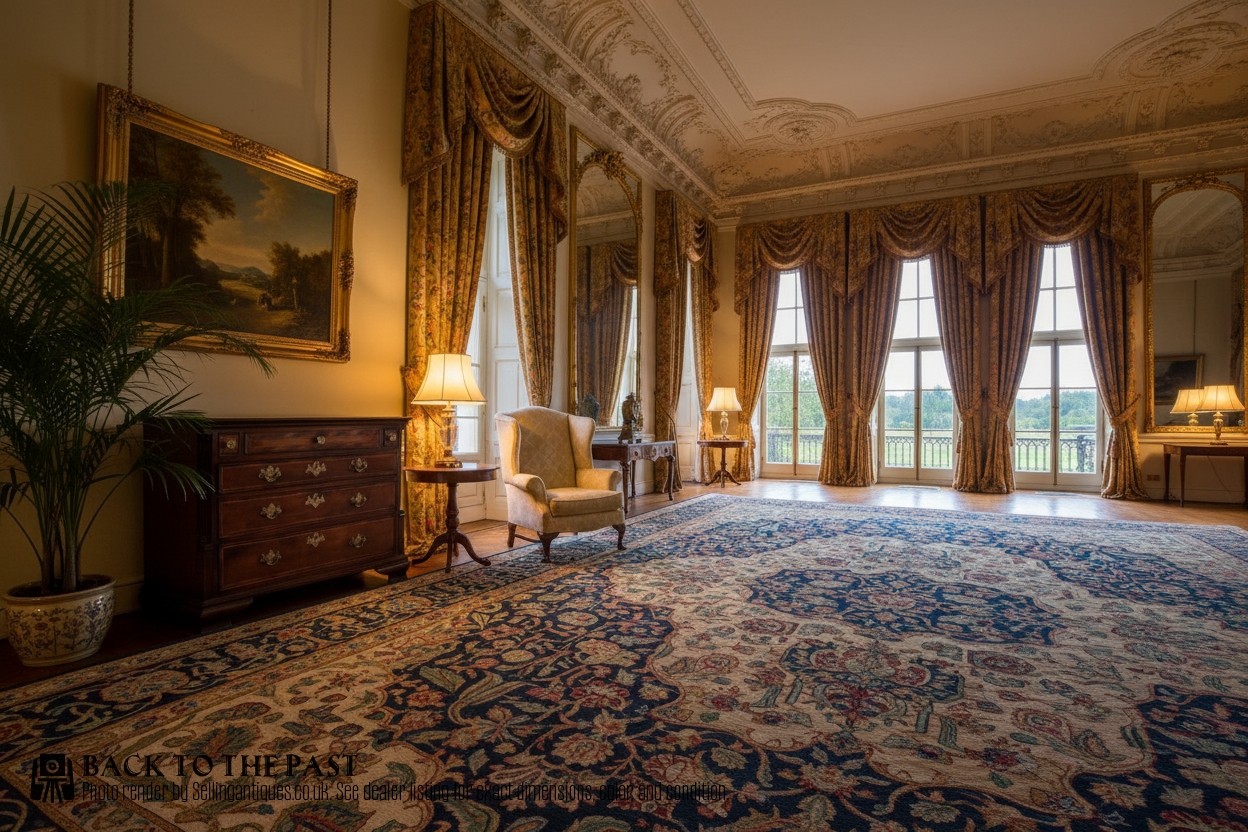
Materials and Construction
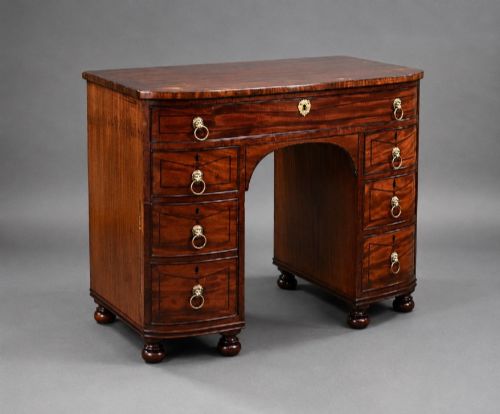
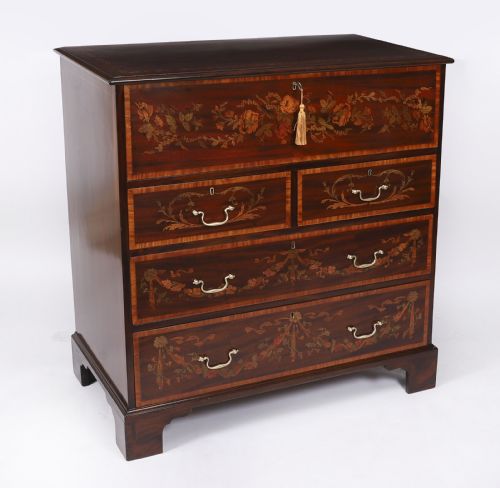
Cabinet makers utilised dense solid mahogany and rich flame veneers over secondary timbers such as oak, incorporating marquetry inlay for decorative surface detail. Interiors often deploy contrasting woods, pigeonholes, and small subsidiary drawers.
Writing surfaces are lined with leather or baize, providing a durable platform for correspondence, while drawer pulls and escutcheons rely on cast brass hardware.
Structural integrity relies on traditional dovetail joinery for the drawers and robust carcase construction, paired with glass panes in upper bookcase sections where present.
Listings span the 18th Century, Georgian, Regency, and 19th Century periods, constructed primarily from mahogany with brass, leather, and oak elements.
Evaluating Standards
Quality separates through the crispness of internal fitments, such as secret compartments and pigeonhole tiers, alongside the figure and grain consistency of the mahogany timber. Superior examples exhibit precise dovetailing, intact original brasses, and well-preserved leather or baize writing inserts.
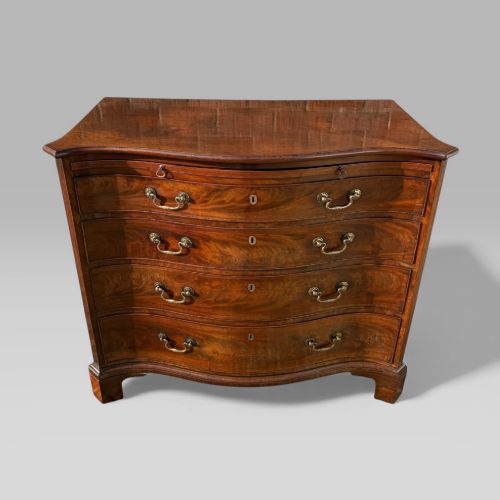
The proportion and architectural balance of the carcase define the upper tier of pieces, where decorative elements like marquetry inlay or serpentine fronts remain sharp and unaltered.
The Mahogany Writing Drawer Chest Glossary
- Secretaire chest
- A chest of drawers featuring a top drawer that folds down or pulls out to reveal a fitted writing desk with small drawers and pigeonholes.
- Writing slide
- A pull-out shelf positioned directly above the top drawers, designed to provide a temporary writing surface without opening the main desk compartment.
- Tallboy
- A tall chest on chest comprising two distinct stacked carcases, frequently incorporating a secretaire drawer within the upper section.
- Campaign chest
- A portable chest built in two or more sections with recessed brass handles and corner brackets, designed for military transport.
- Serpentine
- A front profile characterised by a gently undulating curve that swells outward in the centre and recedes at the sides.
Mahogany Writing Drawer Chest: Frequently Asked Questions
What is a secretaire chest?
A secretaire chest looks like a standard chest of drawers from the outside, but the upper drawer opens to reveal a fitted writing desk.
Inside, you find small drawers, pigeonholes, and sometimes secret compartments designed for letters and ink.
How do I use a writing slide?
The writing slide pulls out from the woodwork directly above the top drawers, providing a surface for quick notes without opening the main desk.
Historically, owners used these pull-out shelves while standing, avoiding the need to unpack a full bureau.
Are these pieces Georgian or Regency?
The pieces span multiple eras, with Georgian examples showing classical proportions and Regency pieces introducing bolder architectural lines and distinct brass mounts.
Construction details and leg styles help distinguish George II and George III items from later nineteenth-century interpretations.
What wood was used?
Makers relied heavily on mahogany, often selecting figured or flame veneers for the drawer fronts and solid timber for the structural carcase.
Secondary woods like oak appear inside the drawers, while decorative pieces incorporate marquetry inlay using lighter contrasting timbers.