
Georgian Bachelors Chest of Drawers
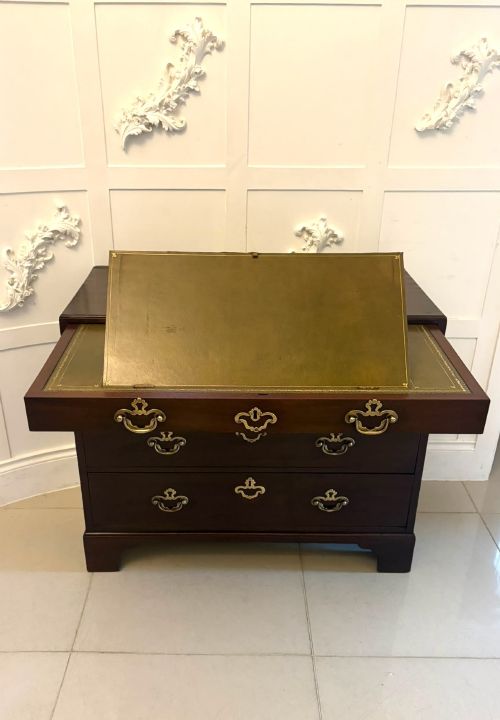
When you search for a georgian bachelors chest of drawers, you are looking at dual-purpose furniture designed with a sliding top surface for writing or dressing.
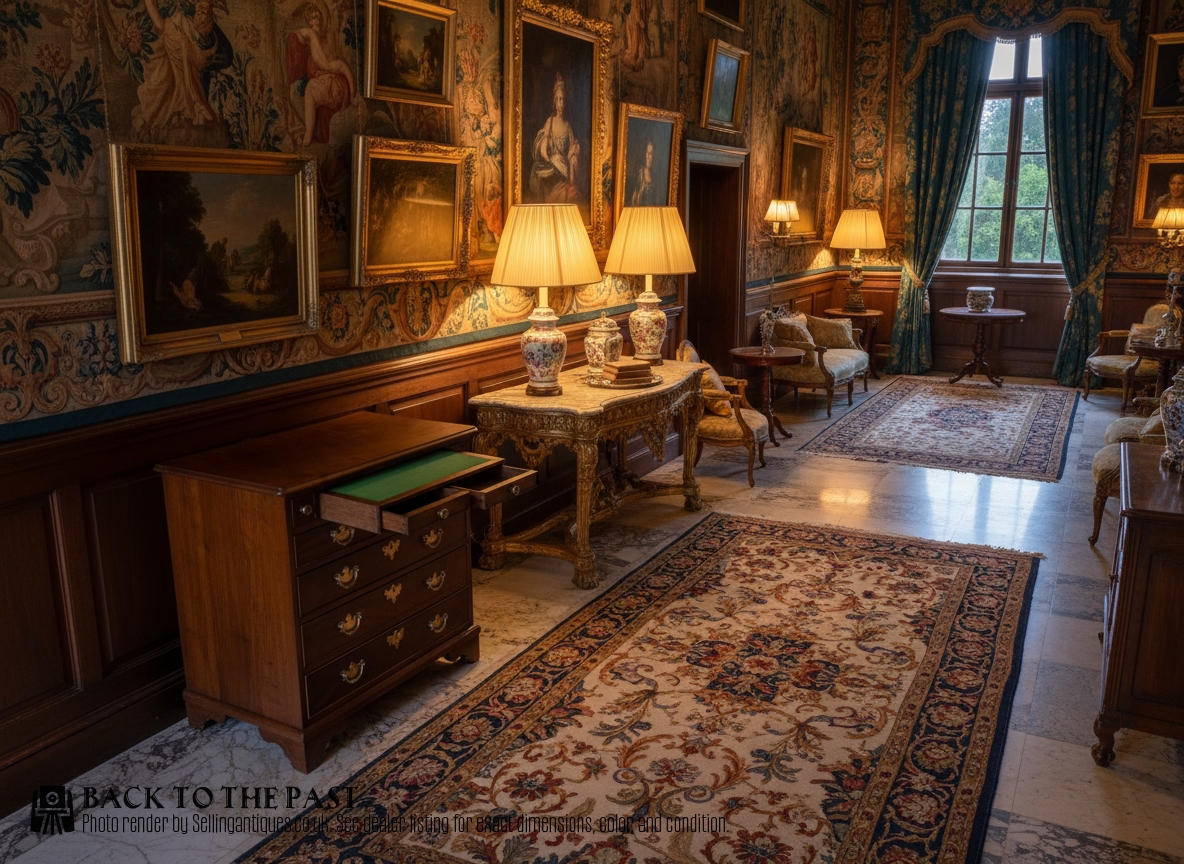
Georgian Bachelors Chest of Drawers
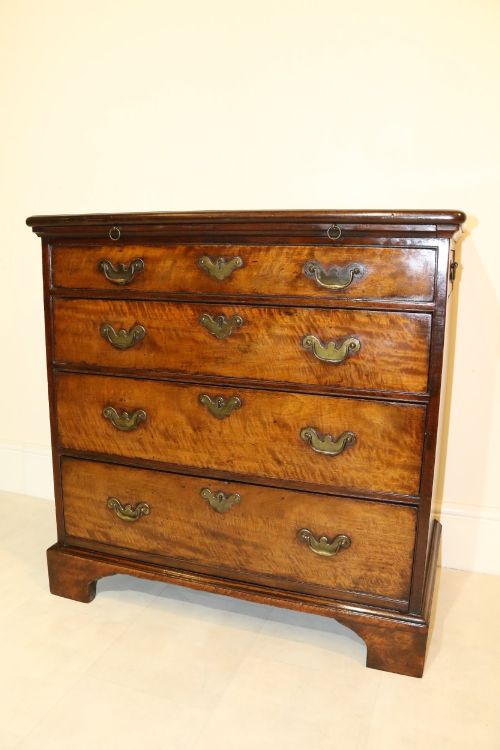
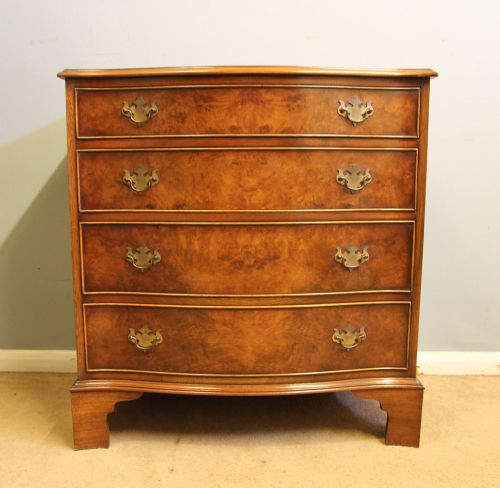
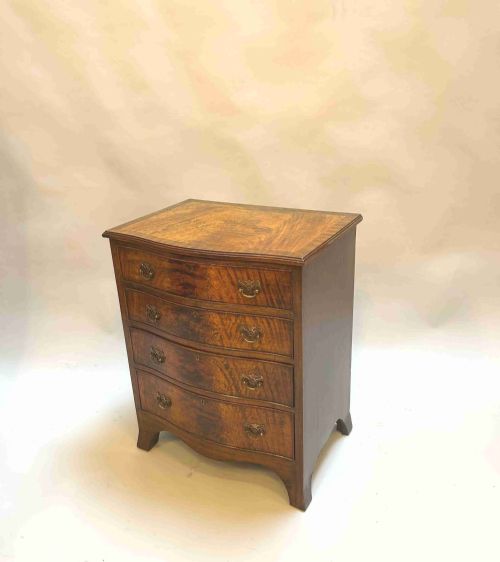
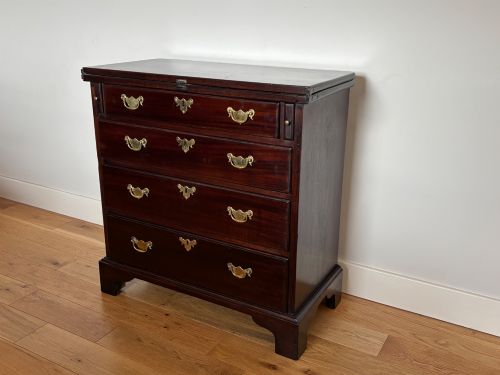
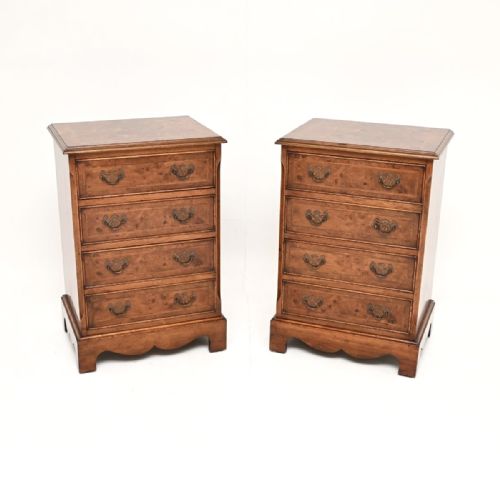
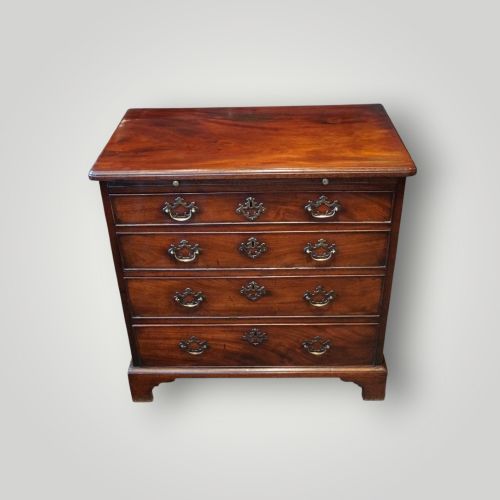
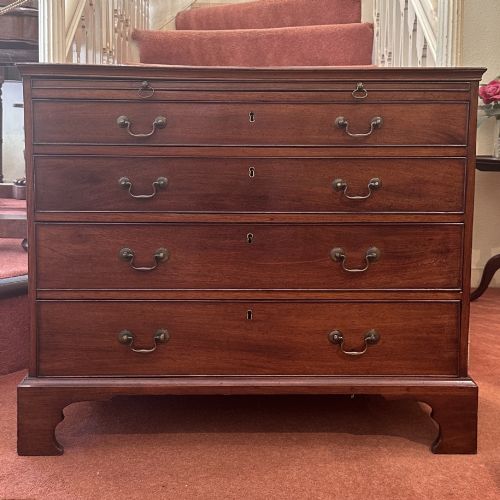
A georgian bachelors chest of drawers combines compact proportions with a pull-out brushing slide intended for writing or grooming. The pieces seen here span the eighteenth century and subsequent revival periods, including bedside tables and larger commodes.
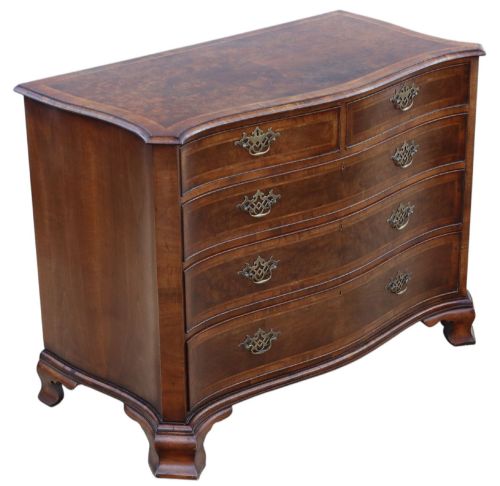
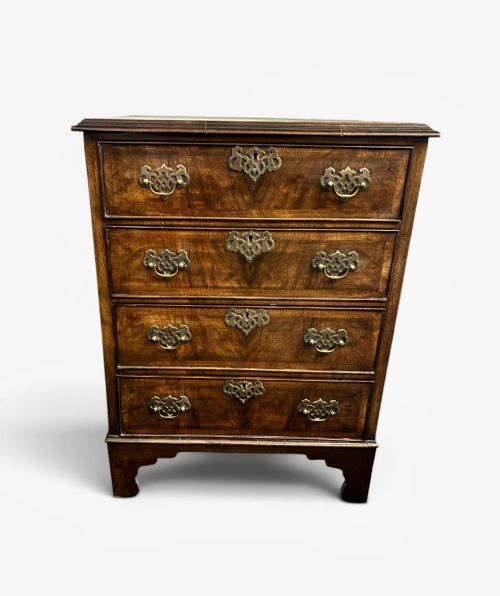
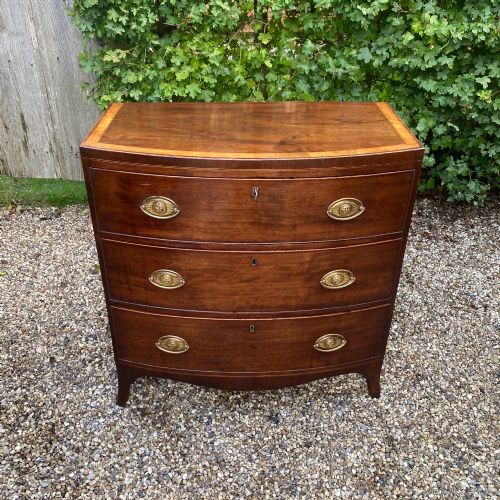
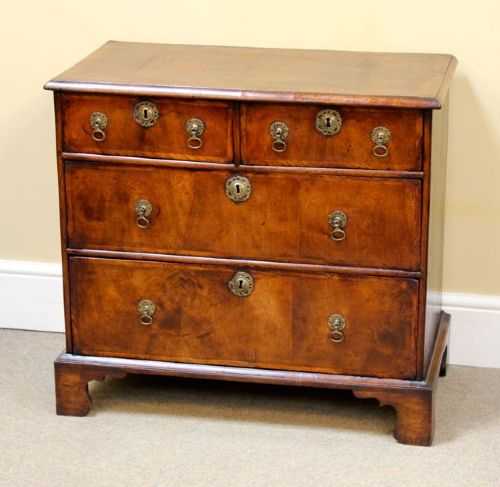
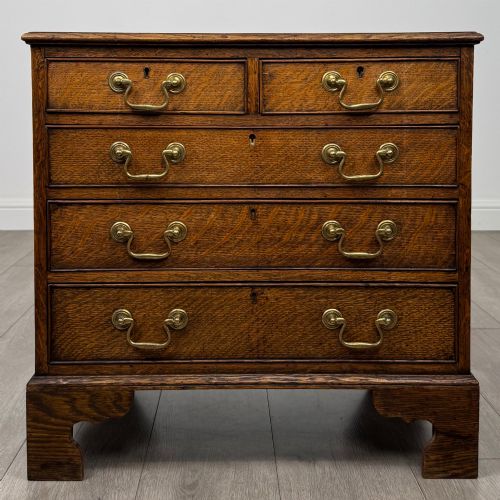
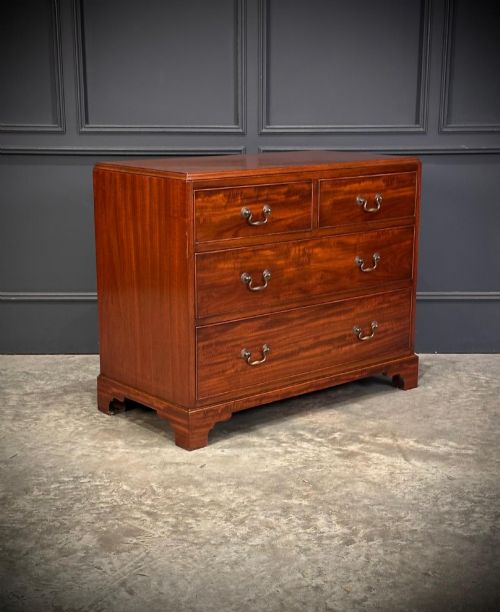
Most examples rely on a rectangular silhouette raised on bracket feet, though bow-front and serpentine alternatives appear across the selection. Oak linings remain typical within the drawer construction of eighteenth-century specimens.
Materials and Construction
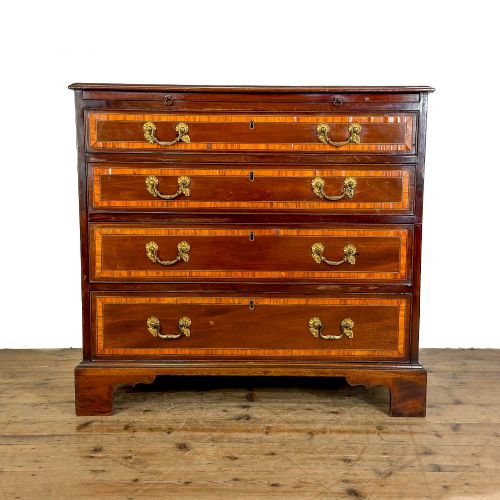
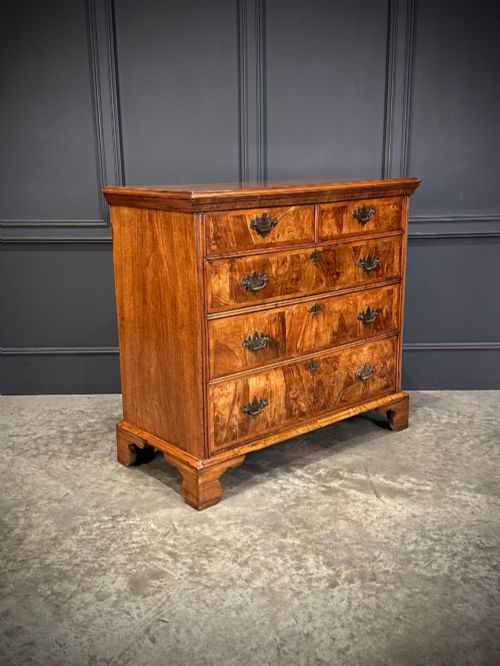
Cabinet makers utilised dense timber stocks, predominantly mahogany and walnut, frequently selecting burr veneers or cross-banded borders to enrich the drawer fronts. Satinwood and oak provide secondary framing and internal support.
Brass hardware, including swing handles and escutcheons, fastens to the drawer faces alongside original locking mechanisms. Joinery methods incorporate hand-cut dovetails for drawer carcasses and bracket feet secured to the base.
Listings feature mahogany, walnut, oak, and satinwood, spanning the eighteenth century through to the 1930s.
Evaluating the Range
The standard of a georgian bachelors chest of drawers rests upon the choice of timber and the precision of its veneers. Flame mahogany or figured burr walnut displays natural grain patterns that elevate the visual depth of the surface.
Execution of the brushing slide mechanism and the retention of original brass fittings distinguish finer pieces from later revivals. Proportions also dictate value, with smaller, neat dimensions commanding greater attention.
The Georgian Bachelors Chest of Drawers Glossary
- Brushing slide
- A pull-out shelf located directly beneath the top surface of a bachelors chest. It served as a temporary desk or dressing tray before being pushed back flush when not in use.
- Caddy top
- A raised, moulded tabletop profile resembling the lid of a tea caddy. This detail frequently appears on mid-eighteenth-century case furniture.
- Cross-banding
- A decorative border technique where thin strips of veneer are laid perpendicular to the grain of the main surface. It frames the drawer fronts of finer furniture.
- Serpentine
- A curved furniture front characterised by a convex centre flanked by concave sides. This undulating shape requires advanced woodworking skill.
- Bracket foot
- A simple, corner-supporting foot formed by two mitred pieces meeting in a bracket shape. These feet lift the chest off the floor on eighteenth-century examples.
Georgian Bachelors Chest of Drawers: Frequently Asked Questions
What is a bachelors chest?
A bachelors chest is a compact chest of drawers featuring a pull-out sliding shelf used for writing or dressing. These pieces offer drawer storage combined with a retractable desk surface.
Cabinet makers produced them primarily in mahogany, walnut, and oak during the eighteenth century and later revival periods.
How do I use one today?
These chests function effectively as bedside tables, hallway storage, or compact writing desks in smaller rooms. The sliding shelf extends easily to hold a laptop, notebook, or decorative items.
Their restrained proportions allow them to fit into tight spaces where standard desks or large cabinets will not go.
How do I tell an 18th-century piece from a revival?
Eighteenth-century examples typically display hand-cut dovetails, oak secondary timbers, and natural wear patterns accumulated over generations. Revival pieces from the Victorian or 1920s eras often utilise machine-sawn elements and uniform interior woods.
Examining the drawer linings and the underside of the top boards reveals the construction methods characteristic of the period.
Are all these chests made of mahogany?
Mahogany is the most common timber seen across the listings, particularly from the George III period onwards. However, walnut, burr walnut, oak, and satinwood appear frequently in both original and revival pieces.
Some examples also incorporate yew wood or rosewood veneers to create decorative surface patterns.