




Mahogany Wine Cooler Bucket
A mahogany wine cooler bucket holds ice and bottles at table, bringing tactile warmth and period utility to a room.
Mahogany Wine Cooler Bucket
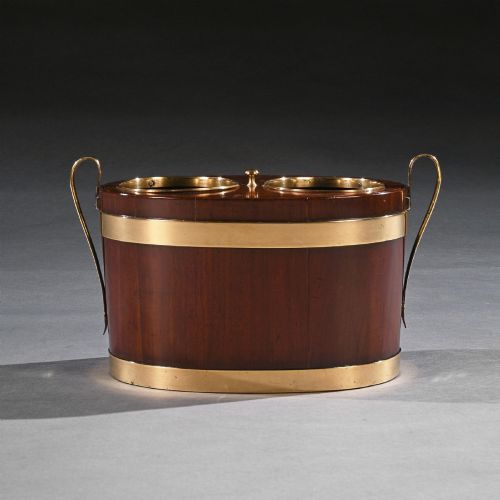
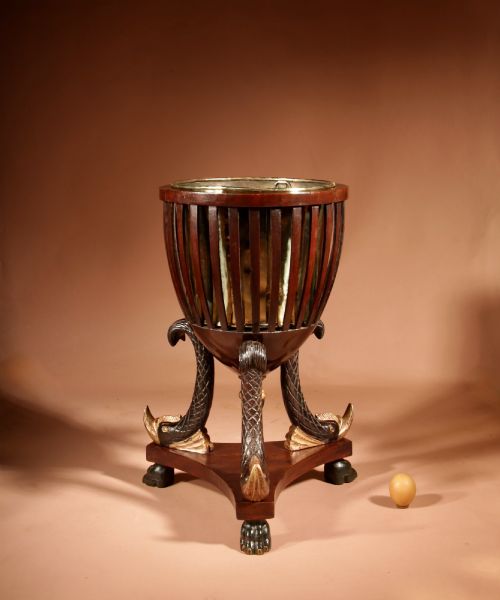
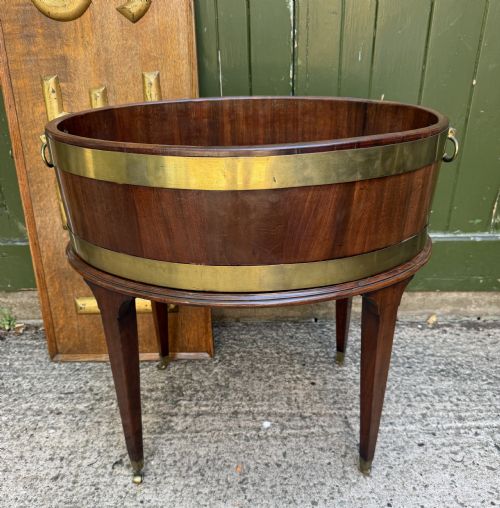
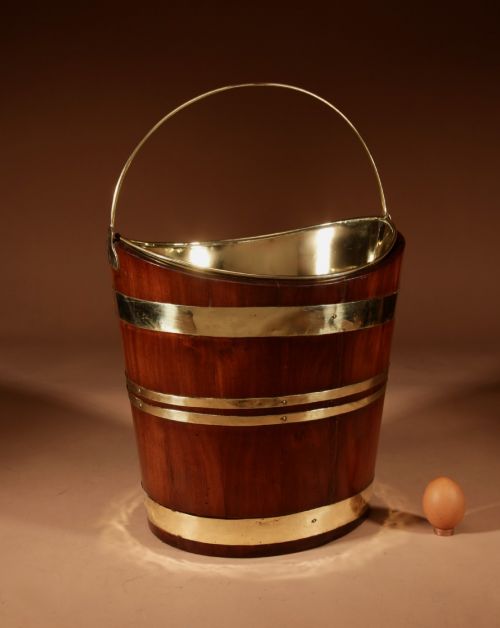
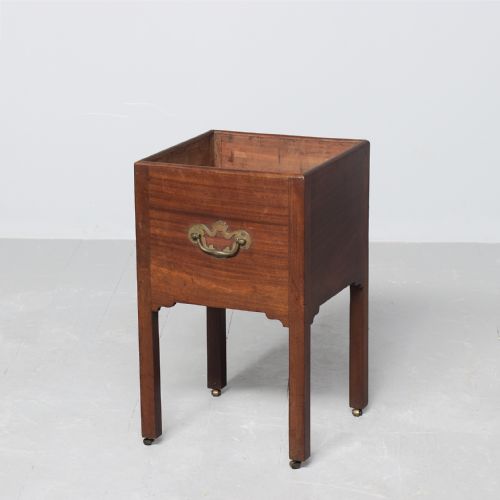
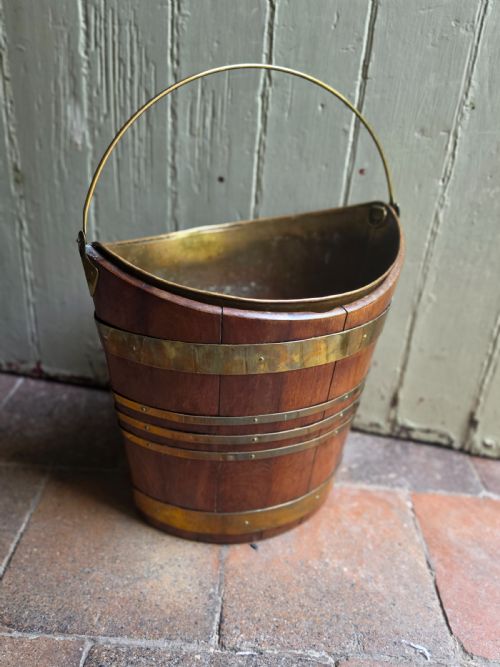
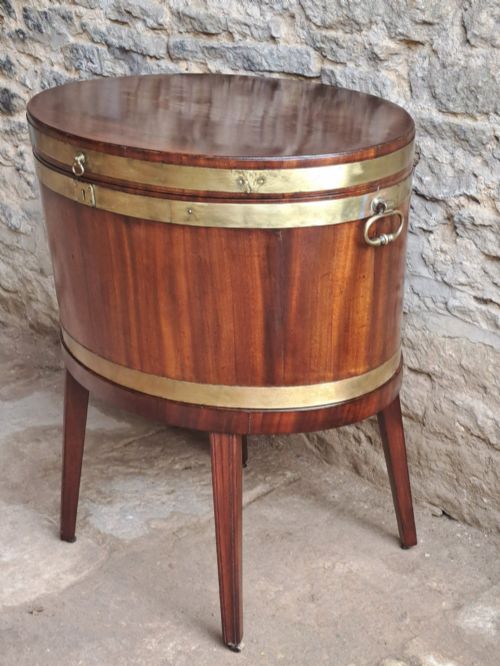
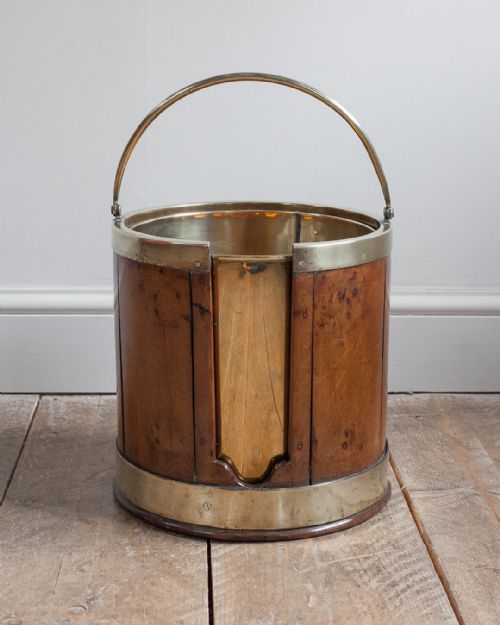
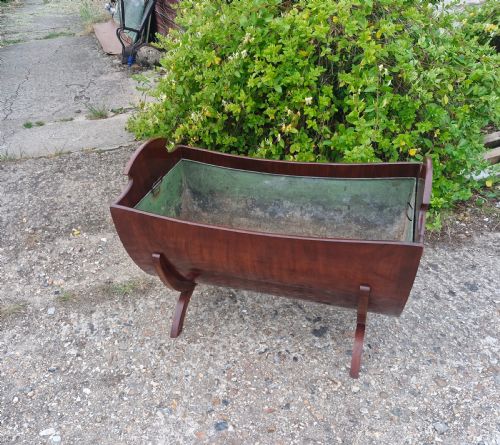
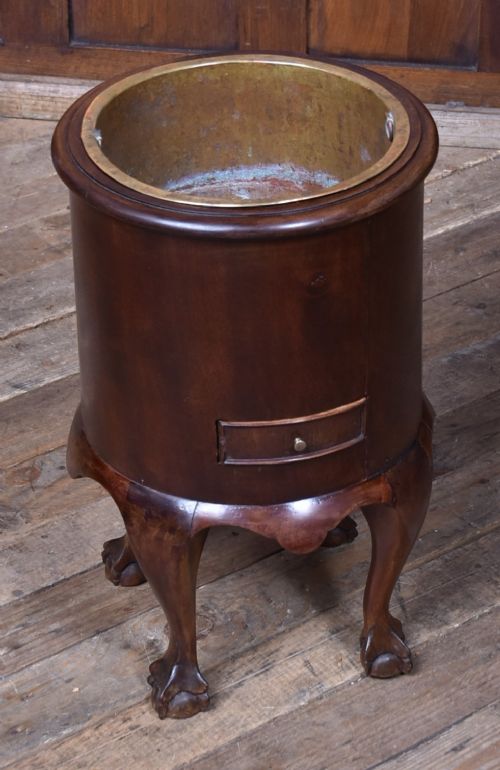
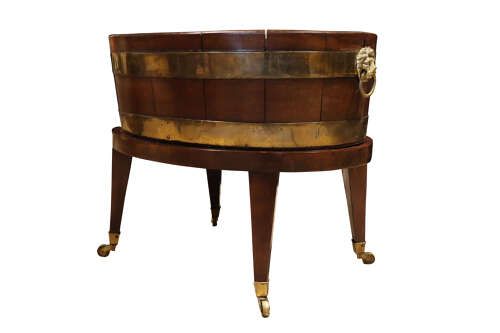
A mahogany wine cooler bucket is a deep, staved or solid vessel designed for chilling bottles or holding peat and logs, appearing primarily in Georgian, Regency, and Victorian iterations. These items often take oval, round, or boat shapes, sometimes resting on dedicated stands or fitted with brass bands.
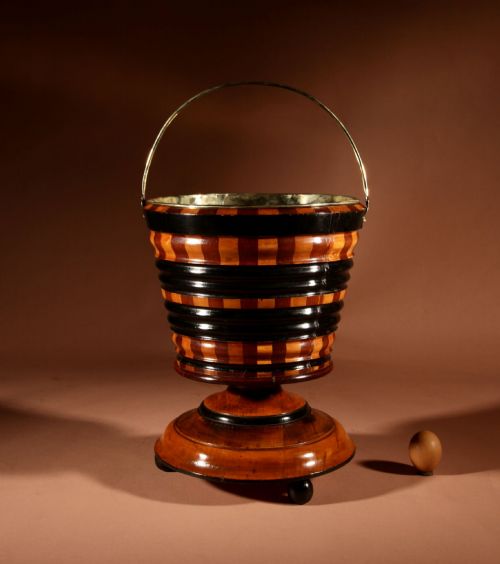
The versions most frequently met on this page span the 18th century through the 19th century, with George III examples showing particular prominence alongside Dutch traditional coopered pieces. Makers utilised rich timbers such as mahogany and walnut, frequently enhancing the bodies with contrasting inlay or satinwood details.
Beyond holding wine, these forms frequently double as jardinières, planters, or peat buckets, demonstrating the versatile utility expected in period dining and drawing rooms. The survivor range includes both table models and larger floor-standing pieces raised on slender legs or brackets.
How they were made
Coopers constructed the round and oval bucket bodies using tightly fitted vertical wooden staves held under immense tension by heavy brass bands. This traditional vessel-making technique ensured the containers could hold ice and moisture without splitting the surrounding mahogany or walnut grain.
Many examples incorporate fitted interior metal linings, typically zinc or brass, designed to protect the timber core from melting ice and standing water. Cabinetmakers finished the exterior surfaces with polished wax, bringing out the natural figures of mahogany, satinwood, and ebonised wood.
Mounts and swing handles cast in brass provide structural support while adding decorative contrast to the dark timber staves. Certain pieces feature delicate marquetry or stringing inlaid directly into the mahogany panels, reflecting advanced joinery standards of the period.
Mahogany Wine Cooler Bucket Retail Price Guide 2026
Typical asking prices for mahogany wine cooler bucket among the pieces listed under this phrase on Sellingantiques today, from the lower quarter to the upper quarter. They describe what is for sale here now, not the wider market.
Some multi-tasking vessels served interchangeably as tea stove buckets, knitting baskets, and wine coolers.
What varies in quality
Quality rests significantly in the crispness of the cooperage, the weight and gauge of the brass bands, and whether the piece retains its original stand. Superior examples display tight, seamless stave joints and heavy, hand-beaten brass fittings rather than thin, modern replacements.
The choice of timber grain and the presence of fine secondary woods, such as satinwood stringing or walnut banding, elevate certain specimens above standard utility items. Original internal metal linings and unblemished surface patination further separate top-tier examples from later revivals.
The Mahogany Wine Cooler Bucket Glossary
- Coopered
- Made by a cooper using curved wooden staves bound together with metal hoops. This technique provides the structural strength necessary for holding liquids or heavy contents.
- Cellarette
- A lockable container used for storing wine bottles near the dining table. They frequently match the architectural style of contemporaneous cellars and sideboards.
- Jardinière
- An ornamental pot or stand designed to hold live plants or floral arrangements. In these listings, the form often overlaps directly with wine buckets and peat carriers.
- Schuitje
- A boat-shaped Dutch vessel type utilised for peat, tea, or plants. The curved silhouette distinguishes it from standard round or oval buckets.
- Patina
- The surface sheen and deep coloration developed by timber through age, handling, and regular wax polishing. It serves as a primary visual indicator of genuine period age.
Mahogany Wine Cooler Bucket: Frequently Asked Questions
What is the difference between a wine cooler and a cellarette?
A wine cooler is typically an open bucket or vessel designed to hold bottles in ice during a meal, often portable enough for a tabletop or small stand.
A cellarette tends to be a larger, more architectural cabinet or enclosed box fitted with interior partitions for securely locking away wine stocks.
Were these buckets actually used for wine?
Yes, period dining customs required wine to be brought to the table chilled, necessitating deep wooden buckets lined with metal to hold ice and bottles.
Over time, many of these same vessels transitioned into domestic roles as plant holders, log baskets, or decorative fire-side accessories.
How do I spot a later revival piece?
Revival pieces, such as those made during the Edwardian period or later stylistic revivals, often exhibit machine-cut timber and bright, modern brass lacquer.
Genuine 18th and early 19th-century examples display hand- dovetailed or coopered construction with deep, mellow wax patination on the mahogany surface.
Can I still use these for plants or ice?
While historic vessels can accommodate modern plastic liners for plants, putting direct melting ice into unlined antique timber risks damaging the original staves.
Preserving the interior zinc or brass lining ensures the dry timber remains safe from moisture expansion and splitting.