

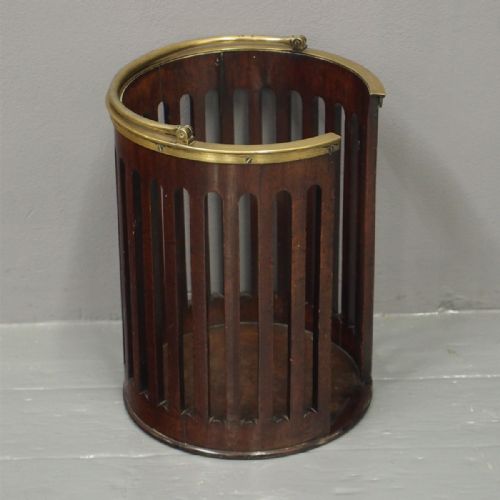


Georgian Wooden Pail
These georgian wooden pail examples are robust vessels of mahogany, oak, and elm, designed to bring traditional utility and rich timber warmth into the home.
Georgian Wooden Pail
When you search for a georgian wooden pail, you encounter sturdy utilitarian vessels originally fashioned for domestic and garden tasks. The examples seen here span the eighteenth century, the Georgian era, and the nineteenth century, including the year eighteen eighty.
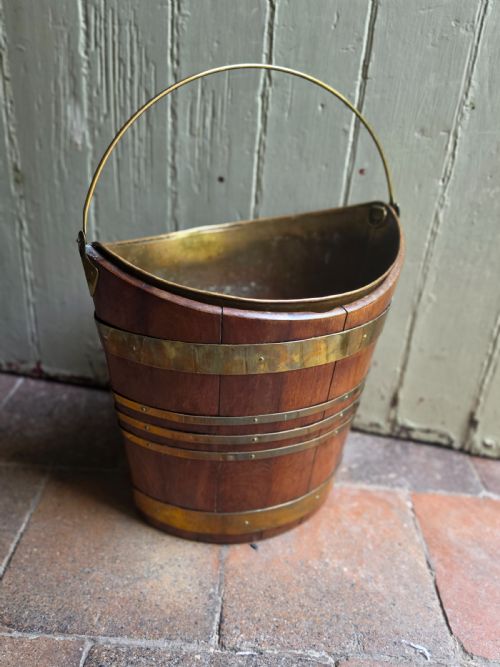
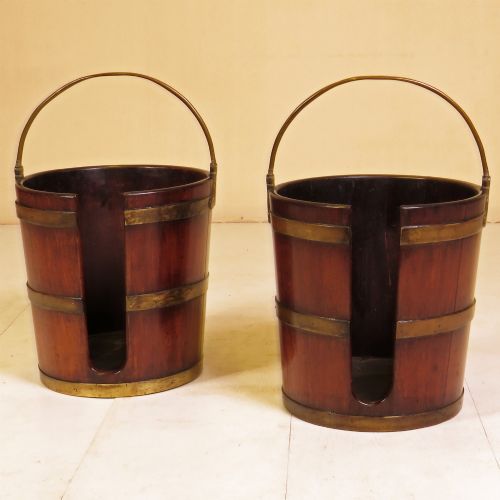
The forms vary from plate buckets and well buckets to fireside stores and garden planters. Mahogany plate buckets and brass bound examples dominate the current selection, alongside rustic country variants in oak and elm.
How they were made
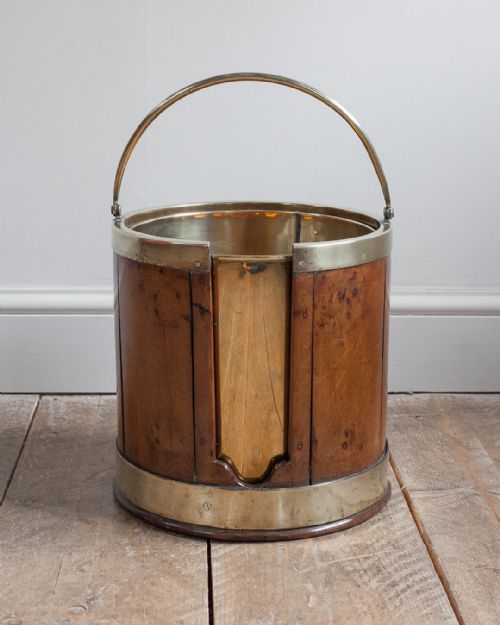
The construction relies on solid timbers such as mahogany, oak, and elm, shaped into staves and secured with metal bands. Wrought iron and brass are utilised to hoop the wooden bodies, providing structural strength and contrast.
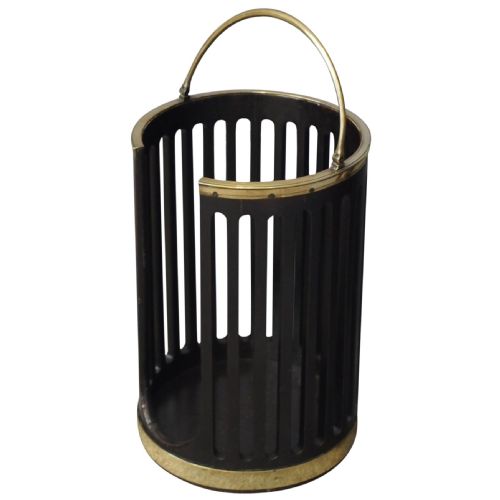
Handles in iron and brass are incorporated for carrying, while specialised forms utilise vertical divisions or liners for holding plates or fuel.
Georgian Wooden Pail Retail Price Guide 2026
Typical asking prices for georgian wooden pail among the pieces listed under this phrase on Sellingantiques today, from the lower quarter to the upper quarter. They describe what is for sale here now, not the wider market.
What varies in quality
Quality rests in the choice of timber and the precision of the cooperage. Finely figured mahogany with warm patination sits at the polished end of the scale, while heavier oak and elm serve a more rustic aesthetic.
The choice of metalwork also defines the piece, with polished brass bands and mounts offering a more formal appearance than utilitarian wrought iron.
The Georgian Wooden Pail Glossary
- Plate Bucket
- A specialised cylindrical vessel with a slatted or divided interior, designed for carrying dinner plates safely to and from the dining table. They frequently feature brass swing handles.
- Well Bucket
- A heavy-duty container used to draw water, typically constructed with thick staves and robust metal banding to withstand constant moisture.
- Stave
- One of the narrow shaped wooden strips that form the sides of a traditional bucket or pail, fitted edge to edge.
- Brass Bound
- A method of reinforcing wooden vessels using polished brass bands secured with pins or screws, common on finer mahogany pieces.
Georgian Wooden Pail: Frequently Asked Questions
What is a plate bucket?
A plate bucket is a specialised form designed with internal divisions or slatted sides to hold china dinner plates securely during transport.
These pieces were typically kept beside the dining table in larger houses for clearing courses efficiently.
How are these pails used today?
Today these versatile vessels find homes by the fireside as fuel stores for logs and kindling, or in gardens as planters.
Their robust timber construction also suits use as umbrella stands or decorative storage containers in hallways.
What woods were used?
Maker workshops utilised durable timbers suited to liquid retention and daily handling, predominantly mahogany for formal rooms.
Rustic examples rely on domestic hardwoods like oak and elm for strength and longevity.
How do I date these pieces?
Dating relies on timber selection, construction methods, and metalwork styles associated with the eighteenth and nineteenth centuries.
Georgian examples often feature fine mahogany and cast brass work, whereas later nineteenth-century pieces display heavier utilitarian iron.