

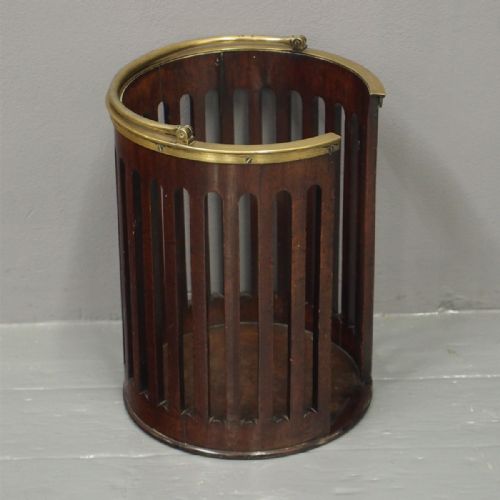


Antique Mahogany Plate Carrier
An antique mahogany plate carrier is a sturdy dining room container built to hold dinner plates safely, and collectors prize them for their rich timber and brass work.
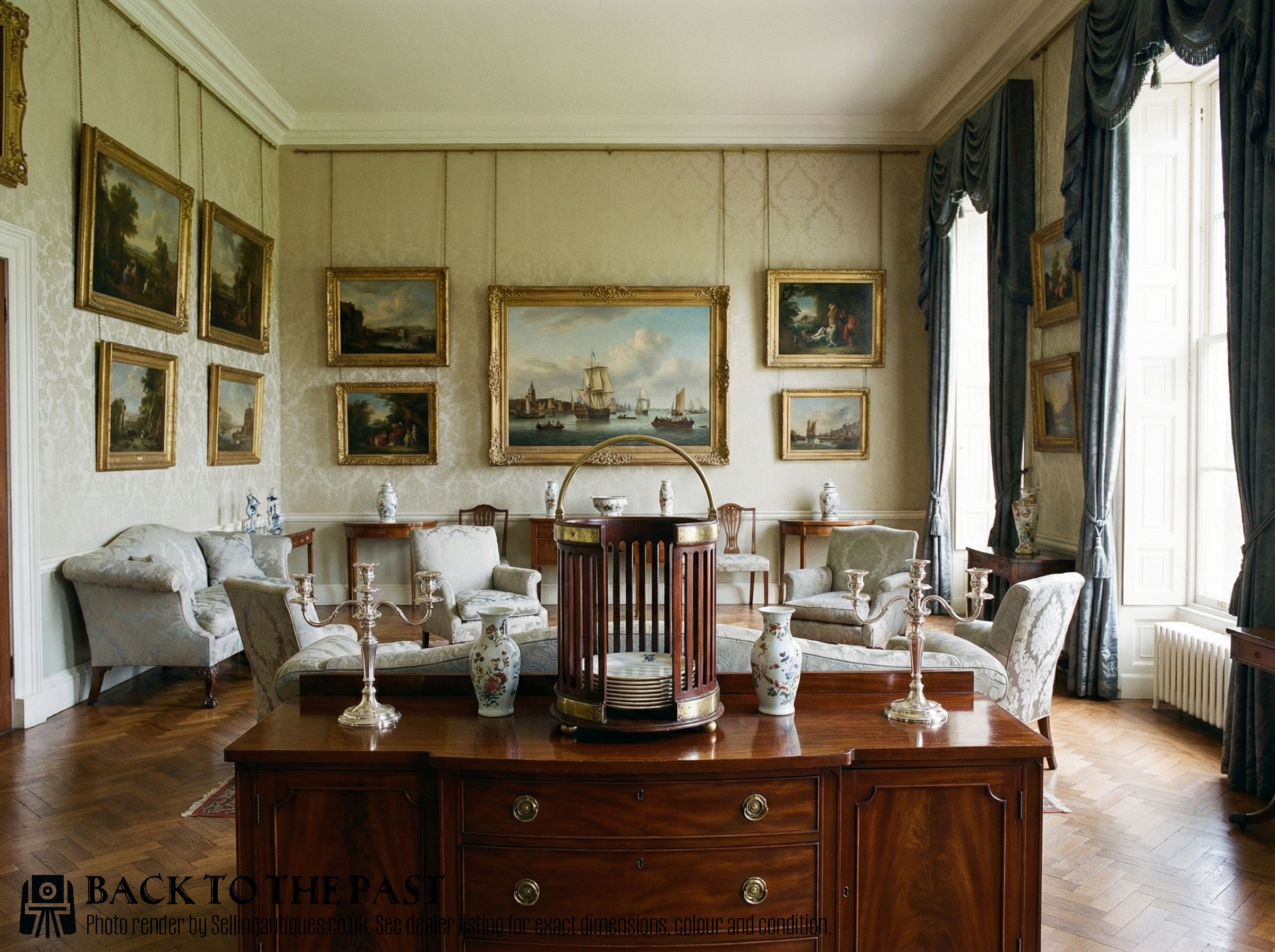
Antique Mahogany Plate Carrier
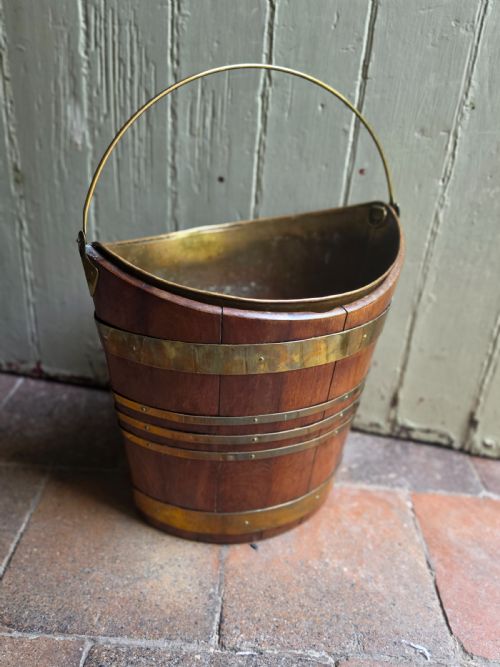
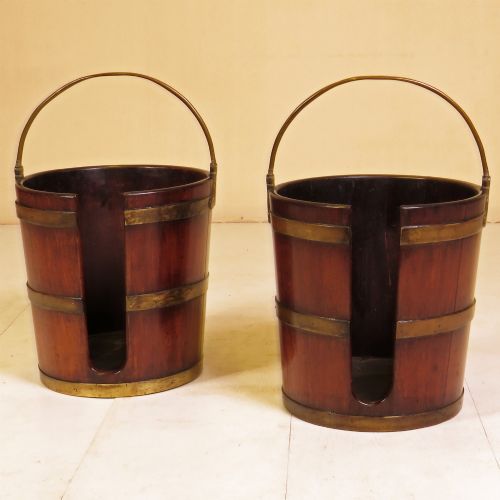
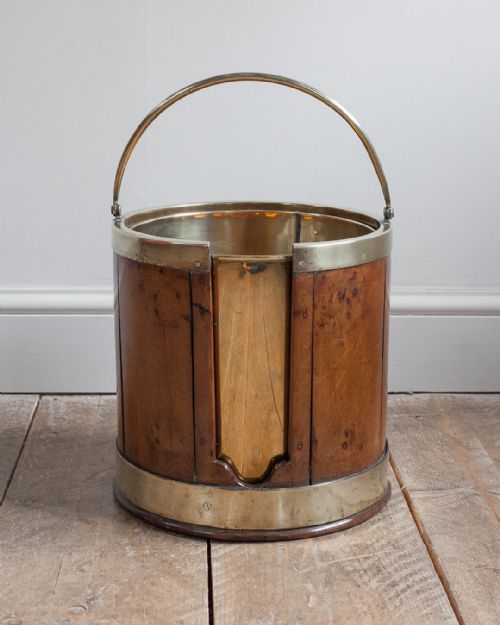
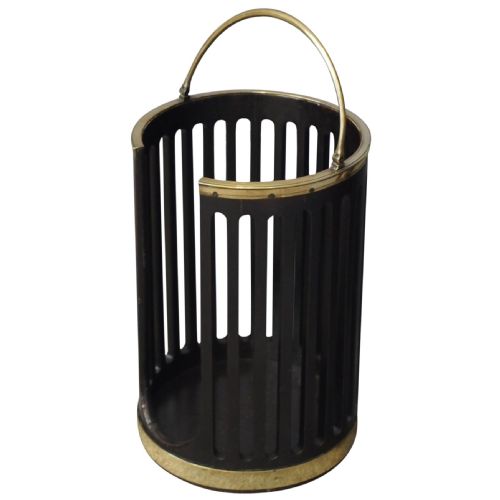
An antique mahogany plate carrier takes the form of a cylindrical bucket designed to hold porcelain or earthenware dinner plates safely around the dining table. The listings here comprise 18th century, Georgian, and 19th century examples, alongside a later 1890 tantalus.
Most pieces seen on this page belong to the plate bucket and decorative bucket category, frequently showing George III styling. These items functioned in grand dining rooms to transport stacks of heavy plates from the pantry.
Makers shaped these containers from rich hardwoods like mahogany, often constructing them with curved stave bodies held together by metal hoops. Buyers encounter both single vessels and matched pairs across these listings.
How they were made
Craftsmen built these carriers using solid mahogany staves joined tightly together in the manner of a cooper making a drinking cask. This curved wooden body provided the necessary strength to hold heavy ceramic plates without splitting.
Antique Mahogany Plate Carrier Retail Price Guide 2026
Typical asking prices for mahogany plate carrier among the pieces listed under this phrase on Sellingantiques today, from the lower quarter to the upper quarter. They describe what is for sale here now, not the wider market.
At least one piece decided it was a tantalus and showed up in 1890 to watch the plates go by.
What varies in quality
Quality rests in the grain of the mahogany timber and the crispness of the brass binding fitted around the staves. Finer examples display deep patination on the wood alongside heavy, well-cast metal mounts that sit flush against the curves.
Construction methods also separate standard items from superior works, particularly in the precision of the coopered joints and the retention of original carrying handles. Pieces showing careful joinery and minimal replacement parts hold greater architectural integrity.
The Antique Mahogany Plate Carrier Glossary
- Plate bucket
- A deep cylindrical container built specifically for carrying stacked dinner plates around a dining room. These vessels feature sturdy side handles and open tops.
- Coopered
- A method of construction where curved wooden staves are fitted together side by side to form a round container. Metal hoops then bind the staves tightly in place.
- Stave
- A narrow vertical strip of mahogany shaped to form the curved wall of a cylindrical bucket. Tapered edges allow the pieces to fit flush against one another.
- Tantalus
- A locking beverage container holding decanters securely behind a metal bar to prevent unauthorized access. This late Victorian form appears alongside dining room accessories.
- Patina
- The surface sheen and deep colour developed on mahogany timber through decades of handling, polishing, and ageing. It signals genuine age on antique pieces.
Antique Mahogany Plate Carrier: Frequently Asked Questions
What did they use an antique mahogany plate carrier for?
These containers held stacks of heavy ceramic dinner plates so servants could move them safely between the kitchens and the dining table.
Their deep cylindrical shape prevented the plates from sliding sideways during transport.
How do I tell an 18th century piece from a later one?
Eighteenth century examples rely on traditional coopered staves of dense mahogany joined with hand-beaten brass bands and fitted handles.
Later Victorian items often introduce different decorative elements or display machine-finished brass components.
Where should I place a plate carrier in my home?
Many collectors place these large buckets beside a fireplace or sideboard to hold rolled blankets, magazines, or dried floral arrangements.
Their rich timber tones complement traditional dining room furniture and dark wood panelling.
Did these buckets always come in pairs?
Makers produced both single vessels and matched pairs depending on the requirements of large Georgian dining establishments.
Pairs allowed staff to transport multiple stacks of plates simultaneously during large dinner parties.