

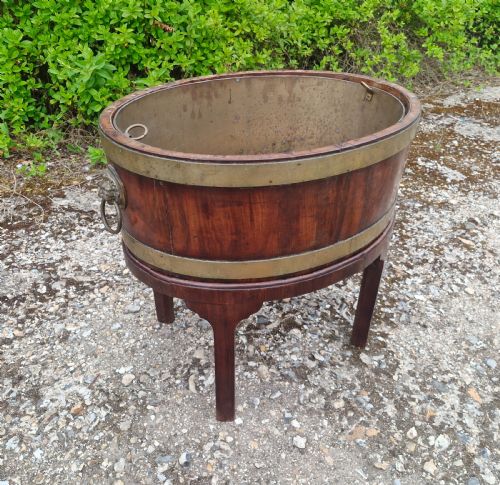
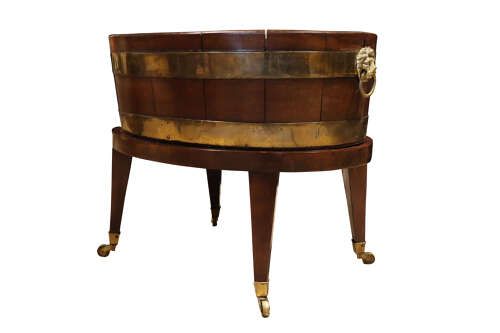


Mahogany Wine Cistern
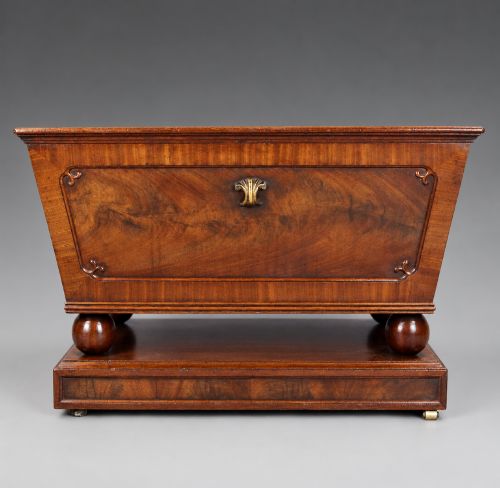
A mahogany wine cistern holds bottles and ice in heavy style, offering grand proportion and deep timber figure.
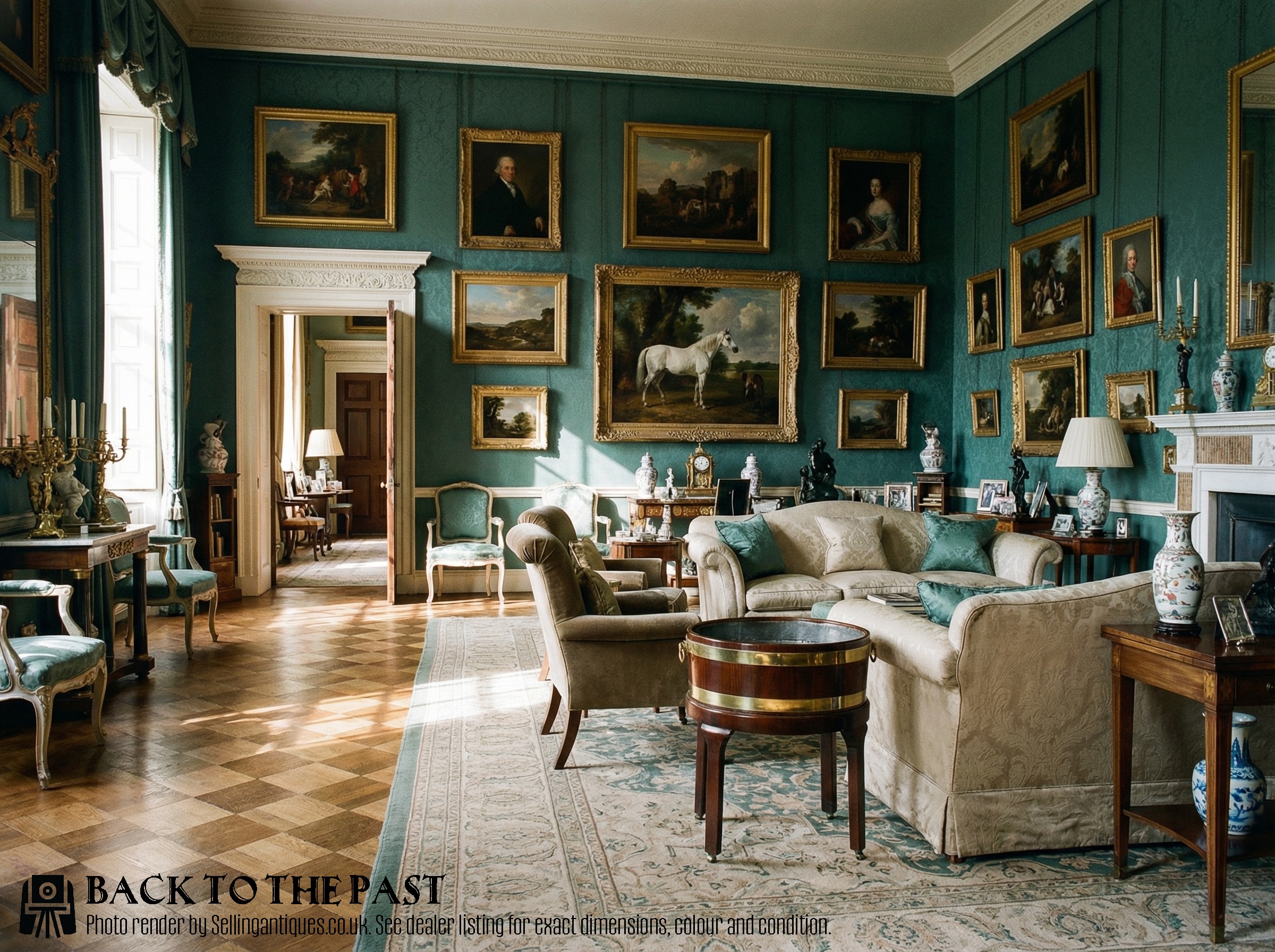
Mahogany Wine Cistern
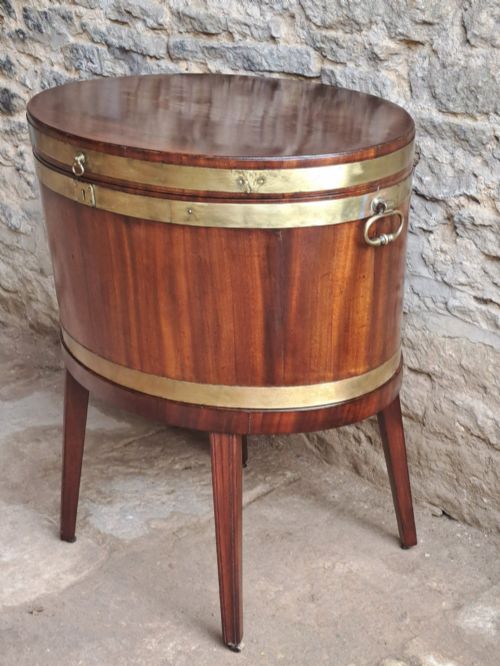
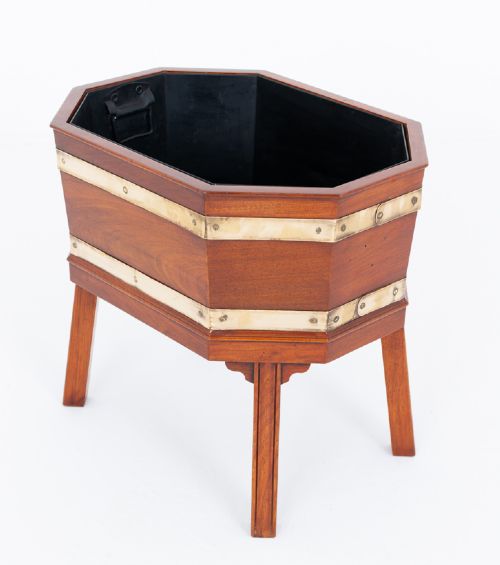
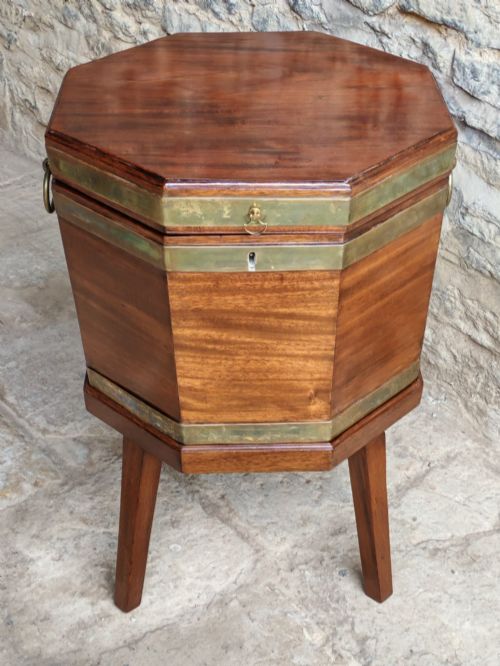
A mahogany wine cistern serves as a formal vessel for chilling bottles during dining, appearing in oval, octagonal, or open forms. When searching for a mahogany wine cistern, buyers encounter George III, Regency, and Victorian pieces alongside later interpretations.
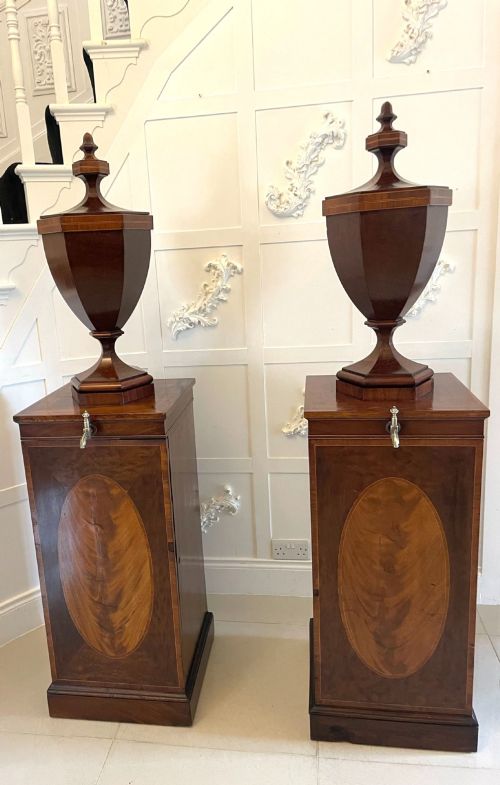
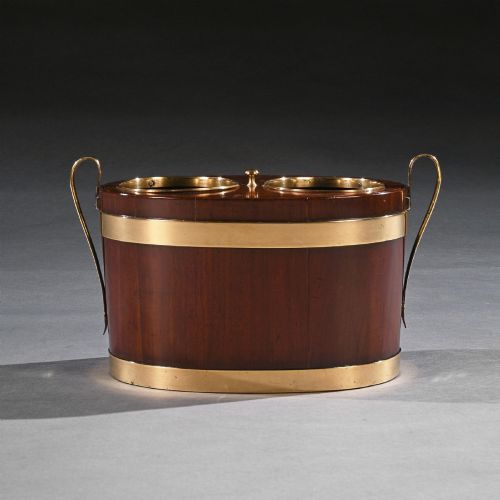
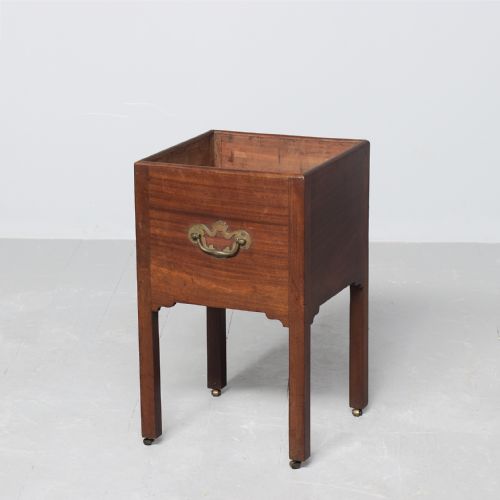
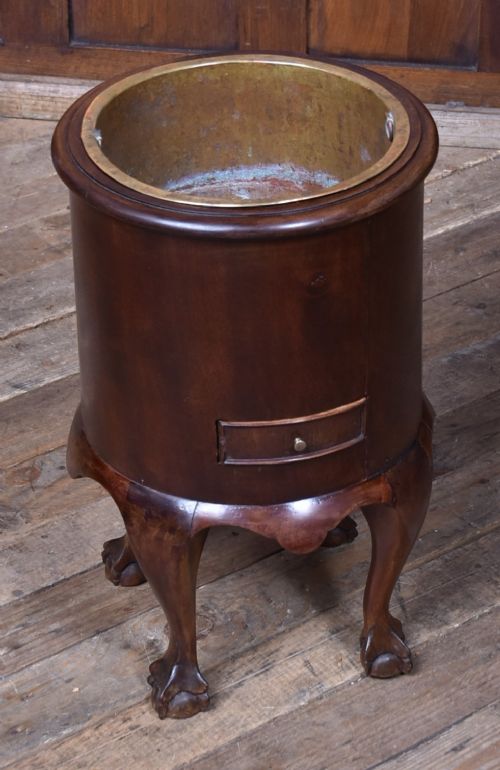
Many examples double as jardinières or plant stands, reflecting domestic shifts over the centuries. Coopered bucket shapes, urns on pedestals, and brass bound vessels dominate the selection.
The objects stem primarily from the eighteenth and nineteenth centuries, with occasional twentieth-century stylistic revivals. The forms range from freestanding floor models to table vessels resting on original stands.
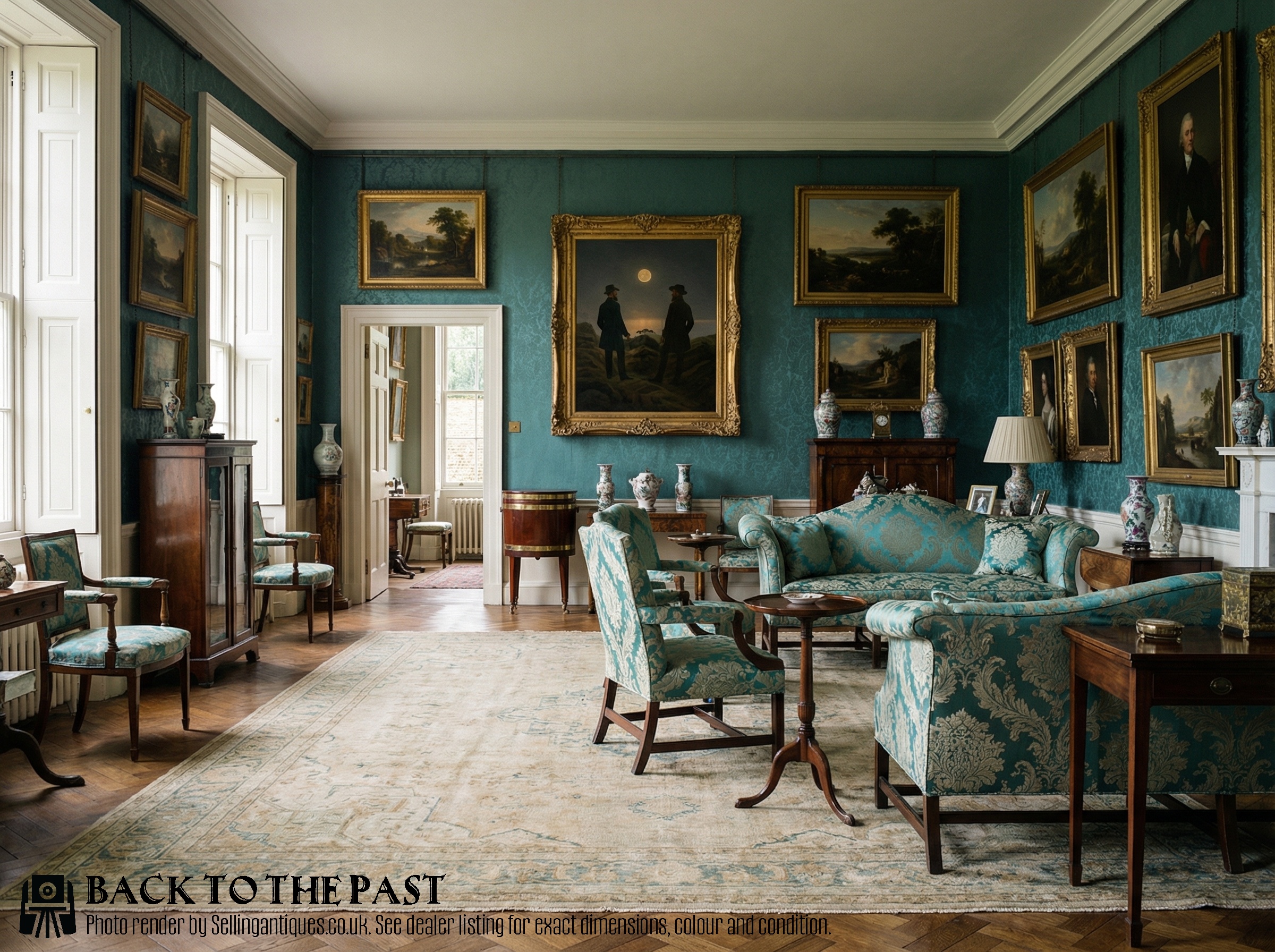
Construction and materials
Cabinetmakers constructed these vessels using solid timber and veneers, frequently highlighting the rich grain of flame mahogany or satinwood inlay. Cooperage techniques created watertight staves bound by brass hoops or metal bands to hold ice and liquid safely.
Liners made of zinc or metal protected the internal wood from moisture damage during service. Additional detailing often included boxwood inlay, ormolu mounts, and carved boxwood accents.
Mahogany Wine Cistern Retail Price Guide 2026
Typical asking prices for mahogany wine cistern among the pieces listed under this phrase on Sellingantiques today, from the lower quarter to the upper quarter. They describe what is for sale here now, not the wider market.
Several vessels quietly cross the line between cooling claret and housing potted ferns.
Standards of craftsmanship
Quality rests in the selection of timber figures, such as highly grained flame mahogany, and the precision of the cooperage or joinery. Sharpness in boxwood inlay and the weight of original brass bands separate standard workshop output from superior commissions.
The presence of an original stand or matching pedestal elevates a piece significantly. Retaining the internal metal or zinc liner provides further evidence of structural integrity and intended function.

Maples and Co
The Mahogany Wine Cistern Glossary
- Coopered
- Constructed from curved wooden staves joined edge to edge, much like a barrel. This technique ensured the vessel held water and ice without leaking.
- Flame mahogany
- A veneer cut from the fork of the mahogany tree where the branch meets the trunk. The resulting grain pattern resembles flickering flames.
- Brass bound
- Fitted with external metal hoops made of brass to secure the wooden staves. These bands added structural strength and decorative contrast to the dark timber.
- Jardiniere
- An ornamental stand or container used to hold growing plants or flowers. Many wine cisterns were adapted for this secondary purpose in later periods.
- Pedestal and urn
- A matching combination where a large vase-shaped vessel rests upon a dedicated cupboard base. This form stands independently on the floor.
Mahogany Wine Cistern: Frequently Asked Questions
How were these cisterns used originally?
Servants filled the internal zinc or metal compartments with ice and water to chill bottles before or during dinner. The vessels sat on the floor or on side tables near the dining table.
Over time, many were repurposed as plant stands or jardinières for large indoor foliage. Their waterproof interiors made them practical for holding potted plants.
How do I tell George III from Regency pieces?
George III pieces often display classical proportions with straight lines, subtle inlay, and understated brass work. They date from the later eighteenth century and lean toward traditional cabinetmaking.
Regency examples tend to incorporate bolder neoclassical motifs, heavier brass paw feet, or striking flame mahogany veneers. They reflect an early nineteenth-century taste for ancient Roman and Greek revival styles.
Can I use an antique cistern for wine today?
Many antique cisterns retain their original metal or zinc liners, making them functional for modern entertaining. It is wise to check the internal watertight seal before filling them with ice.
Those lacking a sound liner can still serve as decorative bottle holders or umbrella stands. They also function well as planters when paired with a modern inner pot.