
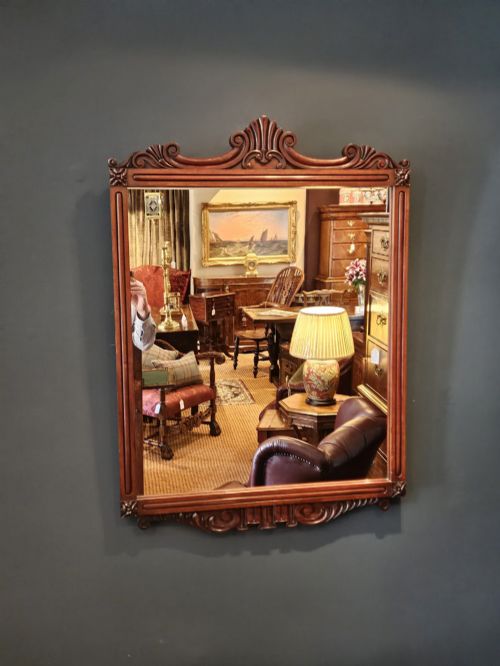
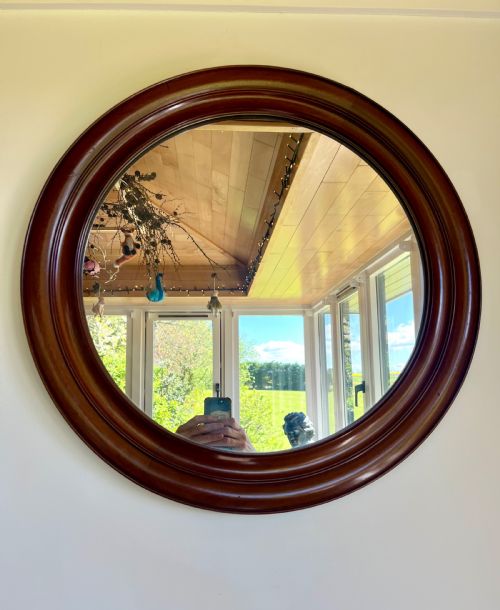


Mahogany Wall Hanging Mirror
Mahogany wall hanging mirror selections bring warmth and reflective depth to interiors through centuries of cabinet-making traditions.
Mahogany Wall Hanging Mirror
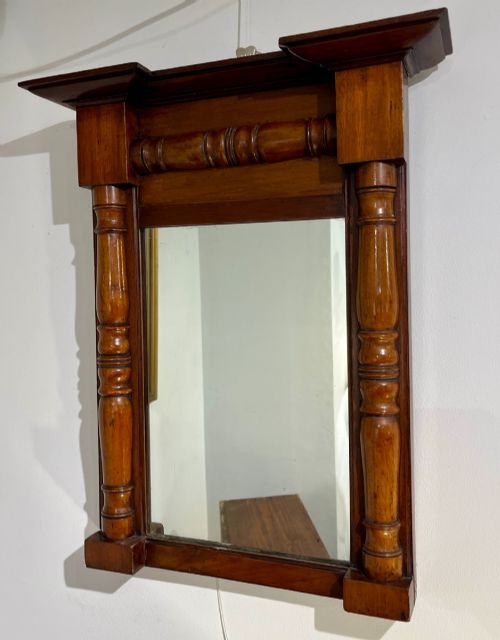
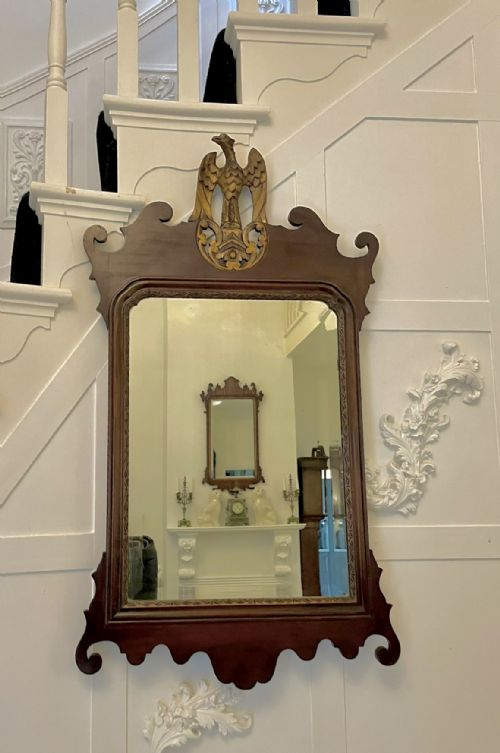
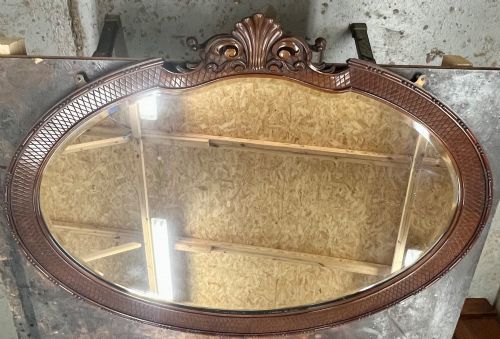
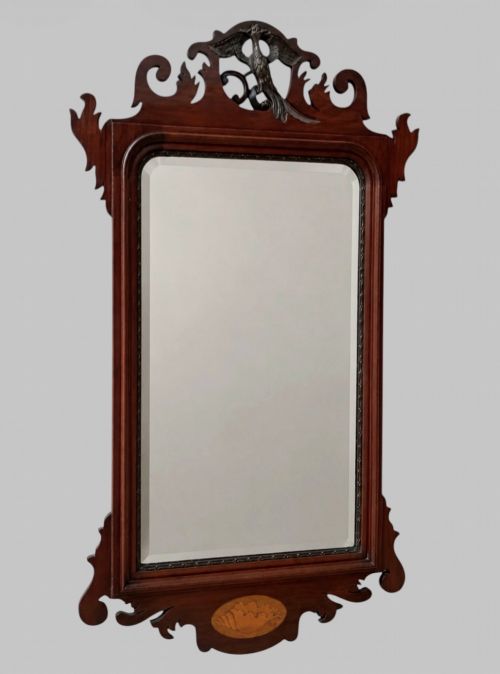
A mahogany wall hanging mirror is a functional and decorative domestic object designed to be suspended from a wall, utilising rich timber frames to enclose glass plates. When searching this phrase, a buyer examines diverse formats spanning rectangular, oval, and fretwork silhouettes produced across multiple centuries.
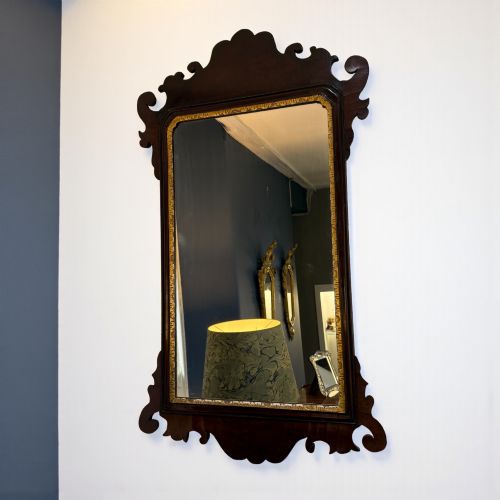
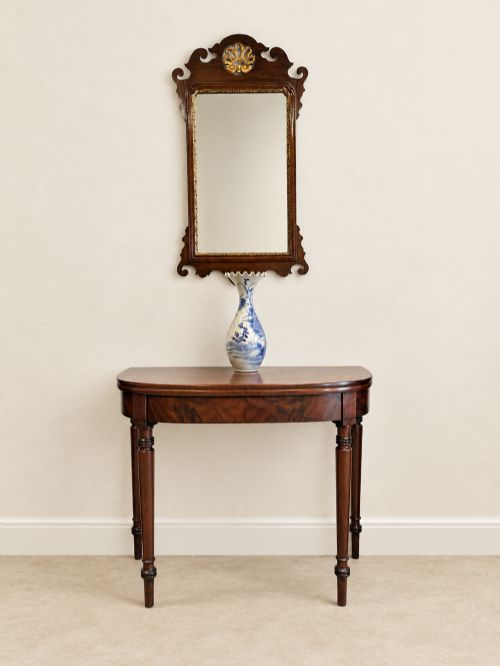
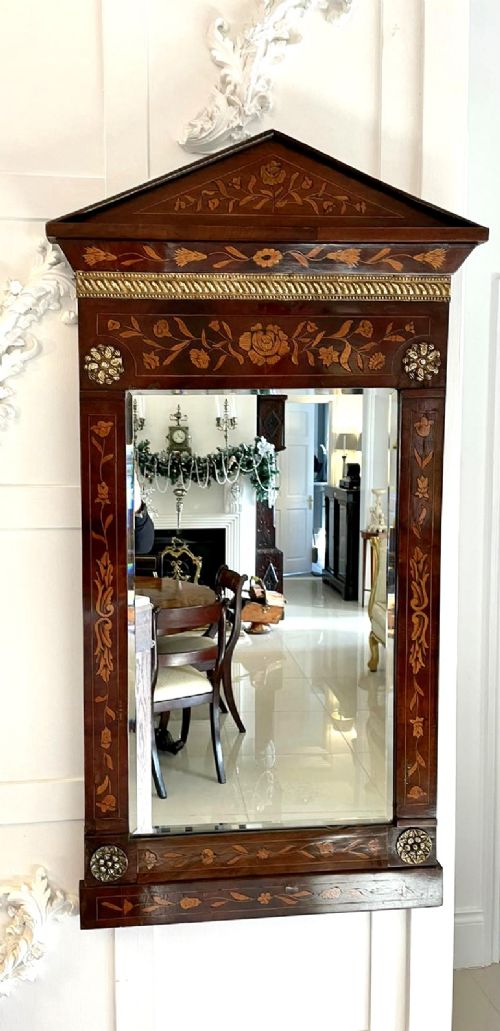
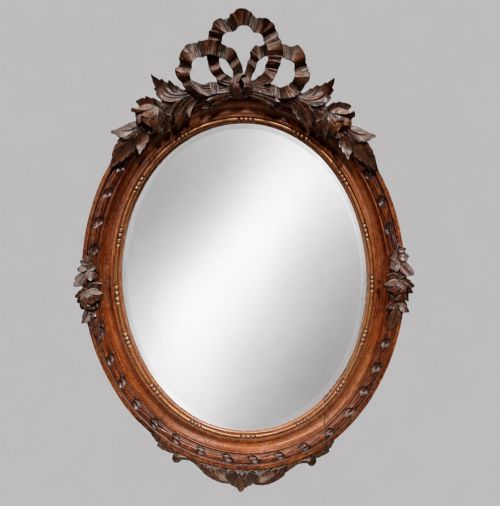
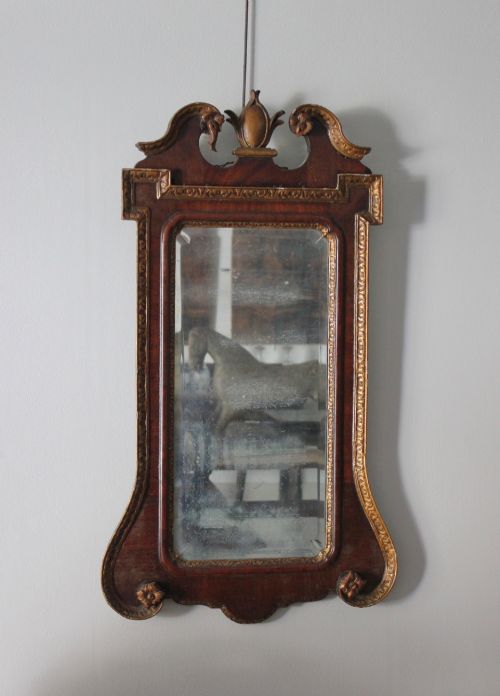
The pieces appearing on this page range from plain 19th-century utility plates to elaborate 18th-century Georgian designs featuring parcel gilding and marquetry. Oval formats from the Edwardian era are particularly common, alongside fretwork styles drawing on Chippendale influences.
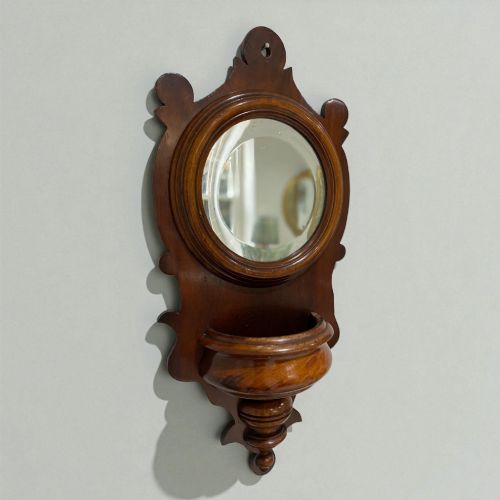
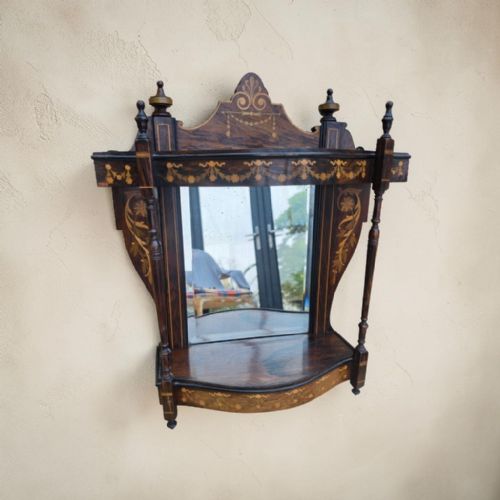
Beyond simple looking glasses, these items often incorporate small shelves, key cabinets, or shaving attachments, bridging the gap between pure ornament and practical hallway furniture. Such hybrid objects reflect how earlier households maximised compact living spaces.
Materials and construction
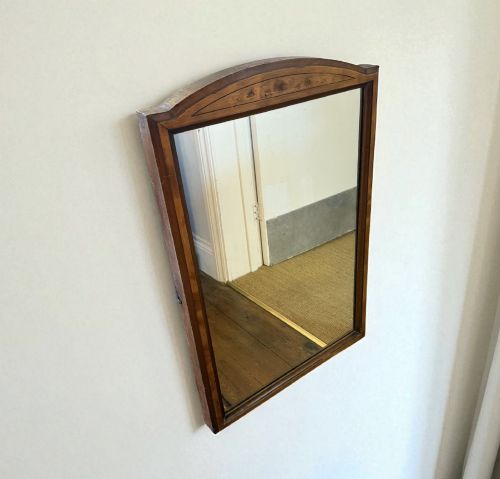
Makers constructed these frames predominantly from solid mahogany, occasionally incorporating satinwood inlay for contrast or applying gold leaf to carved parcel-gilt details. The warm, dark grain of the timber forms the visual foundation of almost every piece.
Glass plates vary from early mercury and foxed plates showing natural ageing to later bevelled mirror glass introduced during Victorian and Edwardian revivals. Frames frequently utilise fret-sawn mahogany panels, joined with traditional corner construction to support the weight of the glass.
Materials range from solid mahogany and brass to delicate satinwood inlay, gold leaf, and bevelled mirror glass.
Assessing craftsmanship
Quality in a mahogany wall hanging mirror rests upon the crispness of the fretwork carving and the depth of the timber's grain. Finer examples display delicate, hand-cut scrolling and precise proportions rather than heavy, machine-produced symmetry.
The integrity of the internal components also dictates worth, distinguishing high-status Georgian and Chippendale revival pieces from standard utilitarian items. Original mirror plates and intact parcel-gilt highlights elevate a piece significantly above routine factory production.
The Mahogany Wall Hanging Mirror Glossary
- Fretwork
- Openwork ornamentation created by cutting patterns through thin wood using a fretsaw. This technique defines the pierced crests of many Georgian and Edwardian hanging mirrors.
- Parcel-gilt
- A decorative method where only specific portions of a wooden frame are partially covered in gold leaf. It creates a subtle contrast against the dark mahogany surface.
- Marquetry
- The art of applying fitted pieces of veneer to a structure to form decorative patterns. Dutch examples often display elaborate floral designs using this method.
- Vauxhall mirror
- A type of looking glass historically associated with high-end English production, often featuring bevelled edges or engraved decoration. These plates reflect a high standard of early glass-making.
- Pier mirror
- A tall, narrow glass designed to hang on the wall space between windows. They frequently incorporate lower consoles or shelves.
Mahogany Wall Hanging Mirror: Frequently Asked Questions
How do I clean an antique mirror plate?
Old glass plates often feature silvering degradation, foxing, or original mercury backing that requires gentle handling. Avoid harsh chemical cleaners and ammonia-based sprays that can seep behind the frame and damage the backing further.
Use a soft, dry microfibre cloth to remove dust from the glass surface. If moisture is necessary, apply a mild soap solution sparingly to the cloth rather than spraying the glass directly.
How can I tell a Georgian mirror from a later revival piece?
Original 18th-century pieces exhibit hand-cut construction marks, older secondary woods on the reverse, and characteristic timber shrinkage. The gilding and fretwork display the subtle irregularities typical of hand tool work.
Edwardian and Victorian revival pieces often utilise machine-sawn symmetry, standard modern screw fixings, and cleaner, unblemished glass plates. Examining the backboards and joining methods usually clarifies the true age of the frame.
Where were these mirrors historically placed in a home?
Hanging mirrors were traditionally positioned above mantelpieces, dressing tables, or on narrow wall piers between windows to reflect natural daylight into dark rooms. Hallway versions with shelves also served practical roles for hats, gloves, and keys.
Their placement was designed both to illuminate interior spaces and to provide a final check of appearance before leaving the room, as seen in the name last look mirror.