




Three Panel Mantle Mirror
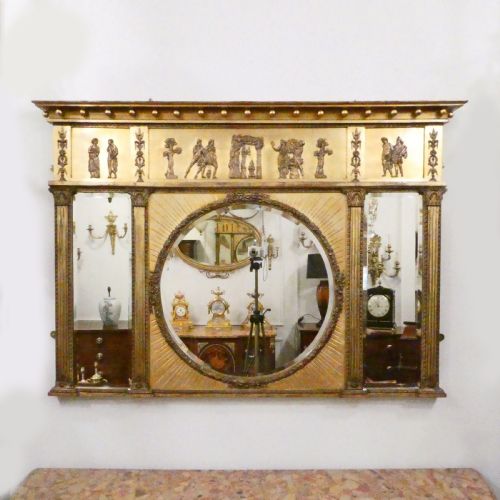
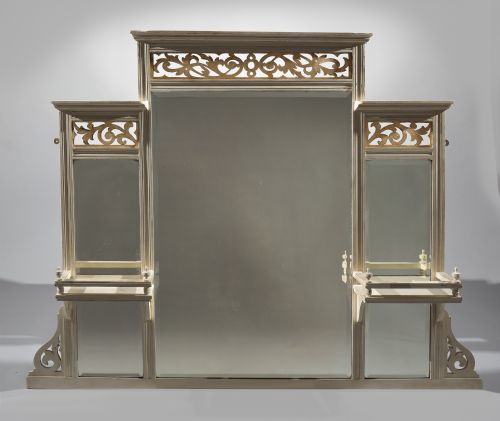
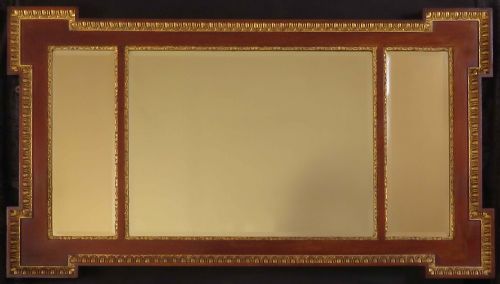
A three panel mantle mirror anchors a room with horizontal span, bringing together nineteenth-century glass, giltwood and mahogany in a tripartite frame.
Three Panel Mantle Mirror
When searching for a three panel mantle mirror, buyers encounter a specific group of nineteenth-century overmantel mirrors designed to sit above fireplace surrounds. These pieces divide their reflective surface across three distinct plates, a layout that widens the visual field of a reception room.
The selections on this page span Victorian, Regency, and Georgian revival styles, with the Victorian era providing the greatest number of examples. Makers built these mirrors in both upright architectural formats and long horizontal proportions suited to period chimney breasts.
How they were made
Cabinetmakers constructed the primary carcases of these mirrors using solid timber such as mahogany or ebonised wood, alongside softer woods prepared for gesso and gilding. Artisans applied layers of gesso to carved wooden elements to create crisp relief details before finishing the surfaces with gold leaf, paint, or parcel-gilt highlights.
The reflective components rely on multiple glass plates set side by side within the wooden rebate, divided by vertical wooden or gilded mullions. Frames often incorporate fretted crestings, moulded cornices, or applied decorative motifs characteristic of Regency and Chippendale revival designs.
Several pieces include old painted surfaces that suggest a past life in a Regency drawing room before finding a home in a Victorian villa.
What varies in quality
Quality in these mirrors rests upon the crispness of the original wood carving and the depth of the gilding. Pieces featuring finely modelled gesso ornaments and substantial timber frames stand apart from plainer versions with simpler mouldings.
The integrity of the tripartite glass plates and the proportion of the dividing sections also influence the character of the piece. Well-balanced frames where the three mirror plates relate harmoniously to the architectural scale of the whole object represent the better examples of the form.
The Three Panel Mantle Mirror Glossary
- Overmantel mirror
- A large mirror specifically proportioned to hang on the wall directly above a mantelpiece or fireplace. They often feature wide horizontal formats designed to reflect the interior space of a room.
- Giltwood
- Timber that has been coated with a thin layer of gold leaf applied over a prepared gesso ground. This technique creates a luminous metallic surface typical of formal nineteenth-century frames.
- Ebonised wood
- Timber treated with a chemical stain or black finish to imitate expensive ebony. This dark surface finish gained popularity during the Aesthetic Movement and late Victorian periods.
- Gesso
- A plaster-like mixture applied to wood frames to provide a smooth base for gilding or painting. Artisans carved and stamped intricate decorative motifs directly into this dried layer.
Three Panel Mantle Mirror: Frequently Asked Questions
Where should a three panel mantle mirror be hung?
These mirrors were originally designed to mount directly above a fireplace mantel, where their horizontal span fills the wall space below the ceiling.
They also function effectively on any large, unbroken wall in a reception room or hallway, provided the fixings can support the combined weight of the timber frame and glass plates.
How do I identify a Victorian triple plate mirror?
Victorian examples frequently display denser surface ornamentation, including ebonised finishes, parcel-gilt details, or Aesthetic Movement motifs combined with mahogany or gesso frames.
They often incorporate traditional fretted woodwork or architectural mouldings that reflect the revival tastes of the late nineteenth century.
What is the difference between a wall mirror and an overmantel mirror?
An overmantel mirror is specifically proportioned for placement above a fireplace, featuring a wide horizontal layout designed to complement the width of the mantel shelf below it.
Standard wall mirrors generally follow square or vertical formats intended for general wall placement rather than architectural integration with a fireplace.
How are the three glass plates held in the frame?
The individual mirror plates sit within a rebated wooden framework behind the front mouldings, separated by vertical dividers or wooden mullions that create the triptych effect.
Backboards made of timber secure the glass plates firmly within the main carcase to prevent movement when the mirror is hung.