
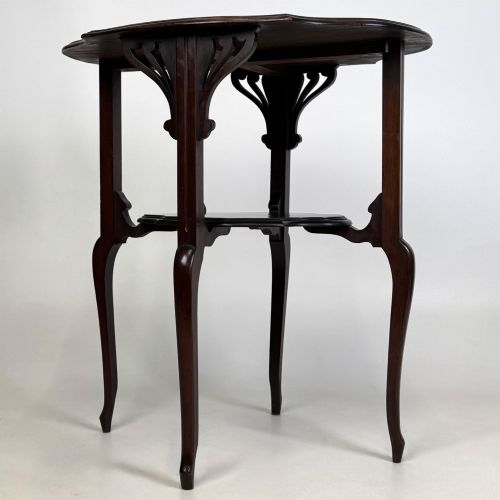
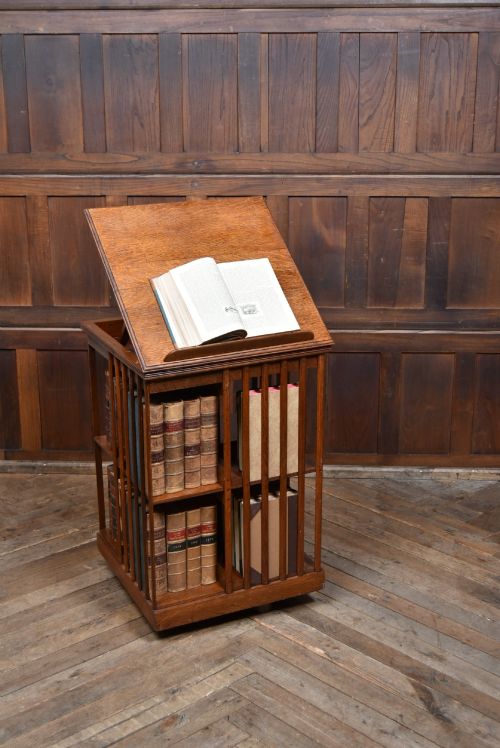
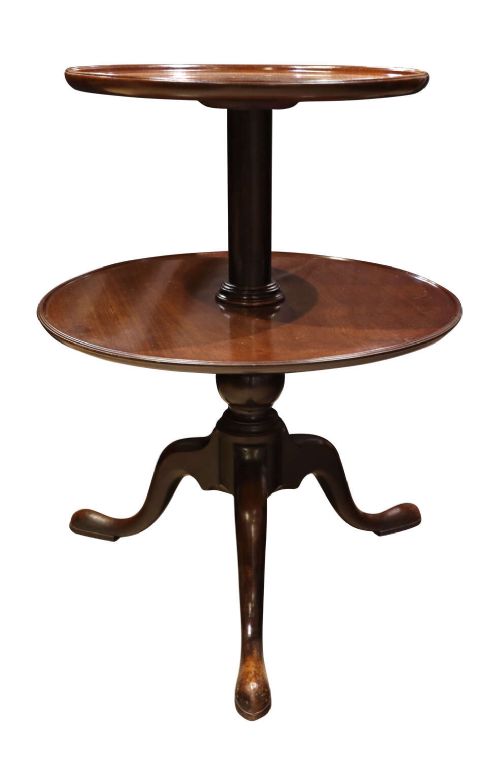
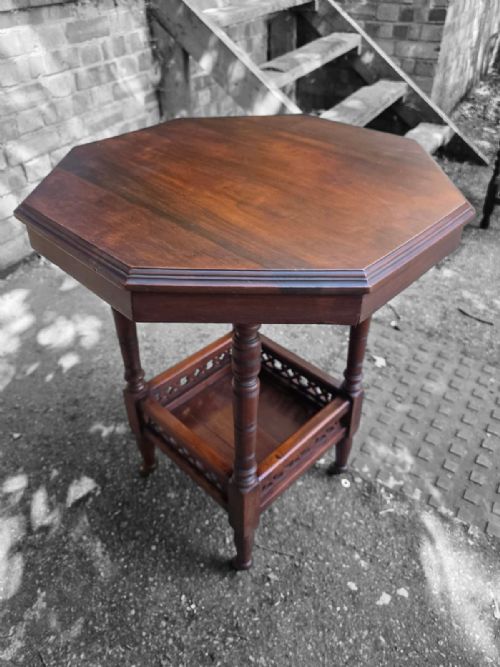

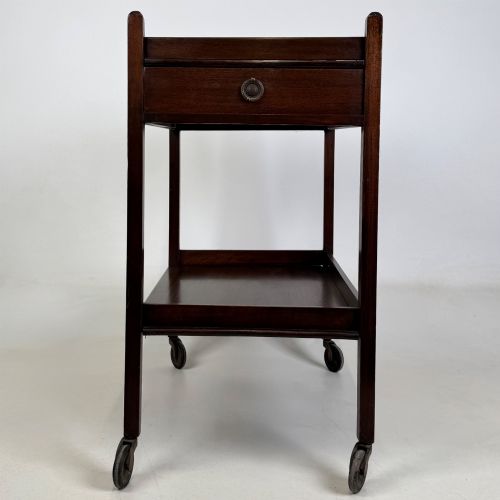
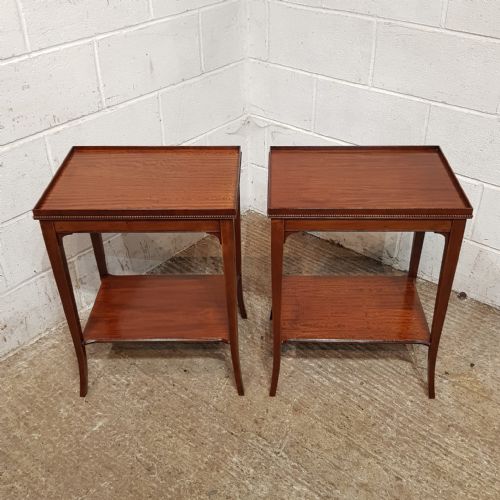
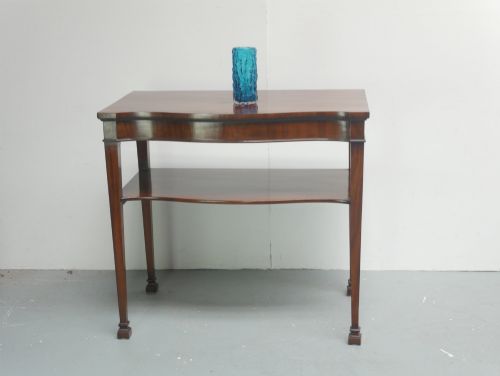
Mahogany Two Tier Table
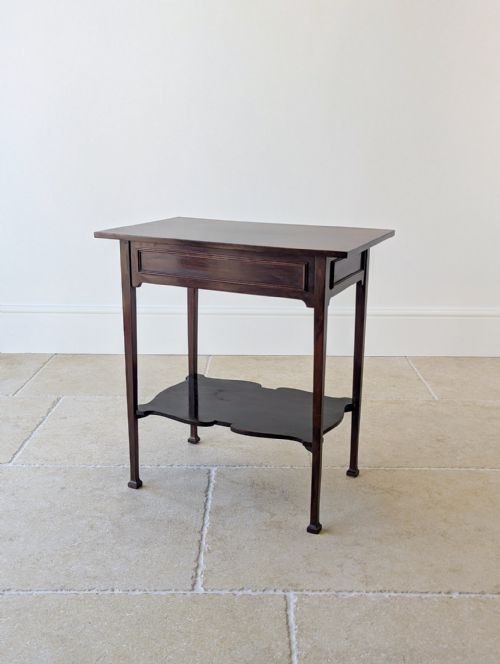
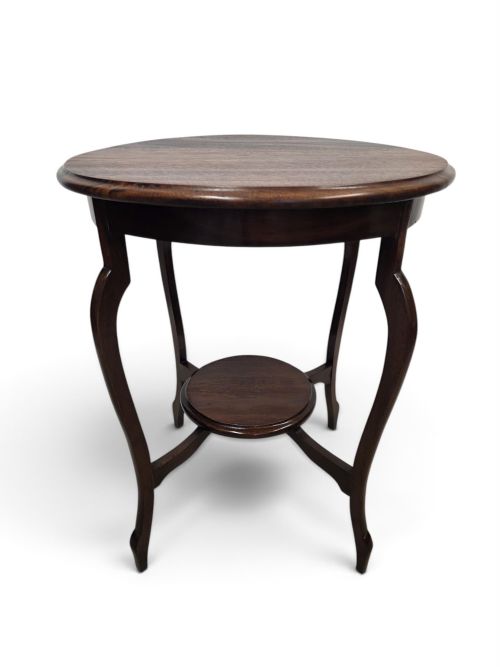
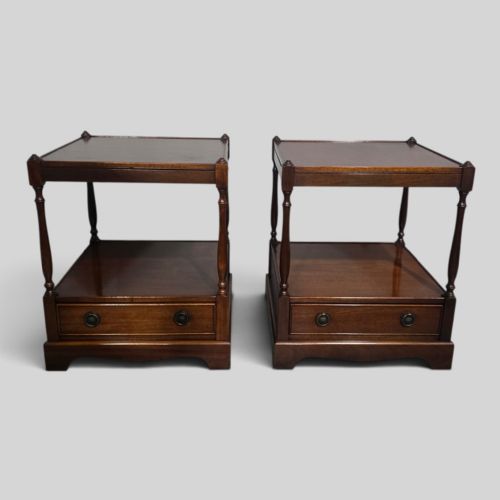
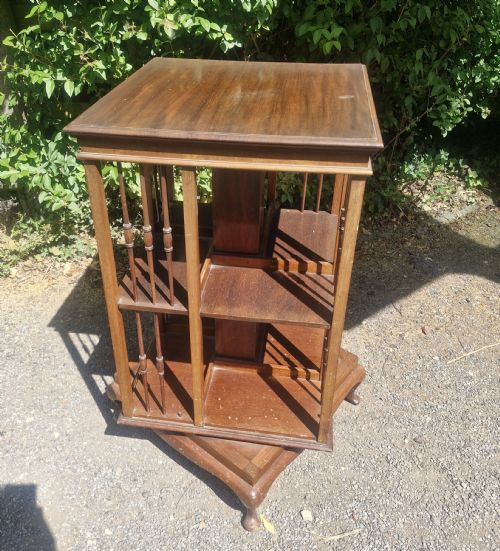
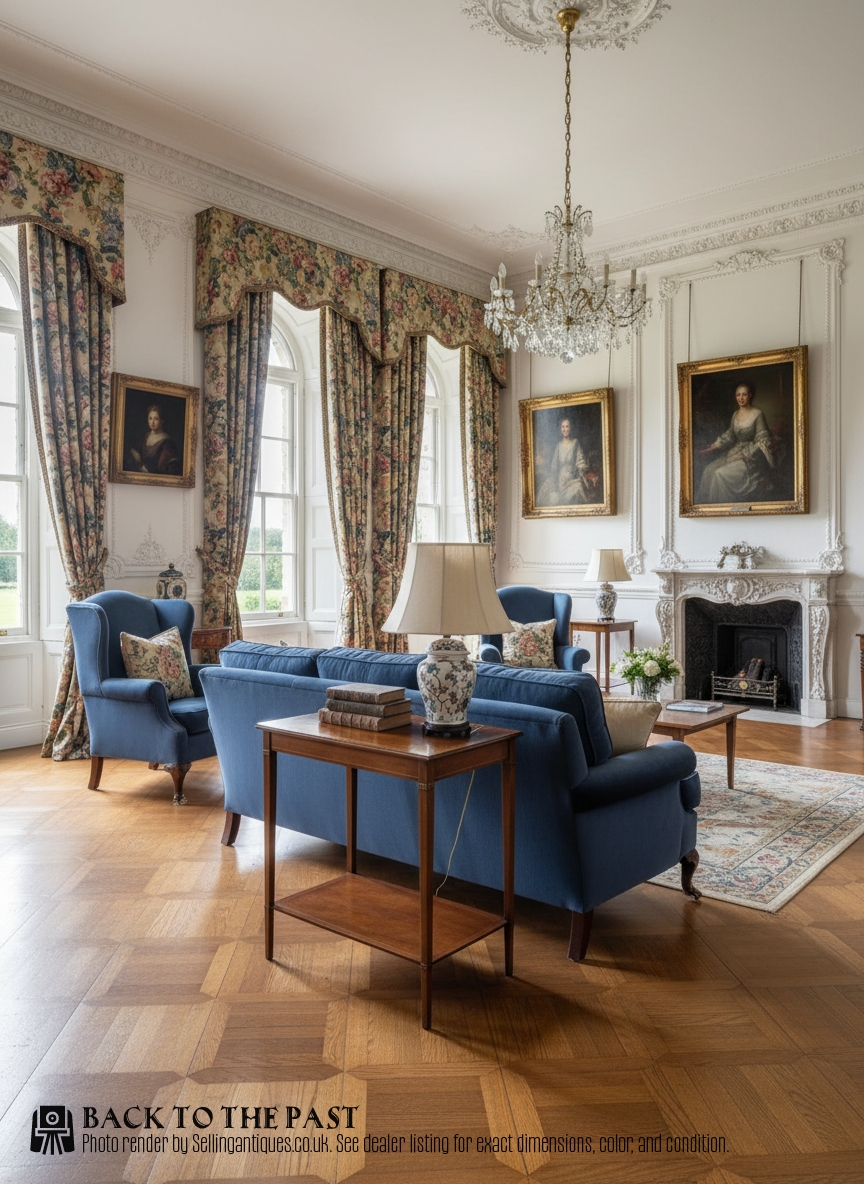
A mahogany two tier table offers doubled surface space in a compact footprint, uniting rich timber grain with practical tiered staging.
Forms and periods
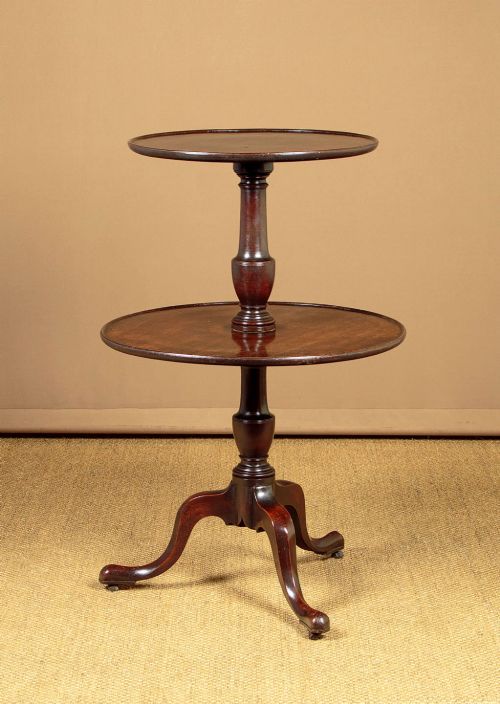
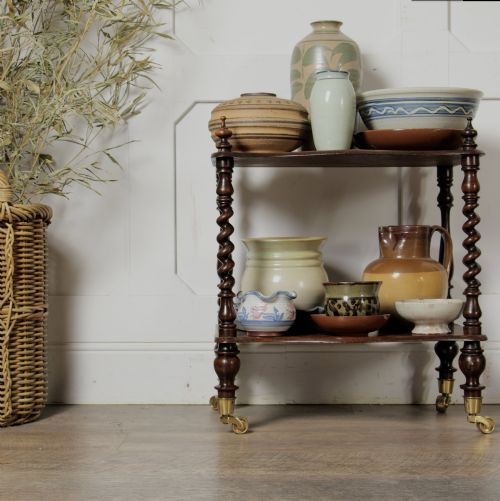
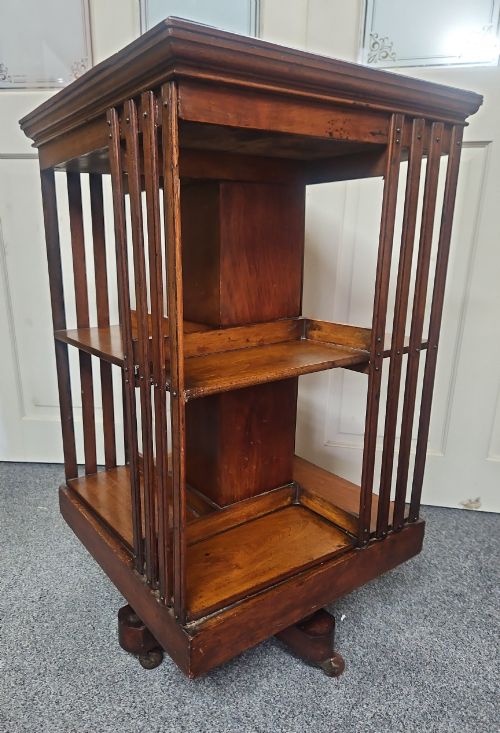
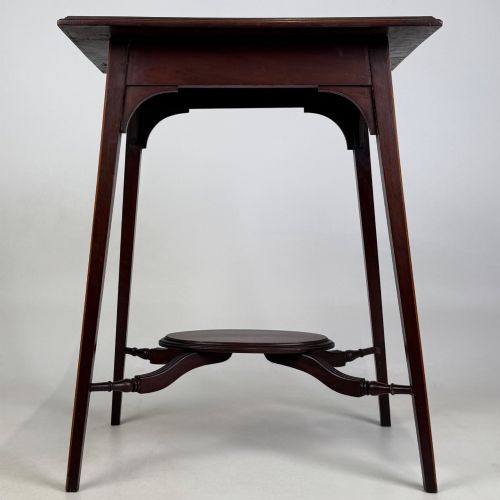
A mahogany two tier table provides an upper display surface and a lower shelf, fulfilling various domestic duties from afternoon tea to bedside storage. The search phrase covers forms ranging from side tables and occasional pieces to dumb waiters, serving tables, and étagères.
Edwardian and Victorian examples dominate the selection, bringing lighter Edwardian occasional designs alongside sturdier Victorian lamp tables and dumb waiters. Earlier pieces trace back through Regency models to Georgian origins.
Makers adapted the dual surface format for specialised uses, producing ship's tables with brass details, kidney-shaped kidney tables, and occasional tables with tray tops or faux bamboo supports.
Materials and construction
Makers built these tables primarily in mahogany, frequently enhancing the primary timber with contrasting inlay or stringing in satinwood, boxwood, and rosewood. Brass fittings, ceramic elements, and occasionally marble tops appear across the periods.
Cabinetmakers employed techniques such as floral carving and geometric inlay, particularly during the Edwardian Sheraton Revival and Aesthetic movement periods. Tripod bases, turned supports, and shaped shelves provide structural stability to the double-decked forms.
Retail Price Guide 2026
Typical UK retail prices for mahogany two tier table, calculated from the Sellingantiques database of over a million retail prices indexed since 2003. This retail price guide relies exclusively on Sellingantiques data; no external sources or auction records are used, so the figures do not describe the wider market.
Construction materials recorded in the archive include solid mahogany, satinwood, boxwood, rosewood, brass, ceramic, and marble.
Judging quality
Quality rests in the selection of the mahogany grain and the precision of the inlay work, where crisp boxwood or satinwood stringing distinguishes finer output. The integration of secondary materials like brass, ceramic, or marble elevates specific pieces above standard utility models.
Structural integrity in the joinery between the tiers and legs dictates the durability of each table. Pieces bearing attribution to known workshops demonstrate superior timber selection and refined turning on the upright supports.
Liberty & Co·Edwards & Roberts·Collinson and Lock
The Mahogany Two Tier Table Glossary
- Étagère
- A set of open shelves or tiers for displaying small objects. This French form gained popularity in Victorian and Edwardian interiors as a decorative stage.
- Dumb waiter
- A tiered stand traditionally used for holding food and tableware without servant assistance. Victorian versions often include heavy shelving and food trolley configurations.
- Satinwood
- A luminous, fine-grained yellow timber utilised for inlay and banding. Cabinetmakers contrasted it sharply against dark mahogany surfaces.
- Occasional table
- A small, versatile table moved about the room as needed for lamps, books, or tea. Edwardian makers produced these in circular, oval, and shaped formats.
- Stringing
- A narrow strip of contrasting wood inlaid flush into the surface to create geometric borders. It defines Sheraton Revival and late nineteenth-century decoration.
Frequently Asked Questions
What were two tier tables used for?
These tables served multiple domestic roles depending on their specific form, functioning as tea stands, lamp tables, or bedside surfaces. The lower tier provided extra storage for books or porcelain while keeping the main surface clear.
Larger variations like dumb waiters and serving tables assisted dining rooms by holding dishes and silverware close at hand.
How do I date a mahogany table?
Dating relies on observing the prevailing style, timber choices, and construction methods associated with specific decades. Georgian and Regency pieces show simpler, robust lines, whereas Victorian and Edwardian examples often incorporate elaborate inlays, satinwood banding, and lighter turned supports.
Secondary woods and hardware fittings also offer clues to the period of manufacture.
Where should I place a two tier table?
A compact occasional table fits easily beside a sofa or armchair, using the double surface to hold a reading lamp and books. Bedside versions provide convenient tiered storage in a small bedroom footprint.
Larger serving tables and étagères suit hallways or living spaces as focal points for display.
What is Sheraton Revival style?
Sheraton Revival refers to late nineteenth and early twentieth-century furniture inspired by eighteenth-century neoclassical designs. These pieces frequently feature delicate mahogany frames accented with contrasting boxwood and satinwood stringing.
Makers focused on balanced proportions, tapered legs, and refined floral or classical inlay motifs.