
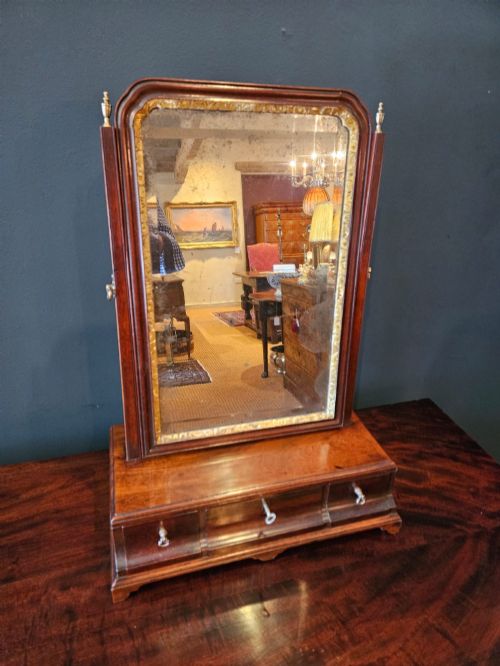
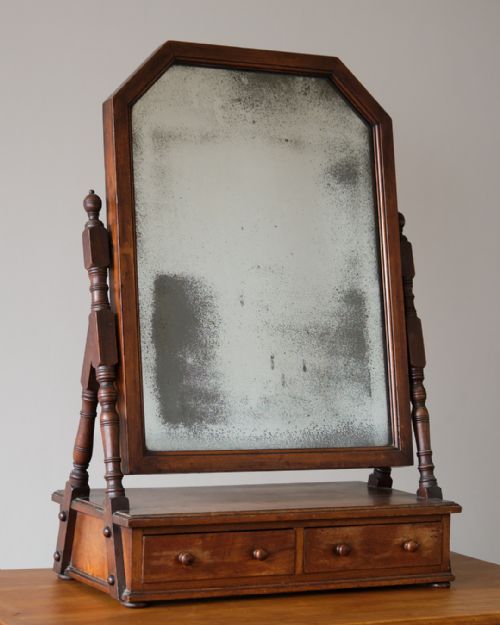
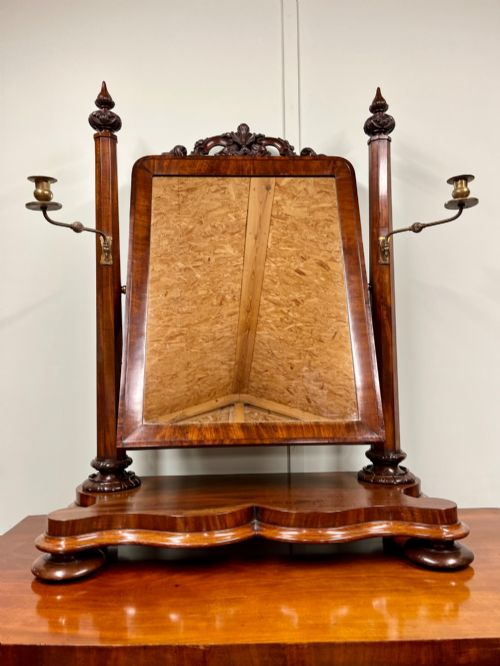
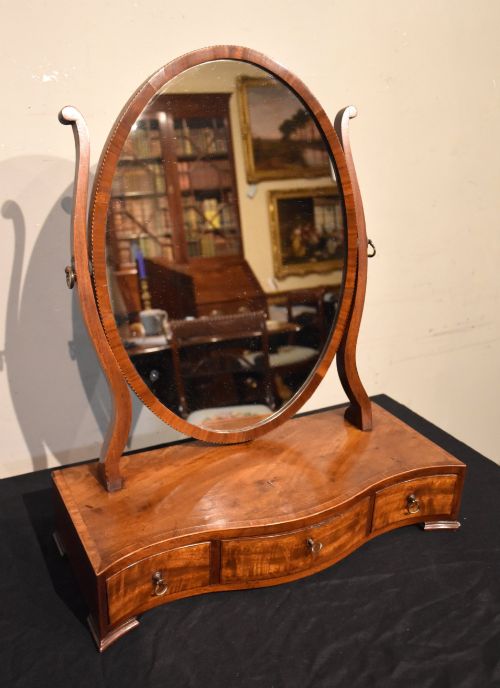
Mahogany Table Swing Mirror
A mahogany table swing mirror brings quiet elegance to a dressing space, pivoting smoothly on upright side arms to catch the morning light.
Mahogany Table Swing Mirror
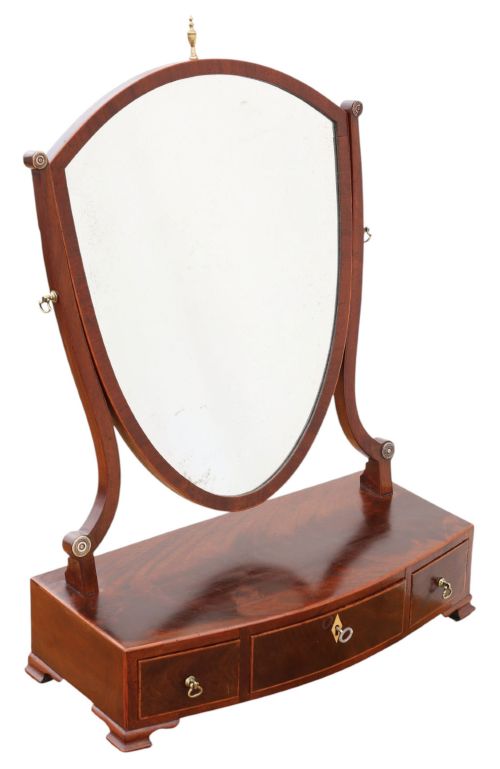
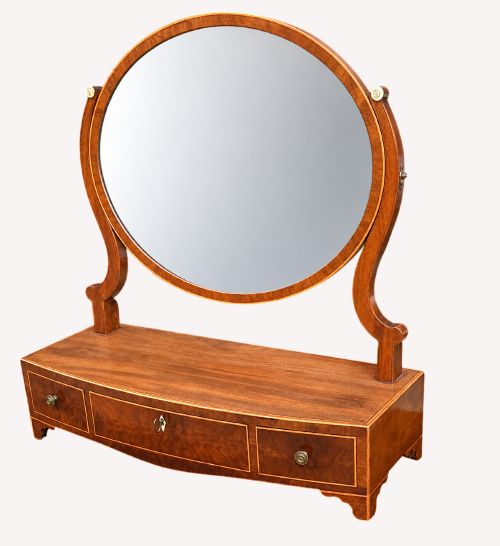
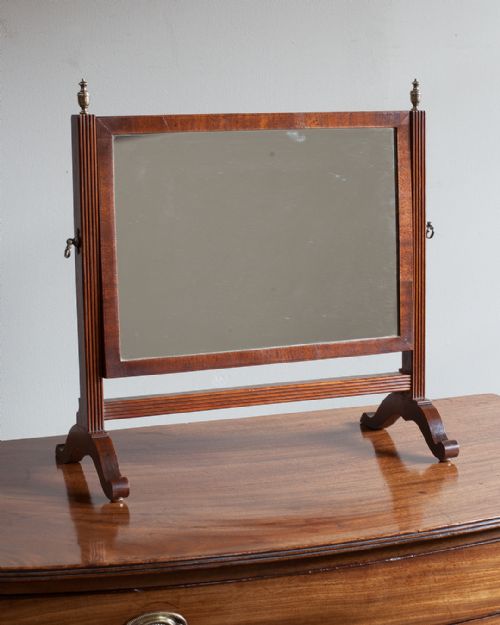
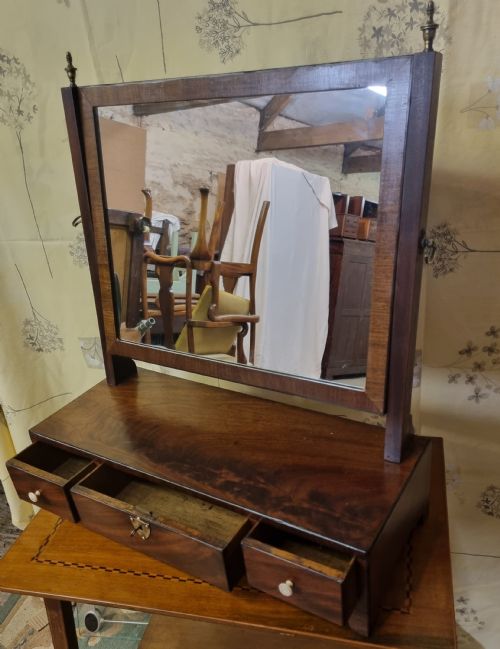
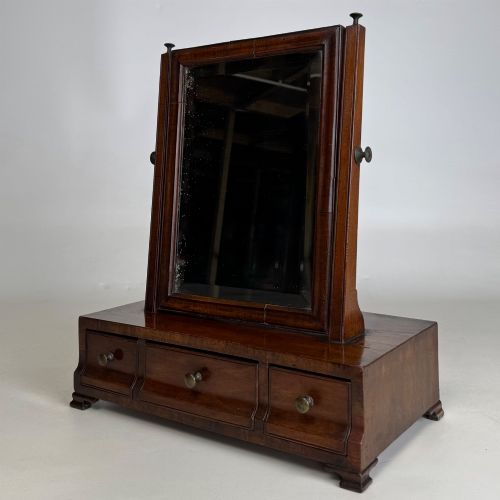
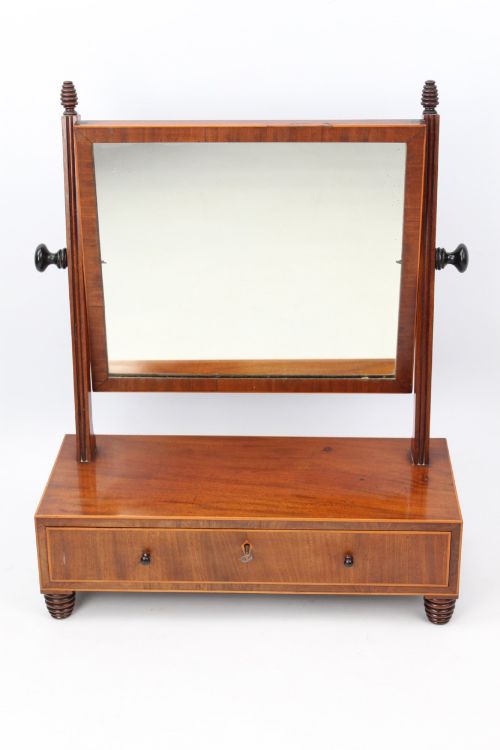
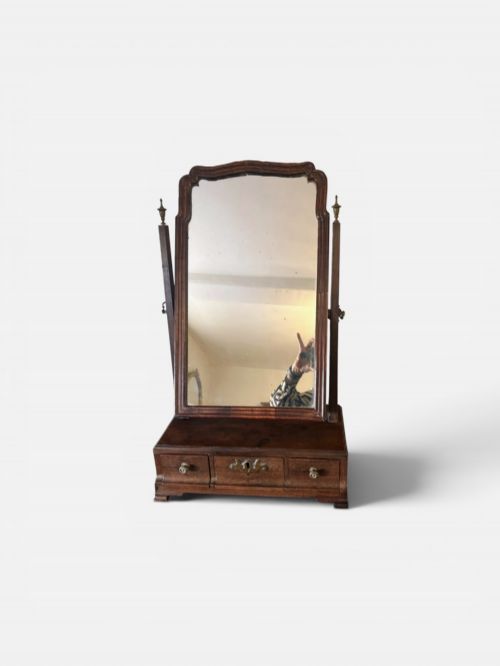
A mahogany table swing mirror sits upon a small box base or chest of miniature drawers, designed to rest on a larger dressing table or chest of drawers. The frame holding the glass tilts back and forth on brass pivot screws, allowing the user to adjust the angle as needed.
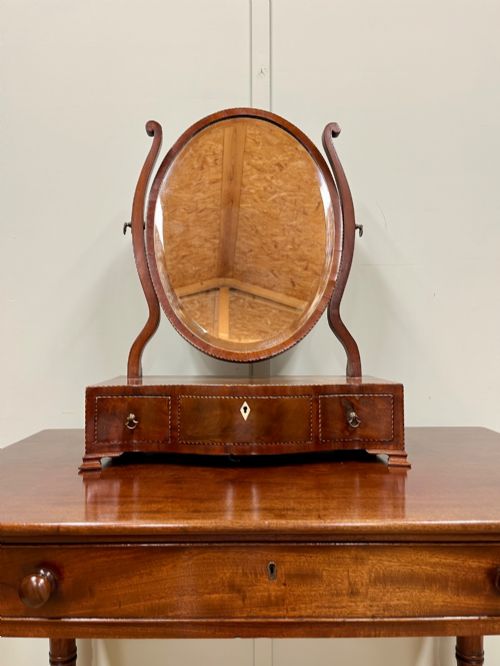
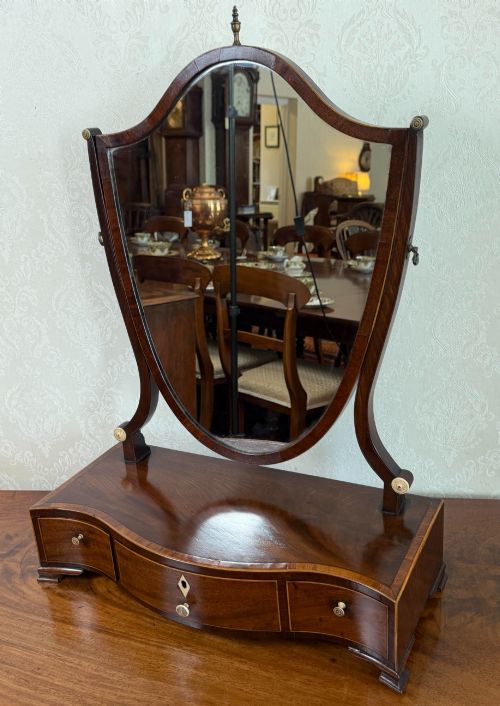
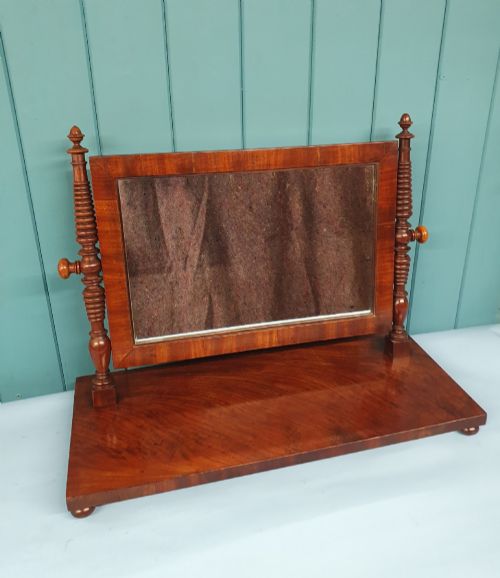
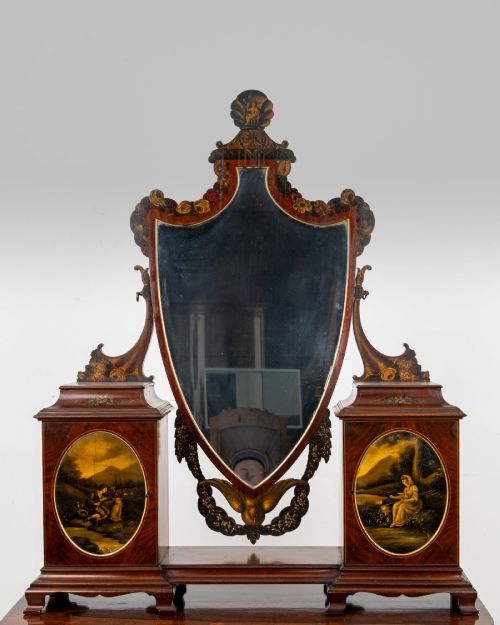
Most examples found here hail from the Georgian, Regency, and Victorian eras, showcasing rich timber grain and traditional joinery. The glass plate itself is usually framed in mahogany, sometimes shaped into an oval or a shield rather than a simple rectangle.
Makers often incorporated small compartments or trinket drawers within the base block for storing jewellery and pins. These pieces combine practical utility with the warm, deep red-brown tones characteristic of period furniture.
How They Were Made
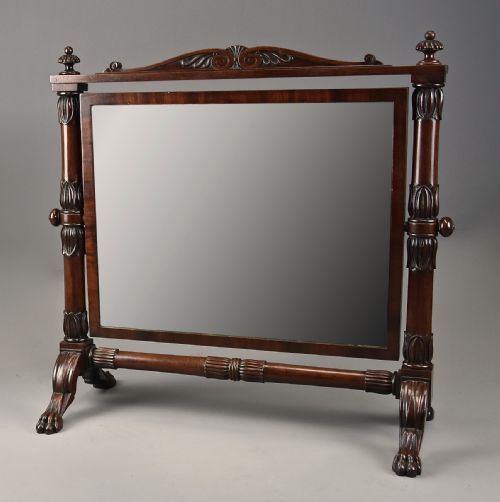
Cabinet makers utilised solid mahogany and delicate veneers over secondary woods, often enhancing the surfaces with fine boxwood stringing or subtle crossbanding. The upright supports frequently feature turned columns or shaped scroll brackets secured firmly to the lower box.
Original mirror glass was silvered with mercury or tin amalgam before modern techniques took over, giving older plates a slightly softer reflection and occasional gentle foxing. Solid brass fixtures, including decorative screw knobs and small bracket feet, fasten the pivoting frame and elevate the base.
Some tiny drawers hide secret compartments once reserved for love letters or smuggled sweets.
What Varies in Quality
The distinction between ordinary and exceptional work lies in the choice of timber and the crispness of the carving or inlay. Superior pieces display striking flame mahogany grain and meticulous dovetail joints inside the drawers, rather than hasty assembly.
Proportion and stability dictate enduring appeal, where the weight of the swing frame balances comfortably against the base without sagging on the brass pivots. Well-preserved original mirror plates and untouched surface patination command greater admiration from collectors.
Heal & Sons·P & MA Nicholson
The Mahogany Table Swing Mirror Glossary
- Cheval mirror
- A large, full-length dressing mirror supported by four freestanding legs rather than sitting upon a table base.
- Shield mirror
- A dressing glass shaped in the contour of a heraldic shield, popular during the eighteenth century.
- Crossbanding
- A narrow strip of wood veneer applied across the grain border of a panel to create a decorative frame.
- Serpentine front
- A furniture front curving outward in the centre and inward at the sides in a gentle wave shape.
- Bone escutcheon
- A small decorative plate made of bone surrounding a keyhole on a drawer front.
Mahogany Table Swing Mirror: Frequently Asked Questions
How do I date a mahogany swing mirror?
Examine the construction of the drawers and the shape of the mirror frame for period clues. Dovetails cut by hand and shield-shaped plates typically point to eighteenth-century craftsmanship.
Later Victorian versions often feature heavier proportions, turned side supports, and machine-cut elements. The type of brass hardware used for the pivot screws also shifts across the decades.
Are the mirror plates usually original?
Many older pieces retain their original glass, which can show faint oxidation marks or minor speckling known as foxing. This natural ageing process confirms the antiquity of the object.
Replacement glass appears frequently because these fragile plates broke easily over centuries of use. Clear, flawless reflection on an eighteenth-century frame often indicates a modern mirror swap.
How should I care for the wood surface?
Maintain the polished mahogany by dusting gently with a soft cloth and avoiding direct sunlight or damp environments. Excessive heat dries out the timber and causes the veneer to lift from the base.
Apply a traditional beeswax polish sparingly when the wood appears dry to preserve the natural lustre. Avoid modern silicone sprays that can penetrate the grain and ruin the historic finish.
Can these mirrors be safely placed on any chest?
Ensure the footprint of the mirror base matches the depth of the surface it rests upon to prevent tipping. Felt pads placed beneath the feet protect antique chest tops from scratches.
Check that the brass pivot screws are adjusted correctly so the glass does not swing too loosely. A stable placement lets you alter the viewing angle without straining the upright arms.