
Mahogany Table Brass Castors
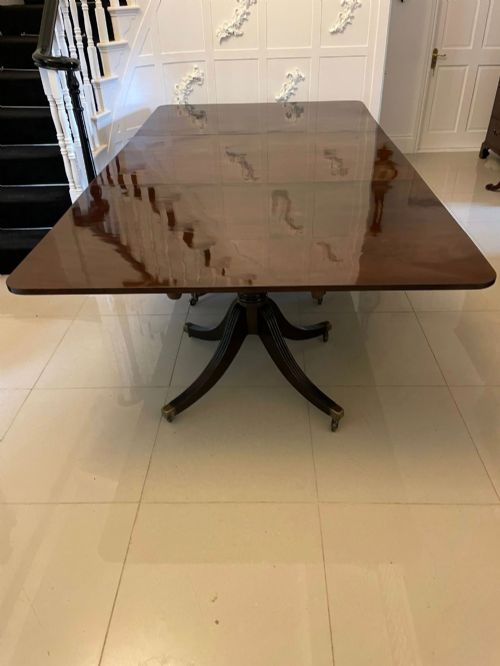
These pieces unite solid timber and metal mounts to form a mahogany table brass castors grouping that brings functional mobility to period interiors.
Mahogany Table Brass Castors
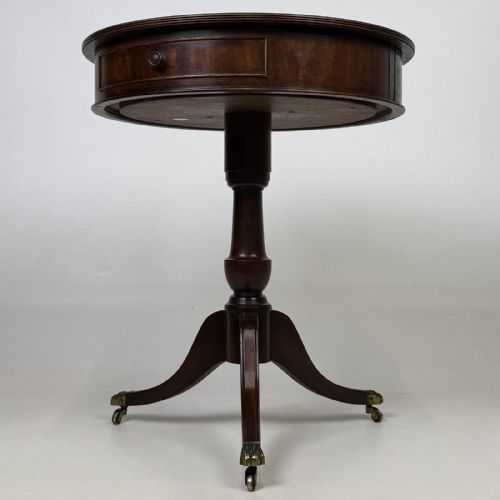
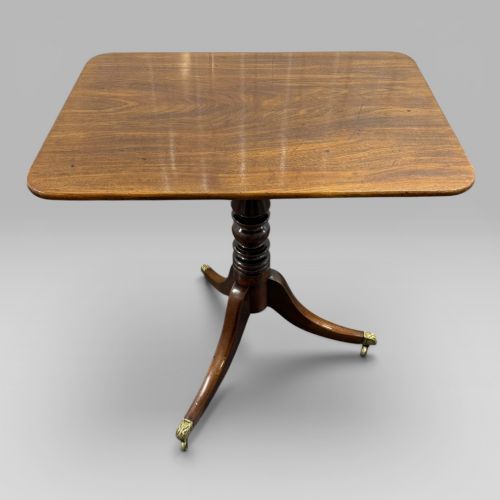
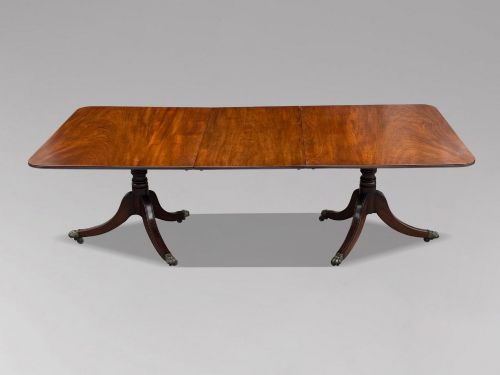
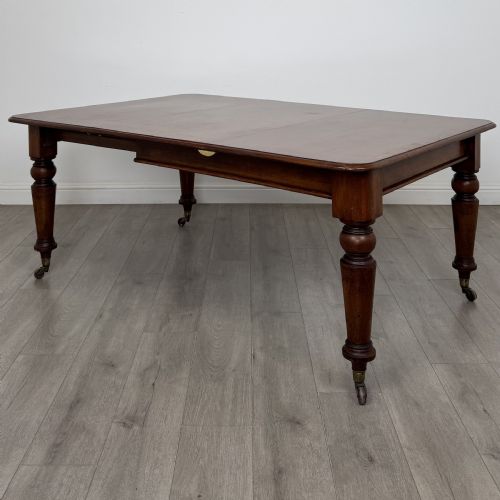
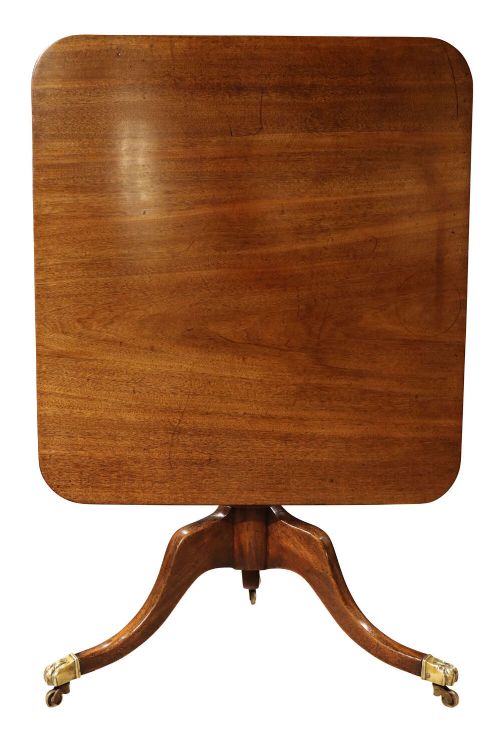
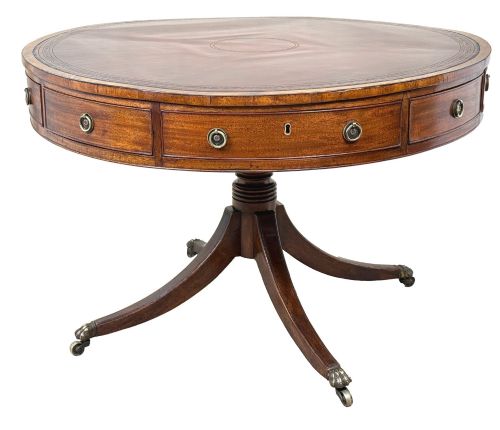
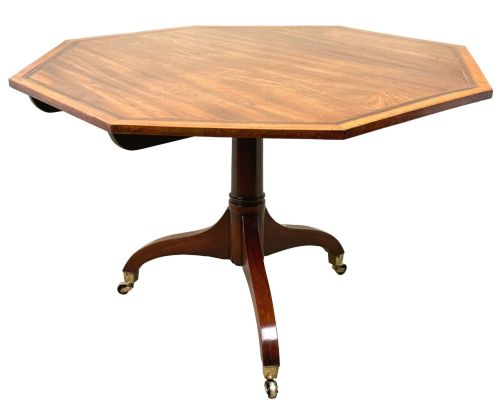
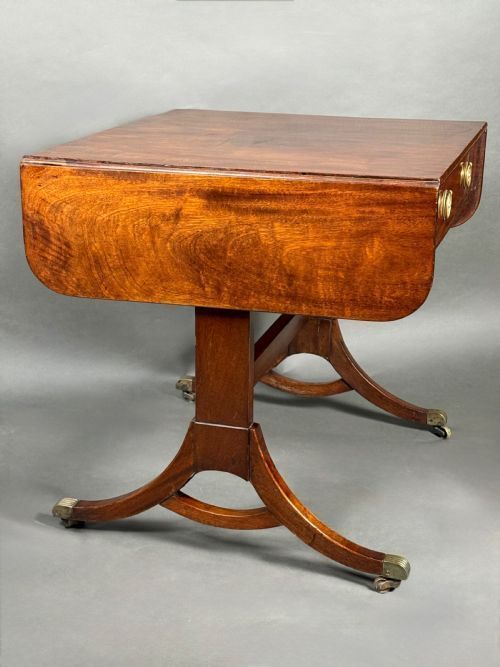
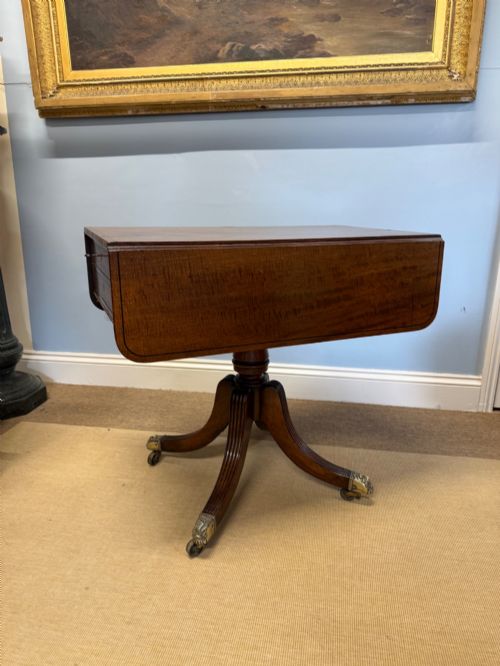
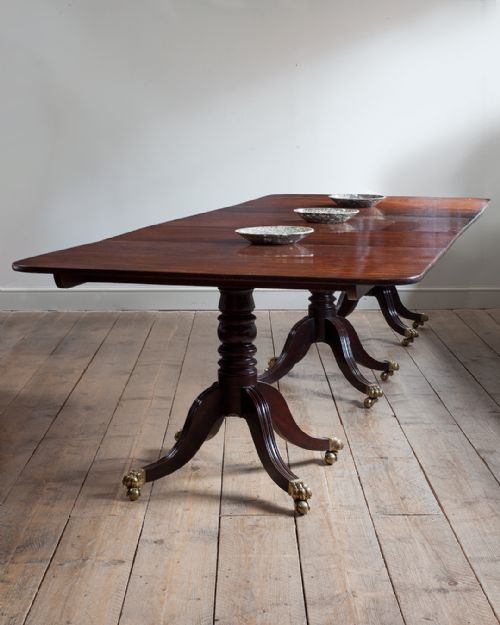
When you search for a mahogany table brass castors, you encounter a selection spanning the eighteenth, nineteenth, and early twentieth centuries, covering periods from the Georgian era through to Regency Revival and Edwardian interpretations. The most common forms on this page are dining tables, Pembroke tables, tea tables, and drum tables, which reflect the domestic needs of their original owners.
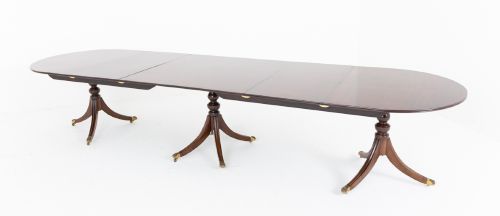
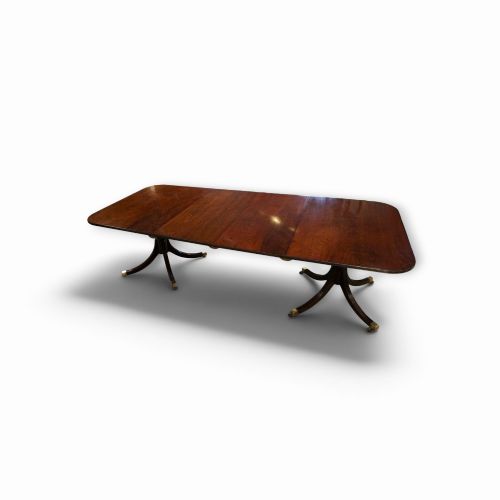
The pieces range from large multi-pedestal extending dining tables designed for seating numerous guests to smaller occasional, side, and sofa tables intended for specific rooms. Many pieces originate from the Regency and George III periods, though later revivals also appear frequently.
Makers such as Gillows of Lancaster, Thomas Butler of London, and Whytock & Reid occasionally surface among the listings, connecting these tables to recorded cabinet-making traditions. Buyers select these items for their architectural timber grain and the practical ability to move heavy furniture across floors using integrated metal fittings.
How they were made
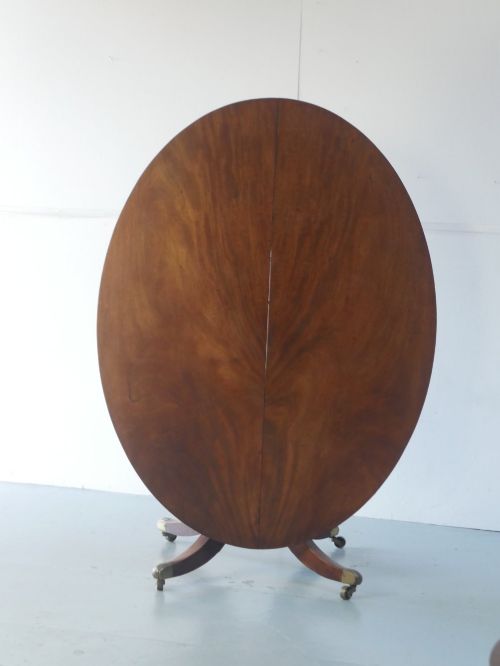
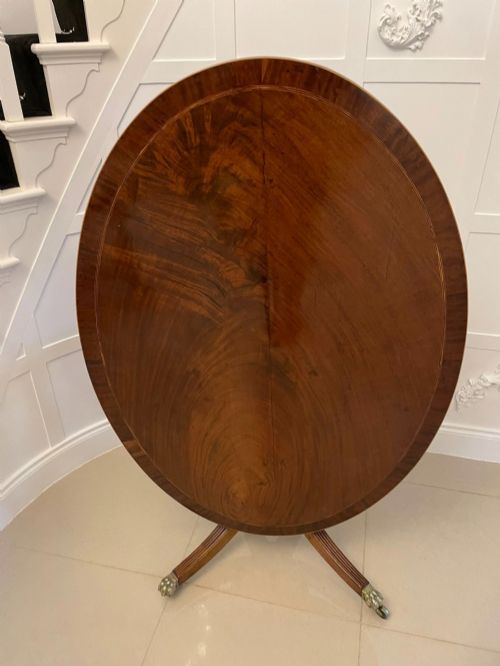
Cabinet makers constructed these tables primarily using mahogany, often selecting figured varieties such as flame mahogany or incorporating decorative elements like satinwood, boxwood inlay, and rosewood crossbanding to enhance the surface appearance.
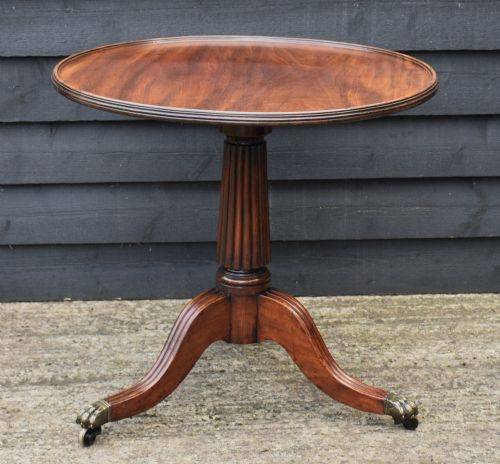
Support systems typically involve turned or reeded pillars, tripod bases, and pedestals that terminate in brass castors, sometimes cast in the shape of paws or capped with rollers to facilitate movement. Drop leaves, wind-out mechanisms, and tilting tops allowed utilitarian furniture to adapt to changing room layouts and dining capacities.
Some tables hide tiny pull-out leaves designed specifically for holding a cup of tea.
What varies in quality
The distinction between standard pieces and exceptional examples rests upon the selection of the timber grain, such as heavily figured flame mahogany, and the crispness of any boxwood or satinwood inlay work. Superior construction reveals itself in the integration of original brass castors and the stability of complex extending mechanisms or multi-pillar supports.
Proportion and balance define the upper tier of these tables, where the joinery remains tight and the timber retains a deep, warm patina developed through decades of careful polishing.
Gillows of Lancaster·Thomas Butler of London·Whytock & Reid
The Mahogany Table Brass Castors Glossary
- Pembroke table
- A small rectangular table featuring two hinged drop leaves on opposing sides. It usually includes one or more small drawers and originated during the eighteenth century.
- Drum table
- A round library or centre table with a deep frieze containing drawers, typically supported on a central pillar and tripod base.
- Pedestal table
- A table supported by one or more central columns rather than four corner legs. These columns frequently split into multiple pillars for larger dining formats.
- Crossbanding
- A decorative technique where a border strip of veneer is applied to the edge of a tabletop with the grain running perpendicular to the main surface.
Mahogany Table Brass Castors: Frequently Asked Questions
How do I identify a true Regency period table?
Examine the timber species, construction methods, and hardware style to establish age. Genuine Regency examples often display dense figured mahogany and original brass castors.
Look closely at the joinery beneath the top and check for period characteristics like reeded legs and brass paw feet.
Can I use an extending dining table daily?
These tables were built for heavy domestic use and tolerate regular gatherings well. Ensure the extension leaves align smoothly with the pedestals.
Treat the polished mahogany surface with care by using heat mats and avoiding excessive moisture.
What maintenance do brass castors need?
Keep the metal components clean and check that the small pins or screws holding them to the legs remain secure. Lubricate the rollers gently if movement stiffens.
Avoid harsh chemical metal polishes that might splash onto the surrounding mahogany timber.
How do I clean flame mahogany surfaces?
Dust the timber regularly with a soft, dry cloth to prevent dirt accumulation. Apply a quality beeswax periodically to nourish the grain.
Keep these tables away from direct sunlight and radiators to prevent the wood from drying out or splitting.