




Mahogany Straight Front Chest
Mahogany straight front chest pieces offer functional storage with flat facades, spanning Georgian, Regency, and Victorian periods.
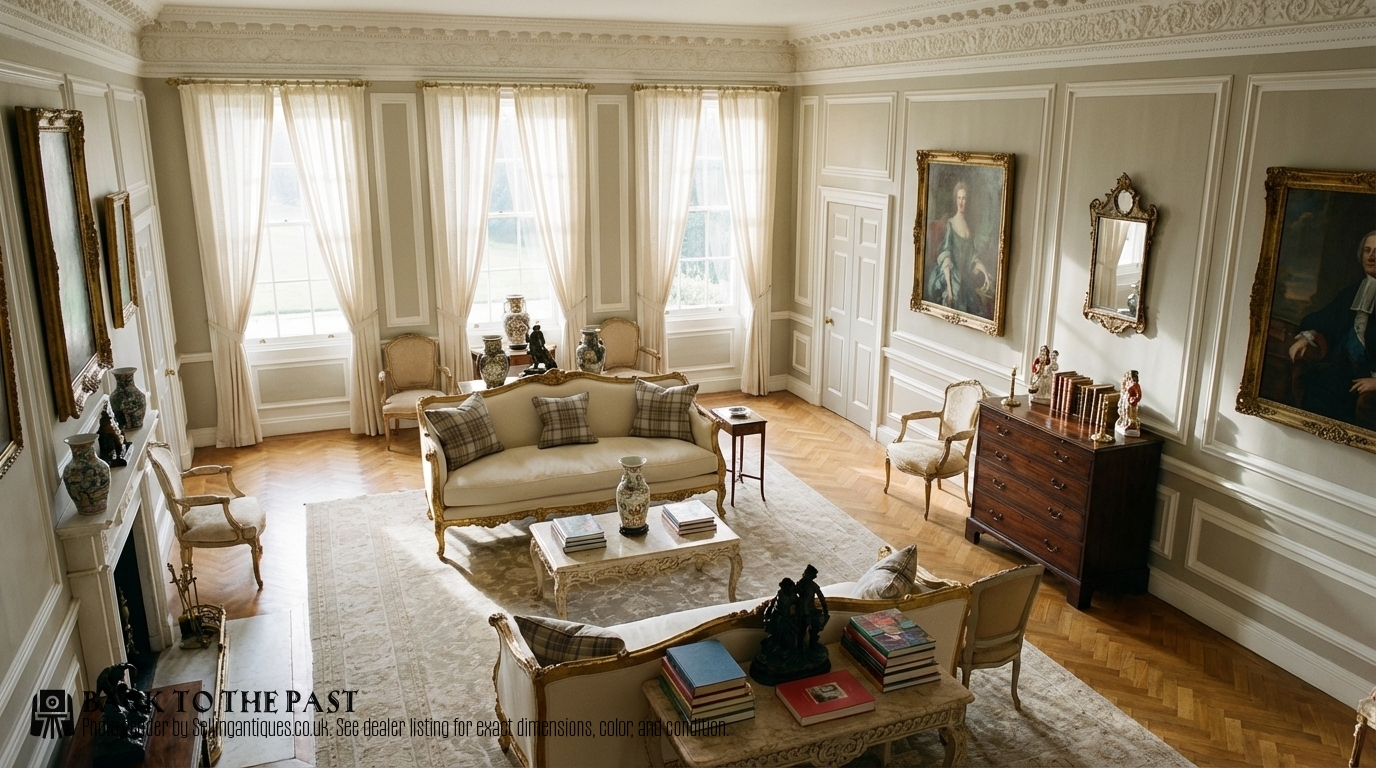
Mahogany Straight Front Chest
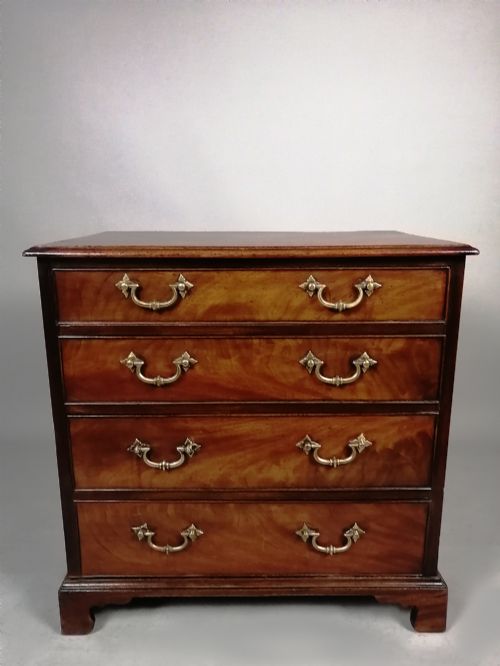
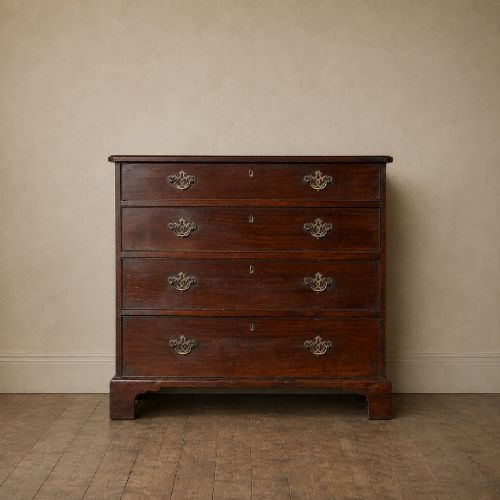
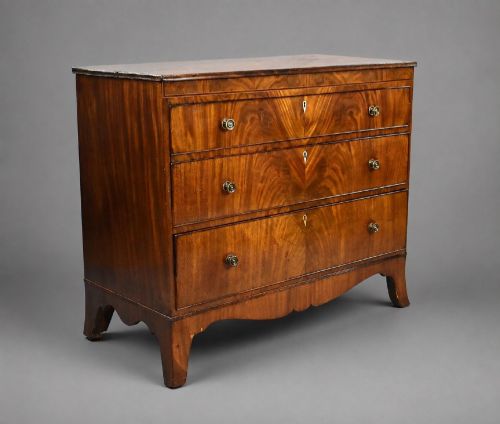
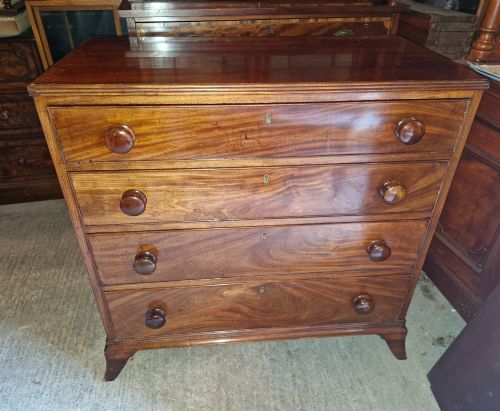
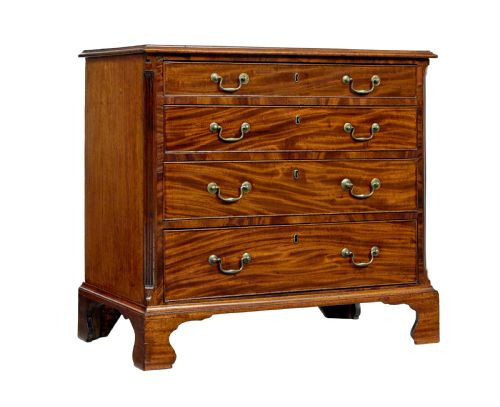
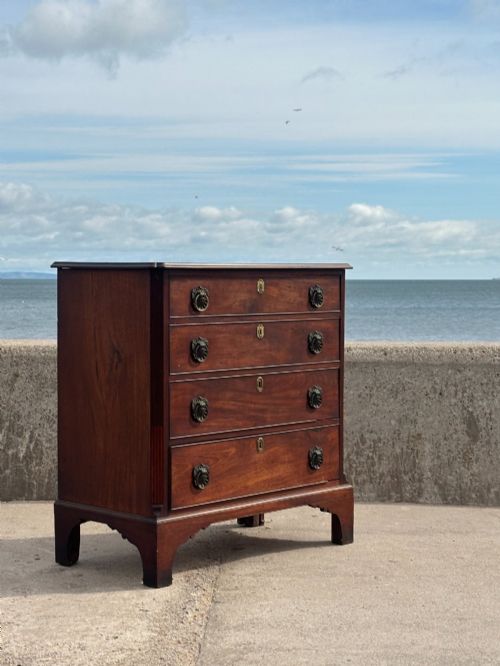
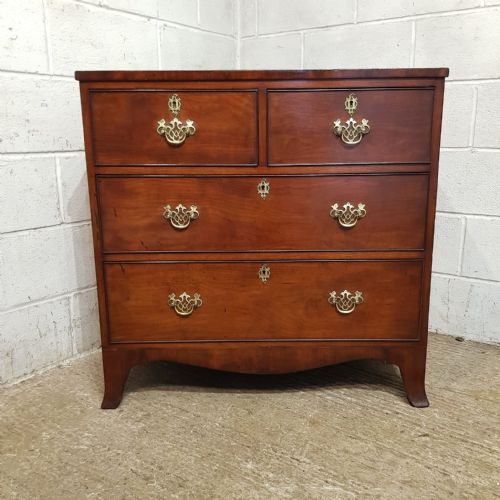
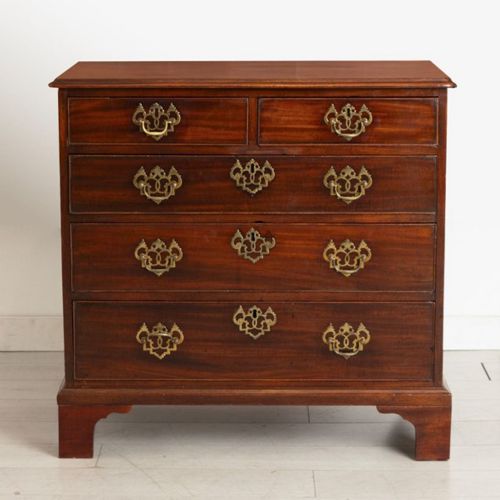
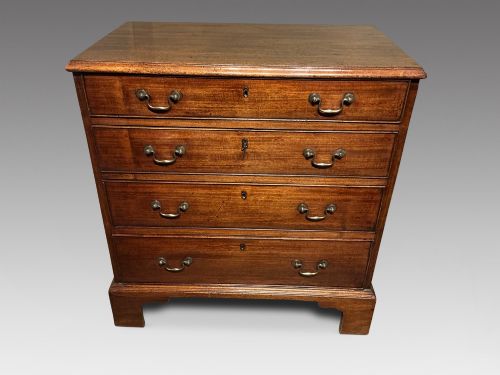
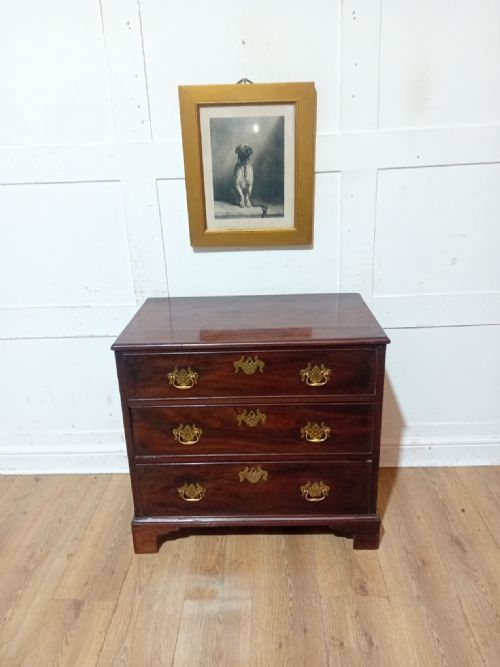
A mahogany straight front chest provides robust drawer storage with a flat, uncurved facade that suits both traditional and modern interiors. These chests span multiple eras, appearing in forms from early 18th-century Georgian designs through to later Victorian interpretations.
Most examples encountered on this page date from the Georgian and Victorian periods, featuring standard configurations of graduated drawers. Pieces range from compact bachelor chests equipped with brushing slides to taller proportions designed for larger rooms.
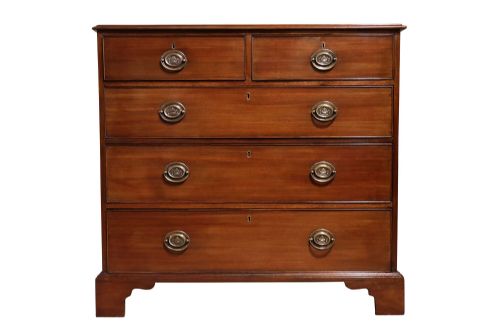
Makers and regional workshops utilised native timbers alongside imported species, producing items that reflect both formal London tastes and provincial British craftsmanship. The primary form remains a rectangular carcase raised on bracket feet, ogee feet, or plinth bases.
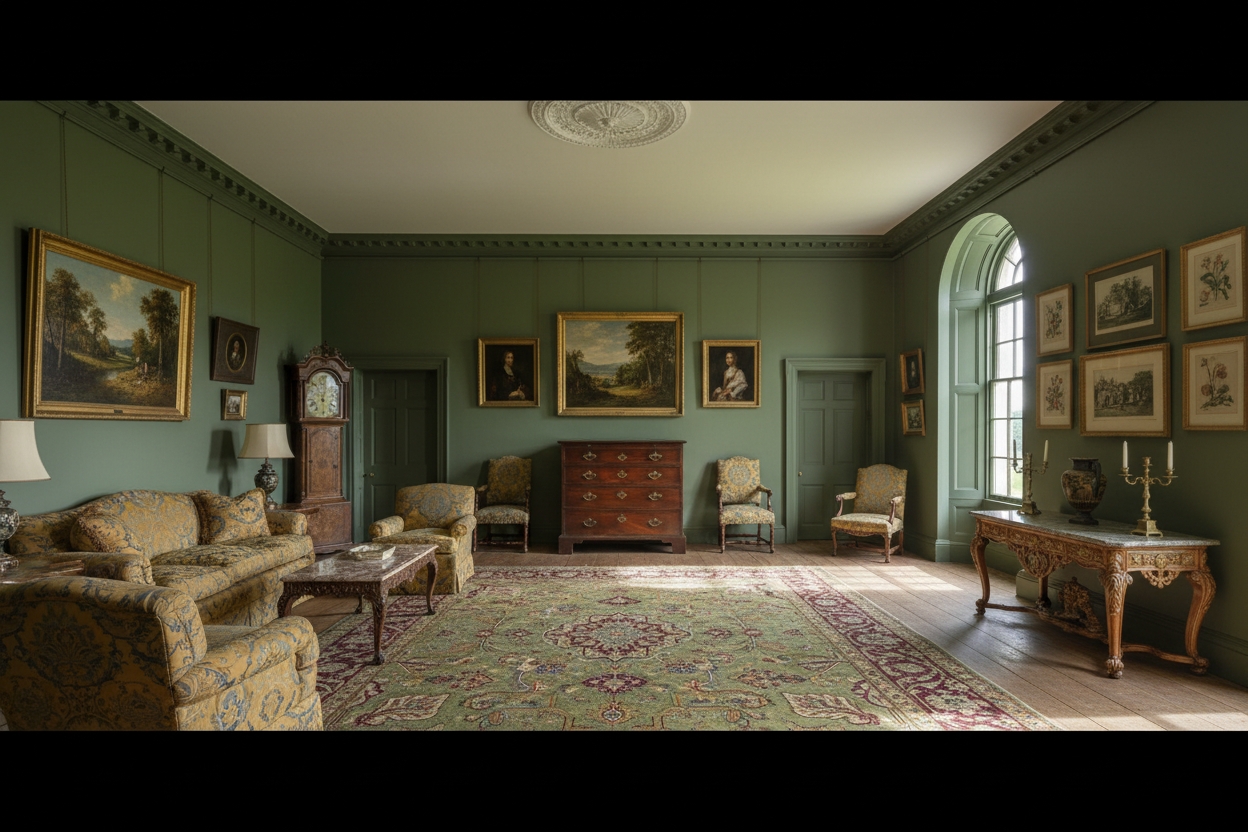
Materials and construction methods
Makers constructed the primary carcases using solid mahogany, frequently selecting dense Cuban mahogany for early pieces and highly figured flame mahogany or curl veneers for later decorative surfaces. Secondary timbers such as oak and pine commonly form the drawer linings and internal framing.
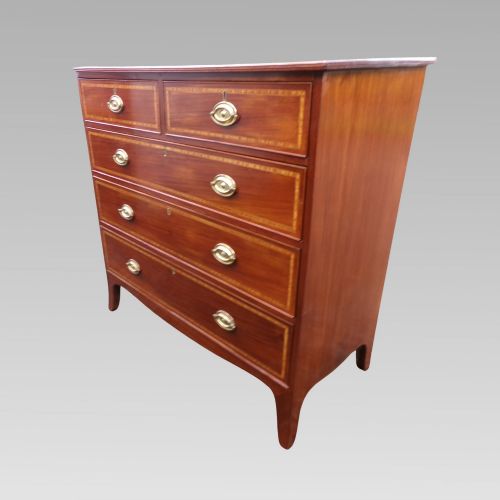
Cabinetmakers joined drawer frames using hand-cut dovetails to ensure structural durability over centuries of daily use. Fine stringing lines in boxwood or satinwood and crossbanded borders frequently decorate the drawer fronts and top edges of Georgian and Victorian iterations.
Original hardware, including brass drop handles, oval backplates, and brass escutcheons, forms an integral part of the original construction. Bracket feet, ogee feet, and shaped apron details complete the lower structure of the carcase.
Mahogany Straight Front Chest Retail Price Guide 2026
Typical asking prices for mahogany straight front chest among the pieces listed under this phrase on Sellingantiques today, from the lower quarter to the upper quarter. They describe what is for sale here now, not the wider market.
Listings feature mahogany straight front chest examples incorporating oak, pine, satinwood, boxwood, bone, and brass components.
Distinctions in craftsmanship and materials
The selection of timber grain heavily influences the visual impact, with figured, curl, and flame mahogany marking out superior examples from plain stock. Superior pieces display book-matched veneers across the drawer fronts that align seamlessly.
Internal joinery reveals the standard of work, particularly the fineness of the hand-cut dovetails on drawer construction and the use of solid oak rather than softer secondary woods. The survival of original fittings, feet, and functioning locks without extensive replacement elevates the integrity of an individual chest.
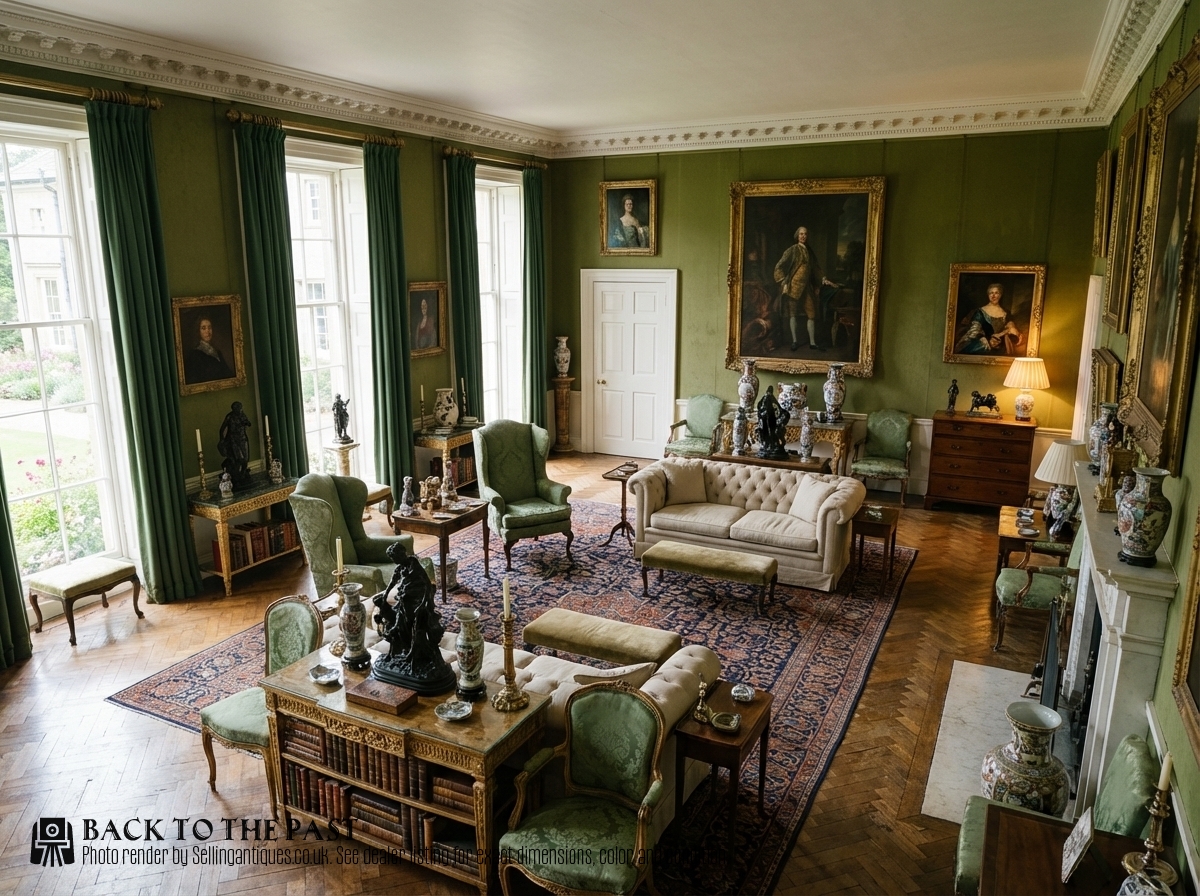
Mawer and Stephenson·Gillows
The Mahogany Straight Front Chest Glossary
- Brushing slide
- A pull-out shelf located above the top drawers, historically used for folding clothes or writing.
- Crossbanding
- A narrow strip of veneer laid across the grain direction of the main surface to create a decorative border frame.
- Dovetail
- An interlocking joint used in drawer construction, prized for its mechanical strength and resistance to being pulled apart.
- Ogee feet
- An S-shaped moulding profile used as a supportive foot on 18th-century furniture carcases.
- Graduated drawers
- A series of drawers that decrease in depth from bottom to top, creating a balanced visual proportion.
- Flame mahogany
- A veneer cut from the fork of the tree where branches meet the trunk, producing a rippling flame-like pattern.
Mahogany Straight Front Chest: Frequently Asked Questions
What is a straight front chest?
A straight front chest is a drawer unit with a flat, planar facade that contrasts with serpentine or bow-front alternatives. This geometry presents a clean architectural silhouette.
These chests provide versatile storage across bedrooms, hallways, and living spaces while maintaining a compact footprint against walls.
How do I distinguish Georgian from Victorian chests?
Georgian chests typically exhibit hand-cut dovetails, oak secondary woods, and bracket or ogee feet. Their proportions lean towards understated elegance and classical stringing.
Victorian pieces often feature denser carcases, flame mahogany veneers, plinth bases, and occasionally factory-produced hardware components.
What was a brushing slide used for?
A brushing slide functions as a pull-out shelf positioned directly beneath the top surface or above the uppermost drawer. In period use, it served as a clean surface for brushing garments or writing letters.
Today, the slide adds functional tabletop space without permanently altering the depth of the room.
How should I care for antique mahogany?
Antique mahogany benefits from stable room environments away from direct heat sources and strong sunlight, which can dry out timber and fade veneers. Maintaining consistent indoor humidity prevents wood shrinkage.
Application of traditional beeswax helps nourish the polished surface and preserve the natural depth of the timber grain.