


Mahogany Specimen Table
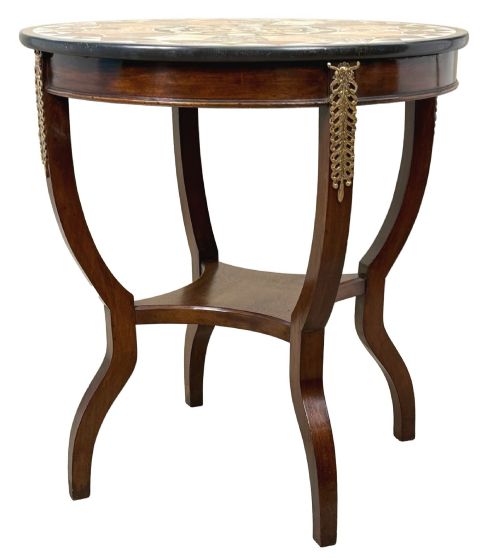
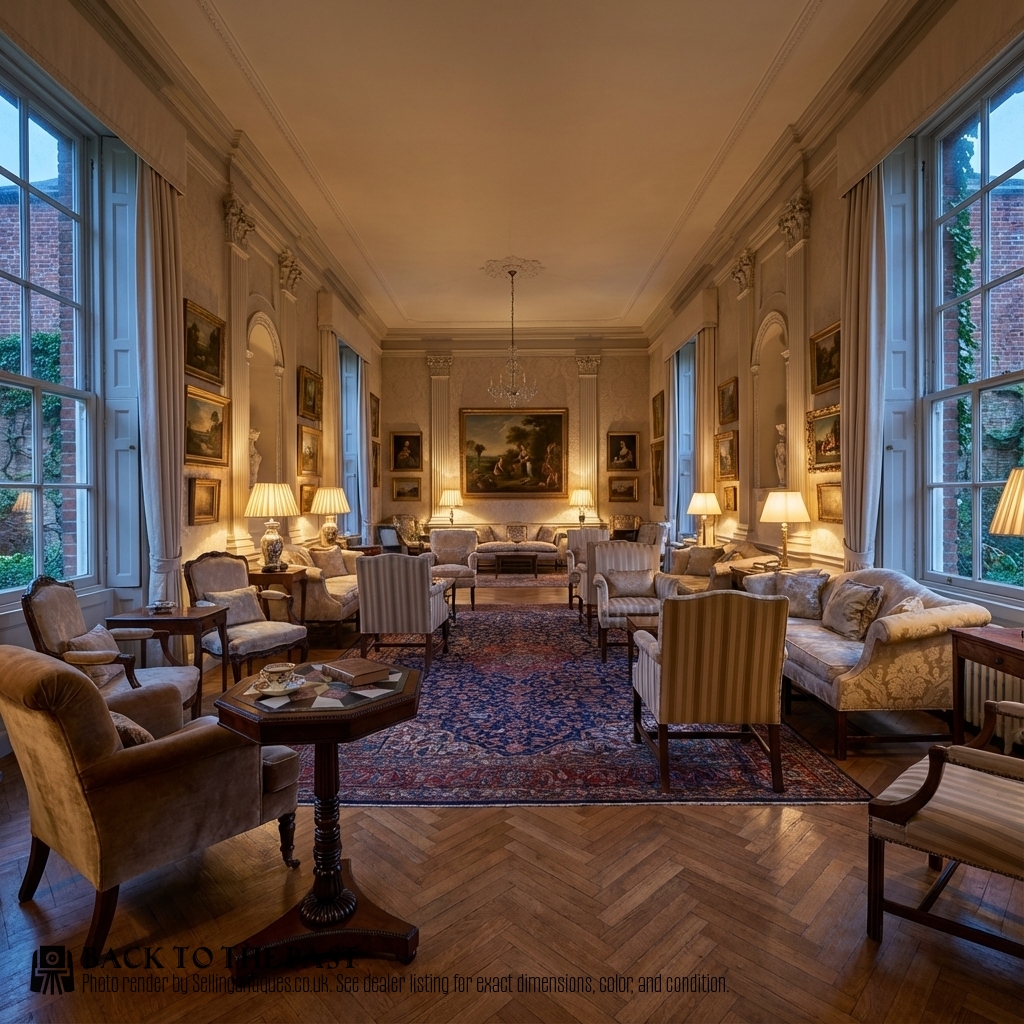
A mahogany specimen table brings together rich timber and geometric stone or wood inlays to serve as a striking centrepiece.
Mahogany Specimen Table
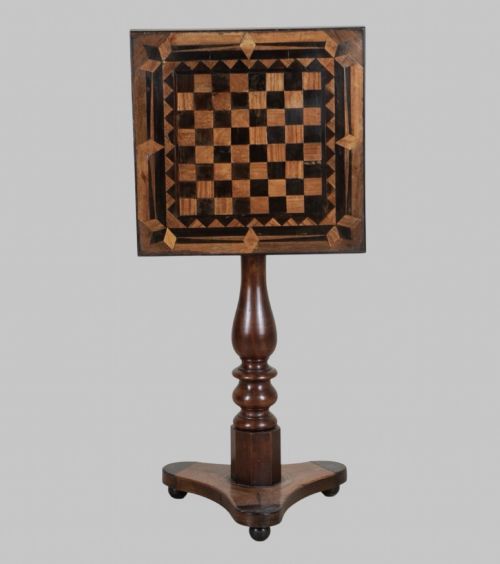
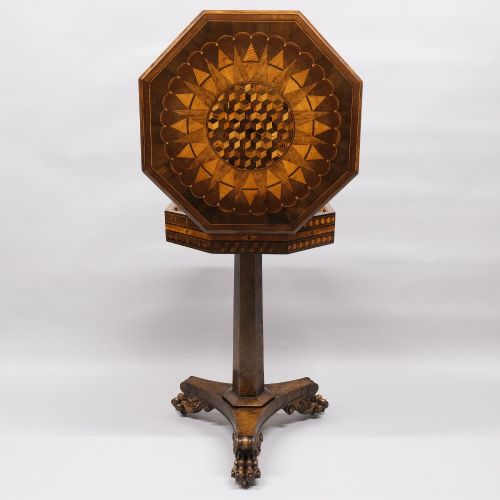
The most common variants encountered on this page are occasional and centre tables featuring circular or octagonal tops inlaid with geometric specimen marbles or parquetry wood veneers. Makers often supported these surfaces with turned central pedestals, swan supports, or delicate legs rather than simple four-cornered frames.
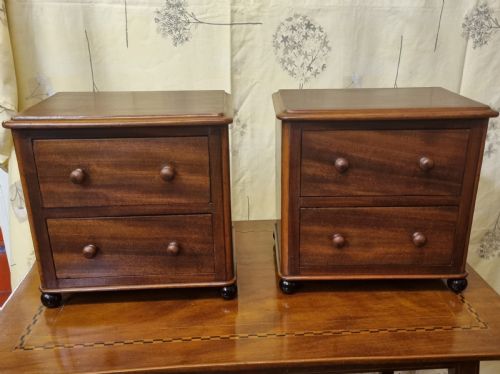
Beyond standard tables, the selection includes related formats like work tables, games tables, and tabletop cabinets that share the same dedication to fine timber and specimen inlay work. These diverse forms reflect the nineteenth-century passion for collecting and displaying mineralogical and botanical samples.
Distinctions in Quality
Quality rests upon the precision of the timber and stone joints, where tighter fitment of the specimen veneers and seamless integration of marble segments denote superior workshop execution. Lesser examples reveal wider mortar lines or simpler geometric repeats, whereas masterworks exhibit complex pictorial pietra dura or sophisticated parquetry.
The choice of secondary supports and architectural detailing elevates certain pieces, such as those employing carved swan pedestals or substantial Regency pillars rather than plain turned legs. The visual harmony between the figured mahogany base and the specific mineral or timber selection of the tabletop determines the overall status of the piece.
James Shoolbred·Ralph Turnbull·Woodley family
The Mahogany Specimen Table Glossary
- Specimen marble
- Marble and other decorative stones cut and fitted together to form a geometric or pictorial tabletop. This technique was frequently utilised during the Grand Tour period.
- Pietra dura
- An artistic technique of inlaying cut and polished coloured stones to create images or patterns. Artisans used hardstones like lapis lazuli, jasper, and marble.
- Parquetry
- Geometric mosaic woodwork arranged in regular patterns like cubes or herringbone. It appears across tabletops utilising contrasting timbers such as satinwood and rosewood.
- Grand Tour
- A cultural journey of Europe undertaken by wealthy young Englishmen in the eighteenth and nineteenth centuries. Travellers often returned home with architectural models and specimen tables.
- Occasional table
- A small, versatile table designed for a specific, intermittent use within a principal room. These often featured decorative tops intended to catch the eye.
- Work table
- A small table fitted with drawers or fabric bags for needlework and sewing implements. Nineteenth-century examples frequently incorporated elaborate inlaid veneer tops.
Mahogany Specimen Table: Frequently Asked Questions
What is a specimen table?
A specimen table is a piece of furniture featuring a tabletop composed of many different types of marble, stone, or exotic wood arranged in geometric patterns. These surfaces were designed to showcase geological or botanical collections.
Most examples date from the nineteenth century, reflecting an era of widespread interest in natural history, travel, and fine craftsmanship. The frames are typically constructed from mahogany to provide a stable, dark contrast to the colourful inlay.
How were these tables used historically?
Historically, these tables served as decorative centrepieces in drawing rooms, libraries, and reception spaces where guests could admire the intricate stonework and wood veneers. They functioned as display surfaces for smaller objets d'art or simply stood alone as conversation pieces.
Many were acquired as souvenirs by travellers returning from European tours during the Georgian and Victorian eras. Their presence in a home signaled both an educated taste and an appreciation for luxury craftsmanship.
How do I style a specimen table today?
A specimen table works best as a focal point in a living room, hallway, or study where its inlaid top can be viewed from above. Because the surface is already highly decorative, minimal styling is required.
Keeping the tabletop largely unburdened allows the parquetry or pietra dura work to remain visible. Placing the table near a natural light source helps highlight the subtle variations in the polished stone and timber grain.
How do I tell Regency from Victorian tables?
Regency tables, dating from the early nineteenth century, typically exhibit cleaner neoclassical lines, bolder brass mounts, and restraint in ornament. Their proportions tend to be more architectural and derived from classical Greek and Roman precedents.
Victorian pieces from the mid-to-late nineteenth century often display heavier proportions, more exuberant carving, and a wider variety of mixed woods and coloured marbles. The revival styles popular during the Victorian era introduced greater eclectic variation in the pedestals and supports.