






Mahogany Oval Cellarette
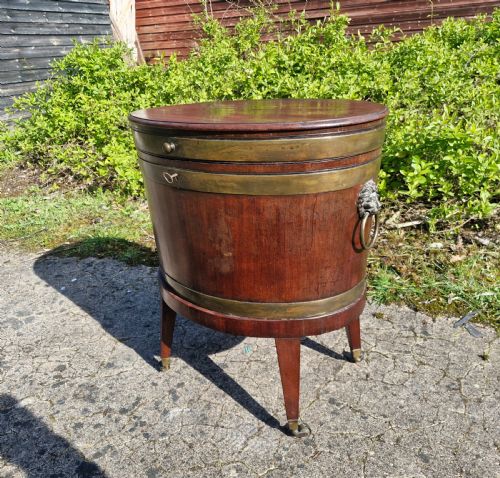
A mahogany oval cellarette is a grand vessel built to keep bottles cool at table, combining deep timber and gleaming metal bands for the dining room.
Mahogany Oval Cellarette
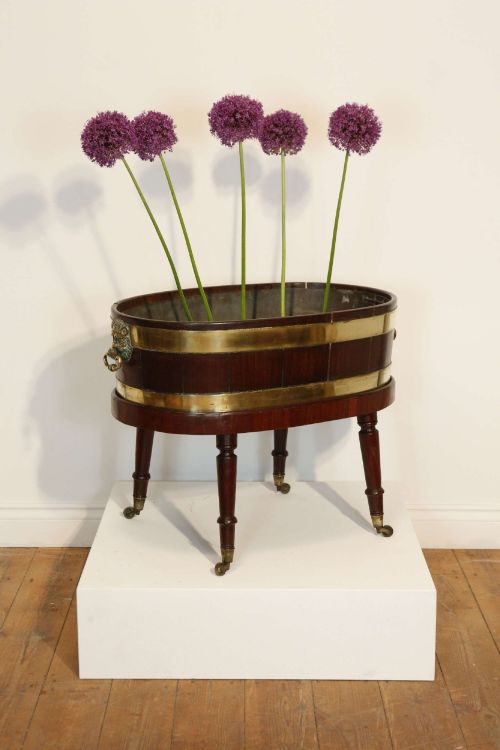
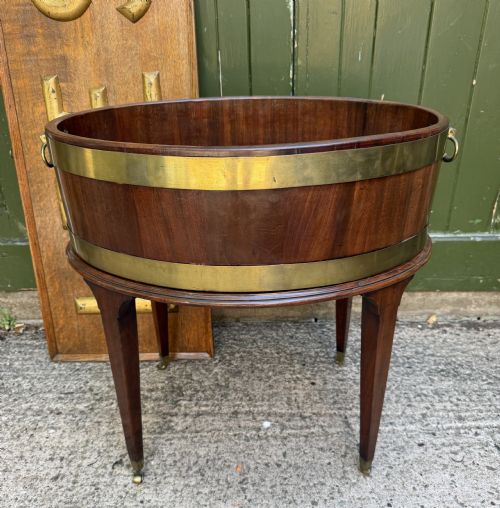
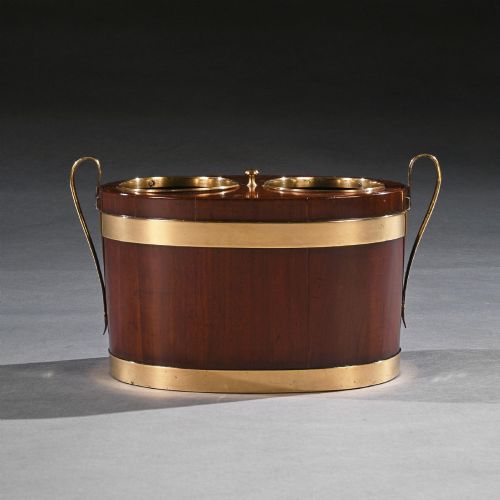
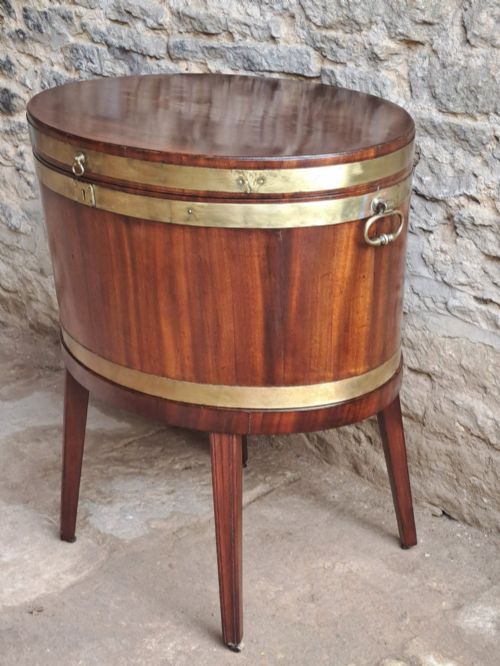
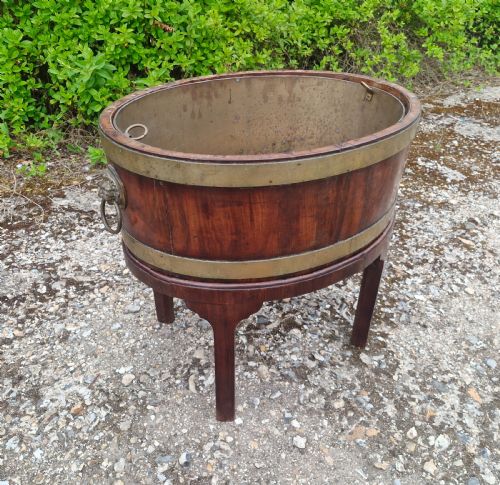
A mahogany oval cellarette is built to hold wine bottles and ice for the dining room, taking the form of a deep bucket or tub. When you search for a mahogany oval cellarette, you encounter sturdy vessels designed to sit beneath the sideboard or upon their own dedicated stands.
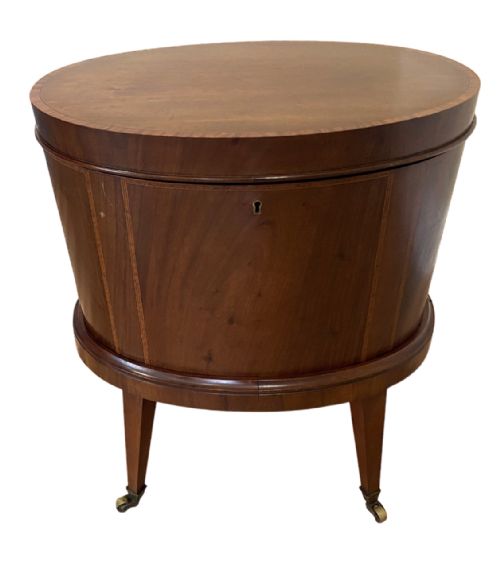
The pieces on this page stem largely from the Georgian and 18th century periods, alongside later Victorian revivals. They appear most frequently as oval tubs encircled by metal bands, though some double as jardinières and planters.
Makers shaped these objects from rich timber, sometimes adding legs or stands to elevate the body. The fundamental form remains practical, serving to chill wine close to the company while displaying the grain of the wood.
Construction and Materials
Cabinet makers constructed the bodies from solid mahogany, frequently selecting walnut or satinwood for contrast, and occasionally applying boxwood inlay. These timbers were coopered much like casks, using narrow staves joined tightly together to hold liquid and ice.
Workers secured the heavy wooden staves with brass or metal bands, fastening the joints against the damp weight within. Interiors were often lined with zinc or fitted with metal inserts to protect the surrounding wood from melting ice.
Details such as brass carrying handles and mounts completed the construction, balancing utility with the formal style of the period.
Mahogany Oval Cellarette Retail Price Guide 2026
Typical asking prices for mahogany oval cellarette among the pieces listed under this phrase on Sellingantiques today, from the lower quarter to the upper quarter. They describe what is for sale here now, not the wider market.
Listings feature mahogany, walnut, satinwood, and boxwood inlay across 18th century, Georgian, 19th century, and Victorian periods.
Judging Quality
Quality rests in the depth of the timber grain and the crispness of the cooperage work. Superior examples display rich patina and precise alignment of the staves where the metal bands grip the wood.
The presence of an original stand elevates a piece, as does the survival of interior metal linings or original brass hardware. Later revival pieces differ from Georgian originals in the sharpness of their boxwood inlay and the weight of their bronze or brass mounts.
Gillows·Samual Norman
The Mahogany Oval Cellarette Glossary
- Cellarette
- A lockable container or tub designed to hold wine bottles near the dining table. It keeps the bottles cool and close at hand during meals.
- Jardinière
- An ornamental pot or stand intended for holding plants or flowers. Many surviving cellarettes were adapted for this secondary purpose.
- Coopered
- Built using curved staves of wood bound together with metal hoops, exactly like a barrel. This technique provided the strength needed to hold ice and liquid.
- Patina
- The deep, lustrous surface sheen developed by old wood over decades of handling and polishing. It marks the age and care of the piece.
Mahogany Oval Cellarette: Frequently Asked Questions
What is a mahogany oval cellarette used for?
These vessels were designed to hold wine bottles and ice beneath the dining table during long meals. Guests could help themselves to chilled drinks without summoning servants.
Over time, many of these pieces lost their original cooling function and were repurposed in the home as planters or decorative jardinières.
How do I tell a Georgian original from a later revival?
Georgian pieces display older timber grain, hand-cut joinery, and the natural wear of centuries. Revivals from the Victorian era often feature cleaner, crisper boxwood inlay and heavier secondary woods.
Examining the underside and the interior metal lining also reveals the age and manufacturing methods of the specific period.
Did cellarettes always come with stands?
Many cellarettes were made as freestanding floor tubs designed to sit directly beneath a sideboard. Other models were constructed with dedicated wooden stands that elevated the oval body to table height.
Pieces resting on their original stands are particularly valued by collectors for completeness.
How do I care for the wood and brass?
Keep the mahogany clean with a soft cloth and occasional application of appropriate furniture wax to preserve the patina. Avoid placing the vessel in direct sunlight or near heat sources that might dry out the staves.
Polish the brass bands gently, taking care not to let cleaning agents stain the surrounding wood.