

Mahogany Mantel
Mahogany mantel pieces bring together fine cabinetmaking and horology, offering functional timekeepers and mirrors built to anchor a room.
Mahogany Mantel
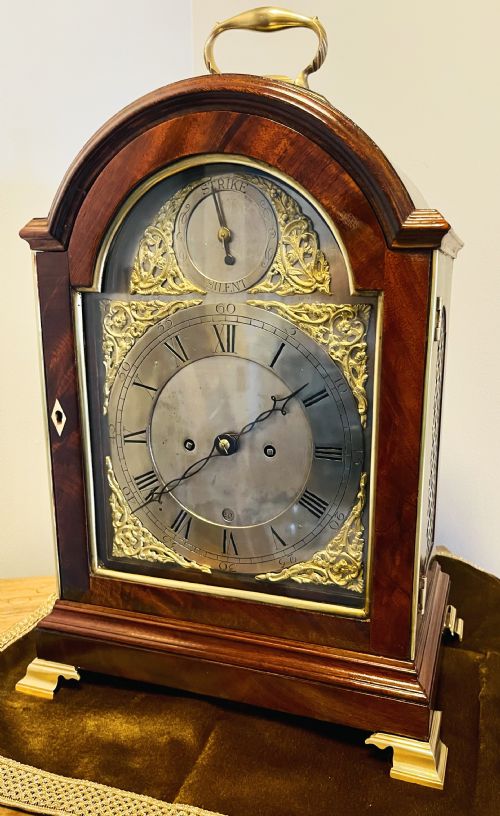
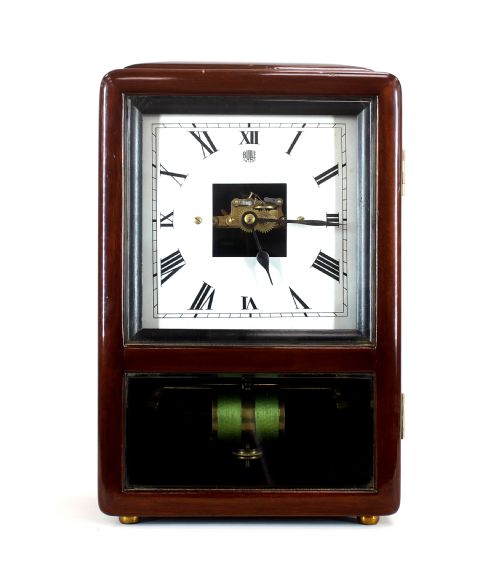
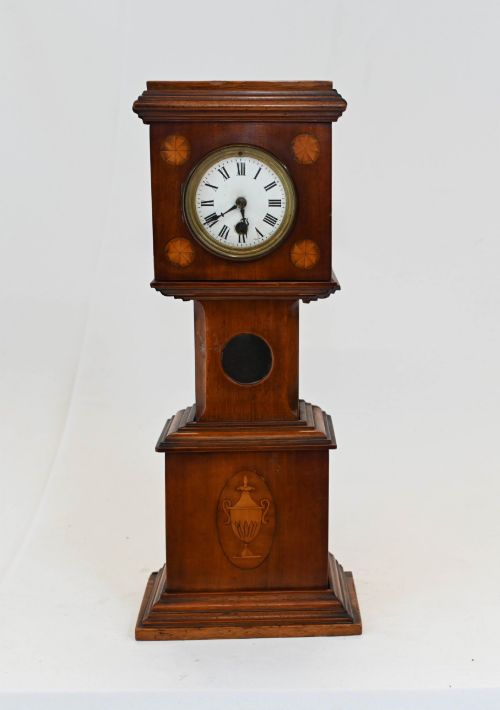
When you search for mahogany mantel, you encounter a distinct group of objects spanning bracket clocks, timepieces, and overmantel mirrors. These items originate across the Georgian, Regency, and Victorian eras, extending into Edwardian and early twentieth-century designs.
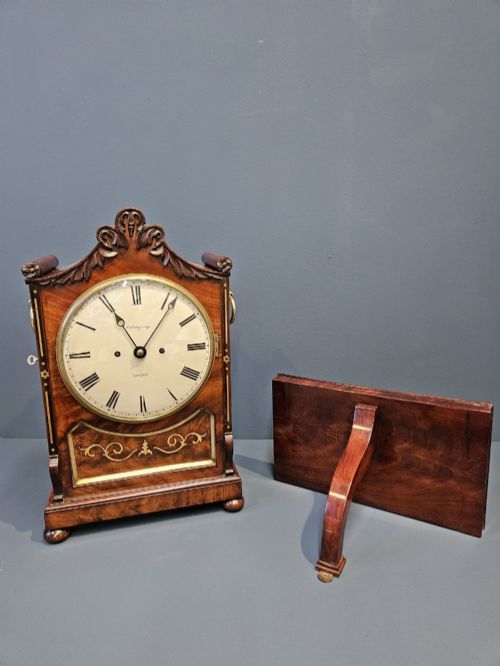
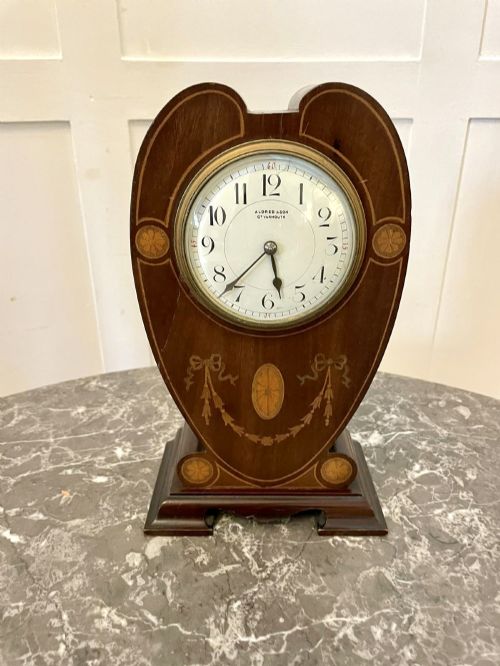
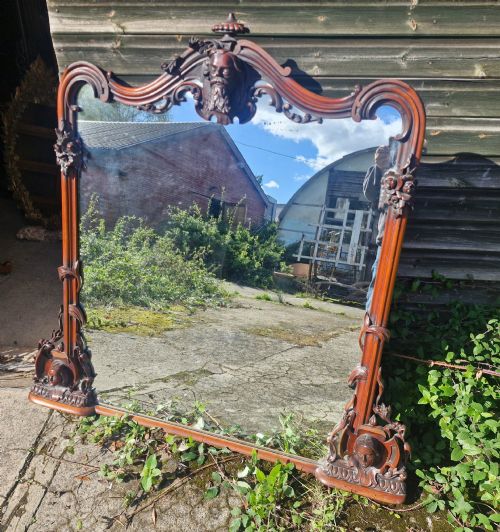
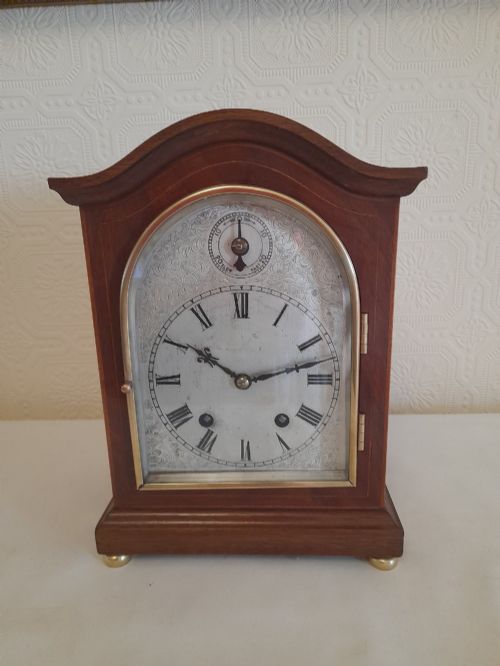
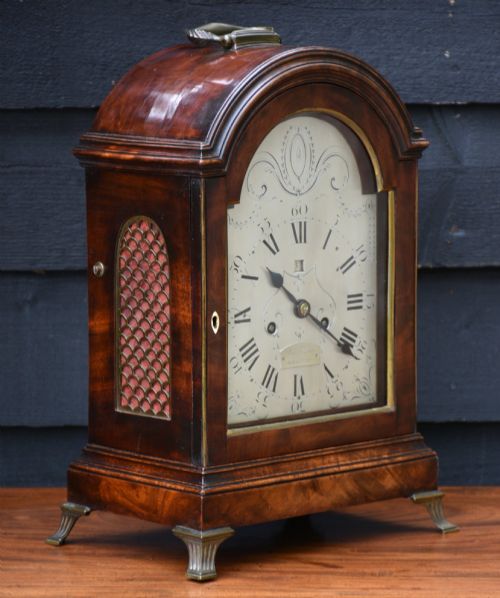
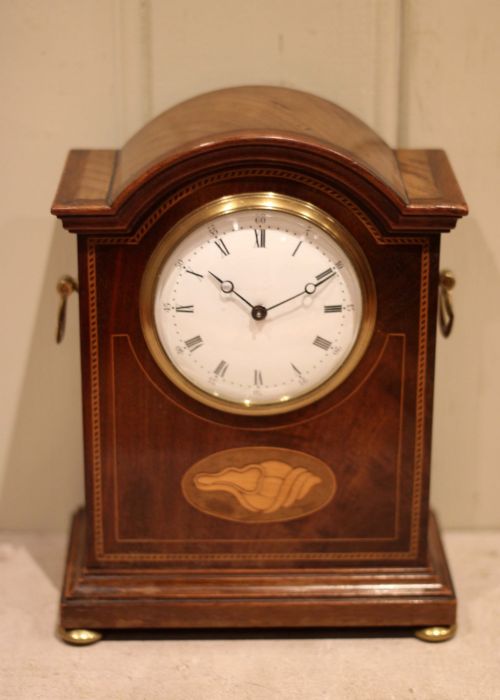
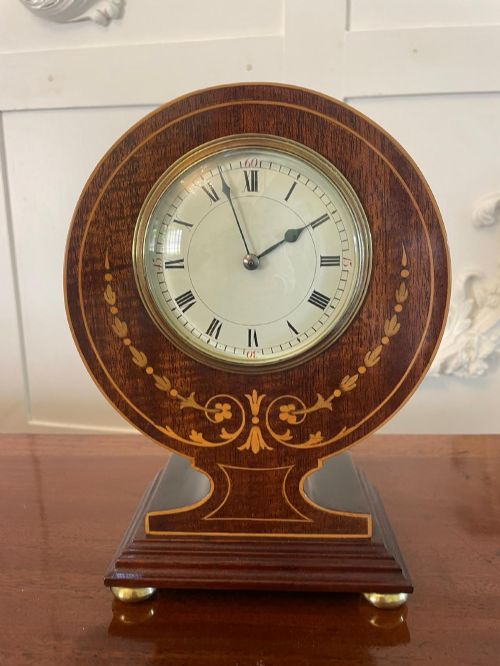
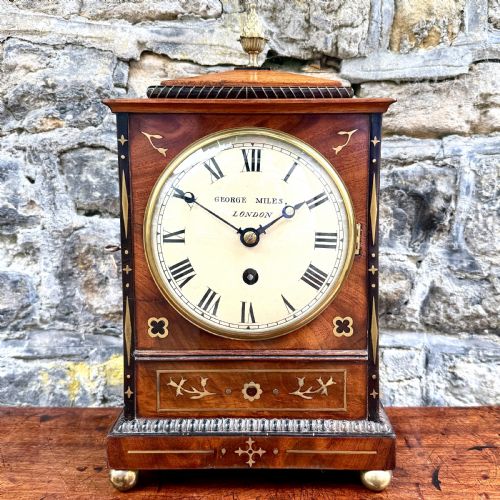
The most common examples on this page are bracket clocks and mantel timepieces, often enriched with satinwood inlay or brass details. Overmantel mirrors also appear, displaying carved fretwork and revival styles such as Chippendale and Sheraton.
Materials and construction
Makers utilised solid mahogany and mahogany veneers as the primary structural and visual medium, frequently pairing the timber with contrasting satinwood inlay and brass mounts. Glass protects clock dials and mirror plates, while enamel and brass feature prominently on clock faces.
Joinery and cabinet work define the wooden cases, incorporating chamfered tops, swept pediments, and fretwork carving. Clock movements rely on brass and steel components, driven by fusee mechanisms or verge escapements.
Mahogany Mantel Retail Price Guide 2026
Typical asking prices for mahogany mantel among the pieces listed under this phrase on Sellingantiques today, from the lower quarter to the upper quarter. They describe what is for sale here now, not the wider market.
Evaluating craftsmanship
Quality rests upon the crispness of the cabinetwork and the sophistication of the internal movement. Finer examples display precise satinwood stringing, well-executed carvings, and signed movements by notable makers.
The handling of secondary materials also separates standard production from superior pieces. Heavy brass inlay, thick mirror glass, and intricate fretwork indicate higher standards of manufacture.
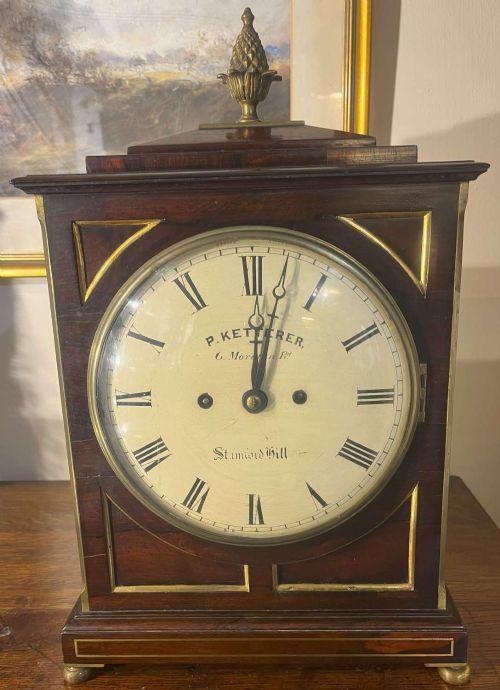
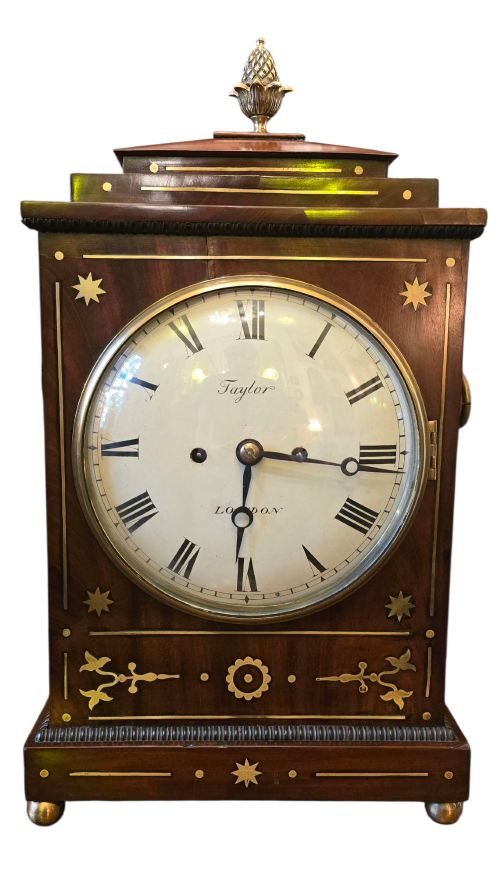
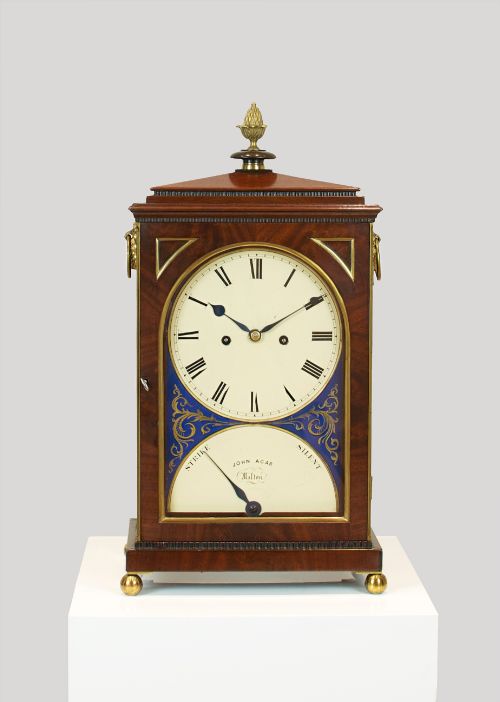
P Ketterer·Agar of Malton·Taylor of London·Thomas Howard·Thomson of London·Brockbanks & Atkins·William Gard·Webster London·Mappin & Webb·Walker and Hall·Charles Pratt London·Ellicott & Smith·Thomas Jackson·George Orpwood
The Mahogany Mantel Glossary
- Bracket clock
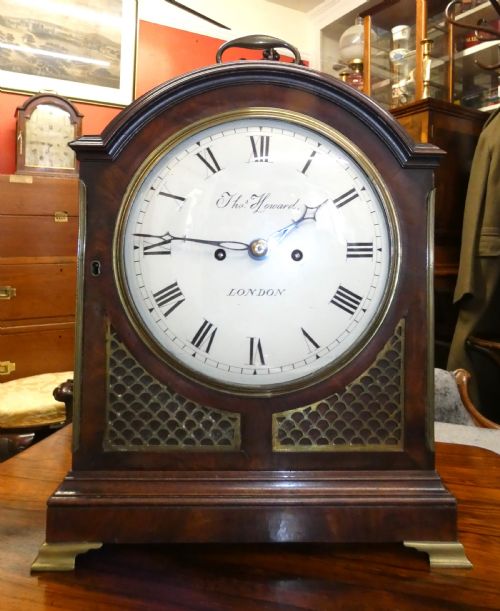
- A portable spring-driven clock designed to sit on a bracket or table. These timepieces typically feature ornate mahogany cases and brass carrying handles.
- Fusee
- A conical pulley used in mechanical clocks to maintain even power as the mainspring unwinds. This mechanism ensures more accurate timekeeping.
- Verge escapement
- An early type of clock escapement mechanism that controls the release of power in the gear train. It is commonly found in eighteenth-century pieces.
- Overmantel mirror
- A large mirror designed to hang directly above a fireplace mantelpiece. They often incorporate mahogany frames with triptych plates or decorative crestings.
- Satinwood inlay
- A decorative technique where lighter contrasting wood is inserted into recesses within the mahogany surface. This creates geometric borders or floral motifs.
Mahogany Mantel: Frequently Asked Questions
How do I date a mahogany clock?
Dating a mahogany clock involves examining the style of the case, the execution of any inlay, and the mechanical movement type. Georgian and Regency examples often feature architectural timber cases and fusee movements.
Later Victorian and Edwardian pieces introduce softer curves, lighter satinwood stringing, and alternative escapements. Maker signatures inscribed on the dial provide further chronological reference.
Where were overmantel mirrors placed?
Overmantel mirrors were designed to hang directly above the fireplace opening on the wall. They anchored the main reception room by reflecting light and balancing the visual weight of the hearth.
Large mahogany frames often featured triptych glass plates and carved crests suited to formal interior schemes.
What is a fusee movement?
A fusee movement is a mechanical clock system that uses a conical drum and a cord or chain to equalise the force of the mainspring. As the spring loses tension, the chain pulls on a wider section of the cone to maintain consistent power.
This mechanism is a hallmark of better quality British bracket clocks and timepieces.