
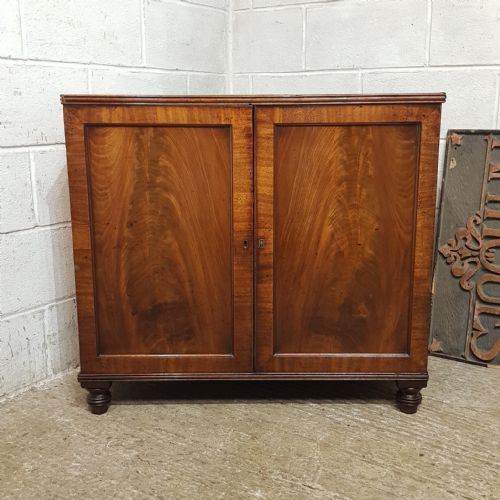
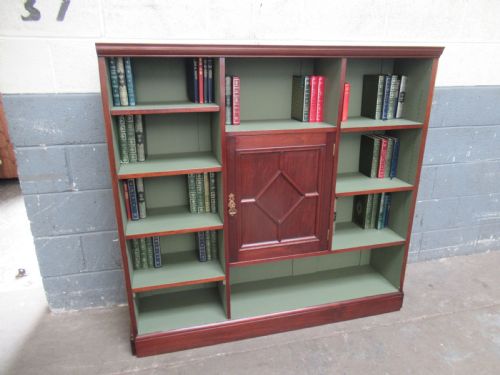

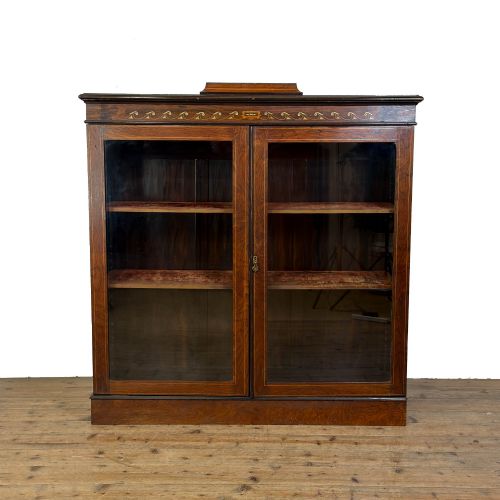
Mahogany Low Cupboard
A mahogany low cupboard offers practical storage with architectural presence, spanning Georgian restraint and Victorian utility.
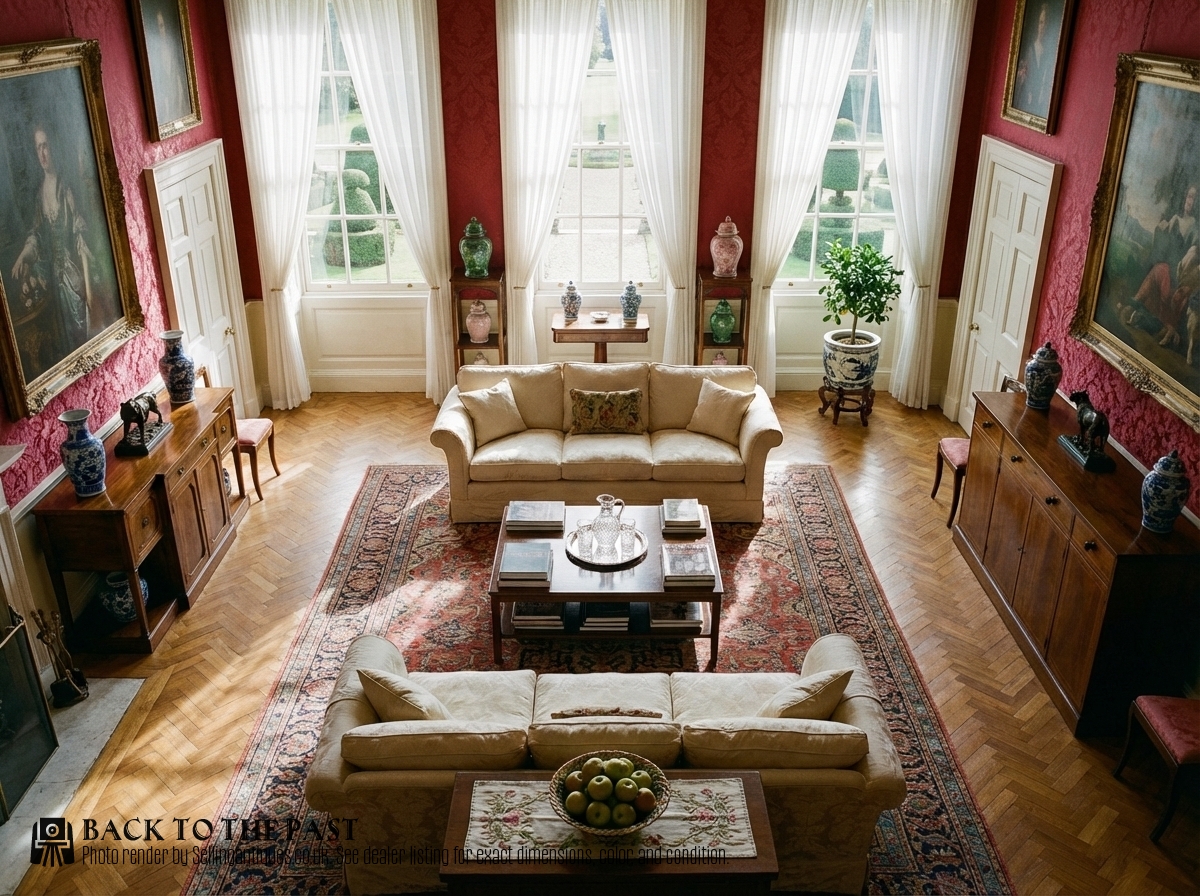
Mahogany Low Cupboard
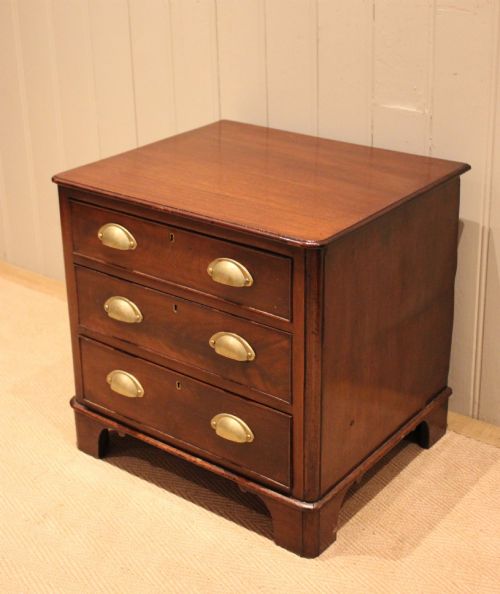
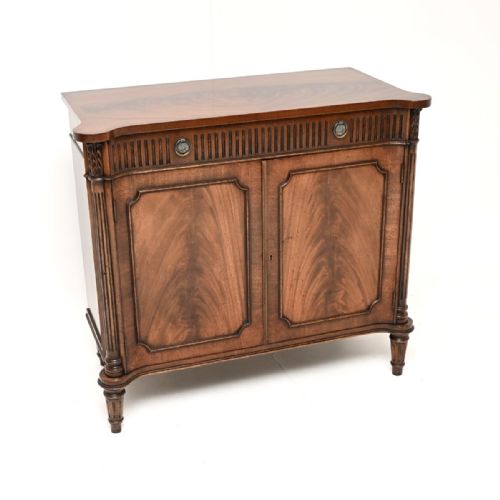
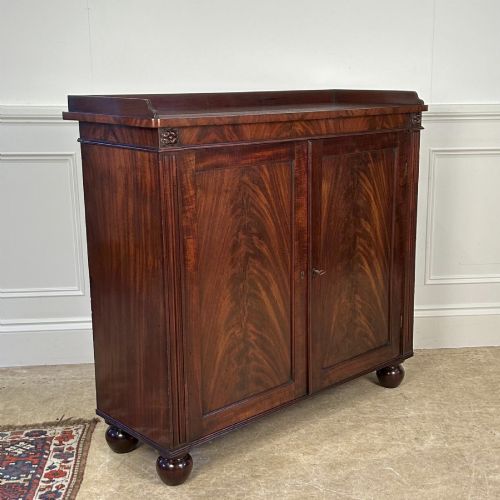
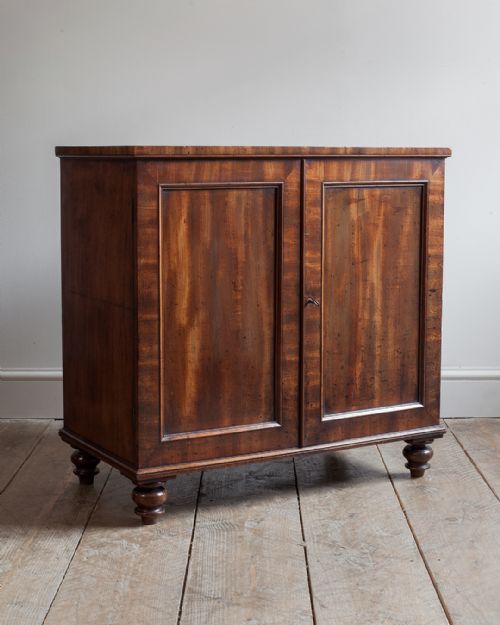
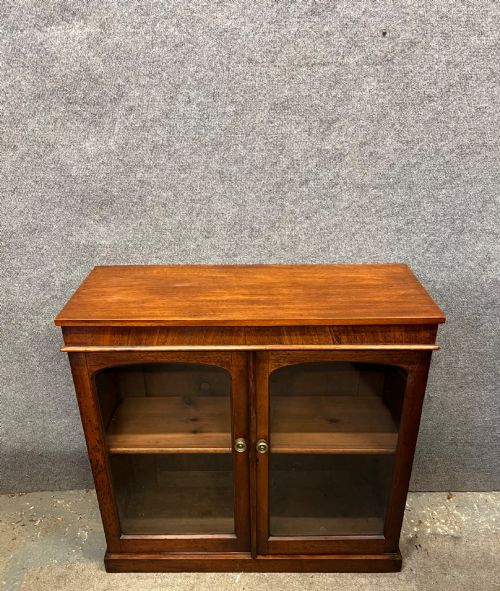
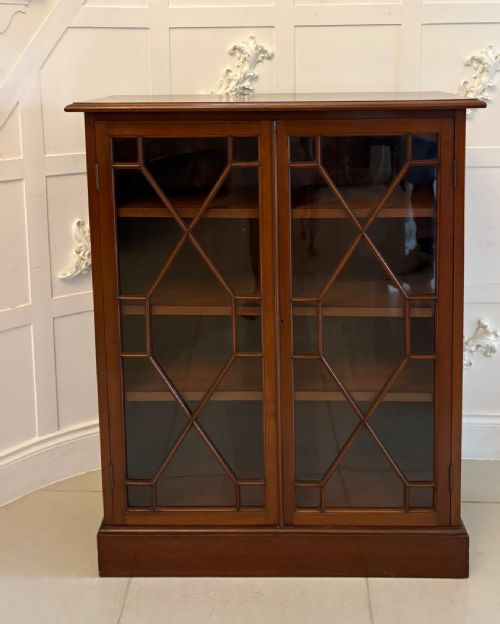
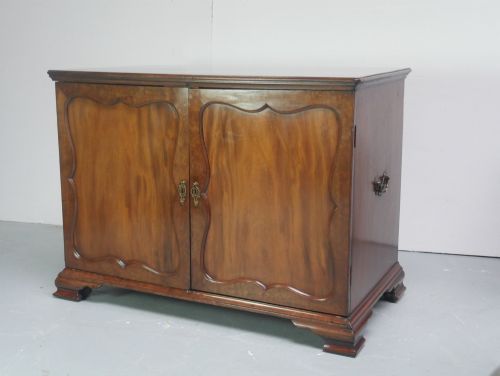
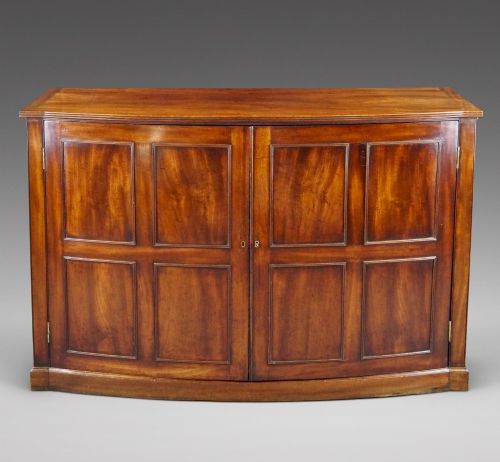
A mahogany low cupboard brings grounded proportion and rich timber tone into a room, serving as a versatile piece for storage and display. When searching for a mahogany low cupboard, you encounter diverse forms ranging from compact bedside pot cupboards to wide Regency linen presses and side cabinets.
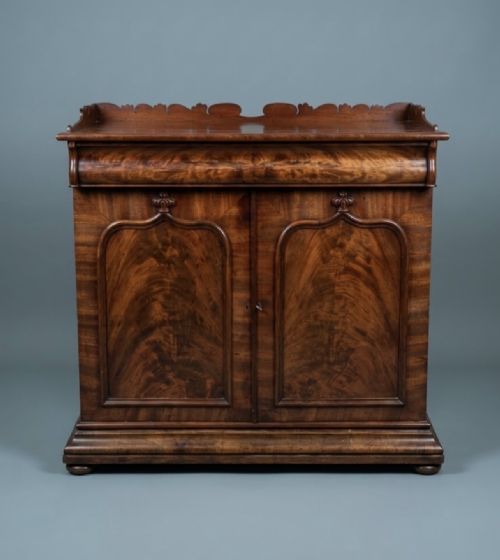
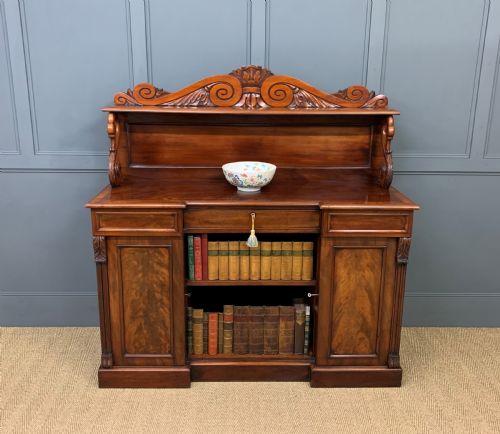
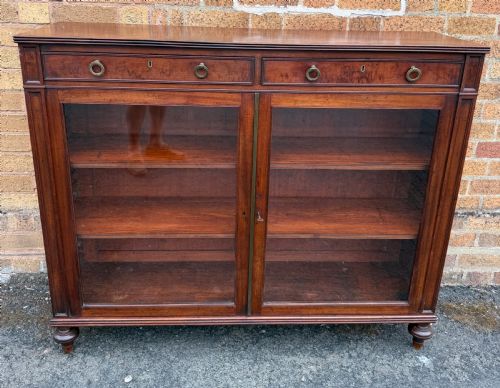
The pieces on this page originate predominantly from the Georgian, Regency, and Victorian eras, along with Edwardian examples. They take the shape of low bookcases, dwarf cabinets, chiffoniers, and press cupboards designed to sit comfortably beneath eye level.
Makers and workshops of note, including Gillows and Waring & Gillow, frequently produced these lower formats for domestic convenience. The scale allows the timber grain to remain the primary visual focus of the furniture.
How They Were Made
Cabinet makers utilised solid mahogany alongside flame mahogany veneers to build these carcasses, applying boxwood and satinwood inlay for linear contrast. Brass hardware such as castors, drop handles, and galleries frequently complemented the dense reddish-brown timber.
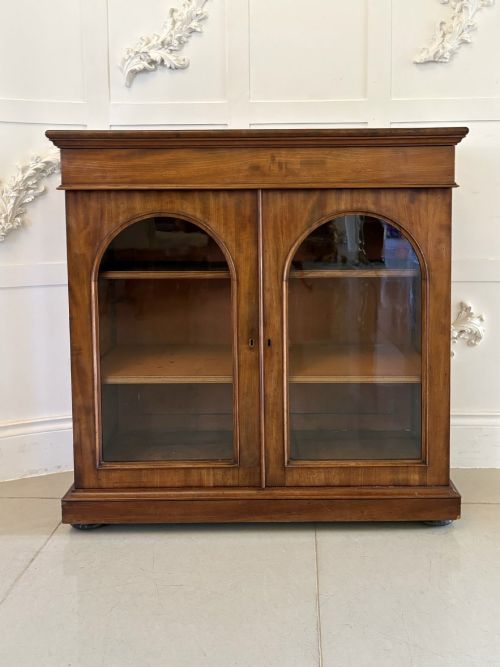
Construction techniques relied on sturdy joinery, internal drawer boxes, and panelled doors designed to endure daily use over centuries. Glass panel doors also appear on bookcases and display variations, housing collections behind framed timber.
The archive records numerous bedside pot cupboards and linen presses attributed to Gillows alongside standard Victorian side cabinets.
What Varies in Quality
The distinction between standard utility items and finer examples rests in the selection of the timber figure and the subtlety of decorative details. Flame mahogany veneers chosen for the front panels display dynamic movement and depth that plain boards lack.
Gillows·Whytock and Reid·Bowman Brothers·Collinson and Lock·Waring and Gillow·Heal and Sons
The Mahogany Low Cupboard Glossary
- Flame mahogany veneer
- A decorative wood slice cut from the point where branches join the main trunk, creating a distinctive flickering flame pattern. This veneer was prized for principal doors and drawer fronts.
- Pot cupboard
- A small bedside cabinet originally designed to house a chamber pot. These compact units often feature a single door above or beside a small drawer.
- Chiffonier
- A low sideboard or cabinet developed during the Regency and Victorian periods, frequently equipped with small shelves or a mirror superstructure. They provided convenient serving or display space in dining rooms.
- Linen press
- A tall or low storage unit featuring sliding trays or drawers enclosed by doors, traditionally used for household linens. Georgian and Regency examples often demonstrate fine proportions and panelled construction.
- Dwarf bookcase
- A shortened shelving unit designed to sit below window height. These low formats kept rooms feeling open while offering substantial book storage.
Mahogany Low Cupboard: Frequently Asked Questions
What is a low mahogany cupboard?
A low mahogany cupboard is a compact or sideboard-height storage piece made from mahogany timber, designed to keep a room feeling open while offering enclosed shelving or drawers.
These versatile items include bedside cabinets, dwarf presses, and side units produced across the Georgian, Regency, and Victorian eras.
How do I date a mahogany cupboard?
Dating relies on observing structural characteristics, timber choice, and hardware styles associated with specific periods like the Georgian or Victorian eras. Regency pieces often incorporate bolder veneers and classical brass mounts, while Edwardian versions show lighter framing.
Checking construction methods inside the drawers and carcass helps confirm the era of manufacture.
Where were these cupboards used?
These cupboards served multiple rooms across the home, from bedrooms acting as bedside pot cupboards to libraries housing folios and small collections. Dining rooms and halls also utilised low side cabinets for storing linen and serving accessories.
Their restrained height made them suitable for placement beneath windows or paintings.
How do I care for antique mahogany?
Maintain antique mahogany by keeping it away from direct sunlight and sudden temperature shifts that can dry out the timber and veneers. Regular dusting with a soft, dry cloth preserves the finish without requiring heavy polishes.
Applying microcrystalline wax occasionally helps protect the surface and nourish the aged grain.